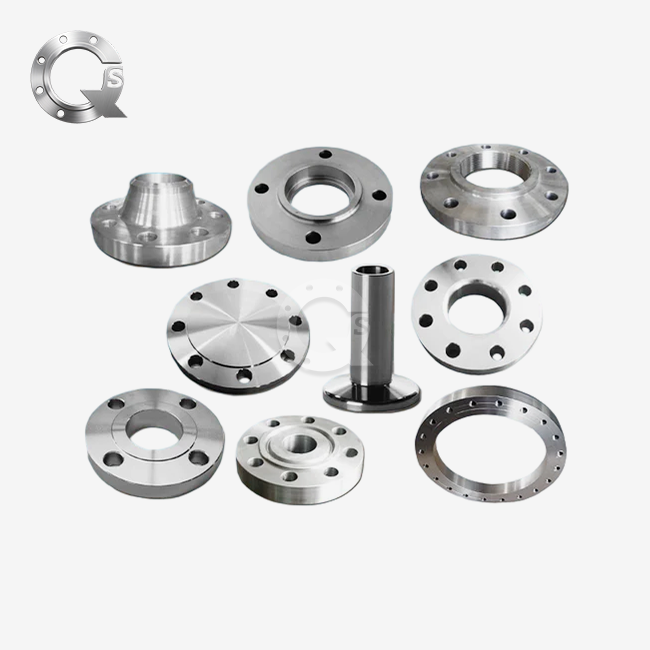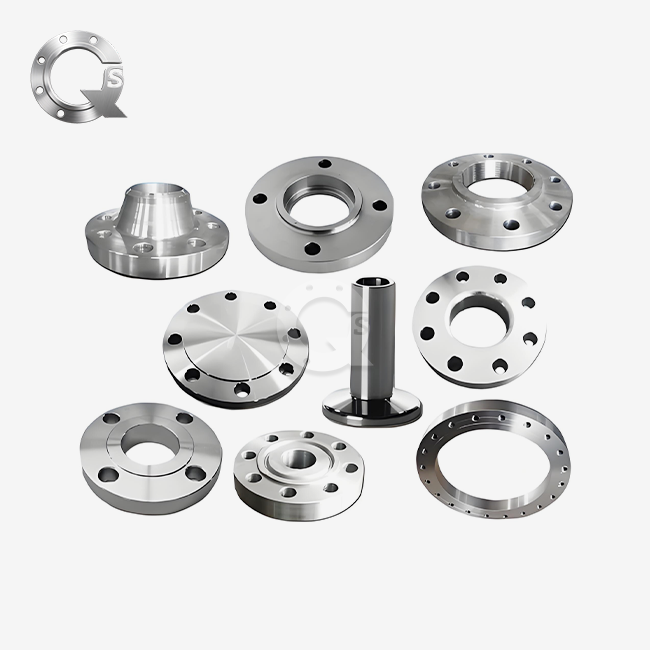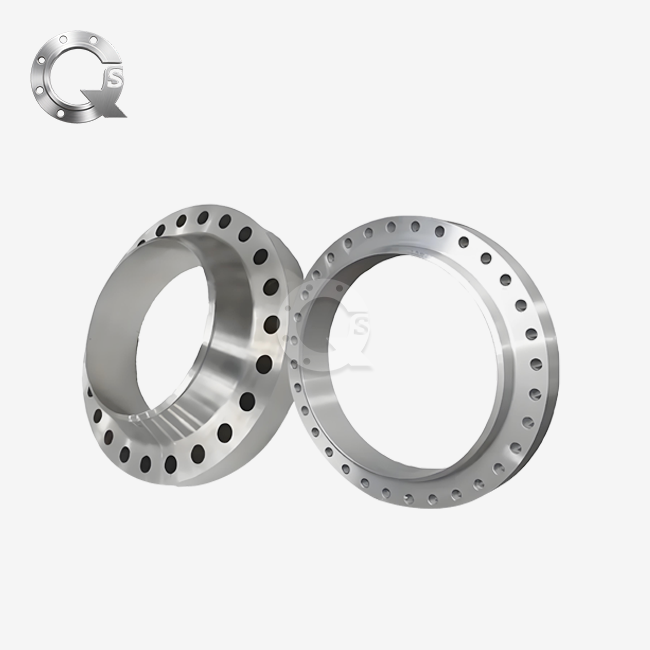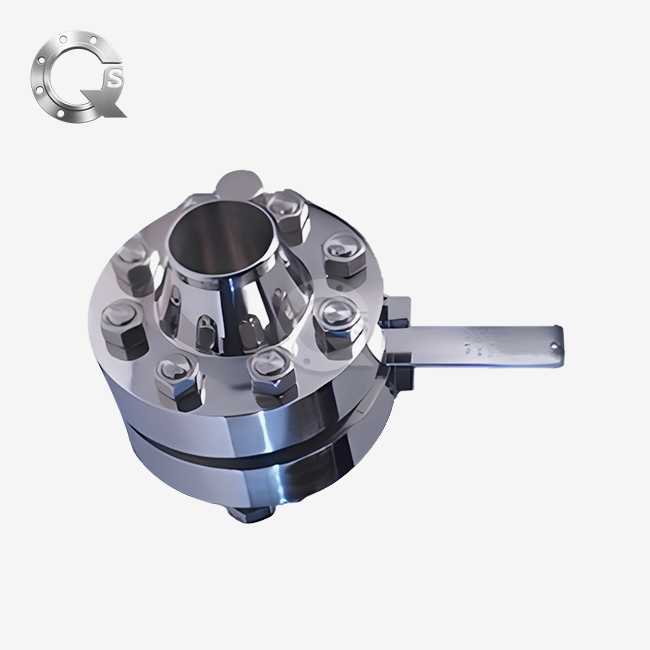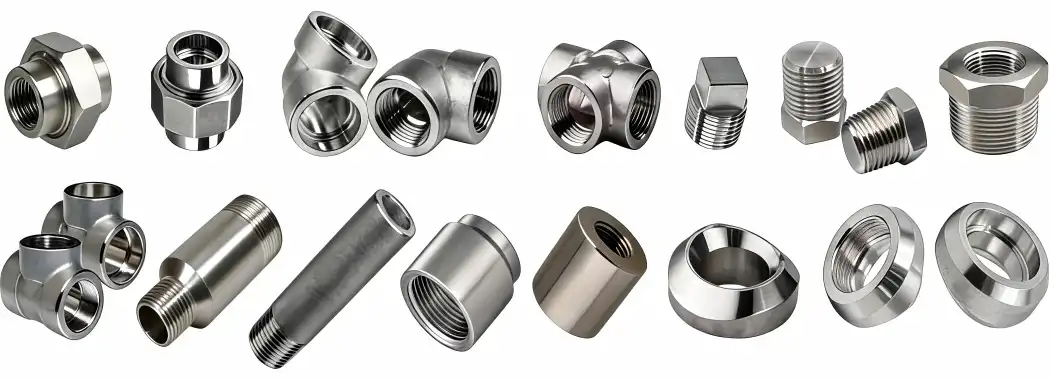
When it comes to chemical fittings, choosing the right fabric is pivotal for guaranteeing security, stability, and efficiency in your pipeline frameworks. 316L stainless steel has developed as the best choice for ASME B16.11 chemical fittings, advertising remarkable erosion resistance, prevalent mechanical properties, and amazing execution in unforgiving situations. This review of stainless steel gives unparalleled assurance against acids, soluble bases, and salts, making it perfect for use in chemical handling, pharmaceutical fabrication, and other demanding mechanical applications. By selecting ASME B16.11 316L stainless steel chemical fittings, you're contributing to long-lasting, dependable components that can withstand forceful chemicals and extraordinary conditions, eventually decreasing support costs and upgrading the overall security and proficiency of your operations.
Superior Corrosion Resistance of 316L Stainless Steel in Chemical Applications
Understanding the Composition of 316L Stainless Steel
316L stainless steel is a low-carbon alteration of the standard 316 review, particularly built to convey improved erosion resistance in demanding situations. Its chemical cosmetics ordinarily incorporate chromium in the range of 16–18%, nickel between 10–14%, and molybdenum at 2–3%, along with a maximum carbon content of as it were 0.03%. This exact combination adjustment permits the fabric to shape a steady, self-healing detached oxide layer on its surface, which essentially improves security against destructive assault. The included molybdenum is particularly viable in boosting resistance to setting and hole erosion in chloride-rich or marine settings, making 316L a perfect choice for chemical fittings routinely exposed to forceful substances.
Comparative Corrosion Resistance in Chemical Environments
Compared with numerous commonly utilized stainless steel grades, 316L offers predominant security in a wide assortment of chemical processing situations. It performs eminently way better than 304 or 304L stainless steel when exposed to acids, chlorides, and other destructive agents, as often as possible experienced in mechanical applications. For illustration, in sulfuric corrosive arrangements, 316L stainless steel illustrates essentially slower erosion rates than 304, resulting in improved toughness and decreased chance of fabric corrosion. This increased resistance specifically contributes to longer benefit life and fewer support mediations for ASME B16.11 fittings introduced in chemical pipelines, eventually improving operational productivity and unwavering quality inside handling facilities.
Long-term Performance in Harsh Chemical Conditions
The demonstrated long-term execution of 316L stainless steel in unforgiving chemical situations is a major reason for its far-reaching utilization in ASME B16.11 316L stainless steel chemical fittings. Its capacity to hold basic quality and stand up to erosion over amplified periods guarantees steady framework unwavering quality, indeed, beneath continuous exposure to forceful chemicals. Inquire about and field information demonstrate that 316L stainless steel can maintain its defensive properties for decades, essentially lessening the recurrence of substitutions and minimizing the possibility of sudden disappointments. This expanded toughness not only improves general plant security but also makes a difference in chemical handling operations, dodging exorbitant downtime, hardware blackouts, and startling upkeep disruptions.
Mechanical Properties and Performance of 316L Stainless Steel in ASME B16.11 Fittings
Strength and Durability Under High Pressure and Temperature
ASME B16.11 fittings fabricated from 316L stainless steel give extraordinary mechanical quality and long-term stability, making them well-suited for the demanding weight and temperature conditions often experienced in chemical handling frameworks. With a tensile strength ordinarily extending from 170 to 310 MPa and a malleable quality between 485 and 620 MPa, these fittings provide dependable execution under mechanical push and supported operational loads. Another key advantage is that 316L stainless steel holds its quality at raised temperatures, keeping up soundness indeed in high-temperature forms. Its resistance to crawl misshapening and capacity to protect auxiliary astuteness up to around 800°C (1472°F) makes a difference guarantee framework security and operational progression in unforgiving chemical environments.
Weldability and Fabrication Advantages
A major advantage of utilizing 316L stainless steel for ASME B16.11 chemical fittings is its fabulous weldability, which disentangles both establishment and long-term support. The minimum carbon substance, constrained to a maximum of 0.03%, altogether diminishes the probability of carbide precipitation during welding operations, thereby minimizing the hazard of intergranular erosion in heat-affected zones. This permits specialists to perform field welding, repairs, and alterations without compromising erosion resistance. Moreover, the alloy’s great formability and workability bolster the generation of exact, complex fitting geometries required by ASME B16.11 measures. These manufacturing preferences offer assistance to guarantee steady quality, a dependable seal, and ideal execution over a wide range of channeling configurations.
Resistance to Stress Corrosion Cracking
Stress erosion splitting (SCC) is a genuine concern in chemical processing applications, where destructive operators and mechanical loads can be connected to incite sudden basic disappointments. 316L stainless steel, especially when used in ASME B16.11 316L stainless steel chemical fitting, offers prevalent resistance to SCC compared with numerous commonly utilized combinations, especially in chloride-rich situations regularly found in chemical generation forms. This upgraded resistance can be ascribed to its raised nickel content and the stabilizing presence of molybdenum, both of which enhance the alloy’s capacity to withstand destructive assault under malleable stretch. As a result, ASME B16.11 fittings manufactured from 316L stainless steel maintain their astuteness indeed beneath synchronous chemical and mechanical challenges, giving an additional edge of security and unwavering quality in basic prepare systems.
Cost-Effectiveness and Long-Term Value of 316L Stainless Steel Chemical Fittings
Initial Investment vs. Lifecycle Cost Analysis
Although the starting buy cost of 316L stainless steel ASME B16.11 fittings is, for the most part, higher than that of elective materials, a full lifecycle cost assessment illustrates that these fittings frequently offer predominant long-term financial value. Their great erosion resistance, mechanical quality, and toughness contribute to an essentially longer benefit life with fewer disappointments or execution issues. Over time, this diminishes the need for schedule upkeep, crisis repairs, and exorbitant framework shutdowns. In reality, thinking about looking at fabric execution in chemical handling situations has shown that 316L stainless steel often results in lower and higher costs over a 20-year operational period. The investment funds come from diminished downtime, negligible support costs, and fewer substitution cycles, eventually legitimizing the higher upfront investment.
Reduced Maintenance and Downtime
The remarkable toughness and erosion resistance of 316L stainless steel significantly diminish the recurrence of support interventions and unexpected downtime in chemical handling frameworks. Not at all like materials that may degrade or erode beneath cruel chemical presentation, 316L stainless steel keeps its basic keenness for extended periods, permitting fittings to work persistently without visit assessments or repairs. This unwavering quality makes a difference as offices dodge the generation misfortunes and operational disturbances related to shutdowns, which can be especially exorbitant in businesses that depend on continuous handling. As a result, utilizing 316L stainless steel ASME B16.11 fittings not only decreases coordinate support costs but also gives a competitive advantage by supporting steady efficiency and operational efficiency.
Environmental and Safety Considerations
Choosing 316L stainless steel for ASME B16.11 chemical fittings, particularly ASME B16.11 316L stainless steel chemical fitting, bolsters long-term maintainability endeavors and reinforces security guidelines within chemical preparation plants. Since the fabric lasts longer than numerous choices, fewer fittings require to be made, replaced, or disposed of, resulting in decreased waste era and lower asset utilization. Also, the material’s solid erosion resistance and mechanical unwavering quality offer assistance in avoiding spills, bursts, or disappointments that might discharge unsafe chemicals into the environment. This minimizes the hazard of defilement, ensures specialists, and decreases the likelihood of exorbitant cleanup operations or administrative punishments. By improving natural assurance and improving office security, 316L stainless steel offers both operational and moral benefits.
Conclusion
In conclusion, selecting 316L stainless steel for ASME B16.11 chemical fittings offers a compelling combination of prevalent erosion resistance, uncommon mechanical properties, and long-term cost-effectiveness. Its capacity to withstand forceful chemical situations, coupled with amazing quality and solidness, makes it a perfect choice for demanding applications in the chemical and pharmaceutical industries. Whereas the starting speculation may be higher, the diminished upkeep, amplified benefit life, and upgraded security provided by 316L stainless steel fittings eventually provide predominant esteem and peace of mind for administrators of chemical processing offices.
FAQs
What makes 316L stainless steel suitable for chemical fittings?
316L stainless steel offers excellent corrosion resistance to acids, alkalis, and salts, making it ideal for chemical applications. Its low carbon content enhances weldability and reduces the risk of intergranular corrosion.
How does 316L compare to other stainless steel grades for ASME B16.11 fittings?
316L outperforms grades like 304 in corrosion resistance, especially in chloride-rich environments, due to its molybdenum content. It also maintains better mechanical properties at high temperatures.
Are 316L stainless steel fittings cost-effective for chemical processing?
While initially more expensive, 316L fittings offer long-term cost savings through extended service life, reduced maintenance, and fewer replacements, making them a cost-effective choice for chemical processing applications.
Choose Quality 316L Stainless Steel ASME B16.11 Chemical Fittings | QinSteel
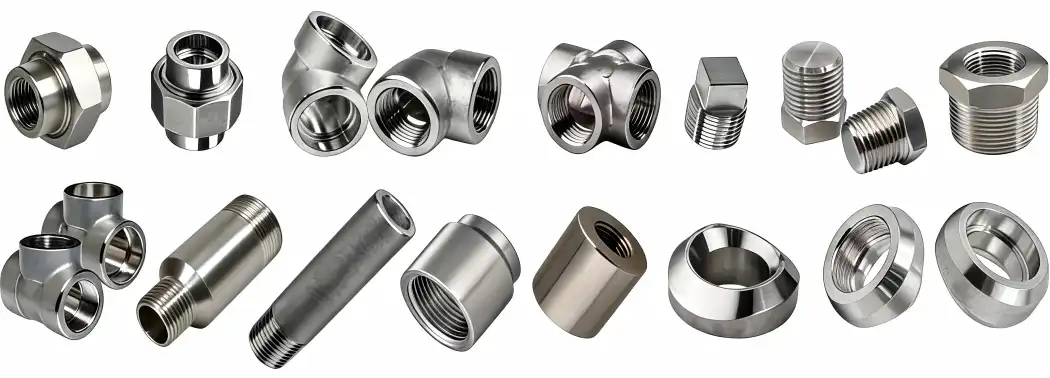
At QinSteel, we specialize in providing high-quality ASME B16.11 316L stainless steel chemical fittings designed for exceptional performance in demanding industrial environments. Our products are manufactured using premium-grade materials to ensure superior corrosion resistance, long-term durability, and reliable operation under harsh chemical exposure. With advanced production techniques and strict quality control, we deliver precision-engineered fittings that fully comply with international standards while also meeting your specific project requirements. As a trusted manufacturer and supplier, we are committed to helping customers build safer and more efficient chemical piping systems. For more information or technical support, contact us at info@sxqinsteel.com and discover how our expertise can benefit your operations.
References
ASME B16.11-2016: Forged Fittings, Socket-Welding and Threaded. American Society of Mechanical Engineers.
Stainless Steels for Design Engineers. ASM International, 2008.
Corrosion of Stainless Steels. John Wiley & Sons, 2016.
Handbook of Stainless Steel. Outokumpu Oyj, 2013.
Chemical Processing Industry Corrosion. NACE International, 2015.
Life Cycle Costing for Engineers. CRC Press, 2010.