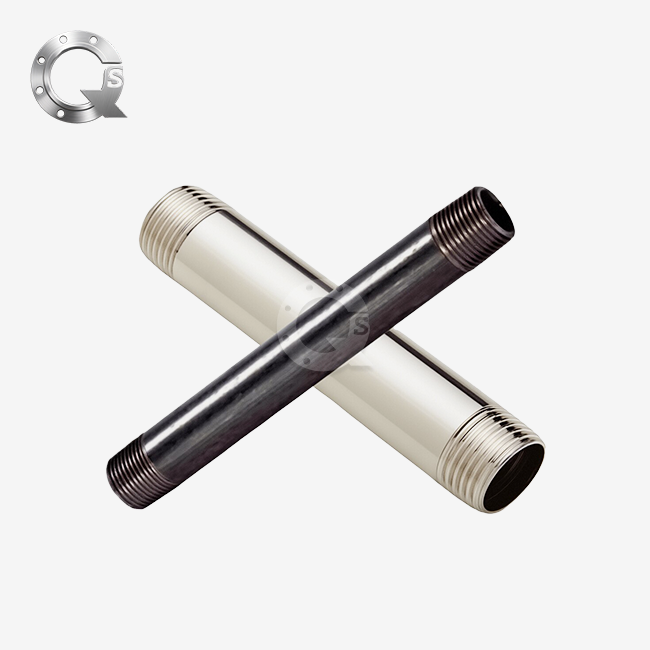
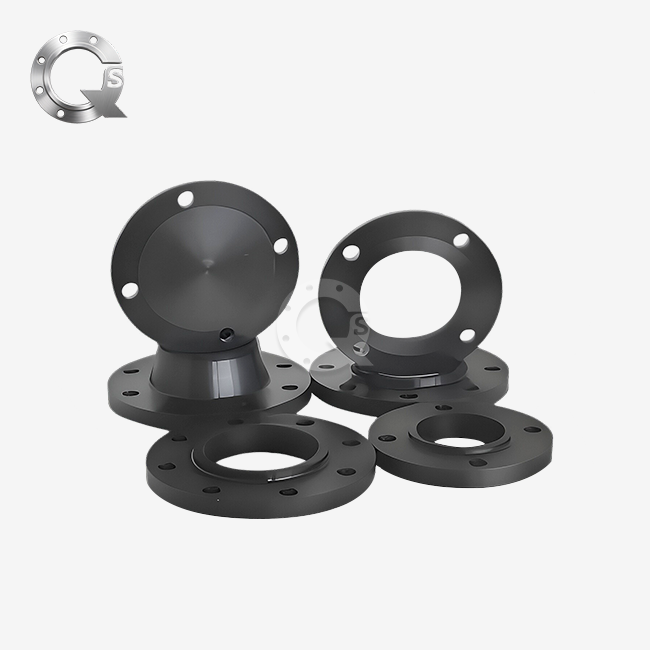
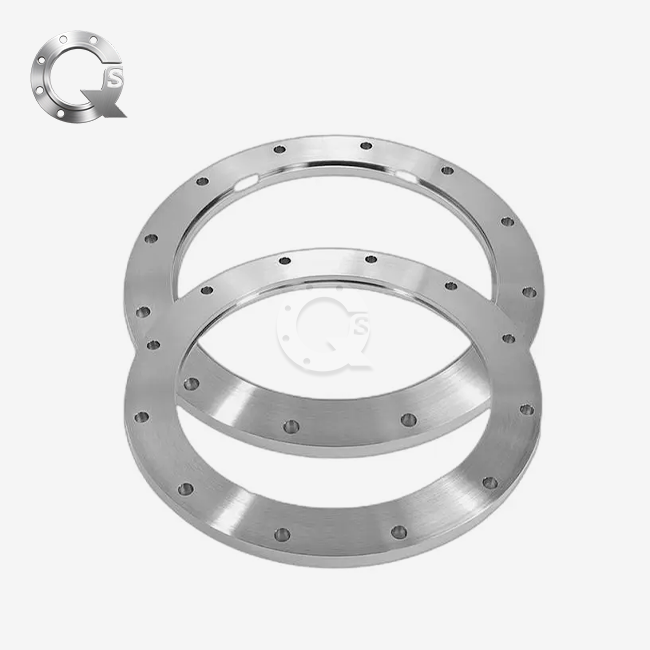
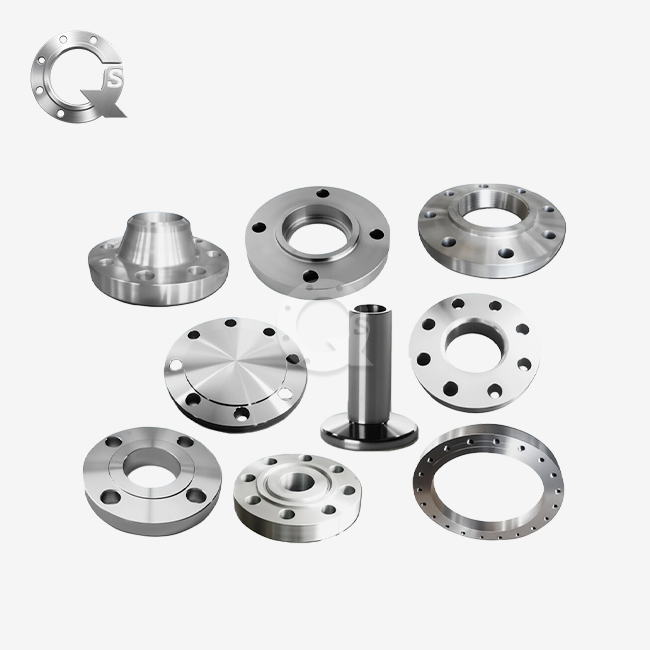
When selecting ASME B16.11 instrumented fittings for your pipeline frameworks, the choice between carbon steel and stainless steel is pivotal. For common instrumented pipelines where cost-effectiveness is a need, ASME B16.11 carbon steel fittings are the go-to alternative. Be that as it may, in destructive situations or applications requiring clean conditions, ASME B16.11 stainless steel fittings are the favored choice. The choice eventually depends on components such as the working environment, liquid properties, and particular industry prerequisites. By carefully considering these perspectives, you can guarantee ideal execution and the life span of your instrumented systems.
Understanding ASME B16.11 Fittings: Carbon Steel vs. Stainless Steel
Composition and Properties of Carbon Steel Fittings
ASME B16.11 carbon steel fittings are essentially made from combinations comprising generally of press and carbon, with controlled amounts of extra components such as manganese, silicon, and sometimes impurities that improve mechanical execution. This combination gives amazing quality, durability, and long-lasting benefits, making carbon steel a down-to-earth choice for numerous mechanical frameworks. These fittings are esteemed for their tall pliable quality, great machinability, and capacity to withstand high temperatures and weights, all while remaining cost-effective. In any case, carbon steel is actually more vulnerable to erosion in muggy or chemically forceful situations, despite the fact that defensive coatings and appropriate upkeep can altogether diminish this risk.
Composition and Properties of Stainless Steel Fittings
ASME B16.11 stainless steel fittings are delivered from iron-based amalgams that contain at slightest 10.5% chromium, and frequently extra components like nickel or molybdenum to assist improve forward execution. The chromium substance shapes a self-healing layer of chromium oxide on the surface, giving stainless steel its uncommon erosion resistance indeed in cruel situations. These fittings also offer a tall strength-to-weight proportion, amazing thermal resistance, and sterile qualities that make them suitable for food handling, pharmaceutical manufacturing, and other sterile applications. Whereas stainless steel fittings are ordinarily more expensive forthright, their toughness and resistance to erosion regularly provide more noteworthy long-term value.
Performance Comparison in Various Applications
When assessing ASME B16.11 stainless steel fittings, it is vital to consider how each material performs in particular working conditions. For common mechanical applications where erosion is not a major concern, carbon steel fittings give a solid and conservative arrangement. In destructive or chemically exposed situations, stainless steel fittings offer vastly better security and unwavering quality. Both materials can handle high temperatures, in spite of the fact that stainless steel may perform more reliably under extreme heat. For businesses requiring strict hygiene—such as nourishment, refreshment, or pharmaceuticals - stainless steel is the favored alternative. In seaward or marine settings, its resistance to saltwater erosion makes stainless steel the prevalent choice.
Factors to Consider When Choosing Between Carbon Steel and Stainless Steel Fittings
Environmental Conditions and Corrosion Resistance
The working environment plays a major part in deciding whether ASME B16.11 carbon steel or stainless steel fittings are more reasonable for a given application. Variables such as dampness levels, introduction to water, and stickiness can essentially accelerate erosion in carbon steel, making it less suitable for moist or damp conditions. Stainless steel, with its improved chemical and corrosive resistance, performs superior in situations including harsh substances or forceful cleaning operators. Whereas both materials endure temperature variances, stainless steel tends to offer prevalent unwavering quality under extraordinary warm or cold. In coastal, marine, or mechanical ranges where air contaminants are displayed, its erosion resistance becomes indeed more important. In spite of the fact that stainless steel fittings require a higher introductory investment, they regularly convey more durability and decreased long-term risk in demanding environments.
Cost Considerations and Long-term Value
Although ASME B16.11 carbon steel fittings offer a lower upfront cost and are frequently engaged for ventures with tight budgets, assessing long-term value is fundamental when selecting materials. Carbon steel may give a conservative arrangement at first, but in situations with high erosion potential, it may require more frequent upkeep, reviews, and possible replacement. These included costs, along with conceivable downtime caused by startling disappointments or wear, can increase the overall lifecycle costs. Stainless steel fittings, which are more costly at the time of purchase, for the most part require less maintenance and have a longer life span. In applications where erosion, chemical presentation, or ceaseless operation are basic, the amplified benefit life of stainless steel can balance its higher initial cost and provide a much better overall return on investment.
Industry-specific Requirements and Standards
Different businesses depend on ASME B16.11 stainless steel fittings beneath shifting working conditions, meaning fabric choice regularly depends on particular administrative, natural, and operational necessities. In the oil and gas division, both carbon steel and stainless steel are utilized, despite the fact that stainless steel is favored for seaward, coastal, or highly corrosive situations. Nourishment and refreshment preparation regularly requires stainless steel due to strict cleanliness and sanitation standards. Chemical preparation offices frequently depend on stainless steel due to its resistance to forceful chemicals. Water treatment frameworks may utilize either fabric depending on water composition and treatment strategies. In the control era, carbon steel is common, but certain high-temperature or specialized applications may require stainless steel. Counseling industry codes and administrative rules guarantee that the chosen fittings meet compliance benchmarks and operational needs.
Best Practices for Selection and Maintenance of ASME B16.11 Fittings
Proper Material Selection Process
To guarantee you select the right ASME B16.11 fitting fabric for your application, follow these steps:
- Analyze the working environment, including temperature, weight, and chemical exposure.
- Consider the liquid or gas being transported and its potential reactivity with the fitting material.
- Review industry benchmarks and controls pertinent to your particular application.
- Consult with specialists or producers to get suggestions based on your requirements.
- Evaluate the cost of proprietorship, including starting speculation, support, and potential replacement costs.
- Consider conducting a pilot test or asking for tests to evaluate execution in your particular conditions.
By taking this precise approach, you can make an educated choice that optimizes execution, compliance, and cost-effectiveness.
Installation and Maintenance Tips for Optimal Performance
Proper establishment and upkeep are vital for maximizing the life expectancy and execution of your ASME B16.11 fittings, regardless of the fabric chosen:
- Follow producer rules for establishment, counting legitimate torque specifications.
- Use fitting instruments and methods to maintain a safe distance from harming the fittings during installation.
- Implement a standard assessment plan to recognize signs of wear, erosion, or leaks.
- Clean fittings frequently, particularly in situations inclined to build-up or contamination.
- For carbon steel fittings, consider applying defensive coatings or medicines to upgrade erosion resistance.
- Maintain legitimate grease for strung fittings to prevent rusting and ensure simple dismantling when needed.
By following these best practices, you can extend the life of your fittings and minimize the risk of framework failures.
Ensuring Compatibility with Other System Components
When selecting ASME B16.11 carbon steel fittings, it's pivotal to consider their compatibility with other components in your system:
- Verify that the chosen fitting fabric is consistent with the channels, valves, and other fittings in your system.
- Consider the potential for galvanic erosion when blending diverse metals in a system.
- Ensure that the weight and temperature evaluations of the fittings coordinate with or surpass those of other framework components.
- Check for any extraordinary necessities related to fixing or association strategies in your particular application.
- Consider the ease of integration with existing frameworks when retrofitting or expanding.
By carefully assessing compatibility components, you can make a cohesive and solid instrumented framework that meets your execution and security requirements.
Conclusion
Choosing between ASME B16.11 carbon steel and stainless steel fittings for instrumented applications requires cautious thought of different components. Whereas carbon steel fittings offer cost-effectiveness for common applications, stainless steel fittings exceed expectations in destructive situations and clean applications. By assessing natural conditions, long-term costs, and industry-specific prerequisites, you can make an educated choice that guarantees ideal execution and life span of your instrumented frameworks. Keep in mind to take after the best practices for choice, establishment, and support to maximize the esteem of your chosen fittings.
FAQs
What are the fundamental contrasts between ASME B16.11 carbon steel and stainless steel fittings?
Carbon steel fittings are more cost-effective and appropriate for common applications, whereas stainless steel fittings offer predominant erosion resistance and are perfect for unforgiving situations or sterile applications.
How do I decide which fabric is best for my particular application?
Consider variables such as working environment, liquid properties, industry measures, and long-term costs. Counsel with specialists or producers for custom fitted recommendations.
Are there any support contrasts between carbon steel and stainless steel fittings?
Carbon steel fittings may require more visit reviews and potential defensive coatings, whereas stainless steel fittings by and large require less support due to their inalienable erosion resistance.
Expert ASME B16.11 Fitting Solutions | QinSteel
At QinSteel, we specialize in providing high-quality ASME B16.11 carbon steel fittings for diverse industrial applications. As a driving producer and provider, we offer both carbon steel and stainless steel choices to meet your particular needs. Our master group can direct you through the choice prepare, guaranteeing you get the idealize fitting for your instrumented frameworks. Contact us at info@sxqinsteel.com to discuss your requirements and experience our commitment to quality and customer satisfaction.

References
ASME B16.11: Forged Fittings, Socket-Welding and Threaded. American Society of Mechanical Engineers, 2016.
Bhadeshia, H.K.D.H. and Honeycombe, R.W.K. "Steels: Microstructure and Properties." Butterworth-Heinemann, 2017.
Revie, R.W. and Uhlig, H.H. "Corrosion and Corrosion Control: An Introduction to Corrosion Science and Engineering." Wiley-Interscience, 2008.
Totten, G.E. "Steel Heat Treatment: Metallurgy and Technologies." CRC Press, 2006.
Handbook of Stainless Steel. Outokumpu Oyj, 2013.
Davis, J.R. "Corrosion of Weldments." ASM International, 2006.