- English
- French
- German
- Portuguese
- Spanish
- Russian
- Japanese
- Korean
- Arabic
- Greek
- German
- Turkish
- Italian
- Danish
- Romanian
- Indonesian
- Czech
- Afrikaans
- Swedish
- Polish
- Basque
- Catalan
- Esperanto
- Hindi
- Lao
- Albanian
- Amharic
- Armenian
- Azerbaijani
- Belarusian
- Bengali
- Bosnian
- Bulgarian
- Cebuano
- Chichewa
- Corsican
- Croatian
- Dutch
- Estonian
- Filipino
- Finnish
- Frisian
- Galician
- Georgian
- Gujarati
- Haitian
- Hausa
- Hawaiian
- Hebrew
- Hmong
- Hungarian
- Icelandic
- Igbo
- Javanese
- Kannada
- Kazakh
- Khmer
- Kurdish
- Kyrgyz
- Latin
- Latvian
- Lithuanian
- Luxembou..
- Macedonian
- Malagasy
- Malay
- Malayalam
- Maltese
- Maori
- Marathi
- Mongolian
- Burmese
- Nepali
- Norwegian
- Pashto
- Persian
- Punjabi
- Serbian
- Sesotho
- Sinhala
- Slovak
- Slovenian
- Somali
- Samoan
- Scots Gaelic
- Shona
- Sindhi
- Sundanese
- Swahili
- Tajik
- Tamil
- Telugu
- Thai
- Ukrainian
- Urdu
- Uzbek
- Vietnamese
- Welsh
- Xhosa
- Yiddish
- Yoruba
- Zulu
How to Select ASME B16.11 Fittings for Chemical Instrumentation Pipelines?
Dec 10 2025
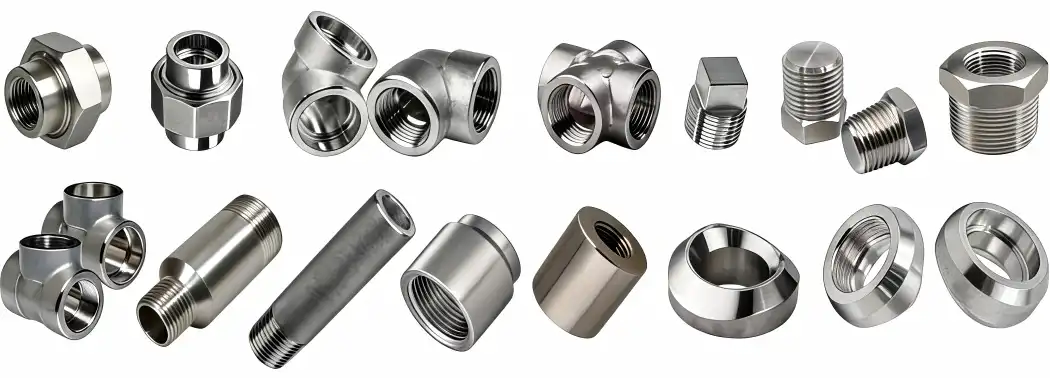
Selecting the right ASME B16.11 chemical instrumentation fittings for pipelines is pivotal for guaranteeing security, effectiveness, and life span in your chemical preparation systems. When choosing these fittings, consider components such as fabric compatibility, weight evaluations, temperature requirements, and erosion resistance. Pick stainless steel (316L) fittings to stand up to destructive media and guarantee fabric compatibility with the measured liquid. Moreover, confirm that the fittings meet ASME B16.11 measures for dimensional precision and execution. By carefully assessing these variables and counseling with experienced providers, you can select the most fitting fittings for your particular chemical instrumentation needs, upgrading the unwavering quality and adequacy of your pipeline systems.
Understanding ASME B16.11 Standards for Chemical Instrumentation Fittings
Overview of ASME B16.11 Standards
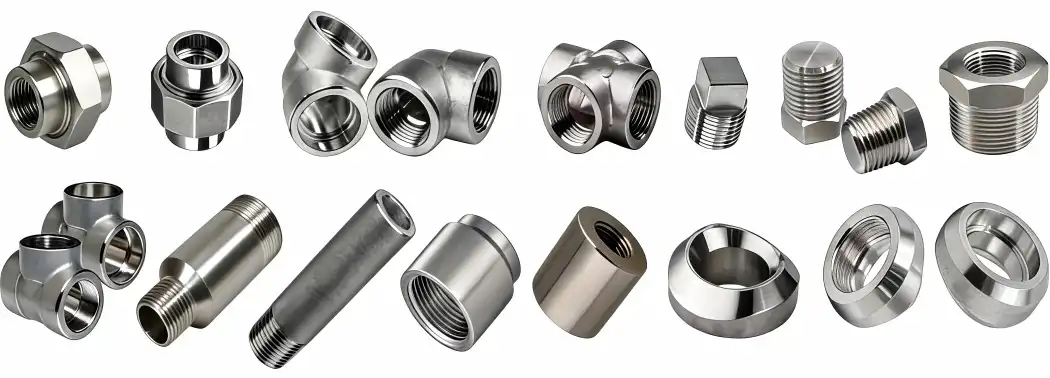
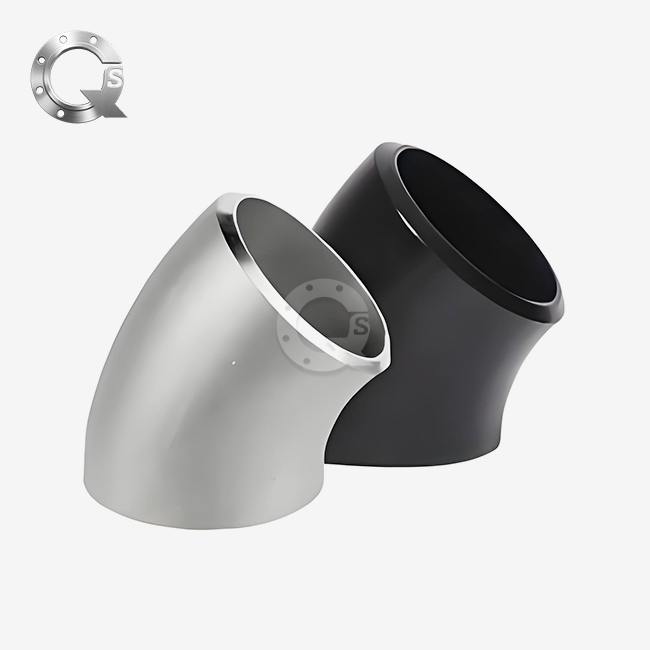
The ASME B16.11 standard plays a crucial part in guaranteeing the secure and dependable use of manufactured steel fittings within high-pressure piping systems, especially those found in chemical instrumented pipelines. It builds up strict rules for measurements, materials, evaluations, and overall execution, permitting producers to deliver fittings that are completely steady and consistent across different production sources. The standard incorporates different fitting sorts, such as attachment welding fittings, strung fittings, and butt-welding fittings, all designed to handle lifted weights and temperatures. Due to these characteristics, ASME B16.11 fittings are broadly trusted in chemical preparation situations where accuracy, toughness, and security are essential.
Importance of Compliance in Chemical Instrumentation
Ensuring full compliance with ASME B16.11 benchmarks is basic when selecting fittings for chemical instrumented pipelines, as these frameworks regularly work beneath exacting security and administrative requirements. Compliance ensures that fittings meet set-up weight and temperature appraisals, lessening the risk of disappointments during operation. Standardized measurements too advance unwavering quality, permitting for consistent compatibility and tradable between components from diverse providers. Additionally, adherence to these guidelines implies that each fitting experiences thorough testing and quality control checks, guaranteeing basic keenness and long-term execution. By choosing ASME B16.11 compliant fittings, engineers can unquestionably plan chemical instrumented frameworks that meet both operational needs and industry regulations.
Key Features of ASME B16.11 Fittings for Chemical Applications
ASME B16.11 chemical instrumentation fittings give a few fundamental preferences that make them especially appropriate for pipelines. Their vigorous high-pressure capability permits them to perform dependably in demanding situations where weight fluctuations are common. They are too outlined to withstand extraordinary temperatures, a significant challenge in chemical preparation operations. When fabricated from materials such as stainless steel 316L, these fittings offer fabulous erosion resistance, extending the life of the fittings indeed in forceful chemical situations. Accuracy machining guarantees tight dimensional tolerances, resulting in secure, leak-free associations. Combined, these highlights make ASME B16.11 fittings a tried and true choice for chemical applications requiring the most extreme security, toughness, and performance.
Key Factors in Selecting ASME B16.11 Fittings for Chemical Instrumentation
Material Compatibility and Corrosion Resistance
When selecting ASME B16.11 fittings for chemical instrumented pipelines, guaranteeing appropriate fabric compatibility is fundamental to ensure long-term framework unwavering quality. The chosen fitting fabric must be able to withstand the destructive characteristics of the chemicals being handled, especially in situations where exposure to forceful liquids or vapors is continuous. Stainless steel 316L is habitually the favored alternative due to its uncommon resistance to corrosion, pitting erosion, and chemical attack. Variables such as the chemical cosmetics of the prepared liquid, working temperature and weight, hazard of galvanic erosion, and the proximity of contaminants must be carefully assessed. Utilizing compatibility charts and counseling specialists makes a difference and guarantees ideal performance.
Pressure and Temperature Ratings
ASME B16.11 fittings are outlined to withstand high pressures and temperatures, but it remains significant to select fittings whose evaluations coordinate or surpass the requirements of your chemical instrumented pipeline. Engineers must consider the most extreme weight limits, anticipated temperature variations, weight drops throughout the framework, and all appropriate security or administrative requirements. These variables altogether impact the long-term keenness and security of the pipeline. Confirming that the chosen fittings’ pressure-temperature evaluations align with both current working conditions and potential changes guarantees that the framework remains steady, leak-free, and compliant with industry measures throughout its benefit life.
Size and Dimensional Accuracy
Proper measuring and dimensional precision are essential for accomplishing leak-free associations and keeping up reliable execution in chemical instrumented pipelines, particularly when applying ASME B16.11 chemical instrumentation fitting. ASME B16.11 guidelines provide layout nitty-gritty dimensional details for distinctive fitting sorts, ensuring compatibility with different pipe sizes and plans. When selecting fittings, components such as pipe distance across, conclusion association type—whether strung, attachment weld, or butt weld—wall thickness necessities, and admissible dimensional resiliences must all be considered. Guaranteeing dimensional exactness makes a difference in anticipating establishment issues such as misalignment or lacking fixing, diminishing the probability of spills or inefficient aspects of the framework. Exact measuring eventually contributes to more secure and more dependable chemical instrumented operations.
Best Practices for Implementing ASME B16.11 Fittings in Chemical Instrumentation Pipelines
Proper Installation Techniques
Correct establishment of ASME B16.11 fittings is fundamental to guarantee the security, productivity, and long-term unwavering quality of chemical instrumented pipelines. Some time recently starting establishment, all fitting surfaces ought to be altogether cleaned and reviewed to evacuate flotsam and jetsam or contaminants that seem to compromise fixing execution. Utilizing the appropriate instruments and following the suggested torque values for strung associations makes a difference in preventing overtightening or string harm. For socket-weld and butt-weld fittings, qualified welders must perform the work to guarantee high-quality joints. Legitimate arrangement of all components decreases mechanical stretch and avoids untimely disappointment. At last, conducting comprehensive weight tests confirms that the establishment is leak-free and prepared for operation.
Maintenance and Inspection Protocols
Regular upkeep and orderly review of ASME B16.11 fittings play an imperative part in guaranteeing the long-term security and unwavering quality of chemical instrumented pipelines. Setting up a reliable assessment plan based on natural variables, working weights, and administrative necessities permits early identification of issues. Amid visual checks, specialists ought to look for erosion, surface wear, distortion, or other signs of disintegration. Intermittent spill testing makes a difference in recognizing covered-up issues that may not be noticeable remotely. Checking fitting execution over time and replacing components when necessary encourages upgrade framework keenness. Keeping precise records of all support exercises underpins traceability and helps in arranging future preventive measures.
Ensuring Compliance with Industry Standards
Ensuring compliance with industry guidelines is vital when selecting and executing ASME B16.11 chemical instrumentation fittings. Remaining overhauled on corrections to ASME B16.11 and related benchmarks guarantees that the framework remains adjusted with current designing and security requirements. Working with legitimate providers who give certified fittings makes a difference, ensuring fabric quality and execution. Keeping up exhaustive documentation of details, certifications, and establishment records fortifies traceability and review availability. Conducting intermittent inside or third-party reviews confirms continuous compliance, whereas preparing staff fortifies mindfulness of benchmarks and appropriate handling methods. Prioritizing compliance eventually progresses framework security, unwavering quality, and operational consistency.
Conclusion
Selecting the right ASME B16.11 fittings for chemical instrumented pipelines is a basic process that requires careful assessment of different specialized variables. By completely understanding the prerequisites laid out in ASME B16.11 benchmarks and surveying key considerations such as material compatibility, weight and temperature evaluations, and dimensional precision, engineers can make educated choices that altogether move forward framework security, efficiency, and long-term execution. Legitimately chosen fittings offer assistance to minimize operational dangers, decrease support needs, and guarantee consistent integration within complex chemical preparation situations. Moreover, actualizing best practices related to establishment, schedule upkeep, and administrative compliance enhances the strength and unwavering quality of the whole pipeline foundation. It is continuously advantageous to counsel learned providers and industry specialists to guarantee that each fitting choice aligns with the unique requests of your chemical instrumented application.
FAQs
What are the primary benefits of using ASME B16.11 fittings in chemical instrumentation pipelines?
ASME B16.11 fittings offer high-pressure capability, temperature resistance, corrosion resistance, and precision manufacturing, making them ideal for chemical instrumentation applications.
How often should ASME B16.11 fittings be inspected in chemical instrumentation systems?
Inspection frequency depends on operating conditions and regulatory requirements, but generally, a routine inspection schedule should be established, with visual checks performed regularly and more thorough inspections conducted periodically.
Can ASME B16.11 fittings be used in all types of chemical processes?
While ASME B16.11 fittings are versatile, it's essential to verify material compatibility with the specific chemicals in your process. Stainless steel 316L is commonly used for its corrosion resistance, but consultation with experts is recommended for optimal selection.
Choose Quality ASME B16.11 Fittings for Your Chemical Instrumentation Pipelines | QinSteel
At QinSteel, we specialize in providing high-quality ASME B16.11 chemical instrumentation fittings. As a leading manufacturer and supplier, we offer a comprehensive range of fittings that meet the most stringent industry standards. Our expert team can help you select the perfect fittings for your specific application, ensuring optimal performance and longevity. Contact us at info@sxqinsteel.com to discuss your chemical instrumentation fitting needs and experience our commitment to excellence.
References
American Society of Mechanical Engineers. (2017). ASME B16.11-2016: Forged Fittings, Socket-Welding and Threaded. New York, NY: ASME.
Nayyar, M. L. (2000). Piping Handbook (7th ed.). McGraw-Hill Education.
Smith, P. (2018). Valve Selection Handbook: Engineering Fundamentals for Selecting the Right Valve Design for Every Industrial Flow Application (6th ed.). Gulf Professional Publishing.
Antaki, G. A. (2003). Piping and Pipeline Engineering: Design, Construction, Maintenance, Integrity, and Repair. CRC Press.
American Petroleum Institute. (2018). API 570: Piping Inspection Code: In-service Inspection, Rating, Repair, and Alteration of Piping Systems (4th ed.). Washington, D.C.: API Publishing Services.
Becht, C. (2019). Process Piping: The Complete Guide to ASME B31.3 (4th ed.). ASME Press.
Learn about our latest products and discounts through SMS or email