- English
- French
- German
- Portuguese
- Spanish
- Russian
- Japanese
- Korean
- Arabic
- Greek
- German
- Turkish
- Italian
- Danish
- Romanian
- Indonesian
- Czech
- Afrikaans
- Swedish
- Polish
- Basque
- Catalan
- Esperanto
- Hindi
- Lao
- Albanian
- Amharic
- Armenian
- Azerbaijani
- Belarusian
- Bengali
- Bosnian
- Bulgarian
- Cebuano
- Chichewa
- Corsican
- Croatian
- Dutch
- Estonian
- Filipino
- Finnish
- Frisian
- Galician
- Georgian
- Gujarati
- Haitian
- Hausa
- Hawaiian
- Hebrew
- Hmong
- Hungarian
- Icelandic
- Igbo
- Javanese
- Kannada
- Kazakh
- Khmer
- Kurdish
- Kyrgyz
- Latin
- Latvian
- Lithuanian
- Luxembou..
- Macedonian
- Malagasy
- Malay
- Malayalam
- Maltese
- Maori
- Marathi
- Mongolian
- Burmese
- Nepali
- Norwegian
- Pashto
- Persian
- Punjabi
- Serbian
- Sesotho
- Sinhala
- Slovak
- Slovenian
- Somali
- Samoan
- Scots Gaelic
- Shona
- Sindhi
- Sundanese
- Swahili
- Tajik
- Tamil
- Telugu
- Thai
- Ukrainian
- Urdu
- Uzbek
- Vietnamese
- Welsh
- Xhosa
- Yiddish
- Yoruba
- Zulu
Why Socket Weld Flanges Are Ideal for High Pressure Pipelines?
Jan 13 2026
Because of how they are made, SW socket weld flanges are the best choice for high-pressure pipeline uses because they are both very strong and very resistant to leaks. The deep hole in these flanges lets you enter a pipe and then fillet weld it, making a strong joint that can withstand high pressures up to CLASS 2500 while still keeping its structural integrity. Because they can handle shaking, temperature changing, and changes in pressure, these parts are essential in high-stakes manufacturing settings where system stability can't be compromised.

Understanding Socket Weld Flanges and Their Role in High Pressure Systems
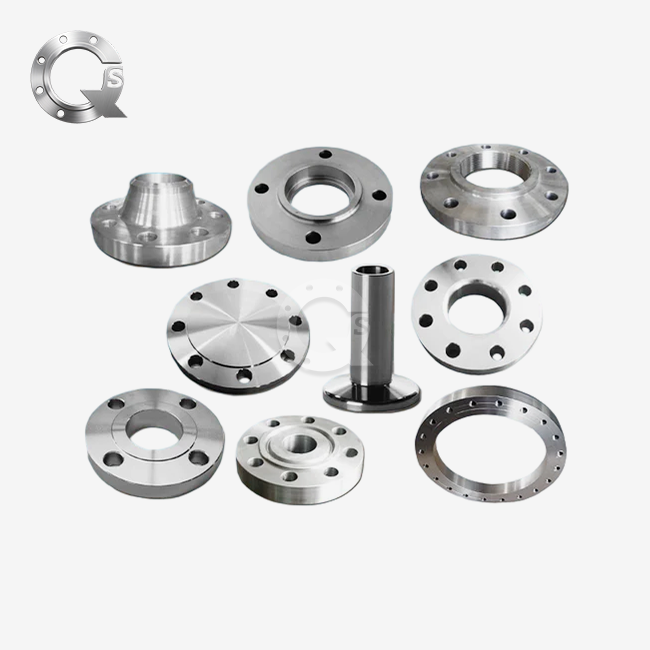
When it comes to high-pressure pipe systems in many different industries, socket weld flanges are an advanced engineering answer that meets all of their needs. The hollow hub design of these parts makes it possible for pipes to be put into the socket and then fastened through fillet welding. This makes the joint connection very strong and reliable.
Design Architecture and Construction Features
The basic structure of socket weld flanges includes a carefully designed socket depth that fits standard pipe sizes and allows for the best weld entry. In terms of mechanics, this sunken design is better than regular flange designs in a number of ways, such as better stress distribution and higher resistance to wear cycles. The shape of the socket makes a natural alignment guide that makes fitting easier and keeps the pipe in the exact same place during the welding process.
Precision cutting of forged blocks made from high-quality materials like ASTM A105 carbon steel, A182 F304/F316 stainless steel, and special alloys like F51, F53, and F55 duplex grades is usually used to make these flanges. These materials were chosen because they can work in certain situations, such as high and low temperatures, toxic surroundings, and long-term high pressure loads.
Material Selection and Performance Characteristics
A105 carbon steel socket weld flanges are very strong and can be used in a wide range of industrial settings. A350 LF2 types, on the other hand, work better at low temperatures and are better for use in cold environments. Stainless steel types like A182 F304 and F316 are very good at resisting rust in chemical processing settings. This makes them perfect for petroleum plants and chemical factories.
The pressure grade of socket weld flanges is directly related to the choice of the right materials. Pressure classes in imperial units range from 150 to 2500, and pressure grades in metric units run from PN 6 to PN 400. This wide range of pressures can be used for a lot of different things, from low-pressure water systems to ultra-high-pressure oil and gas transportation pipes.
Why Socket Weld Flanges Excel in High Pressure Pipeline Applications?
There are many problems that can happen when operating high-pressure piping systems that can affect their safety, efficiency, and long-term dependability. When flanges are loaded and unloaded over and over, traditional designs often have problems like seal blowout, bolt stress concentration, and joint degradation over time. Socket weld flanges solve these basic problems with a new way of designing that focuses on structural stability and operating robustness.
Enhanced Joint Strength and Stress Distribution
The form of the socket weld makes a continuous load line that spreads mechanical pressures more evenly throughout the joint assembly. Slip-on flanges depend mostly on the weld at the flange face. Socket welds, on the other hand, use both the socket fillet weld and the pipe-to-flange contact. This makes two sets of load lines that make the joint more reliable overall. This two-weld design cuts down on stress concentration factors that often cause things to fail too soon in high-pressure situations.
When socket weld flanges are fitted correctly, they always achieve strength levels that are higher than 1.5 times their maximum pressure capacity. This safety cushion is very important for protecting against pressure spikes, heat expansion loads, and other types of dynamic loading that are typical in industrial pipeline systems.
Vibration Resistance and Dynamic Performance
In industrial settings, pipeline systems are often subject to heavy vibration loads from moving parts, turbulent fluids, and mechanical disturbances from outside the system. Because the joints are so small and the socket fit makes them mechanically connect, socket weld flanges are better at resisting shaking. The sunken form reduces the effective moment arm for stresses caused by vibrations, and the fillet weld shape gives great wear protection when loads are applied in cycles.
Performance data from petroleum plants shows that SW socket weld flanges last longer than threaded or slip-on options when they are exposed to constant shaking. This increased durability directly leads to less repair needs and higher working efficiency for important pipeline systems.
Making the Right Choice: Socket Weld Flange vs Alternative Flanges
Choosing the right type of flange for high-pressure uses takes a close look at a number of technical and financial factors. Different types of flanges have different pros and cons that need to be thought about in the context of working needs, fitting limits, and expected long-term performance.
Comparative Analysis of Flange Performance
Although there are many types of flanges, socket weld flanges are one of the best because they have benefits that make them ideal for mild to high-pressure uses. When compared to slip-on flanges, socket welds offer much better joint strength and lower leaking risk because they have two welds in one place and a better closing contact. The socket design gets rid of the space between slip-on flanges and pipes, which makes the flow better and less turbulent.
Even though threaded flanges are easier to install, they can't handle as much pressure as socket welds and their threads can break down under high stress. When a part fails in a situation where terrible things could happen, socket welding makes the mechanical link stronger and more reliable.
Application-Specific Selection Criteria
Often, the choice between socket weld flanges and other options like weld necks relies on the application's pressure needs and pipe size limits. Weld neck flanges work great in situations with very high pressure and big diameters where strength is very important. But socket welds are much better for smaller diameter systems that don't need the full power of weld neck flanges and don't have a lot of room for fitting.
Cost is another factor that affects the choice of flange. Although socket weld flanges are more expensive than weld neck options, they usually offer a good mix between performance and cost. They are much stronger than slip-on designs and less expensive overall. Socket welds make the installation process easier, which can lower total project costs even more by cutting down on the need for labor and shortening installation times.

Procurement Guide for Socket Weld Flanges in B2B Context
To buy socket weld flanges successfully, you need to know a lot about the technical requirements, quality standards, and provider skills. Industrial sellers have to deal with a lot of complicated requirements, such as material licenses, measurement limits, pressure testing methods, and delivery schedules. They also have to keep costs low and make sure they can rely on their suppliers in the long run.
Quality Standards and Certification Requirements
Asme B16.5, B16.36, and B16.47 are some of the international standards that set strict rules for the design, materials, and testing of socket weld flanges. The API 6B and API 605 guidelines give more details for oil and gas uses, while EN 1092-1 and JIS B2220 cover the needs of the European and Asian markets, respectively. To make sure the product meets the needs of the project, the procurement specs must clearly state the standards that apply and the certifications that are needed.
Material tracking paperwork for SW flanges, such as mill test records, chemical analysis reports, and checks of mechanical properties, is important for making sure the quality of key uses. Third-party inspection services can make sure that the dimensions are correct, the surface finish is good, and the pressure tests are done correctly before the shipment. This lowers the risk of problems during installation and makes sure that the project stays on schedule.
Supplier Evaluation and Selection Process
An effective supplier review takes many things into account, such as the supplier's ability to manufacture, the approval of their quality system, how well they deliver, and their expert support services. Leading makers keep full testing facilities with non-destructive testing tools, pressure testing gear, and material verification systems to make sure that product quality stays consistent and that they follow all regulations.
When working on foreign projects that need standard goods to be delivered in different places, thinking about the global supply chain becomes more and more important. Suppliers that can make things in more than one area and offer organized transportation services can make the buying process easier while still making sure that quality standards and delivery times are met consistently.
QinSteel Solutions for High Pressure Pipeline Systems
QinSteel blends 20 years of technical experience with cutting edge production skills to provide high-quality socket weld joint options for tough high-pressure pipeline uses. Our wide range of products includes all socket weld setups, such as RF, FF, RTJ, M&F, and T&G face types. All of these are made to meet strict international quality and safety standards.
Advanced Manufacturing and Quality Assurance
Precision cutting methods used in our factories allow for measurement limits of ±0.1mm, which means that important pipeline uses can be sure of perfect alignment and less noise. Each socket weld flange goes through a thorough quality check that includes measuring it 100% of the way, trying it without damaging it, and putting it under pressure up to 1.5 times its stated capacity to make sure it won't leak even in the harshest circumstances.
Material quality is still at the heart of our product mindset. A105 carbon steel, A350 LF2 low-temperature grades, and corrosion-resistant alloys like A182 F304, F316, F51, F53, and F55 are just some of the high-quality products we keep in stock. We make sure that all of our products meet all world standards, such as ASME B16.5, API 6A, EN 1092-1, and JIS B2220. This is true whether your project needs standard materials or rare metals for specific uses.
Comprehensive Service and Support Capabilities
Our engineering team offers expert advice that helps you choose the best flanges for your needs while also making sure you follow all the rules and codes that apply. We can meet even the most difficult application needs with our custom change services, which include special finishes, non-standard sizes, and special material needs.
70% of normal orders ship within 48 hours, even for large amounts, thanks to global transportation powers that make delivery reliable. Our goods are covered with coats that stop rust and sent in steel-reinforced boxes made for safe international shipping under EXW, FOB, or DDP terms to make the process of buying easier.
Conclusion
When it comes to high-pressure pipeline uses, socket weld flanges are the best choice because they have the best joint strength, shock protection, and fitting speed. When compared to more complicated options, their dual-weld design makes them very reliable while still being cost-effective. The wide range of materials, pressure grades, and face shapes makes it possible to meet the needs of a wide range of industries, from oil and gas transportation to chemical processing and power production. If you choose and install these flanges correctly, they will give your important pipeline systems the performance and dependability they need to work in tough circumstances.
FAQs
What kinds of pressures can socket weld flanges handle?
Socket weld flanges are made in pressure classes from 150 to 2500 according to ASME standards. This is the same as PN 6 through PN 400 according to metric standards. The real pressure number is based on the type of material, the temperature at which it will be used, and the design needs of the application.
In what ways do socket weld and slip-on flanges vary in how they are installed?
To place a socket weld, you have to put the pipe into the hollow socket and then fillet weld around the outside. Slip-on flanges are different because the pipe goes through the flange hole and is sealed on both sides. The plug shape makes it easier to line up and gets rid of the gap that forms inside slip-on installs.
Are socket weld flanges made of stainless steel good for places that are corrosive?
Chemical handling uses stainless steel types like A182 F304 and F316, which are very resistant to rust. Duplex grades F51, F53, and F55 offer better strength and rust protection for harsh working situations. Grade F316 is better at resisting salt environments.
What standards are used to make socket weld flanges?
International standards like ASME B16.5, API 6B, BS 4504, EN 1092-1, JIS B2220, and MSS SP-44 are used to make socket weld flanges. Which guideline applies relies on where the project is located, what business it is in, and what its unique needs are.
What range of sizes do socket weld flanges come in?
Sizes of standard socket weld flanges range from 1/2 inch to 60 inches in diameter. Custom production may be able to make bigger sizes, but it depends on the needs of the job and the design standards that apply.
Partner with QinSteel for Superior SW Socket Weld Flanges
Our wide selection of SW socket weld flanges is ready to help you with your high-pressure pipeline projects. These flanges are made to work very well and be reliable. Our skilled engineers can help you choose the best flanges for your needs, and our GMP-certified factories make sure that the quality always meets foreign standards like API 6A, PED, and ADNOC certifications. Email our experts at info@sxqinsteel.com to talk about your particular needs, get technical specs, or set up a free review. As a reliable provider of SW socket weld flanges, we offer low prices, fast shipping, and full OEM/ODM services that make the buying process easier and guarantee the success of your project.

References
American Society of Mechanical Engineers. "ASME B16.5 Pipe Flanges and Flanged Fittings: NPS 1/2 Through NPS 24 Metric/Inch Standard." 2020 Edition.
American Petroleum Institute. "API Specification 6A: Specification for Wellhead and Christmas Tree Equipment." 21st Edition, 2018.
European Committee for Standardization. "EN 1092-1: Flanges and their joints - Circular flanges for pipes, valves, fittings and accessories, PN designated - Part 1: Steel flanges." 2018.
Bickford, John H. "Gaskets and Gasketed Joints, Second Edition." Marcel Dekker, Inc., 1998.
Megyesy, Eugene F. "Pressure Vessel Handbook, 15th Edition." Pressure Vessel Publishing, Inc., 2013.
Nayyar, Mohinder L. "Piping Handbook, 8th Edition." McGraw-Hill Education, 2019.
Learn about our latest products and discounts through SMS or email