- English
- French
- German
- Portuguese
- Spanish
- Russian
- Japanese
- Korean
- Arabic
- Greek
- German
- Turkish
- Italian
- Danish
- Romanian
- Indonesian
- Czech
- Afrikaans
- Swedish
- Polish
- Basque
- Catalan
- Esperanto
- Hindi
- Lao
- Albanian
- Amharic
- Armenian
- Azerbaijani
- Belarusian
- Bengali
- Bosnian
- Bulgarian
- Cebuano
- Chichewa
- Corsican
- Croatian
- Dutch
- Estonian
- Filipino
- Finnish
- Frisian
- Galician
- Georgian
- Gujarati
- Haitian
- Hausa
- Hawaiian
- Hebrew
- Hmong
- Hungarian
- Icelandic
- Igbo
- Javanese
- Kannada
- Kazakh
- Khmer
- Kurdish
- Kyrgyz
- Latin
- Latvian
- Lithuanian
- Luxembou..
- Macedonian
- Malagasy
- Malay
- Malayalam
- Maltese
- Maori
- Marathi
- Mongolian
- Burmese
- Nepali
- Norwegian
- Pashto
- Persian
- Punjabi
- Serbian
- Sesotho
- Sinhala
- Slovak
- Slovenian
- Somali
- Samoan
- Scots Gaelic
- Shona
- Sindhi
- Sundanese
- Swahili
- Tajik
- Tamil
- Telugu
- Thai
- Ukrainian
- Urdu
- Uzbek
- Vietnamese
- Welsh
- Xhosa
- Yiddish
- Yoruba
- Zulu
Why Ring Joint Face Flanges Are Used in High Pressure Service?
Jan 13 2026
Ring joint face flanges are designed to work well with high pressure because they have precise holes and metal covers that make the best metal-to-metal seals. For oil, gas, and industrial systems where leak-tight performance is crucial for safety and operating efficiency, ring joint face flanges are superior to raised face or flat face flanges because they remove gasket blowout risks under high pressures up to 2500lb.

Understanding Ring Joint Face Flanges and Their Role in High Pressure Environments
Ring joint face flanges are a special kind of industrial sealing part that has changed the way high-pressure uses are done in many fields. These flanges have precisely cut holes that are made to fit metallic ring gaskets. This makes for a very strong closing system that can handle harsh operating conditions.
Structural Design and Configuration
The main idea behind ring joint technology is that the flange sides and a special seal should be able to touch metal to metal. As required by ASME B16.5 and API 6A standards, the groove shape must adhere to strict measurement limits. This makes sure that performance is the same across all makers. This gap can fit either oval or octagonal cross-section seals, and each has its own benefits based on the needs of the application.
For these lines to be machined with the accuracy they need, new manufacturing techniques and quality control measures are needed. To make sure the gasket compresses properly and seals well, each groove must stay the same size. Ra values of 3.2 micrometers or higher are usually needed for the surface finish in the groove area. This helps the seal work best when there is a lot of pressure.
Material Selection and Performance Characteristics
Choosing the right material is very important for how well RTJ flanges work in harsh settings over time. ASTM A105 carbon steel is still the most common material used in general high-pressure situations. It has a great strength-to-cost ratio and has been shown to be reliable at pressures from 150lb to 2500lb.
As an example, types of stainless steel like A182 F304 and F316 are better at resisting rust in acidic, salt, or marine conditions. The austenitic structure of these materials keeps them flexible at low temperatures and makes them more resistant to stress corrosion cracking. This makes them perfect for use in chemical processing and marine environments.
Alloy steels, like A350 LF2, are made to work at very low temperatures, below -46°C, where carbon steel starts to crack. Specialized heat treatments are used on these materials to make them tough enough to withstand impacts while still being strong enough for high-pressure use.
Why Ring Joint Face Flanges Are Ideal for High Pressure Service?
RTJ flanges are better than other types of flanges in high-pressure situations because they have a special way of closing and are stronger overall. Knowing about these benefits helps explain why businesses keep picking this technology for important tasks.
Advanced Sealing Technology
Numerous failure modes related to soft gasket materials are eliminated by the metal-to-metal binding concept used by ring joint flanges. When fitted correctly, the metal ring seal slightly bends when the bolt is tightened, making close contact with both flange holes. This displacement is within the elastic range of the gasket material, so the closing force stays the same over time.
When there is a lot of pressure inside, the pressure actually makes the closing work better by pressing the gasket more tightly into the holes. RTJ flanges are different from raised face designs because they can self-energize. With raised face designs, rising pressure tends to split the flange faces, which could weaken the seal.
Pressure Rating Advantages
Every day, standard RTJ flanges like ring joint flanges handle forces that would destroy other designs in a catastrophic way. For most normal uses, the 2500lb pressure class is the highest level that can be used. However, some special designs can handle even higher pressures when needed. This pressure capability comes from the ring gasket's spread loading pattern, which gets rid of stress clusters that are a problem with flat gasket designs.
Since RTJ flanges have these benefits, they are suitable for use in high-pressure service:
- Gasket blowout is not an issue because the restricted gasket design stops the catastrophic failure modes that happen with spiral wound or composite gaskets.
- Metal seals keep their closing qualities across a wide range of temperatures without losing any of them.
- Less upkeep is needed because the strong design reduces the chance of leaks, which lowers the number of inspections and maintenance costs.
- Better safety margins: the expected failure mode lets you know ahead of time through small leaks instead of a sudden catastrophic failure
These benefits immediately lead to safer operations and lower costs over the lifetime of high-pressure systems. The initial investment in RTJ technology pays off with less downtime, lower upkeep costs, and a more reliable system.
Performance in Harsh Environments
In chemical processing, underwater drilling, and refineries, flanges are put under high pressure, very high temperatures, and toxic media that make it hard for standard sealing technologies to work. RTJ flanges work well in these conditions because they are naturally resistant to chemical and temperature changes.
The metallic seal materials can be chosen to match or beat the rust resistance of the flange materials. This makes sure that the whole system works the same way. This similarity between the materials stops galvanic rusting and keeps the seals intact even in harsh chemical conditions.
Installing and Maintaining Ring Joint Face Flanges for Optimal Performance
RTJ bolt technology can only be used to its full potential if it is installed and maintained correctly. To make sure these steps work perfectly for the whole working life, you need to know a lot about them and pay close attention to the details.
Installation Best Practices
Before starting to put something, all of its parts are carefully checked to make sure they are the right size and in good shape. The groove sides must not have any nicks, scratches, or rust that could make the closing less effective. Any flaws need to be fixed by a professional or parts need to be replaced before the assembly can continue.
Care must be taken when choosing and handling gaskets so that they don't get damaged during fitting. Both the process media and the base materials must be able to work with the seal material. Because they can handle less bolt load, oval gaskets are usually better for new installs. Octagonal gaskets, on the other hand, may be used for higher pressure situations or retrofits.
To make sure that the seal is compressed evenly, the bolt force must be applied in a certain way and at a certain number. The cross-pattern tightening process spreads the loads out fairly, which keeps the gasket from distorting or compressing unevenly. When figuring out torque values, they need to take into account the type of bolt, how well it is oiled, and the goal stress levels that are set by relevant standards.
Maintenance and Inspection Protocols
As part of regular inspections for ring joint face flanges, the outside of the flange should be looked at visually for signs of leaks, rust, or mechanical damage. Any sign of a leak needs to be fixed right away to keep the system from getting contaminated or putting people in danger. How often a check is done relies on how important the program is and how it is being used.
During planned repair shutdowns, a close look at the groove surfaces and seal state tells you a lot about how well the system is working. Groove wear patterns can show problems with misalignment or too much heat cycle that may need to be fixed. Checking the state of a gasket helps you figure out how long it will last and when to replace it.
By writing down what was found during inspections and maintenance tasks, you can make a useful library that can be used to improve future maintenance plans and find ways to make the system work better. This information is especially useful for studying how to make things more reliable and how to cut costs.
Choosing the Right Ring Joint Face Flange for Your Application
To choose the best RTJ flange design, you need to carefully consider a number of things, such as the working conditions, the fit of the materials, and the rules and regulations. The way this system is chosen has a direct effect on its performance, safety, and lifetime costs.
Engineering Considerations
The basic standards for choosing a flange class and material are set by the pressure and temperature conditions. The pressure number needs to include enough of a safety cushion above the highest working pressure. Temperature affects the qualities of the material and the amounts of thermal stress. When things are cyclical, they need to be especially resistant to wear and compatible with temperature growth.
Fluid compatibility analysis makes sure that all materials that get wet don't rust or break down in the process media. This study needs to look at more than just steady-state situations. It also needs to look at starting, shutdown, and upset situations that could put the system in different chemical environments or cause temperature changes.
Standard Compliance and Certification
International standards like ASME B16.5, B16.47, API 6A, and EN1092-1 lay the scientific groundwork for designing and making flanges. These standards spell out limits for sizes, materials needed, pressure-temperature ratings, and testing methods that make sure that products from different sources and uses work the same way.
Different industries and uses have different certification needs. For important services, you may need extra paperwork like material test certificates, measurement inspection records, and pressure test certifications. For pipeline uses, API 6A PSL (Product Specification Level) approval may be needed, and for nuclear uses, ASME Section III requirements must be met.
Procurement Strategies
Good buying strategies balance the original cost with the value over the product's lifetime, taking into account things like shipping times, quality standards, and the supplier's abilities. Because lead times for specialty materials or custom designs can have a big effect on project schedules, it's important to plan early on how to buy things for complicated tasks.
When evaluating a supplier for ring joint flanges, you should look at their industrial skills, quality processes, and expert help resources. Small price differences between providers aren't always more important than being able to offer tech help, unique solutions, and quick customer service.
Our Expertise in Ring Joint Face Flanges
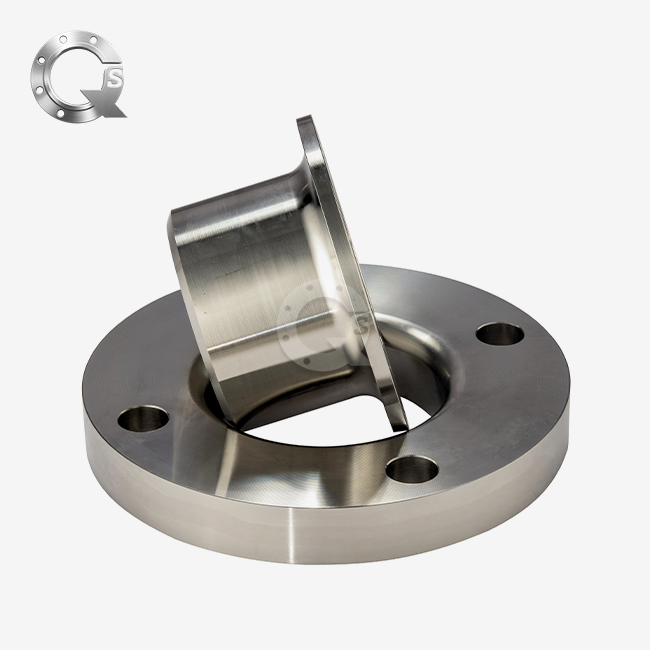
QinSteel has been in the business for 20 years and has become a world leader in providing precision-engineered RTJ flanges for important uses in the oil and gas, petrochemical, and heavy industries. We offer a wide range of products that include all the main types of flanges, such as Slip-On, Socket Welding, Blind, Threaded, Lapped, Spectacle Blind, and Orifice.
Manufacturing Excellence and Quality Assurance
Our production sites are GMP-certified and use high-tech machine centers and precise measuring tools to make sure they always meet international standards. As required by ASME B16.20, each flange is put through a full set of quality tests. These include ultrasound testing, magnetic particle testing, and pressure testing up to 1.5 times the maximum capacity.
Material tracking systems keep track of every part from the time the raw materials are received until they are delivered to the end destination. This gives important applications full paperwork. Our quality management system keeps its ISO 9001 approval and meets the needs of API Q1 for oil and gas uses.
Global Supply Chain Capabilities
Strategic warehouse sites in Houston, Dubai, and Rotterdam make it possible to respond quickly to pressing project needs while keeping transportation costs low. Our inventory management system keeps over 30% of popular setups in finished stock. This cuts shipping times for standard goods by a huge amount.
Custom production lets you meet the specific needs of a project, such as non-standard sizes, special materials, and changed groove shapes. During the planning and definition process, our engineering team offers expert help to make sure that the best solutions are found for difficult situations.
QinSteel is a valued partner for big EPC contractors, plant operators, and industrial facility owners around the world because they are good at production, have global transportation skills, and provide quick customer service. Because we care about quality and dependability, we make sure that every job gets the help of professionals and tried-and-true closing technology.
Conclusion
Ring joint face flanges are the best way to seal things under high pressure because they are very reliable and offer extra safety in harsh industrial settings. Their metal-to-metal closing system gets rid of common failure modes and keeps performance stable over a wide range of temperatures. Investing in RTJ technology pays off in the long run by lowering upkeep costs, making things safer, and making sure they work more reliably. RTJ flanges are still the best choice for important sealing jobs where failure is not an option, even as industries continue to push the limits of what they can do with higher pressures and more active media.
FAQs
What's the difference between high face flanges and ring joints?
Ring joint flanges have metal covers that fit into holes that have been carefully polished. This makes metal-to-metal rings that can handle up to 2500lb of pressure. Because they use soft seals that are squeezed between flat surfaces, raised face flanges can only handle about 600lb class of pressure. The RTJ design gets rid of the risk of gasket blowout and makes closing more reliable in high-pressure situations.
How do I figure out what pressure number I need for my job?
To choose a pressure grade, you have to look at the highest working pressure, the temperature, and the safety factors that are required by the rules that apply. The pressure class of the plate must be higher than the maximum working pressure by a sufficient range, which is usually 1.5 to 2.0 times, but this depends on the needs of the service. When choosing the right pressure values, you must also think about how temperature affects the strength of the material.
Can ring joint flanges be changed to fit specific needs?
Yes, custom RTJ flanges can work with non-standard sizes, materials, and groove shapes that have been changed to fit specific needs. Custom options could include using rare alloys that don't rust, making the parts bigger than they need to be for big pipes, or changing the shape of the grooves to make special gaskets. Depending on how complicated the product is, lead times for unique items are usually between 8 and 16 weeks.
What kind of upkeep do ring joint flanges need?
As part of routine maintenance, signs of leaks are looked for visually, bolt strength is checked, and grooves are checked from time to time during planned shutdowns. When to change a gasket depends on how it is being used, but for most situations, it should be done every 3 to 10 years. Keeping good records of what inspectors find helps make repair plans work better and find problems before they become big ones.
Expert Ring Joint Face Flanges Solutions from QinSteel
Quality RTJ flanges from QinSteel are the best in the business and are made for high-pressure uses that are important all over the world. Our wide range of sizes goes from ½" to 60" (DN15 to DN1500), and our pressure classes go up to 2500lb. They are made to meet ASME, API, and EN standards, and all of the materials can be tracked and certified. As a reliable company that makes ring joint face flanges, we offer unique solutions, fast shipping from strategically placed stores, and expert help 24 hours a day, seven days a week to make sure your project goes well. Get in touch with our engineering team at info@sxqinsteel.com to talk about your unique needs and get full quotes for your high-pressure closing projects.

References
American Society of Mechanical Engineers. "Pipe Flanges and Flanged Fittings: NPS 1/2 through NPS 24 Metric/Inch Standard." ASME B16.5-2020.
American Petroleum Institute. "Specification for Wellhead and Christmas Tree Equipment." API Specification 6A, Twenty-first Edition, 2018.
European Committee for Standardization. "Flanges and their joints - Circular flanges for pipes, valves, fittings and accessories, PN designated - Part 1: Steel flanges." EN 1092-1:2018.
National Association of Corrosion Engineers. "Petroleum and natural gas industries — Materials for use in H2S-containing Environments in oil and gas production." NACE MR0175/ISO 15156-2015.
American Society for Testing and Materials. "Standard Specification for Carbon Steel Forgings for Piping Applications." ASTM A105/A105M-20.
Bickford, John H. "Gaskets and Gasketed Joints, Second Edition." CRC Press, 2016.
Learn about our latest products and discounts through SMS or email