- English
- French
- German
- Portuguese
- Spanish
- Russian
- Japanese
- Korean
- Arabic
- Greek
- German
- Turkish
- Italian
- Danish
- Romanian
- Indonesian
- Czech
- Afrikaans
- Swedish
- Polish
- Basque
- Catalan
- Esperanto
- Hindi
- Lao
- Albanian
- Amharic
- Armenian
- Azerbaijani
- Belarusian
- Bengali
- Bosnian
- Bulgarian
- Cebuano
- Chichewa
- Corsican
- Croatian
- Dutch
- Estonian
- Filipino
- Finnish
- Frisian
- Galician
- Georgian
- Gujarati
- Haitian
- Hausa
- Hawaiian
- Hebrew
- Hmong
- Hungarian
- Icelandic
- Igbo
- Javanese
- Kannada
- Kazakh
- Khmer
- Kurdish
- Kyrgyz
- Latin
- Latvian
- Lithuanian
- Luxembou..
- Macedonian
- Malagasy
- Malay
- Malayalam
- Maltese
- Maori
- Marathi
- Mongolian
- Burmese
- Nepali
- Norwegian
- Pashto
- Persian
- Punjabi
- Serbian
- Sesotho
- Sinhala
- Slovak
- Slovenian
- Somali
- Samoan
- Scots Gaelic
- Shona
- Sindhi
- Sundanese
- Swahili
- Tajik
- Tamil
- Telugu
- Thai
- Ukrainian
- Urdu
- Uzbek
- Vietnamese
- Welsh
- Xhosa
- Yiddish
- Yoruba
- Zulu
ASME B16.48 Spectacle Blind Flange Dimensions Guide
Jan 13 2026
The B16.48 spectacle blind flange is an important part of modern pipe systems because it combines engineering accuracy with industrial durability. This complete guide looks at the important size requirements and specs that make up these necessary pipeline isolation devices. Understanding the right sizes is important for oil and gas activities, chemical processing plants, and power plants all over the world to run at their best. This complete resource meets the needs of buying managers, project engineers, and technical experts who need exact measurement data to carry out projects successfully. The guide focuses on real application knowledge while strictly adhering to ASME B16.48 standards. This makes sure that it works with foreign pipeline specs and government rules.

Understanding ASME B16.48 Spectacle Blind Flanges
Design Philosophy and Structural Components
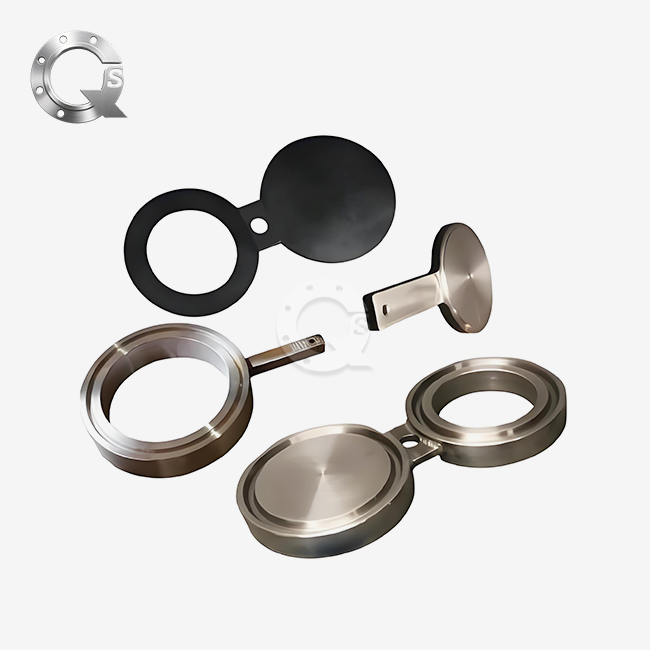
The spectacle blind flange is a new way to isolate a pipeline. It has a unique double-disc shape that looks like glasses when seen from above. In this setup, a solid disc blocks the pipe and is attached to an open ring by a narrow handle section. This lets workers turn the flange assembly between open and closed places without taking it off the pipeline system.
When placed correctly, eye blinds completely block flow and have no chance of leaking, unlike standard gate valves or plug valves. The solid disc stops the pipeline hole totally, while the open ring lets flow freely when it is in the right place. This binary action gets rid of the complexity that comes with partial closing points. This makes the system safer and less likely for operators to make mistakes.
Material Specifications and Grade Selection
Choosing the right materials for the job and the surroundings is the first step to making fantastic products. While carbon steel types like ASTM A105 and A516 Grade 60/70 work well in normal temperature situations, they are also easy to weld and don't cost much for big jobs.
Stainless steel types like A182 F304 and F316 are better at resisting rust in places where chemicals are used. The higher amount of chromium and nickel in these materials makes them very durable in both acidic and basic environments. This makes them perfect for use in medicinal, food processing, and specialty chemical industries.
Advanced alloys, such as duplex stainless steels F51, F53, and F55, have great strength-to-weight ratios and are very resistant to rust. These high-quality materials work great for drilling operations at sea, installations deep underwater, and other tough marine settings where regular materials might break down faster.
Pressure Rating Classifications
The ASME B16.48 standards cover pressure levels from Class 150 to Class 2500, which can meet the needs of a wide range of industry areas. Class 150 and 300 grades are good for most common uses, like treating water, HVAC systems, and low-pressure chemical handling lines. These grades give enough safety gaps while keeping the cost-effectiveness for everyday applications.
Class 600, 900, 1500, and 2500 are higher pressure grades that meet the tough needs of oil and gas activities, high-pressure steam systems, and important process uses. These grades include thicker materials and better bolt designs that can handle high pressures and keep the structure's stability for longer periods of time.
Dimensional Analysis of B16.48 Spectacle Blind Flanges
Critical Dimensional Parameters
To choose and place a B16.48 spectacle blind flange correctly, you need to have a good idea of their sizes. The outside diameter determines if it will work with current pipeline flanges. The inside diameter of the pipe must match the outside diameter of the hole to keep the flow from getting slowed down or turbulent. To make sure the right orientation and closing, these measurements need to be carefully coordinated.
The thickness of the flange depends on the pressure grade and the material standard. For higher pressure classes, the thickness needs to be higher to handle internal forces. The blind disc layer needs to be strong enough to keep the structure from deforming at full working pressure, and the open ring section needs to keep enough material around the hole to keep stress from building up.
The piece with the linking handle is an important part of the design that needs to balance ease of use with structural stability. During turning, this part is under a lot of stress, so it needs to keep its cross-sectional area at a healthy level to keep it from breaking during normal use. The right handle measurements also make sure that there is enough space for operation tools and physical handling.
Tolerance Requirements and Quality Control
Manufacturing limits are very important for making sure that parts from different sources can be used together and for keeping the closing performance uniform. The ASME B16.48 guidelines give exact error ranges for all important measurements, like the width of the bore, the total thickness, and the location of the bolt holes. With these limits, the seal will be properly compressed and won't leak when it's in use.
Surface finish standards have a direct effect on how well sealing works and how reliable it is over time. Raised face (RF) surfaces usually have a range of 125 to 250 microinches Ra, which gives the seal the best touch and stops it from wearing out too quickly. To fit metal covers used in high-pressure situations, ring-type joint (RTJ) surfaces need to be machined with more accuracy.
Size Range and Application Guidelines
Standard sizes run from 1/2 inch to 24 inches, which is long enough to meet most industrial pipe needs. Larger diameters are used for main process lines and transfer systems, while smaller diameters are used for monitoring and sample lines. Custom sizes outside of normal ranges are still available for specific uses that need specific size requirements.
The width of the pipeline, the flow needs, and the ease of upkeep all play a role in choosing the right size. Oversized flanges make things last longer, but they also cost more and are harder to install. Undersized parts can stop flow or cause turbulence, which could affect how well the system works and how long the parts last.
Installation and Usage Guide for B16.48 Spectacle Blind Flanges
Pre-Installation Preparation and Inspection
A successful fitting starts with carefully checking and preparing the parts. Visual inspection should confirm correct marks for material grade, agreement with dimensions, and quality of surface finish. Any harm, rust, or changes in size must be fixed right away before work can continue.
The choice of gasket and how it is prepared have a direct effect on how well it seals and how reliable it is over time. For most uses, spiral-wound gaskets with stainless steel windings work very well because they can bend and rebound. Metallic ring gaskets are used in high-pressure systems where the seal must be as tight as possible to keep people safe.
Step-by-Step Installation Procedures
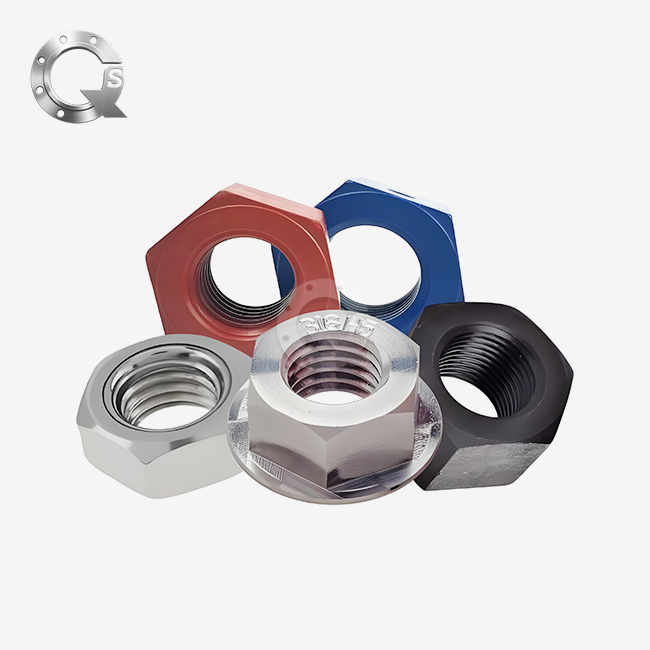
Pay close attention to the bolt tightening steps and torque requirements during the fitting process to make sure that the gasket is compressed evenly and that the flange doesn't bend. Before applying the stated torque values in a cross-pattern sequence, all the nuts must be hand-tightened to make sure they are in the right place. This method stops uneven stress distribution that could make seals less effective.
To place the B16.48 spectacle blind flange properly, you need to make sure that the chosen disc (open or blind) lines up correctly with the pipeline hole. Position signs or marking systems help workers make sure they are putting things in the right place before they finish the installation. If something isn't lined up right during installation, it can stop or slow the flow that is supposed to happen.
Operational Best Practices and Safety Considerations
The special features of goggle blind systems must be taken into account in the operating processes. These include the need to rotate the system and ways to confirm its location. To keep operators from getting hurt when changing positions, they should be taught the right way to rotate and take safety steps. Clear writing systems make it easier to see where you are and stop mistakes from happening.
Regular inspections should check the strength of the bolts, the state of the gaskets, and the general soundness of the part. Pressure testing after position changes makes sure that the seal is still good and finds problems before they affect operations. Keeping records of maintenance and checks helps with following the rules and running safe operations.
Comparison and Selection Criteria for Spectacle Blind Flanges
Performance Comparison with Alternative Solutions
When looking at different ways to stop flow, spectacle blinds are clearly better than regular valves and other choices. Unlike gate or ball valves, vision blinds completely seal off any leaks and don't have any complicated moving parts inside that could break or wear out over time. Because they are so reliable, they are especially useful in critical situations where the flow must be stopped completely.
When you compare prices, you'll see that spectacle blinds often offer better long-term value, even though they cost more at first. Compared to mechanical valves, these don't need as much upkeep because they don't have any moving parts inside. Being able to see whether something is open or closed also lowers operations confusion and improves safety measures.
Material Selection Strategies
When choosing a material, it's important to think about the temperature ranges, pressure levels, and chemical interaction that will be used. Options made of carbon steel are cheap and work well for everyday tasks. Grades made of stainless steel are better for acidic environments and food-grade needs. Initial prices, expected service life, and upkeep needs should all be in the choice grid.
Environmental factors have a big effect on how well and how long something lasts. For marine uses, materials that are more resistant to rust are needed, and for high-temperature uses, metals that stay strong at high temperatures are needed. Looking at material match charts and service experience data can help you make better choices about what to buy and keep things from breaking down too soon.
Application-Specific Selection Guidelines
Different businesses have their own problems that affect how components are chosen. For oil and gas uses, pressure rating and fire-safe approval are the most important things. For chemical handling, rust resistance and material purity are the most important things. By understanding these industry-specific needs, you can choose the best options that meet both performance and legal requirements.
Specific project factors, such as where to place, how easy it is to do upkeep, and how often the system needs to be used, affect the choice that is made. For remote locations, strong materials and simple designs that need less upkeep are preferred. Premium materials that don't wear out or get tired after a lot of use may be better for high-cycle uses.
Procurement Guide and Supply Chain Insights
Supplier Evaluation and Qualification Criteria
To build trusting relationships with suppliers of a B16.48 spectacle blind flange, you need to look closely at their manufacturing skills, quality control systems, and safety certifications. Getting ISO 9001 certification shows that you are dedicated to quality management systems, and getting ASME certification shows that you know how to make pressure vessels technically. With these qualifications, you can be sure that the product is of good quality and meets all regulations.
During the planning stages of a project, the ability to produce and perform become very important. Suppliers who have enough producing capacity and raw material stock can meet pressing needs quickly while still meeting quality standards. Shipping prices and delivery times are affected by where you live, especially for foreign jobs that need fast delivery.
Order Processing and Quality Assurance
To process orders effectively, it's important to be clear about the sizes, grades, and testing standards that are needed. To avoid confusion and make sure that rules are followed, detailed buy orders should include references to relevant standards, review requirements, and shipping dates. Technical sketches and material certificates show that the product meets the requirements.
Requirements for material tracking, measurement proof, and pressure tests should all be part of quality assurance processes. Mill test papers show what the material is made of and how strong it is, and measuring reports show that the measurements are accurate. Before shipping, hydrostatic testing makes sure the pressure stability is correct and finds any possible problems.
Global Supply Chain Considerations
Buying things from other countries is more difficult because of government rules, shipping issues, and changes in currency. Working with experienced providers who know how to handle exports can help you meet legal requirements and keep delays to a minimum. Having the right paperwork, like business bills, packing lists, and certificates of origin, makes clearing customs easier and lowers the administrative load.
Shipping methods and standards for packing affect both how long it takes to send and how good the product is when it gets there. When shipping big amounts, ocean freight is cheaper, but when you need something quickly, flying freight is more expensive. Damage during long shipping times can be avoided with the right packing that keeps wetness out and doesn't break easily.
QinSteel: Your Trusted Partner for Premium B16.48 Spectacle Blind Flanges
With over 20 years of experience working with metal and an unwavering dedication to quality, QinSteel is the best company to make and sell high-quality spectacle blind flanges. Our wide range of products includes spectacle blanks, tools, and ring spacers that are made to strict ASME B16.48 standards and are used in many industries, such as oil and gas, chemical processing, power generation, and naval engineering.
Through our advanced production skills, we can make sizes ranging from 1/2" to 24" and pressure levels from Class 150 to Class 2500. The wide range of materials includes carbon steel grades A105 and A350 LF2, stainless steel types A182 F304/F316, and high-quality duplex alloys F51/F53/F55. This makes sure that the products work well in a wide range of environments and working conditions.
QinSteel's quality assurance procedures include strict material traceability, non-destructive testing, and precise measurement checking to make sure that products are safe and meet international standards. To meet our zero-leak promise and go above and beyond what customers expect, we put every part through thorough hydraulic testing, PMI analysis, and surface finish verification. Our global certification portfolio includes approvals from CE, TUV, and API. This makes it easier to clear borders and follow regulations in more than 100 countries around the world.
We can quickly meet urgent needs because we keep a large stock of raw materials and have improved our production processes. For big orders over 500 units, we can even meet 10-day lead times. Our damage-proof transportation system uses wooden boxes with edge guards and desiccant packets to make sure that products arrive in perfect condition, no matter where they are going or how they are being shipped.
Conclusion
In order to choose and buy B16.48 spectacle blind flanges, you need to know a lot about their dimensions, material features, and how they are to be used. Choosing the right parts is important for making sure that operations are safe, that regulations are followed, and that systems are reliable over time in a wide range of industry settings. The information in this guide gives you the basic background you need to make smart decisions and carry out projects successfully.
Quality sellers and makers are very important for getting parts that meet strict standards, are priced competitively, and are delivered on time. Building strong ties with suppliers based on technical know-how, quality processes, and past performance is the key to completing projects successfully and running operations at a high level.
FAQs
What are the common sizes for B16.48 spectacle blind flanges?
Standard sizes are based on ASME B16.48, and range from 1/2" to 24", with pressure values from Class 150 to Class 2500. Size and pressure grade determine the outside width, thickness, and bolt pattern measurements. Tolerance standards make sure that parts from different sources can be used interchangeably.
How do I choose the right type of material for my project?
The working conditions, such as temperature, pressure, and chemical interaction, affect the choice of material. Standard uses call for carbon steel A105, while corrosive conditions call for stainless steel F304/F316. Duplex metals F51/F53 are stronger and less likely to rust in chemical processing and marine uses that are very tough.
What's the difference between plain isolation valves and sight blinds?
Regular valves depend on fitting systems that may wear out over time, but spectacle blinds offer total zero-leakage separation with no moving parts inside. With spectacle blinds, you can see where you are and there is no way for the blinds to partially close, which increases practical safety and lowers the need for upkeep.
Does the company offer custom sizes for specific uses?
To meet the needs of a particular job, yes, unique sizes and shapes are possible. Custom orders usually have longer wait times and minimum order quantities, but they can be used for special purposes that need dimensions that are outside of the normal ranges or materials that are made in a certain way.
What kinds of licenses should I ask sellers for?
Some important licenses are ISO 9001 for quality control systems and ASME approval for making pressure vessels. Extra certifications like CE marks, API approvals, and material test certificates show that the product meets foreign standards and government rules.
Contact QinSteel for Expert B16.48 Spectacle Blind Flange Solutions
QinSteel offers spectacle blind flange options that are the best in the world and are designed to meet your most exacting pipeline separation needs. Our team of experienced engineers and technical specialists is ready to help you with everything from choosing the right material to making sure the measurements are correct and creating a custom setup. We guarantee on-time delivery of high-quality parts that go beyond international standards thanks to our advanced inventory management and quick production capabilities.
QinSteel is a chosen B16.48 spectacle blind flange source for big projects in the oil and gas, chemical processing, and power production industries because we are dedicated to making the best products and making sure our customers are happy. Contact us today at info@sxqinsteel.com to take advantage of our low prices, ability to ship goods around the world, and technical know-how. See what a difference professional-grade parts and helpful customer service can make on your next job.

References
American Society of Mechanical Engineers. ASME B16.48 Standard for Line Blanks. New York: ASME Press, 2019.
Harvey, John F. Theory and Design of Pressure Vessels. 4th Edition. New York: Van Nostrand Reinhold Company, 2018.
Nayyar, Mohinder L. Piping Handbook. 8th Edition. New York: McGraw-Hill Professional, 2020.
Smith, Peter and Zappe, R.W. Valve Selection Handbook. 6th Edition. Oxford: Gulf Professional Publishing, 2021.
Barletta, William and Chen, David. Industrial Pipeline Systems: Design, Construction, and Maintenance. Boston: Technical Engineering Press, 2019.
International Association of Engineering Societies. Pressure Vessel and Piping Codes: International Comparison and Analysis. London: Professional Engineering Publishing, 2020.

Learn about our latest products and discounts through SMS or email