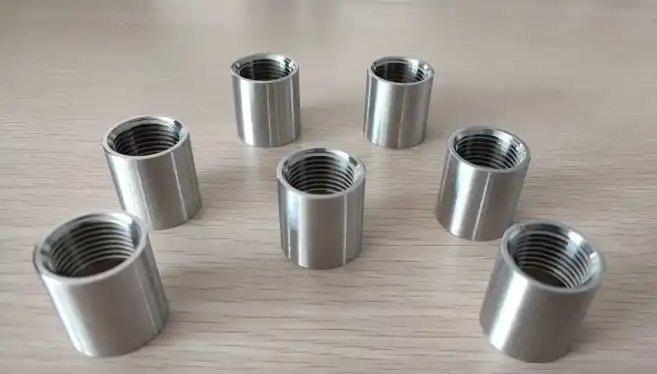
Understanding ASME B16.11 Threaded Couplings and Their Importance
What are ASME B16.11 Threaded Couplings?
ASME B16.11 threaded couplings are standardized fittings used in piping systems to connect pipes and components. These couplings are designed according to the specifications set by the American Society of Mechanical Engineers (ASME) in their B16.11 standard. This standard ensures consistency in dimensions, materials, and performance across different manufacturers, making them reliable and interchangeable.
Threaded couplings work by creating a mechanical seal between two pipe ends. The internal threads of the coupling mate with the external threads of the pipes, forming a secure connection. When properly installed, these couplings provide a strong and leak-resistant joint that can withstand various pressures and temperatures.
Applications and Industries
ASME B16.11 threaded couplings find widespread use across numerous industries due to their versatility and reliability. Some key applications include:
- Oil and gas pipelines
- Chemical processing plants
- Water treatment facilities
- HVAC systems
- Power generation plants
- Manufacturing facilities
These couplings are particularly valuable in situations where frequent disassembly and reassembly may be necessary, as they allow for easier maintenance and modifications compared to welded joints.
The Consequences of Leakage
Leakage in ASME B16.11 threaded couplings can have serious consequences, making prevention crucial. Some potential impacts of leaks include:
- Safety hazards: Leaks can release dangerous substances, potentially causing injuries or environmental damage.
- Production downtime: Addressing leaks often requires shutting down operations, leading to lost productivity.
- Increased maintenance costs: Frequent leaks result in higher repair and replacement expenses.
- Resource waste: Leaks can lead to significant loss of valuable fluids or gases.
- Regulatory non-compliance: Leaks may violate safety and environmental regulations, resulting in fines or legal issues.
Given these potential consequences, implementing effective leak prevention strategies is essential for maintaining safe and efficient operations.
Key Strategies for Preventing Leakage in ASME B16.11 Threaded Couplings
Proper Installation Techniques
Ensuring correct installation is fundamental to preventing leaks in ASME B16.11 threaded couplings. Follow these best practices:
- Clean threads thoroughly before assembly to remove debris and contaminants.
- Apply an appropriate thread sealant or tape to create an effective seal.
- Use proper tools, such as pipe wrenches, to achieve the correct tightness without over-tightening.
- Align pipes carefully to prevent stress on the coupling.
- Follow manufacturer's torque specifications to ensure optimal sealing without damaging the coupling.
Remember, proper thread lubrication during installation is crucial. This helps reduce friction, prevent galling, and ensure a tight seal. Recheck tightness periodically, especially in high-vibration environments, to prevent loosening over time.
Material Selection and Compatibility
Choosing the right materials for your ASME B16.11 threaded couplings is essential for preventing leaks. Consider these factors:
- Compatibility with the fluids or gases being transported
- Temperature and pressure requirements of the system
- Corrosion resistance needed for the operating environment
- Mechanical strength to withstand system stresses
Common materials for ASME B16.11 threaded couplings include carbon steel, stainless steel, and various alloys. Consult with experts or manufacturers to ensure you select the most appropriate material for your specific application.
Regular Maintenance and Inspection
Implementing a comprehensive maintenance and inspection program is crucial for identifying and addressing potential leaks before they become significant problems. Key elements of an effective program include:
- Scheduled visual inspections to check for signs of corrosion, wear, or damage
- Periodic pressure testing to verify the integrity of connections
- Use of leak detection technologies, such as ultrasonic sensors or infrared cameras
- Proper documentation of inspections and maintenance activities
- Training personnel on proper inspection techniques and warning signs of potential leaks
By maintaining a proactive approach to maintenance and inspection, you can significantly reduce the risk of leaks and extend the lifespan of your ASME B16.11 threaded couplings.
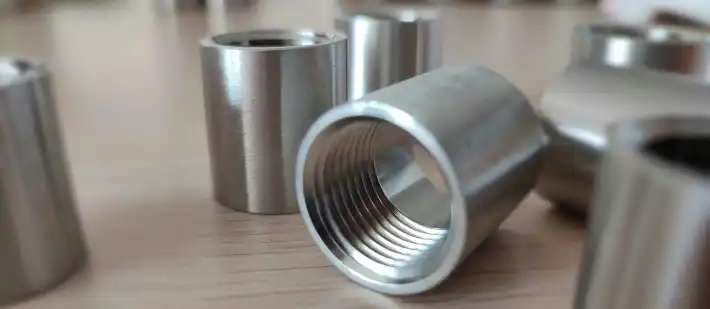
Advanced Techniques and Technologies for Leak Prevention
Innovative Sealing Solutions
As technology advances, new sealing solutions are emerging to enhance the performance of ASME B16.11 threaded couplings. Some innovative approaches include:
- Nano-coated threads that provide improved sealing and corrosion resistance
- Smart sealants that expand or contract in response to temperature changes
- Composite materials that offer superior strength and chemical resistance
These advanced solutions can provide additional protection against leaks, especially in challenging environments or critical applications.
Monitoring and Predictive Maintenance
Implementing modern monitoring and predictive maintenance techniques can help prevent leaks before they occur. Consider incorporating:
- IoT sensors to continuously monitor pressure, temperature, and vibration
- Data analytics to identify trends and predict potential failure points
- Machine learning algorithms to optimize maintenance schedules
- Remote monitoring systems for real-time leak detection and alerts
By leveraging these technologies, you can move from reactive to proactive maintenance, reducing the likelihood of unexpected leaks and improving overall system reliability.
Training and Certification Programs
Investing in comprehensive training and certification programs for personnel involved in the installation, maintenance, and inspection of ASME B16.11 threaded couplings can significantly reduce the risk of leaks. Key elements of effective training include:
- In-depth understanding of ASME B16.11 standards and specifications
- Hands-on practice with proper installation techniques
- Training on the use of advanced leak detection equipment
- Certification programs to ensure consistent skill levels across the workforce
By ensuring that your team has the knowledge and skills to properly handle ASME B16.11 threaded couplings, you can minimize the risk of leaks caused by human error or lack of expertise.
Conclusion
Preventing leakage in ASME B16.11 threaded couplings requires a multifaceted approach that combines proper installation techniques, careful material selection, regular maintenance, and the adoption of advanced technologies. By implementing these strategies and staying informed about the latest developments in sealing solutions and monitoring technologies, you can significantly reduce the risk of leaks in your piping systems. Remember that prevention is always more cost-effective than dealing with the consequences of a leak. Prioritize leak prevention in your operations to ensure safety, efficiency, and compliance with industry standards.
FAQs
How often should ASME B16.11 threaded couplings be inspected?
Regular inspections are crucial. Generally, visual inspections should be conducted monthly, with more thorough checks performed annually or as recommended by the manufacturer.
Can I use PTFE tape on ASME B16.11 threaded couplings?
Yes, PTFE tape can be used, but it's important to apply it correctly and use the appropriate type for your specific application. Always follow manufacturer guidelines.
What are signs of potential leakage in ASME B16.11 threaded couplings?
Look for visible fluid or gas leaks, unusual sounds, pressure drops, corrosion around the coupling, or signs of wear on the threads.
Expert ASME B16.11 Threaded Coupling Solutions | QinSteel
At QinSteel, we're your trusted supplier and manufacturer of high-quality ASME B16.11 threaded couplings. With 20 years of industry expertise, we provide durable, precision-engineered products that meet international standards. Our comprehensive range of flanges, pipe fittings, and pipeline systems serves diverse industries globally. For expert advice on preventing leaks and finding the right coupling for your application, contact us at info@sxqinsteel.com.
References
Antaki, G. A. "Piping and Pipeline Engineering: Design, Construction, Maintenance, Integrity, and Repair." CRC Press, 2003.
Nayyar, M. L. "Piping Handbook." McGraw-Hill Education, 2000.
Smith, P. "Piping Materials Guide: Selection and Applications." Elsevier, 2005.
Kannappan, S. "Introduction to Pipe Stress Analysis." Wiley, 1986.
Mohitpour, M., Golshan, H., and Murray, A. "Pipeline Design & Construction: A Practical Approach." ASME Press, 2003.