Choosing between carbon steel and stainless steel for ASME B16.9 fittings depends on different variables, including the particular application, natural conditions, and budget limitations. For metropolitan water supply pipelines, ASME B16.9 carbon steel fittings are frequently favored due to their cost-effectiveness and durability. Be that as it may, for filtered water frameworks or applications requiring higher erosion resistance, stainless steel fittings are the superior choice. Consider variables such as water quality, weight prerequisites, and long-term upkeep costs when making your choice. Eventually, the right choice will guarantee ideal execution, life span, and security for your metropolitan water system project.
Understanding ASME B16.9 Fittings and Their Applications in Municipal Water Systems
What are ASME B16.9 Fittings?
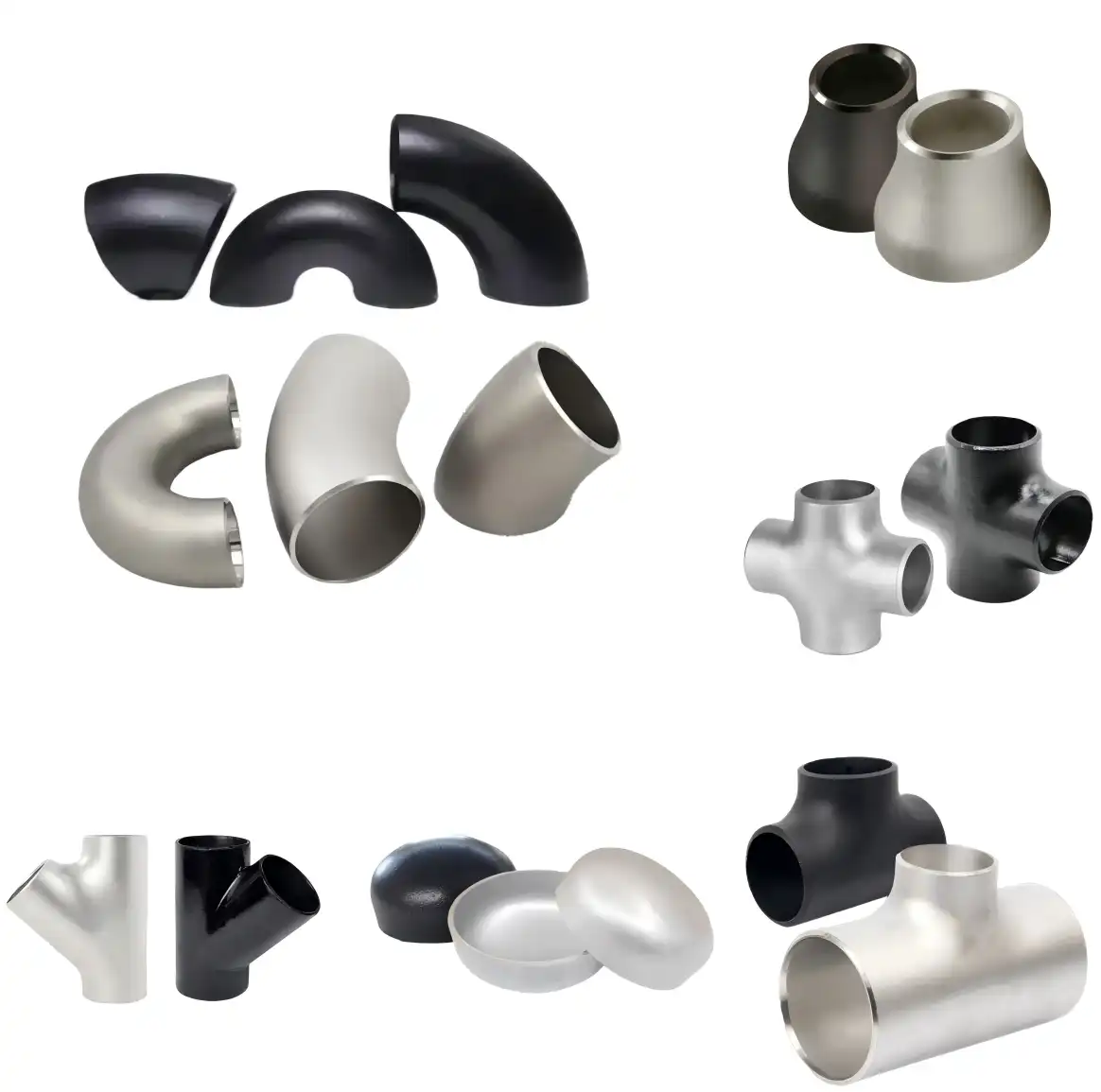
ASME B16.9 fittings are standardized pipe fittings utilized over a wide range of mechanical and civil applications. These components follow determinations issued by the American Society of Mechanical Engineers for consistent and welded steel butt-welding fittings, guaranteeing consistency and unwavering quality. Accessible in numerous shapes, sizes, and fabric grades, they back distinctive framework necessities. Among the commonly utilized materials, carbon steel and stainless steel remain prevalent due to their quality, strength, and wide applicability.
The Role of ASME B16.9 Fittings in Municipal Water Infrastructure
In civil water frameworks, ASME B16.9 fittings play a pivotal part in interfacing pipelines, diverting flow, and overseeing internal pressure conditions. They serve as fundamental components in water treatment offices, distribution lines, pumping stations, and wastewater systems. Their quality and unwavering quality essentially impact the overall system's soundness and operational effectiveness. When appropriately chosen and introduced, these fittings offer assistance to keep up secure water transmission and guarantee long-term usefulness of basic public infrastructure.
Key Considerations for Selecting Fittings in Municipal Applications
When choosing ASME B16.9 fittings for civil water frameworks, a few specialized and natural components must be assessed. Water chemistry, working weight, and anticipated stream behavior all influence fabric execution. Outside conditions, such as temperature variances, soil characteristics, or potential chemical presentation, moreover, impact determination. Adjusting these design necessities with venture budgets makes a difference in deciding whether carbon steel or stainless steel is more fitting. Cautious appraisal guarantees that the chosen fittings back both unwavering quality and long-term support efficiency.
Comparing Carbon Steel and Stainless Steel ASME B16.9 Fittings
Properties and Characteristics of Carbon Steel Fittings
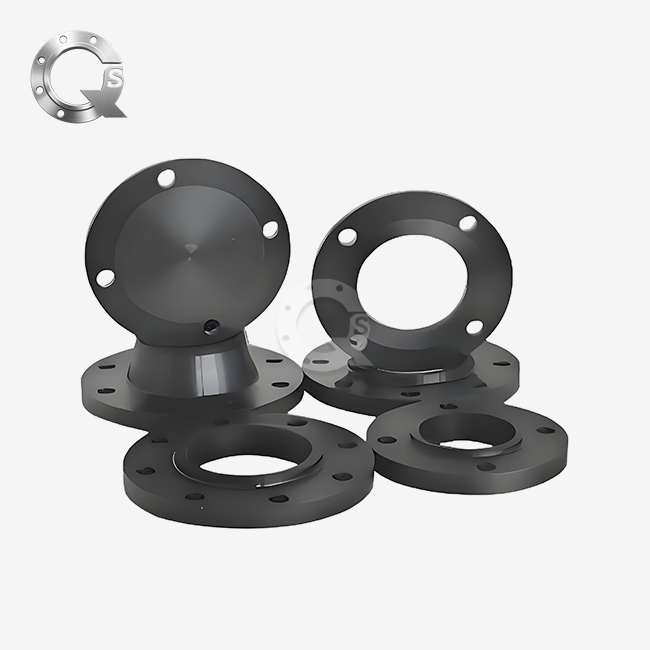
ASME B16.9 carbon steel fittings are known for their quality, toughness, and cost-effectiveness. They give solid resistance to weight varieties and fluctuating temperatures, which makes them suitable for numerous civil water conveyance frameworks. Their mechanical sturdiness underpins steady operation in pipelines where erosion dangers are negligible. Since they offer tried and true execution at a generally moo taken a toll, carbon steel fittings are frequently chosen for large-scale ventures with standard water quality conditions.
Advantages and Limitations of Stainless Steel Fittings
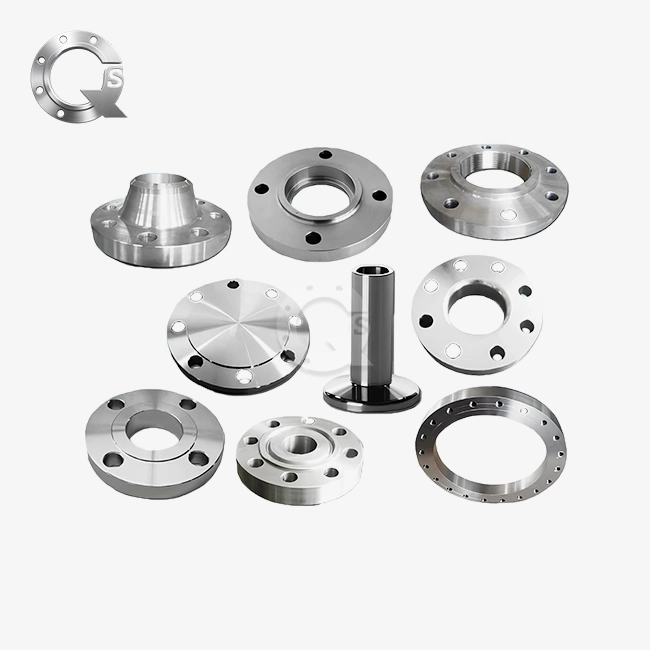
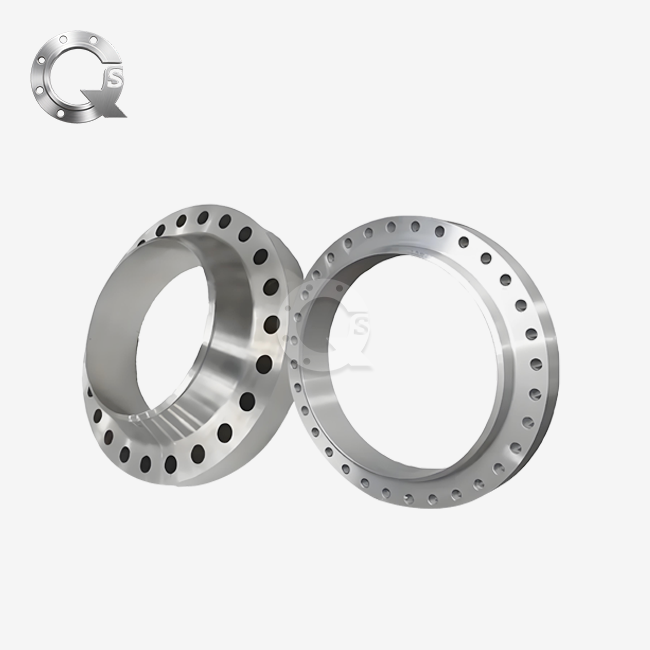
Stainless steel ASME B16.9 fittings exceed expectations in erosion resistance, making them exceedingly reasonable for situations with forceful water conditions, raised chloride levels, or chemical exposure. They moreover offer upgraded cleanliness, making them favored in decontaminated or treated water frameworks. In spite of the fact that stainless steel for the most part includes a higher starting fetched, its durability decreases the recurrence of component disappointments. Over time, the diminished requirement for upkeep and substitutions can counterbalance its premium cost, depending on framework demands.
Cost Comparison and Long-term Value Analysis
When comparing costs, it is fundamental to consider long-term execution or maybe than centering exclusively on the initial purchase cost. Carbon steel fittings are ordinarily more budget-friendly at the beginning, making them appealing for standard establishments. Be that as it may, ASME B16.9 stainless steel fittings may give prevalent esteem over the system's life expectancy when erosion dangers or water quality challenges are displayed. Conducting a full lifecycle taken a toll examination makes a difference in deciding which fabric conveys the most prudent and solid arrangement for the planning application.

Factors Influencing the Choice Between Carbon Steel and Stainless Steel Fittings
Water Quality and Corrosion Considerations
The chemical composition of the water streaming through the framework is a basic factor in choosing between carbon steel and stainless steel fittings. For civil water supply pipelines with standard water quality, carbon steel fittings regularly suffice. In any case, when water contains high levels of chlorides, dissolved oxygen, or other destructive components, the chance of inner corruption increments. In such situations, stainless steel fittings give predominant erosion resistance, making a difference and guaranteeing long-term framework longevity, diminished maintenance, and steady operational performance.
Environmental Factors and System Requirements
Environmental conditions, such as mugginess, temperature variances, and exposure to chemicals, can affect the execution of fittings. Stainless steel fittings by and large offer superior resistance to cruel situations, particularly where dampness or chemical vapors are show. Moreover, framework necessities like weight evaluations, temperature limits, and anticipated stream rates must be assessed carefully. These specialized parameters offer assistance in deciding whether carbon steel or stainless steel is more fitting, guaranteeing dependable usefulness and anticipating untimely framework wear or component failure.
Regulatory Compliance and Industry Standards
Compliance with nearby directions and industry measures is pivotal when selecting fittings for metropolitan water frameworks. A few locales require the utilize of certified materials to defend drinking water quality, requiring fittings with demonstrated security and execution records. Confirming compliance with benchmarks such as NSF/ANSI, ISO, or national plumbing codes makes a difference in maintaining a strategic distance from legal issues and operational delays. Guaranteeing that each chosen component meets all pertinent necessities minimizes the risk of expensive alterations, future substitutions, or administrative penalties.
Conclusion
Choosing between carbon steel and stainless steel for ASME B16.9 fittings requires cautious thought of different variables. Whereas carbon steel fittings offer cost-effectiveness and solidness for numerous standard applications, ASME B16.9 stainless steel fittings give predominant erosion resistance and cleanliness for more demanding situations. By assessing water quality, framework necessities, natural conditions, and long-term costs, civil water system supervisors can make educated choices that guarantee ideal execution, security, and life span of their infrastructure. Keep in mind to consult with experienced experts and providers to discover the best arrangement for your particular needs.
FAQs
Are ASME B16.9 carbon fittings reasonable for all civil water applications?
While ASME B16.9 carbon fittings are appropriate for numerous metropolitan water applications, they may not be perfect for all circumstances. They are cost-effective for standard water supply pipelines but may not be the best choice for filtered water frameworks or exceedingly destructive environments.
How do I decide if I require stainless steel fittings for my project?
Consider components such as water quality, weight necessities, natural conditions, and long-term upkeep costs. If your framework bargains with forceful water conditions, chemicals, or requires tall cleanliness benchmarks, stainless steel fittings may be the way better alternative.
Expert ASME B16.9 Fitting Solutions for Municipal Water Systems | QinSteel
At QinSteel, we specialize in giving high-quality ASME B16.9 fittings for municipal water frameworks. As a driving producer and provider, we offer both ASME B16.9 carbon steel fitting and ASME B16.9 stainless steel fitting to meet your particular extend necessities. Our master group can offer assistance you select the right fittings for ideal execution and life span. Contact us at info@sxqinsteel.com for personalized help and competitive estimating on our run of metropolitan water framework arrangements.
References
American Society of Mechanical Engineers. (2022). ASME B16.9: Factory-Made Wrought Buttwelding Fittings. New York: ASME.
Water Research Foundation. (2021). Material Selection Guidelines for Water Distribution Systems. Denver: Water Research Foundation.
American Water Works Association. (2020). Steel Pipe - A Guide for Design and Installation (M11). Denver: AWWA.
Environmental Protection Agency. (2019). Corrosion Control in Drinking Water Systems. Washington, D.C.: EPA.
International Water Association. (2023). Best Practices in Municipal Water Infrastructure Management. London: IWA Publishing.
National Association of Corrosion Engineers. (2022). Corrosion Control in Municipal Water Systems. Houston: NACE International.