- English
- French
- German
- Portuguese
- Spanish
- Russian
- Japanese
- Korean
- Arabic
- Greek
- German
- Turkish
- Italian
- Danish
- Romanian
- Indonesian
- Czech
- Afrikaans
- Swedish
- Polish
- Basque
- Catalan
- Esperanto
- Hindi
- Lao
- Albanian
- Amharic
- Armenian
- Azerbaijani
- Belarusian
- Bengali
- Bosnian
- Bulgarian
- Cebuano
- Chichewa
- Corsican
- Croatian
- Dutch
- Estonian
- Filipino
- Finnish
- Frisian
- Galician
- Georgian
- Gujarati
- Haitian
- Hausa
- Hawaiian
- Hebrew
- Hmong
- Hungarian
- Icelandic
- Igbo
- Javanese
- Kannada
- Kazakh
- Khmer
- Kurdish
- Kyrgyz
- Latin
- Latvian
- Lithuanian
- Luxembou..
- Macedonian
- Malagasy
- Malay
- Malayalam
- Maltese
- Maori
- Marathi
- Mongolian
- Burmese
- Nepali
- Norwegian
- Pashto
- Persian
- Punjabi
- Serbian
- Sesotho
- Sinhala
- Slovak
- Slovenian
- Somali
- Samoan
- Scots Gaelic
- Shona
- Sindhi
- Sundanese
- Swahili
- Tajik
- Tamil
- Telugu
- Thai
- Ukrainian
- Urdu
- Uzbek
- Vietnamese
- Welsh
- Xhosa
- Yiddish
- Yoruba
- Zulu
Why Select 316L Stainless Steel for ASME B16.9 Marine Fittings?
Dec 2 2025

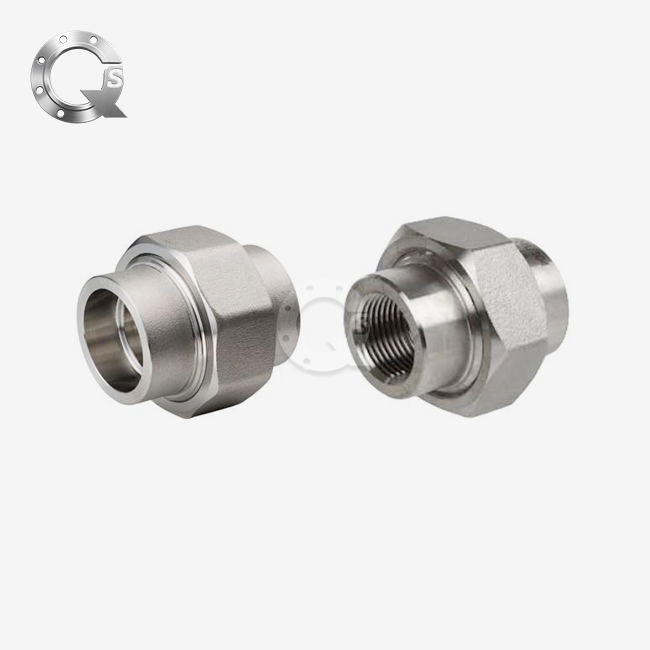
When it comes to marine applications, choosing the right fabric for fittings is significant. 316L stainless steel has developed as the go-to choice for ASME B16.9 316L marine fittings, and for good reason. This review of stainless steel offers remarkable erosion resistance, especially in saltwater situations, making it perfect for utilize in marine settings. Its Moo carbon substance upgrades weldability and decreases the chance of intergranular erosion, guaranteeing long-lasting execution in unforgiving conditions. Also, 316L stainless steel's fabulous mechanical properties, including high quality and ductility, make it appropriate for withstanding the demanding weights and temperatures frequently experienced in marine applications. Let's jump more profoundly into why 316L stainless steel is the favored material for ASME B16.9 marine fittings.
Superior Corrosion Resistance in Marine Environments
Saltwater Corrosion Protection
One of the essential reasons for selecting 316L stainless steel for ASME B16.9 marine fittings is its uncommon resistance to saltwater erosion. The expansion of molybdenum in 316L stainless steel essentially upgrades its capacity to withstand chloride-induced setting and hole erosion, which are common challenges in marine situations. This predominant erosion resistance guarantees that fittings maintain their judgment and execution over amplified periods, indeed when always exposed to seawater.
Resistance to Various Forms of Corrosion
Beyond saltwater erosion, 316L stainless steel shows amazing resistance to other forms of erosion that can happen in marine settings. It successfully combats stretch erosion splitting, a marvel that can lead to sudden and disastrous disappointment in less reasonable materials. The moo carbon content in 316L moreover minimizes the hazard of sensitization, which can make other stainless steels more vulnerable to intergranular erosion in welded areas.
Long-term Durability in Harsh Conditions
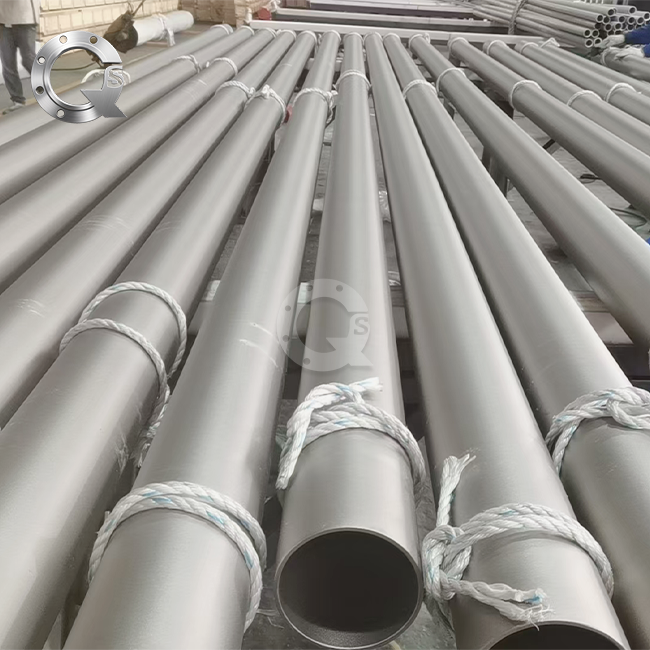
Marine situations are famously cruel, with consistent exposure to dampness, salt spray, and fluctuating temperatures. 316L stainless steel's erosion resistance translates to uncommon stability in these conditions. This life span not as it were guarantees the security and unwavering quality of marine frameworks but also contributes to diminished upkeep costs and extended benefit life of the fittings.
Mechanical Properties and Performance Advantages
High Strength-to-Weight Ratio
ASME B16.9 316L marine fittings advantage from the material's amazing strength-to-weight ratio. This characteristic is especially profitable in marine applications where weight considerations are vital. The tall quality of 316L stainless steel permits the design of fittings that can withstand considerable weights and loads, while keeping up a moderately light weight, contributing to in overall system efficiency and performance.
Excellent Ductility and Formability
The ductility of 316L stainless steel is another key calculation in its choice for marine fittings. This property permits the manufacture of complex fitting shapes without compromising the material's judgment. The amazing formability of 316L stainless steel empowers producers to make exact, high-quality fittings that meet the demanding benchmarks of ASME B16.9 determinations, guaranteeing legitimate fit and work in marine channeling systems.
Temperature Resistance and Stability
Marine situations frequently subject fittings to a wide range of temperatures, from freezing conditions to hot warm. 316L stainless steel keeps up its mechanical properties and erosion resistance over a wide temperature range, making it reasonable for different marine applications. This temperature soundness guarantees that ASME B16.9 316L marine fittings perform reliably and dependably, in any case of the natural conditions they encounter.
Compliance with Industry Standards and Regulations
Meeting ASME B16.9 Requirements
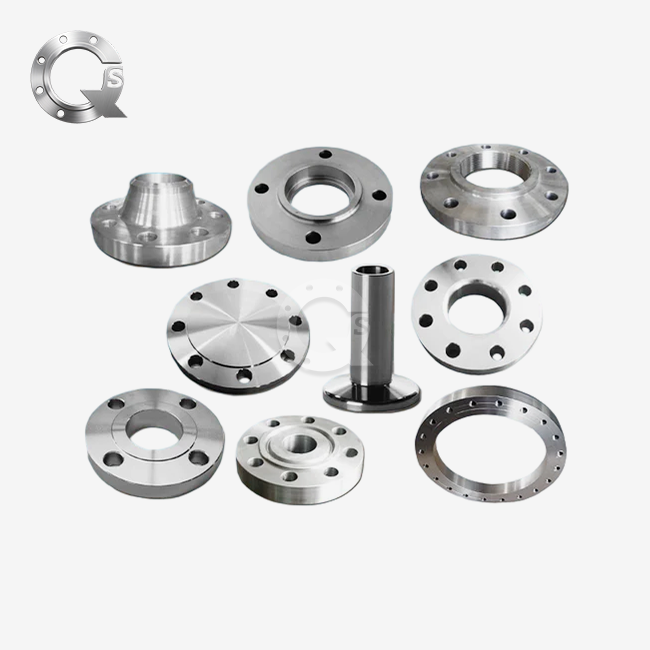
The choice of 316L stainless steel for marine fittings is closely tied to its capacity to meet the exacting necessities set forward in the ASME B16.9 standard. This standard indicates the dimensional and fabric necessities for fashioned steel butt-welding fittings, which are commonly utilized in marine channeling frameworks. 316L stainless steel's properties adjust superbly with these details, guaranteeing that fittings made from this fabric comply with industry standards and regulations.
Compatibility with International Marine Standards
Beyond ASME B16.9, 316L stainless steel marine fittings regularly comply with different worldwide marine guidelines and classification society requirements. Organizations such as Lloyd's Enroll, DNV GL, and the American Bureau of Shipping have built up rules for materials utilized in marine applications. The demonstrated execution and unwavering quality of 316L stainless steel make it a favored choice for assembly of these worldwide guidelines, encouraging the utilize of ASME B16.9 316L marine fittings in worldwide shipping and seaward projects.
Environmental and Safety Considerations
In an era of expanding natural mindfulness, the utilize of 316L stainless steel for marine fittings aligns with maintainability objectives. The material's strength and resistance to erosion contribute to diminished squander and longer benefit life, minimizing the natural effect of wear and tear. Moreover, the non-toxic nature of 316L stainless steel makes it secure for utilize in marine situations, where contact with oceanic environments is a concern. This natural invitingness, combined with its great security profile, makes 316L stainless steel a perfect choice for ASME B16.9 marine fittings in naturally touchy applications.
Conclusion
The choice of 316L stainless steel for ASME B16.9 316L marine fittings is a choice supported by a combination of prevalent fabric properties, execution focal points, and administrative compliance. Its remarkable erosion resistance in saltwater situations, coupled with great mechanical properties and strength, makes it the perfect choice for marine applications. By choosing 316L stainless steel fittings, marine engineers and administrators can guarantee the life span, unwavering quality, and security of their channeling frameworks, indeed in the most challenging marine conditions. As the marine industry proceeds to advance, 316L stainless steel remains at the bleeding edge of fabric choice for basic components like ASME B16.9 fittings.
FAQs
Why is 316L stainless steel preferred for marine fittings?
316L stainless steel is preferred for its excellent saltwater corrosion resistance, high strength, and durability in marine environments.
What makes ASME B16.9 316L marine fittings different from other fittings?
ASME B16.9 316L marine fittings are specifically designed to meet stringent industry standards for use in marine applications, ensuring reliability and performance in harsh saltwater conditions.
How does 316L stainless steel contribute to the longevity of marine fittings?
The superior corrosion resistance and mechanical properties of 316L stainless steel significantly extend the service life of marine fittings, reducing maintenance needs and replacement frequency.
Expert ASME B16.9 316L Marine Fittings Supplier | QinSteel
As a leading manufacturer and supplier of ASME B16.9 316L marine fittings, QinSteel offers unparalleled expertise and quality. Our state-of-the-art production facilities and rigorous quality control ensure that every fitting meets the highest industry standards. With a global supply chain and competitive pricing, we deliver reliable solutions for your marine piping needs. Contact us at info@sxqinsteel.com to discuss your project requirements and experience our commitment to excellence.

References
ASME B16.9-2018: Factory-Made Wrought Buttwelding Fittings. American Society of Mechanical Engineers, 2018.
Sedriks, A. John. "Corrosion of Stainless Steels." Wiley-Interscience, 2nd Edition, 1996.
Davis, J.R "Corrosion of Weldments." ASM International, 2006.
Dillon, C.P. "Corrosion Resistance of Stainless Steels." Marcel Dekker, Inc., 1995.
International Maritime Organization. "Guidelines for the Selection of Plastic Pipes for Use in Marine Environments." MSC.313(88), 2010.
American Bureau of Shipping. "Rules for Materials and Welding." Part 2, 2020.
Learn about our latest products and discounts through SMS or email