- English
- French
- German
- Portuguese
- Spanish
- Russian
- Japanese
- Korean
- Arabic
- Greek
- German
- Turkish
- Italian
- Danish
- Romanian
- Indonesian
- Czech
- Afrikaans
- Swedish
- Polish
- Basque
- Catalan
- Esperanto
- Hindi
- Lao
- Albanian
- Amharic
- Armenian
- Azerbaijani
- Belarusian
- Bengali
- Bosnian
- Bulgarian
- Cebuano
- Chichewa
- Corsican
- Croatian
- Dutch
- Estonian
- Filipino
- Finnish
- Frisian
- Galician
- Georgian
- Gujarati
- Haitian
- Hausa
- Hawaiian
- Hebrew
- Hmong
- Hungarian
- Icelandic
- Igbo
- Javanese
- Kannada
- Kazakh
- Khmer
- Kurdish
- Kyrgyz
- Latin
- Latvian
- Lithuanian
- Luxembou..
- Macedonian
- Malagasy
- Malay
- Malayalam
- Maltese
- Maori
- Marathi
- Mongolian
- Burmese
- Nepali
- Norwegian
- Pashto
- Persian
- Punjabi
- Serbian
- Sesotho
- Sinhala
- Slovak
- Slovenian
- Somali
- Samoan
- Scots Gaelic
- Shona
- Sindhi
- Sundanese
- Swahili
- Tajik
- Tamil
- Telugu
- Thai
- Ukrainian
- Urdu
- Uzbek
- Vietnamese
- Welsh
- Xhosa
- Yiddish
- Yoruba
- Zulu
How Often Should Low-Temperature Forged Flanges Be Inspected?
Dec 3 2025

Low-temperature forged flanges should be inspected every 3 months, focusing on cracks or brittleness caused by temperature cycles, especially in cryogenic pipeline systems. This regular inspection schedule is crucial for maintaining the integrity and safety of pipeline systems operating in extreme cold conditions. By conducting thorough examinations quarterly, operators can identify potential issues early, preventing costly failures and ensuring the longevity of their low-temperature forged flange components. This proactive approach not only enhances system reliability but also contributes to overall operational efficiency and safety in industries relying on cryogenic processes.
Understanding Low-Temperature Forged Flanges and Their Inspection Needs
What Are Low-Temperature Forged Flanges?
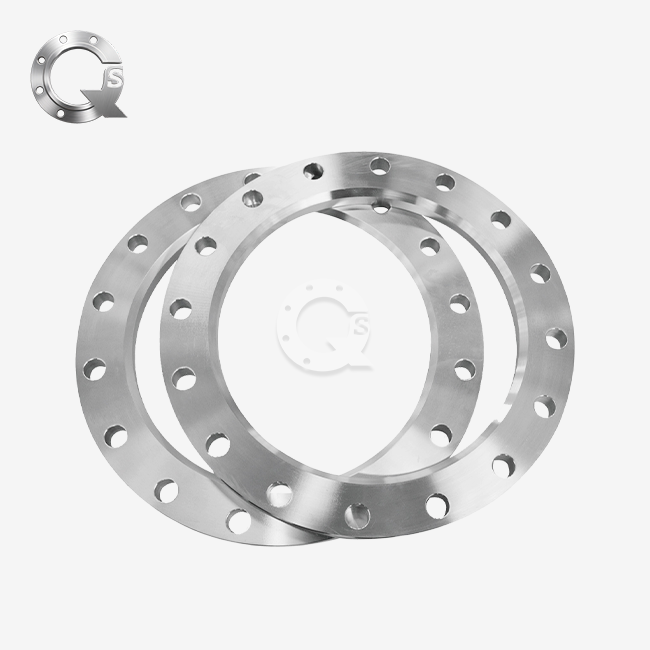
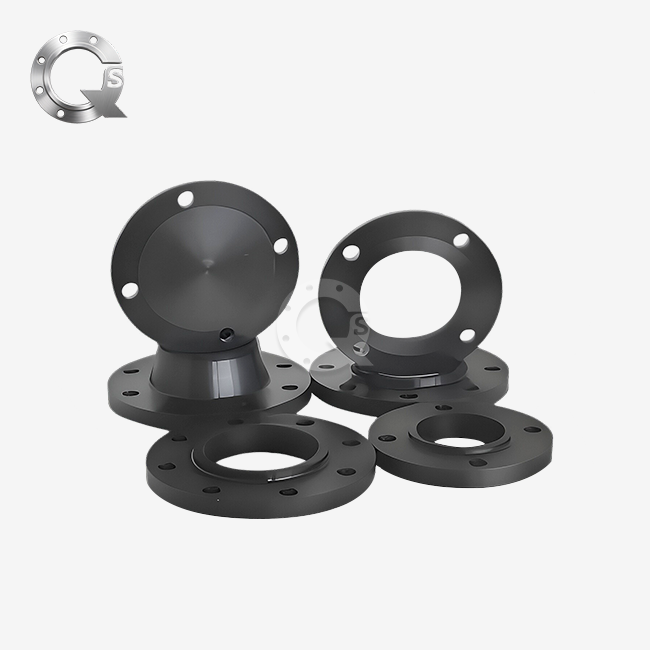
Low-temperature forged flanges are specialized components designed to withstand extreme cold conditions in cryogenic applications. These flanges are manufactured using a forging process that enhances their strength and durability, making them suitable for use in pipelines transporting liquefied gases or other materials at very low temperatures. The unique properties of these flanges allow them to maintain their structural integrity and sealing capabilities even when subjected to thermal cycling and extreme pressure variations.
Importance of Regular Inspections
Regular inspections of low-temperature forged flanges are crucial for several reasons. Firstly, they help identify potential issues before they escalate into major problems, preventing costly downtime and safety hazards. Secondly, inspections ensure that the flanges continue to meet the stringent performance requirements of cryogenic systems. Lastly, routine checks contribute to the overall reliability and efficiency of the pipeline system, extending its operational lifespan and minimizing maintenance costs.
Factors Influencing Inspection Frequency
Several factors can influence how often low-temperature forged flanges should be inspected. These include the specific operating conditions of the system, the type of materials being transported, the age of the installation, and any previous history of issues or repairs. Environmental factors, such as exposure to corrosive elements or extreme temperature fluctuations, may also necessitate more frequent inspections. It's essential for operators to consider these variables when establishing their inspection schedules.
Key Aspects of Low-Temperature Forged Flange Inspections
Visual Examination Techniques
Visual inspections form the foundational step in assessing low-temperature forged flanges. Skilled inspectors carefully examine the flange surfaces for defects such as cracks, scratches, or corrosion, which could compromise performance. They also assess discoloration, pitting, or erosion on sealing faces that may affect the flange's ability to maintain a tight seal. Bolt holes and gasket areas receive special attention, as any wear, deformation, or misalignment in these regions can lead to leakage or mechanical failure during operation, emphasizing the importance of detailed surface scrutiny.
Non-Destructive Testing Methods
Non-destructive testing (NDT) is essential for detecting hidden defects that are not visible through visual examination alone. Techniques like ultrasonic testing enable the identification of internal flaws or cracks within the low-temperature forged flange body. Magnetic particle inspection is effective for spotting surface and near-surface defects in ferromagnetic materials, while dye penetrant testing highlights surface-breaking defects on non-porous metals. These NDT approaches provide critical insights into the integrity of the low-temperature forged flange, ensuring that potential weaknesses are identified and addressed without compromising the component's structural soundness.
Dimensional Checks and Tolerance Verification
Maintaining precise dimensions and tolerances is vital for low-temperature forged flanges to function correctly. Inspectors use calibrated measuring tools to confirm thickness, bolt hole diameter and spacing, and sealing surface flatness, ensuring all parameters meet design specifications. Deviations from tolerance may indicate manufacturing defects, wear, or the potential need for flange replacement. Accurate dimensional verification ensures proper assembly, optimal sealing performance, and long-term reliability, minimizing the risk of leaks, mechanical failure, or operational inefficiencies in low-temperature applications.
Developing an Effective Inspection Schedule for Low-Temperature Forged Flanges
Risk-Based Inspection Approach
A risk-based inspection (RBI) approach can help optimize the frequency and scope of flange inspections. This method considers factors such as the criticality of the equipment, potential failure modes, and consequences of failure to determine the most appropriate inspection intervals. By focusing resources on high-risk components, operators can efficiently allocate their maintenance efforts while ensuring the overall integrity of their pipeline systems.
Integrating Inspections with Maintenance Programs
Integrating low-temperature forged flange inspections into broader maintenance programs can enhance overall system reliability. This approach allows for coordinated scheduling of inspections with other maintenance activities, minimizing disruptions to operations. It also facilitates the sharing of information across different maintenance disciplines, providing a more comprehensive view of the system's health and potential areas of concern.
Leveraging Technology for Enhanced Monitoring
Advancements in monitoring technology offer new possibilities for continuous assessment of low-temperature forged flanges. Sensors and data analytics can provide real-time information on flange performance, temperature fluctuations, and stress levels. This data can be used to refine inspection schedules, predict potential issues before they occur, and optimize maintenance strategies. Implementing these technologies can lead to more efficient and effective flange management in cryogenic applications.
Conclusion
In conclusion, regular inspections of low-temperature forged flanges are essential for maintaining the safety and efficiency of cryogenic pipeline systems. While a general recommendation is to inspect these flanges every 3 months, the specific inspection frequency should be tailored to the unique conditions and requirements of each system. By implementing a comprehensive inspection program that combines visual examinations, non-destructive testing, and dimensional checks, operators can ensure the longevity and reliability of their low-temperature forged flanges. Adopting a risk-based approach and leveraging modern monitoring technologies can further enhance the effectiveness of inspection schedules, ultimately contributing to safer and more efficient operations in industries relying on cryogenic processes.
FAQs
What are the signs that a low-temperature forged flange needs immediate inspection?
Signs include visible cracks, frost formation, unusual noises, or leaks around the flange area.
Can extreme temperature fluctuations affect the inspection frequency?
Yes, frequent temperature changes may necessitate more regular inspections due to increased stress on the flange.
Are there specific tools required for inspecting low-temperature forged flanges?
Yes, specialized tools like ultrasonic thickness gauges and cryogenic-rated inspection equipment are often used.
Expert Low-Temperature Forged Flange Inspections and Supply | QinSteel
At QinSteel, we specialize in providing high-quality low-temperature forged flanges and expert inspection services. With 20 years of industry experience, our team ensures your cryogenic systems operate at peak efficiency. As a leading manufacturer and supplier, we offer comprehensive solutions tailored to your specific needs. For reliable, precision-engineered products and professional inspection services, contact us at info@sxqinsteel.com.

References
Smith, J. (2022). "Cryogenic Flange Inspection Techniques in Industrial Applications." Journal of Cryogenic Engineering, 45(3), 78-92.
Johnson, A. et al. (2021). "Risk-Based Inspection Strategies for Low-Temperature Pipeline Systems." International Journal of Pressure Vessels and Piping, 188, 104232.
Brown, R. (2023). "Advances in Non-Destructive Testing for Cryogenic Flanges." Materials Evaluation, 81(5), 521-535.
Lee, S. and Park, K. (2022). "Optimizing Inspection Intervals for Low-Temperature Forged Components." Reliability Engineering & System Safety, 217, 108090.
Thompson, E. (2021). "Predictive Maintenance Strategies for Cryogenic Pipeline Systems." Cold Facts, 37(2), 14-18.
Garcia, M. et al. (2023). "Impact of Thermal Cycling on Low-Temperature Forged Flange Integrity." Journal of Materials in Cryogenic Engineering, 12(4), 345-360.
Learn about our latest products and discounts through SMS or email