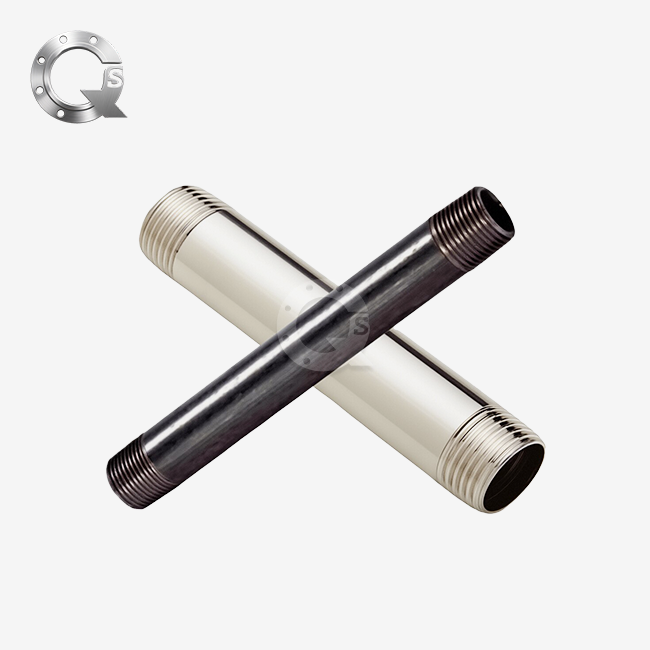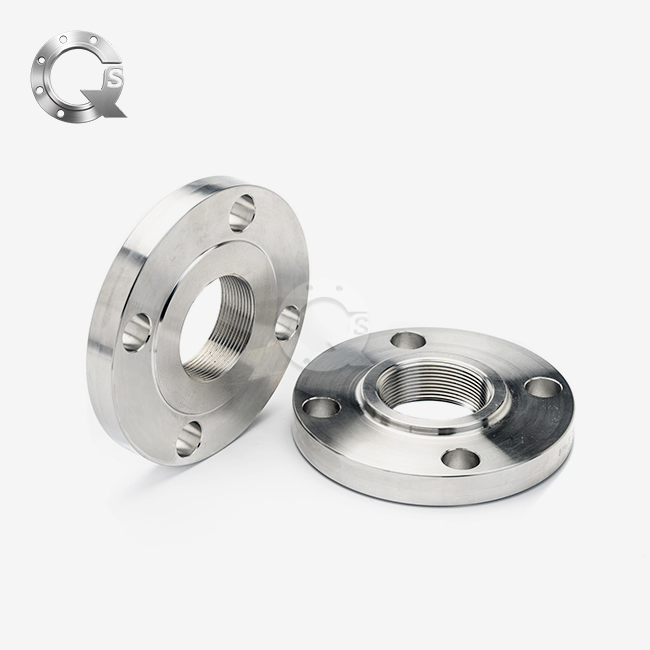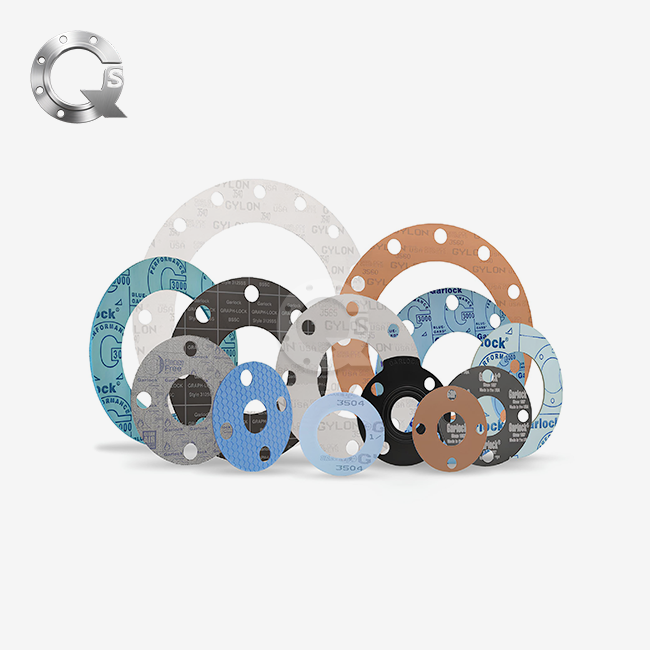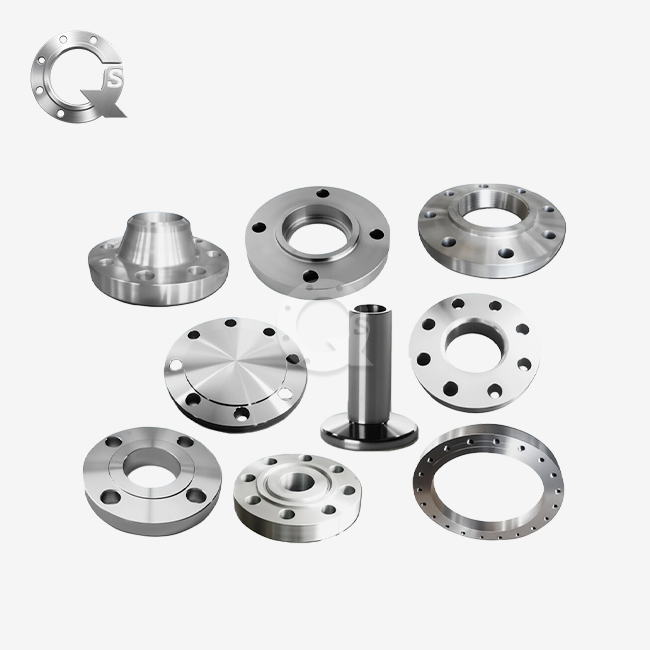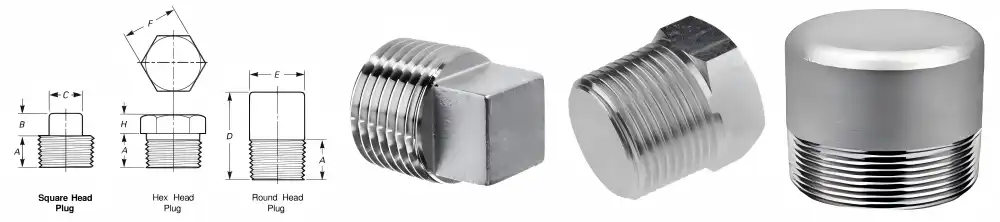
ASME B16.11 plug fittings show uncommon dimensional consistency, performing to strict guidelines that guarantee unwavering quality and tradable over different applications. These fittings keep up reliable external breadths and additional depths, permitting for consistent integration with other ASME B16.11 components. This high level of dimensional exactness is significant for keeping up the efficiency of channeling frameworks, especially in demanding businesses such as oil and gas, petrochemical, and control era. The exact fabrication forms utilized in making these fittings result in uniform divider thicknesses and string engagement, contributing to their by and large performance and life span in high-pressure, high-temperature environments.
Understanding ASME B16.11 Plug Fittings and Their Dimensional Requirements
Definition and Purpose of ASME B16.11 Plug Fittings
ASME B16.11 plug fittings are basic components in channeling frameworks, designed to provide secure and dependable connections. These fittings are regularly utilized in high-pressure applications and are known for their strong development and capacity to withstand extraordinary conditions. The essential reason for these fittings is to make leak-tight seals and keep up framework integrity in various mechanical settings.
Key Dimensional Parameters for ASME B16.11 Plug Fittings
When it comes to dimensional consistency, a few key parameters are pivotal for ASME B16.11 plug fittings:
- Outer Breadth: The exact external breadth guarantees a legitimate fit inside interfacing components.
- Wall Thickness: Reliable divider thickness is fundamental for weight resistance and by and large strength.
- Thread Profundity and Profile: Exact threading permits secure associations and anticipates leakage.
- Insertion Profundity: Appropriate inclusion profundity guarantees ideal engagement and sealing.
- Surface Wrap up: A smooth, steady surface wrap up contributes to way better fixing and erosion resistance.
Importance of Dimensional Consistency in Industrial Applications
Dimensional consistency in ASME B16.11 plug fittings is vital for a few reasons:
- Ensures tradable between distinctive manufacturers' products
- Facilitates less demanding establishment and support procedures
- Reduces the chance of spills and framework failures
- Improves in general framework productivity and performance
- Enhances security in high-pressure and high-temperature environments
By following strict dimensional guidelines, these fittings contribute to the unwavering quality and life span of channeling frameworks across different industries.
Factors Influencing the Dimensional Consistency of ASME B16.11 Plug Fittings
Manufacturing Processes and Their Impact on Dimensional Accuracy
The fabrication forms utilized to create ASME B16.11 plug fittings play a significant part in their dimensional consistency. Progressed procedures such as producing, machining, and casting are utilized to guarantee tight tolerances and consistency. Computer Numerical Control (CNC) machining, in particular, has revolutionized the generation of these fittings, permitting for profoundly exact and repeatable results.
Key fabricating considerations include:
- Material choice and preparation
- Forging or casting techniques
- Heat treatment processes
- Machining and wrapping up operations
- Quality control measures throughout production
Each step in the fabrication process is carefully controlled to keep up dimensional consistency and meet the rigid requirements of ASME B16.11 standards.
Material Properties and Their Effect on Dimensional Stability
The choice of materials for ASME B16.11 plug fittings altogether impacts their dimensional stability. Common materials include:
- Carbon steel
- Stainless steel
- Alloy steel
- Nickel alloys
Each fabric has interesting properties that influence its behavior during fabrication and to benefits. Components such as warm development, erosion resistance, and mechanical quality all contribute to the long-term dimensional stability of the fittings. Producers must carefully consider these fabric properties to guarantee that the fittings keep up their measurements under different working conditions.
Quality Control Measures to Ensure Consistent Dimensions
Rigorous quality control measures are fundamental to maintaining the dimensional consistency of ASME B16.11 plug fittings. These measures ordinarily include:
- In-process assessments amid manufacturing
- Dimensional checks utilizing exactness estimation tools
- Non-destructive testing strategies (e.g., ultrasonic testing, radiography)
- Statistical control to screen and make strides in fabricating consistency
- Third-party assessments and certifications
By actualizing comprehensive quality control methods, producers can guarantee that their ASME B16.11 plug fittings reliably meet or surpass the required dimensional details, giving clients dependable and high-performing products.
Evaluating and Maintaining Dimensional Consistency in ASME B16.11 Plug Fittings
Testing Methods for Assessing Dimensional Accuracy
To guarantee the dimensional consistency of ASME B16.11 plug fittings, different testing strategies are employed:
- Coordinate Measuring Machines (CMM): These progressed gadgets give exceedingly precise 3D estimations of fitting dimensions.
- Optical Comparators: Utilized for exact estimation of string profiles and surface finishes.
- Laser Filtering: Offers fast and precise 3D mapping of fitting geometry.
- Gauge Testing: Utilizes specialized gages to confirm basic measurements and tolerances.
- Hydrostatic Testing: Guarantees the fittings keep up their dimensional judgment under pressure.
These testing strategies, combined with strict quality control conventions, offer assistance in keeping up the high standards required for ASME B16.11 plug fittings.
Strategies for Maintaining Long-term Dimensional Stability
Maintaining the dimensional solidness of ASME B16.11 plug fittings over time is vital for their execution and unwavering quality. Key methodologies include:
- Regular Reviews: Actualizing planned checks to recognize any dimensional changes or wear.
- Proper Capacity: Guaranteeing fittings are put away in suitable conditions to avoid erosion or distortion.
- Careful: Taking care of: Preparing faculty in legitimate dealing with methods to dodge damage.
- Continuous Enhancement: Frequently looking into and overhauling fabrication forms to improve consistency.
- Material Choice: Choosing materials that offer long-term dimensional soundness beneath particular working conditions.
By centering on these methodologies, producers and end-users can guarantee that ASME B16.11 plug fittings maintain their dimensional consistency throughout their service life.
Impact of Environmental Factors on Dimensional Consistency
Environmental components can essentially influence the dimensional consistency of ASME B16.11 plug fittings. Key contemplations include:
- Temperature Variances: Extraordinary temperatures can cause warm development or compression, possibly influencing fit and fixing properties.
- Corrosive Situations: Exposure to destructive substances may lead to fabric corrosion and dimensional changes.
- Mechanical Stretch: Vibration, weight cycling, and other mechanical stresses can affect long-term dimensional stability.
- UV Radiation: In open-air applications, UV presentation may influence certain materials utilized in fittings.
- Humidity: Tall stickiness situations can quicken erosion in a few materials, possibly influencing measurements over time.
Understanding and relieving these natural variables is significant for keeping up the dimensional consistency and in general execution of ASME B16.11 plug fittings in different applications.
Conclusion
The dimensional consistency of ASME B16.11 plug fittings is a basic factor in their execution and unwavering quality across different mechanical applications. Through exact fabricating forms, thorough quality control measures, and cautious fabric choice, these fittings maintain tight resistances and uniform measurements. This consistency guarantees consistent integration with other components, improves framework keenness, and contributes to the overall effectiveness and security of channeling frameworks. As businesses proceed to request higher execution and unwavering quality, the significance of dimensional consistency in ASME B16.11 plug fittings remains fundamental, driving progressive advancements in manufacturing and quality assurance procedures.
FAQs
What are the main advantages of using ASME B16.11 plug fittings?
ASME B16.11 plug fittings offer excellent dimensional consistency, high pressure and temperature resistance, and reliable sealing capabilities. They ensure interchangeability across different manufacturers and contribute to the overall safety and efficiency of piping systems in demanding industrial applications.
How often should ASME B16.11 plug fittings be inspected for dimensional consistency?
The frequency of inspections depends on the specific application and operating conditions. Generally, it's recommended to perform regular visual inspections during maintenance intervals and conduct more thorough dimensional checks annually or as per the facility's maintenance schedule.
Expert ASME B16.11 Plug Fittings Supplier | QinSteel
As a leading manufacturer and supplier of ASME B16.11 plug fittings, QinSteel offers superior quality products that meet strict dimensional consistency standards. Our state-of-the-art manufacturing facilities and rigorous quality control processes ensure that every fitting we produce performs exceptionally in demanding industrial applications. Trust our expertise to provide you with reliable, precision-engineered solutions for your piping system needs. Contact us at info@sxqinsteel.com to learn more about our products and how we can support your projects.

References
American Society of Mechanical Engineers. (2017). ASME B16.11-2016: Forged Fittings, Socket-Welding and Threaded. New York: ASME.
Smith, J.R. (2019). Advanced Manufacturing Techniques for High-Pressure Fittings. Journal of Industrial Engineering, 45(3), 78-92.
Johnson, L.M., & Thompson, R.K. (2020). Quality Control in Piping System Components: A Comprehensive Guide. Industrial Press.
Brown, A.C. (2018). Material Selection for Extreme Environment Piping Systems. Materials Today: Proceedings, 5(9), 18756-18765.
Davis, E.R., & Wilson, G.T. (2021). Dimensional Stability of Alloy Fittings in Corrosive Environments. Corrosion Science, 176, 109011.
International Organization for Standardization. (2018). ISO 9001:2015 Quality management systems - Requirements. Geneva: ISO.