- English
- French
- German
- Portuguese
- Spanish
- Russian
- Japanese
- Korean
- Arabic
- Greek
- German
- Turkish
- Italian
- Danish
- Romanian
- Indonesian
- Czech
- Afrikaans
- Swedish
- Polish
- Basque
- Catalan
- Esperanto
- Hindi
- Lao
- Albanian
- Amharic
- Armenian
- Azerbaijani
- Belarusian
- Bengali
- Bosnian
- Bulgarian
- Cebuano
- Chichewa
- Corsican
- Croatian
- Dutch
- Estonian
- Filipino
- Finnish
- Frisian
- Galician
- Georgian
- Gujarati
- Haitian
- Hausa
- Hawaiian
- Hebrew
- Hmong
- Hungarian
- Icelandic
- Igbo
- Javanese
- Kannada
- Kazakh
- Khmer
- Kurdish
- Kyrgyz
- Latin
- Latvian
- Lithuanian
- Luxembou..
- Macedonian
- Malagasy
- Malay
- Malayalam
- Maltese
- Maori
- Marathi
- Mongolian
- Burmese
- Nepali
- Norwegian
- Pashto
- Persian
- Punjabi
- Serbian
- Sesotho
- Sinhala
- Slovak
- Slovenian
- Somali
- Samoan
- Scots Gaelic
- Shona
- Sindhi
- Sundanese
- Swahili
- Tajik
- Tamil
- Telugu
- Thai
- Ukrainian
- Urdu
- Uzbek
- Vietnamese
- Welsh
- Xhosa
- Yiddish
- Yoruba
- Zulu
How is the Sealing Precision of ASME B16.5 Flanges Guaranteed?
Nov 24 2025
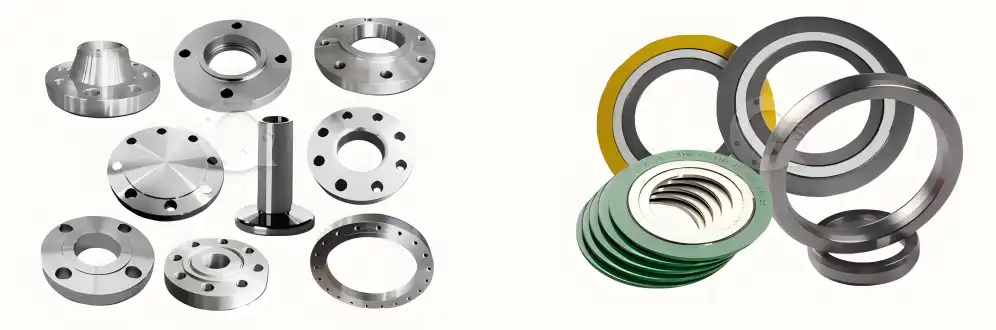
The sealing precision of ASME B16.5 flanges is guaranteed through a combination of stringent design specifications, precise manufacturing processes, and rigorous quality control measures. These flanges feature carefully engineered sealing surfaces with strict dimensional tolerance control, ensuring a tight fit with gaskets and reliable sealing under standard operating conditions. The ASME B16.5 standard outlines specific requirements for flange dimensions, surface finishes, and material properties, all of which contribute to the exceptional sealing performance of these components. Additionally, manufacturers employ advanced machining techniques and conduct thorough inspections to maintain the high level of precision required for optimal sealing in various industrial applications.
Design and Manufacturing Specifications for ASME B16.5 Flanges
Dimensional Tolerances and Their Importance
ASME B16.5 flanges are designed with precise dimensional tolerances that play a crucial role in ensuring their sealing precision. These tolerances cover various aspects of the flange, including:
- Flange face flatness
- Bolt hole positioning
- Overall diameter and thickness
- Raised face height (for applicable flange types)
By adhering to these strict tolerances, manufacturers can produce flanges that consistently provide a tight, reliable seal when paired with appropriate gaskets. The precision in dimensions allows for even pressure distribution across the sealing surface, minimizing the risk of leaks and ensuring optimal performance in high-pressure or critical applications.
Surface Finish Requirements
The surface finish of ASME B16.5 flanges is another critical factor in guaranteeing sealing precision. The standard specifies requirements for:
- Surface roughness (typically measured in microinches)
- Flatness and parallelism of sealing surfaces
- Absence of defects such as scratches, pits, or tool marks
A properly finished flange surface ensures better contact with the gasket, reducing the likelihood of leaks and improving overall sealing performance. Manufacturers use advanced machining techniques and specialized equipment to achieve the required surface finish, often employing computer-controlled machines for consistency and precision.
Material Selection and Quality Control
The choice of materials for ASME B16.5 flanges is crucial in maintaining sealing precision over time. Manufacturers select materials that offer:
- Excellent corrosion resistance
- High strength and durability
- Resistance to thermal cycling and mechanical stress
Common materials include various grades of stainless steel, carbon steel, and alloy steels. Each material undergoes rigorous testing to ensure compliance with ASME standards and to verify its suitability for specific applications. Quality control measures, such as material certifications, chemical analysis, and mechanical property testing, are implemented to guarantee the consistency and reliability of the flange materials.
Manufacturing Processes and Quality Assurance
Advanced Machining Techniques
The manufacturing of ASME B16.5 flanges involves sophisticated machining processes to achieve the required precision. These techniques include:
- Computer Numerical Control (CNC) machining for accurate dimensioning
- Precision turning and boring operations
- Specialized surface finishing methods
Manufacturers invest in state-of-the-art equipment and train skilled operators to ensure that each flange meets the exacting standards set by ASME B16.5. The use of advanced machining techniques allows for consistent production of high-quality flanges with precise sealing surfaces, contributing significantly to their overall sealing performance.
Inspection and Testing Procedures
Rigorous inspection and testing procedures are essential in guaranteeing the sealing precision of ASME B16.5 flanges. These procedures typically include:
- Dimensional checks using calibrated measuring instruments
- Surface roughness measurements
- Non-destructive testing (NDT) such as ultrasonic or magnetic particle inspection
- Hydrostatic pressure testing for leak detection
Each flange undergoes multiple inspections throughout the manufacturing process, with final checks performed before shipment. These comprehensive quality control measures ensure that only flanges meeting or exceeding ASME B16.5 specifications are released for use in critical applications.
Certification and Documentation
To further guarantee the sealing precision of ASME B16.5 flanges, manufacturers provide extensive documentation and certifications, including:
- Material Test Reports (MTRs) detailing chemical composition and mechanical properties
- Dimensional inspection reports
- Pressure test certificates
- Quality assurance documentation
These documents offer traceability and assurance to end-users, confirming that the flanges meet all required specifications and are suitable for their intended applications. The certification process often involves third-party inspections or audits, adding an extra layer of verification to the manufacturer's quality control system.
Factors Affecting Long-term Sealing Performance
Proper Installation and Maintenance
While the manufacturing process ensures initial sealing precision, proper installation and maintenance are crucial for long-term performance. Key considerations include:
- Correct bolt tightening procedures and torque values
- Use of appropriate gaskets and sealing compounds
- Regular inspection and retightening of bolts
- Monitoring for signs of corrosion or wear
Adhering to recommended installation practices and performing routine maintenance helps preserve the sealing integrity of ASME B16.5 flanges throughout their service life. Proper training of installation and maintenance personnel is essential to ensure these procedures are followed correctly.
Environmental and Operational Factors
The sealing precision of ASME B16.5 flanges can be affected by various environmental and operational factors, including:
- Temperature fluctuations and thermal cycling
- Pressure variations and cyclic loading
- Exposure to corrosive substances or harsh environments
- Vibration and mechanical stress
Understanding these factors and selecting appropriate flange materials and designs for specific operating conditions is crucial. Regular monitoring and preventive maintenance can help identify and address potential issues before they compromise the flange's sealing performance.
Gasket Selection and Compatibility
The choice of gasket plays a significant role in maintaining the sealing precision of ASME B16.5 flanges. Considerations for gasket selection include:
- Compatibility with the process fluid and operating conditions
- Appropriate material and design for the flange type and pressure rating
- Proper compression and recovery characteristics
- Resistance to creep and relaxation over time
Using high-quality gaskets that are compatible with both the flange and the application ensures optimal sealing performance. Regular inspection and replacement of gaskets as part of a preventive maintenance program help maintain the integrity of the flange joint over extended periods.
Conclusion
The sealing precision of ASME B16.5 flanges is guaranteed through a combination of stringent design specifications, advanced manufacturing processes, and comprehensive quality control measures. From precise dimensional tolerances and surface finish requirements to rigorous material selection and testing procedures, every aspect of flange production is carefully controlled to ensure optimal sealing performance. However, maintaining this precision over time requires proper installation, regular maintenance, and consideration of environmental and operational factors. By understanding and addressing these elements, users can rely on ASME B16.5 flanges to provide reliable, leak-free connections in a wide range of industrial applications.
FAQs
What is the main purpose of ASME B16.5 flanges?
ASME B16.5 flanges are designed to provide reliable, standardized connections in piping systems, ensuring leak-free joints under various operating conditions.
How often should ASME B16.5 flanges be inspected?
Inspection frequency depends on the application, but generally, visual inspections should be performed annually, with more thorough examinations every 3-5 years or as required by industry regulations.
Can ASME B16.5 flanges be reused?
While it's possible to reuse these flanges, it's crucial to thoroughly inspect them for damage, wear, or deformation before reinstallation. In critical applications, using new flanges is often recommended for optimal safety and performance.
Get High-Quality ASME B16.5 Flanges for Your Project | QinSteel
At Xi'An QinSteel Trading Co., Ltd., we specialize in manufacturing and supplying premium ASME B16.5 flanges that meet the highest industry standards. As a leading flange supplier and manufacturer, we offer a wide range of sizes and materials to suit your specific project requirements. Our state-of-the-art production facilities and rigorous quality control processes ensure that every flange we produce delivers exceptional sealing precision and reliability. Contact us today at info@sxqinsteel.com to discuss your flange needs and experience our commitment to quality and customer satisfaction.

References
American Society of Mechanical Engineers. (2017). ASME B16.5-2017: Pipe Flanges and Flanged Fittings NPS 1/2 Through NPS 24 Metric/Inch Standard.
Nayyar, M. L. (2000). Piping Handbook (7th ed.). McGraw-Hill Education.
Antaki, G. A. (2003). Piping and Pipeline Engineering: Design, Construction, Maintenance, Integrity, and Repair. CRC Press.
Smith, P., & Zappe, R. W. (2004). Valve Selection Handbook: Engineering Fundamentals for Selecting the Right Valve Design for Every Industrial Flow Application (5th ed.). Gulf Professional Publishing.
American Petroleum Institute. (2018). API Standard 6FB: Specification for Fire Test for End Connections.
Fluid Sealing Association. (2017). Gasket Handbook. FSA.
Learn about our latest products and discounts through SMS or email