- English
- French
- German
- Portuguese
- Spanish
- Russian
- Japanese
- Korean
- Arabic
- Greek
- German
- Turkish
- Italian
- Danish
- Romanian
- Indonesian
- Czech
- Afrikaans
- Swedish
- Polish
- Basque
- Catalan
- Esperanto
- Hindi
- Lao
- Albanian
- Amharic
- Armenian
- Azerbaijani
- Belarusian
- Bengali
- Bosnian
- Bulgarian
- Cebuano
- Chichewa
- Corsican
- Croatian
- Dutch
- Estonian
- Filipino
- Finnish
- Frisian
- Galician
- Georgian
- Gujarati
- Haitian
- Hausa
- Hawaiian
- Hebrew
- Hmong
- Hungarian
- Icelandic
- Igbo
- Javanese
- Kannada
- Kazakh
- Khmer
- Kurdish
- Kyrgyz
- Latin
- Latvian
- Lithuanian
- Luxembou..
- Macedonian
- Malagasy
- Malay
- Malayalam
- Maltese
- Maori
- Marathi
- Mongolian
- Burmese
- Nepali
- Norwegian
- Pashto
- Persian
- Punjabi
- Serbian
- Sesotho
- Sinhala
- Slovak
- Slovenian
- Somali
- Samoan
- Scots Gaelic
- Shona
- Sindhi
- Sundanese
- Swahili
- Tajik
- Tamil
- Telugu
- Thai
- Ukrainian
- Urdu
- Uzbek
- Vietnamese
- Welsh
- Xhosa
- Yiddish
- Yoruba
- Zulu
Flat Plate Flange Explained: Structure and Uses
Jan 14 2026
A simple flat form and accurate bolt hole patterns make up a flat plate flange, which is one of the most basic and useful parts of industrial pipe systems. In the oil and gas, power generation, chemical processing, and water treatment industries, this vital link is used to seal fluid transfer uses and performs other important tasks. Engineers and procurement workers can make their projects more cost-effective and improve system performance by learning about the different structural properties and uses of flat plate flanges.

Understanding Flat Plate Flanges: Definition and Core Characteristics
In industrial systems, flat plate flanges are very important mechanical links that join pipe pieces, valves, and equipment. In contrast to raised face or RTJ flanges, these parts have a completely flat closing surface that spreads pressure evenly across the whole contact area. Plate flanges are great for low- to medium-pressure uses where cost-effectiveness is still important because they have a simple structure.
Essential Structural Features
Flat plate flanges are made up of a few key components that work together to make sure they work well. Because the closing face is flat, the gasket is compressed evenly, so there are no stress points that could weaken the joint. The bolt holes are carefully cut to meet international standards. This makes sure that they work with standard screws and makes fitting easy.
Manufacturing specs usually follow well-known guidelines like AS 2129, BS 4504, and EN 1092-1. These outline important measurements like the required width, bolt circle diameter, and outer diameter. These uniform measurements make sure that all global supply chains can work together and that success traits stay the same.
Material Selection and Properties
The choice of material has a big effect on how well and how long flat plate flanges work in different settings. Grades of carbon steel like A105 and A36 have great mechanical qualities for general-purpose uses. They are strong enough without being too expensive. When the temperature and pressure are normal, like they are in water treatment and most industry settings, these materials work consistently.
Stainless steel types, especially F304 and F316 grades, are better at resisting rust, which is important for chemical handling and marine settings. The chromium and nickel in these metals create an oxide layer that protects them from breaking down when they are exposed to harsh media or ocean air.
Modern types of duplex steel, like F51, F53, and F55, mix the best features of austenitic and ferritic structures to make them very strong and resistant to rust. These high-quality materials work really well in tough places like oil platforms at sea and places with a lot of chlorine, where regular stainless steels might get pitting or stress corrosion breaking.
Comparing Flat Plate Flanges: Benefits and Alternatives
When choosing between flat plate flanges and other types of flanges, you need to carefully think about a number of performance factors. Depending on the application needs, pressure conditions, and fitting limitations, each flange shape has its own unique benefits.
Performance Advantages of Flat Face Design
Flat plate flanges work great in situations where even gasket tension is important for making sure the seal is reliable. The flat binding surface spreads the tightening forces out evenly, which lowers the chance that the gasket will come out or be compressed unevenly, which can cause leaks. Because of this, they work especially well for full-face seals and situations where the pipe material is weak, like cast iron or some plastics.
The simpler shape also makes it easier to make, which leads to more uniform standards in dimensions and lower production costs. When checking for quality, it's easier to do so on flat areas than on shapes that are more complicated on other types of flanges.
Comparison with Alternative Flange Types

Because their necks are built in, weld neck flanges are very strong and work well in high-pressure and high-temperature situations. This structural benefit does, however, come at a cost of higher material and welding costs. For mild pressure systems where the extra strength of weld neck designs is needed but not wanted, flat plate flange options are a cheaper option.
Plate flanges and slip-on flanges are both cheaper, but slip-on flanges need two different welds, which could leave weak spots in important uses. Plate flanges' single flat surface takes away these worries while keeping fitting simple.
Lap joint flanges can handle temperature expansion better than hard plate designs, but they add extra parts that can make upkeep more difficult. The simple form of flat plate flanges cuts down on the need for inventory and makes managing extra parts easier.
Installation and Practical Uses of Flat Plate Flanges
Flat plate flange fittings work best and last the longest when they are installed properly. Knowing the right way to do something can help you avoid problems like uneven bolt loading, seal damage, and premature failure that can lower the effectiveness of a system.
Step-by-Step Installation Procedures
Before installing, both flange sides are carefully cleaned to get rid of any dirt, oil, or rust that might get in the way of proper sealing. A look at the surface should make sure that the smoothness limits meet the standards, which are usually within ±0.5mm across the closing circle.
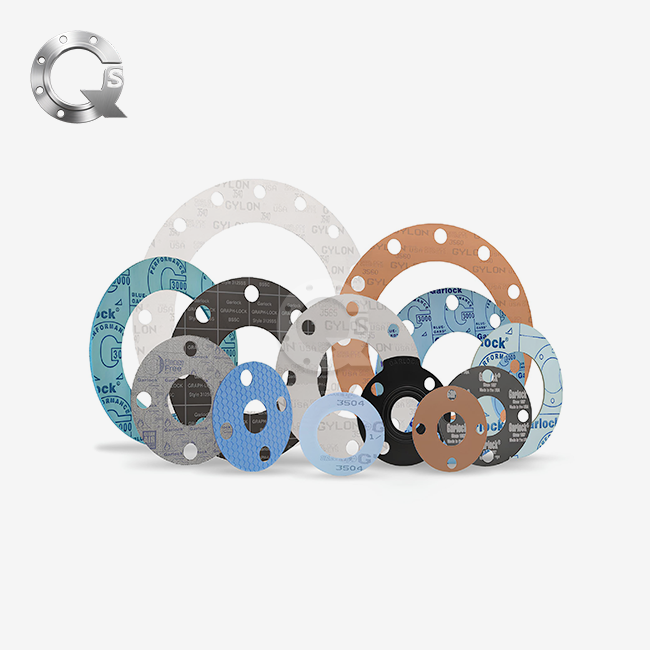
The type of media, temperature, and pressure affect the choice of gasket. Full-face gaskets work especially well with flat plate flanges because they cover the whole surface and seal very well. Care must be taken to center the seal so that it doesn't move when the bolts are tightened.
To make sure that stress is spread out evenly, bolt placement follows a set cross-pattern order. Before adding the torque values required by flange standards, all bolts must be hand-tightened until they are finger-tight. Tightening in steps keeps the seal from getting damaged while still reaching the goal bolt loads.
Industrial Applications and Case Studies
When solid sealing performance is more important than the ability to withstand high pressures, flat plate flanges are frequently used in oil and gas activities. These flanges are used by refineries in process pipe systems that handle different chemical streams because they are cost-effective for installing a lot of them.
For cooling water systems and secondary pipe networks, power production centers depend on flat plate flange. The flat closing face works really well with rubber gaskets that are often used in these situations, so they last a long time even when the temperature changes.
When working with acidic media that needs consistent closing performance, chemical processing plants benefit from the regular compression properties of gaskets. The flat design lets you use special sealing materials like PTFE or carbon composites that might not work as well with higher face designs.
Water treatment plants like flat plate flanges because they are easy to use and reliable in transport systems and treatment equipment. For municipal uses, the lower upkeep needs and easy repair processes that cause fewer service interruptions are especially valuable.
Procurement Considerations for Flat Plate Flanges
When looking for flat plate flanges for industrial use, strategic buying methods can have a big effect on project prices and timelines. Knowing how the market works, what suppliers can do, and what quality standards are needed helps you make smart buying choices that balance lowering costs with ensuring reliable performance.
Sourcing Channels and Supplier Evaluation
Original Equipment Manufacturers (OEMs) guarantee the best quality, but they usually have longer wait times and higher minimum order numbers. These suppliers offer full material approvals and testing records that are needed for important jobs in the oil and gas or power generation industries.
Wholesale wholesalers keep popular sizes and materials in stock so that orders can be sent out more quickly. They bridge the gap between OEM quality and market reach. A lot of the time, established wholesalers offer extra services that make the buying process easier, such as special cutting or managing certifications.
Online sites have changed the way people buy flanges by making price and feature comparisons easy to see. But it gets harder to check the quality, so the name of the provider and compliance with approval requirements become very important.
Cost Optimization Strategies
Choosing the right materials has a huge effect on how much the whole job costs, especially when a lot of them are needed. For everyday uses, carbon steel grades like A105 are a great deal. Stainless steel upgrades, on the other hand, should only be used in places where the extra cost is worth it for the rust protection.
It is possible to save a lot of money by buying flat plate flange items in bulk, especially when arranging needs across multiple project stages. Suppliers often use tiered price systems that offer better unit costs and better service levels to customers who make bigger promises.
Managing lead times means weighing the costs of goods against the risks to the project plan. When you buy long-lead things early, you can avoid expensive shipping fees and keep your cash flow smooth. Setting up basic deals with qualified suppliers keeps prices stable and gives suppliers priority when the market is tight.
Company Introduction and Solutions Overview
QinSteel is one of the best companies in the world to make and sell precision-engineered flat plate flanges. They work with a wide range of industries in the Americas, Europe, Africa, and Southeast Asia. With twenty years of experience in making flanges and trading internationally, we have become a reliable partner for businesses that need pipe solutions that meet high standards of quality and performance.
Advanced Manufacturing Capabilities
Our cutting-edge factories are certified by ISO 9001, CE, and PED, which means that quality control is maintained throughout the whole production process. Before it is shipped, every flat plate flange goes through a full set of pressure tests, a check of its dimensions to within ±0.5 mm, and a look at its surface finish. Customers can be sure that the product will always work and be reliable thanks to this strict quality assurance procedure.
For everyday use, the wide range of materials includes carbon steel types A105, A350 LF2, and A36. For tougher conditions, there are also high-quality stainless steels F304 and F316 and advanced duplex steels F51, F53, and F55. Sizes can be made from DN15 to DN4000, so they can be used for both small-bore systems and large-diameter pipelines. The pressure levels go from PN6 to P400, which is all the range of needs that industries have.
Global Service Excellence
Our focus on the customer means that we offer full support, from helping with the initial specifications to providing expert support after delivery. The focused research and development team works with clients to create unique solutions that meet the needs of each system. This makes sure that the products work well and fit perfectly in specific situations.
Strategically gathering raw materials and optimizing transportation networks allow delivery times of 15 to 30 days for standard goods, while still leaving room for urgent project needs. Our dedication to serving the whole market is shown by the low minimum order amounts that work for both new businesses and big contractors.
Customers can try out products before they commit to full orders with sample services, and OEM/ODM options help with private marking and custom design needs. Full recording of material tracking and compliance reports make it easier for systems to work with customer quality control systems.
Conclusion
Flat plate flanges are the best choice for many industrial pipe uses because they are simple, reliable, and cost-effective. Their simple design makes them easy to install and keep up, and they have reliable closing performance in a wide range of working situations. Because the material is so flexible, it can be used in a wide range of settings, from simple water systems to harsh chemical processing areas. This makes these flanges essential parts of modern industry infrastructure. Engineers and purchasing workers can use the full potential of flat plate flange technology for successful project completion if they know the right selection criteria, installation processes, and buying strategies.
FAQs
What kinds of pressures can flat plate edges handle?
Flat plate flanges can handle pressures ranging from PN6 to P400, which means they can be used in low-pressure water systems as well as medium-pressure industrial settings. According to standards like AS 2129, BS 4504, and EN 1092-1, the exact pressure that can be applied varies on the type of material, the thickness of the joint, and the way the bolts are set up.
How do I figure out what the right ring sizes are for my use?
The outer diameter, bolt circle diameter, bolt hole size, and width of a flange are all listed in standard tables. These tables are based on the estimated pipe size and pressure number. Checking the right standard (AS 2129, BS 4504, or EN 1092-1) makes sure that the new parts will work with the old ones and keeps the system's integrity.
What makes flat plate flanges better than other types of flanges?
Flat plate flanges allow for even tension of the seal, easier fitting, and cheaper production. They work great with full-face gaskets and brittle pipe materials, and they're easier to maintain and check for quality than more complicated flange shapes.
Which materials should I use in places where corrosion is likely to happen?
Grades F316 and F316L of stainless steel are very good at resisting rust in general, while grades F51, F53, and F55 of duplex steel work better in high-chloride settings. When choosing a material, it's important to think about how well it works with certain media, the temperature, and how long it needs to last.
Contact QinSteel for Premium Flat Plate Flange Solutions
QinSteel makes flat plate flanges that are precisely designed to meet the strict needs of industrial uses around the world. Our wide range of materials, from carbon steel A105 to luxury duplex types, makes sure that our products work well in all kinds of situations. We are a trusted flat plate flange provider that can help your project succeed. Our production is ISO 9001 approved, and we can deliver within 15 to 30 days. You also have a lot of customization options. Email our expert team at info@sxqinsteel.com to talk about your unique needs and get quotes that are suited to your buying needs.

References
American Society of Mechanical Engineers. "ASME B16.5 Pipe Flanges and Flanged Fittings: NPS 1/2 through NPS 24 Metric/Inch Standard." New York: ASME Press, 2020.
British Standards Institution. "BS 4504-1:1989 Specification for Flanges and Bolting for Pipes, Valves and Fittings." London: BSI Standards Publication, 1989.
European Committee for Standardization. "EN 1092-1:2018 Flanges and their Joints - Circular Flanges for Pipes, Valves, Fittings and Accessories." Brussels: CEN Publications, 2018.
Standards Australia. "AS 2129:2000 Flanges for Pipes, Valves and Fittings." Sydney: Standards Australia International, 2000.
Bickford, John H. "Introduction to the Design and Behavior of Bolted Joints: Non-Gasketed Joints, Fourth Edition." Boca Raton: CRC Press, 2007.
Megyesy, Eugene F. "Pressure Vessel Handbook, 16th Edition." Tulsa: Pressure Vessel Publishing, 2016.
Learn about our latest products and discounts through SMS or email