- English
- French
- German
- Portuguese
- Spanish
- Russian
- Japanese
- Korean
- Arabic
- Greek
- German
- Turkish
- Italian
- Danish
- Romanian
- Indonesian
- Czech
- Afrikaans
- Swedish
- Polish
- Basque
- Catalan
- Esperanto
- Hindi
- Lao
- Albanian
- Amharic
- Armenian
- Azerbaijani
- Belarusian
- Bengali
- Bosnian
- Bulgarian
- Cebuano
- Chichewa
- Corsican
- Croatian
- Dutch
- Estonian
- Filipino
- Finnish
- Frisian
- Galician
- Georgian
- Gujarati
- Haitian
- Hausa
- Hawaiian
- Hebrew
- Hmong
- Hungarian
- Icelandic
- Igbo
- Javanese
- Kannada
- Kazakh
- Khmer
- Kurdish
- Kyrgyz
- Latin
- Latvian
- Lithuanian
- Luxembou..
- Macedonian
- Malagasy
- Malay
- Malayalam
- Maltese
- Maori
- Marathi
- Mongolian
- Burmese
- Nepali
- Norwegian
- Pashto
- Persian
- Punjabi
- Serbian
- Sesotho
- Sinhala
- Slovak
- Slovenian
- Somali
- Samoan
- Scots Gaelic
- Shona
- Sindhi
- Sundanese
- Swahili
- Tajik
- Tamil
- Telugu
- Thai
- Ukrainian
- Urdu
- Uzbek
- Vietnamese
- Welsh
- Xhosa
- Yiddish
- Yoruba
- Zulu
Why ASTM A105 Steel Flange Is Widely Used in Oil & Gas Pipelines?
Jan 14 2026
ASTM A105 steel flanges are the most common type used in oil and gas pipelines because they are very strong, don't rust, and are reliable even in harsh circumstances. These cast carbon steel parts work great in places with a lot of pressure and heat. They make links that are safe and won't leak, which is important for upstream, middle, and downstream operations. They follow worldwide standards like ASME B16.5 and API guidelines, which makes sure that projects around the world get the same level of performance. Because they are affordable, easy to find, and have been shown to last, ASTM A105 flanges are the best choice for buying workers who are in charge of important transportation infrastructure.

Understanding ASTM A105 Steel Flanges: Specifications and Material Properties
For high-pressure pipe uses in the oil and gas business, ASTM A105 steel flanges represent a class of cast carbon steel components. The normalized carbon steel used to make these flanges goes through controlled heat treatment methods to get the best mechanical qualities. The makeup of the material usually has a maximum carbon content of 0.35%, a manganese content of 0.60% to 1.05%, and limited amounts of phosphorus and sulfur to make sure it is easier to weld and stronger.
Chemical Composition and Mechanical Strength
Although ASTM A105 material has great performance qualities, they are made of chemicals that make them those ways. The amount of carbon is carefully controlled to get the right mix of strength and flexibility. Manganese makes the material harder and stronger in tension. The silicon presence helps with deoxidation while steel is being made, which makes the material cleaner and with fewer impurities. Together, these parts give the material a tensile strength of up to 70,000 psi (485 MPa) and a yield strength of about 36,000 psi (250 MPa).
Processes that use heat are very important for getting these mechanical qualities. For the normalization process, the cast flanges are heated to about 1,650°F (900°C) and then cooled with air. This process improves the structure of the grains, gets rid of internal stresses, and makes sure that the ring body has the same mechanical properties all the way through. The nanoscale that was made is very resistant to impact, which is important for uses that will be subject to temperature cycles and dynamic loading, which are common in oil and gas operations.
Dimensional Standards and Compliance
There are several foreign standards for the sizes of ASTM A105 flanges. For North American markets, ASME B16.5 is the most common norm. Critical measurements, such as bolt circle widths, bolt hole sizes, flange thickness, and face features, are set out in these guidelines. The standard includes pressure classes from 150 lb to 2500 lb, which means it can be used for all kinds of pipeline pressures, from low-pressure gathering systems to high-pressure transmission lines.
Manufacturing limits spelled out in ASME B16.5 make sure that flanges from different sources can be used together without affecting the quality of the joint. To stop leaks and make sure the seal compresses properly, important measurements like bolt hole alignment, face finish, and bore concentricity are carefully managed. Dimensional checks are done with coordinate measuring tools, and the surface finish is checked to make sure it meets the hardness requirements for the different types of faces.
Surface Finishing and Facing Options
ASTM A105 steel flanges are very flexible because they come with a number of different face choices that are made to meet specific closing needs. For most oil and gas jobs, raised face (RF) finishing is still the best option because it gives normal spiral wound or steel gaskets a smooth surface to seal against. The raised face is usually 1/16 inch higher than the flange surface and has a controlled surface finish of 125 to 250 microinches for the best seal performance.
Ring Type Joint (RTJ) face is another important choice for high-pressure uses that go beyond 1500 psi working pressure. When these flanges are put together, they have holes that were carefully made to fit metallic ring gaskets. These gaskets connect metal to metal even under high temperatures and pressures. To make sure the ring gasket compresses properly and avoids spiral failure modes that are common in rubber sealing systems, the groove sizes and surface finish are carefully managed.
Comparing ASTM A105 Flanges with Alternative Materials and Grades
When purchasing workers know how ASTM A105 flanges compare to other products, they can make better choices based on the needs of the job. The comparison looks at things like mechanical qualities, resistance to rust, temperature limits, and economic factors that have a direct effect on the total cost of ownership in oil and gas uses.
ASTM A105 vs. ASTM A350 LF2 Performance Analysis
ASTM A350 LF2 flanges are made of a low-temperature version of normal A105 material and are meant to work in temperatures below -20°F (-29°C). Both materials have similar chemical makes-ups, but A350 LF2 goes through extra impact tests at lower temperatures to make sure it has the right hardness properties. When A350 LF2 is standardized and bent, it has better impact strength at freezing temperatures. This makes it necessary for LNG uses and installations in cold climates.
At room temperature, A350 LF2 has mechanical qualities that are very similar to those of A105. Its tensile strength can reach 70,000 to 95,000 psi, based on its thickness. However, the extra heat treatment and impact testing rules make the material prices about 15 to 25 percent higher than for regular A105 flanges. When choosing between these materials, people who make procurement decisions should think about the specific working temperature range and the possible effects of brittle fracture.
Delivery schedules also differ significantly between these grades. Because manufacturing methods are regulated, ASTM A105 flanges are easy to find and have faster wait times. Due to the need for more tests and special heat treatment methods, A350 LF2 flanges often have longer shipping times, especially for bigger sizes and higher pressure classes.
Stainless Steel Alternatives and Cost Considerations
Compared to carbon steel choices, stainless steel flanges made from materials like ASTM A182 F316 are better at resisting rust. However, they are much more expensive and can't be used in all situations. The austenitic stainless steel is very good at resisting stress corrosion cracking caused by salt and general air rust. This makes it a good choice for marine and coastal uses.
But, based on the market and the metal content, the price difference between stainless steel and ASTM A105 carbon steel can be more than 300–400%. Because of this, stainless steel is usually only used for certain tasks where its resistance to rust makes it worth the extra cost. A105 flanges with the right rust protection treatments are used successfully in many oil and gas projects, giving the same service life at much lower costs.
Because stainless steel expands and contracts with temperature, it can be hard to build systems with more than one material. The higher expansion coefficient can cause thermal stress to build up at the point where carbon steel pipes meet stainless steel flanges. This could cause the pipes to fail early in high-temperature cycle situations.
Performance in Sour Service Environments
Sour service uses with hydrogen sulfide present special challenges when choosing materials. When defined and made correctly, ASTM A105 steel flanges are the best choice. The NACE MR0175/ISO 15156 standard tells you how to choose materials for sour conditions. It has specific strength limits and manufacturing requirements for carbon steel parts.
If you follow the right heat treatment steps, ASTM A105 flanges can work well in bad service as long as the hardness level stays below 22 HRC. Because of this need, industry often needs stress-relieving treatments and controlled cooling rates. Many upstream oil and gas projects choose A105 material over more expensive alloys because it is relatively cheap and has been shown to work well in bad service situations.
In bad service uses, material tracking is very important, and full records of heat treatment methods, chemical analyses, and mechanical tests results are needed. Manufacturers with a good reputation give full material test certificates (MTC) that show they meet NACE standards and let project-specific material approval steps happen.

Procurement Considerations for ASTM A105 Steel Flanges
To buy ASTM A105 flanges successfully, you need to know how the market works, what your suppliers can do, and how shipping affect project prices and timelines. Because oil and gas projects happen all over the world, they need smart ways to find suppliers that balance quality, speed, and cost while also making sure they meet project requirements and foreign standards.
Market Pricing and Cost Structure Analysis
The prices of ASTM A105 flanges are based on a number of factors, such as the cost of raw materials, the difficulty of making them, the demand in the market, and the supplier's capacity utilization. Base material costs usually make up 40 to 50 percent of the final price of the plate, and the price of steel directly affects the length of time a quote is good. Manufacturing costs include things like casting, drilling, heat treatment, and quality control. These costs change depending on the size of the flange, the pressure class, and the needs of the standard.
Pricing levels based on quantity can save you a lot of money on big jobs. Orders that are more than 100 tons often get deals that are 8 to 15% less than the normal price. To get the best prices and keep track of stocking costs and storing needs, procurement strategies should think about combining the needs for flanges across multiple project stages.
Prices vary by region because of differences in how things can be made and how much it costs to move them. Standard ASME B16.5 flanges from Asian providers are often priced competitively. On the other hand, North American and European makers may be better for specific uses that need fast shipping or a lot of customization. Changes in trade policies and currencies make foreign buying choices even more difficult.
Supplier Qualification and Certification Requirements
Suppliers who want to be qualified must show that they can make products that meet the quality standards of the oil and gas business. ISO 9001 certification is the basis for quality management systems, and API Q1 approval is specific to the needs of the oil and gas business. For projects in the European Union, PED (Pressure Equipment Directive) approval is now required. This means more paperwork and inspections by a third party.
Factory checks help make sure that suppliers can do what they say they can do and that quality control methods are followed. Forging capacity, heat treatment skills, machine accuracy, and the ability to do non-destructive testing are some of the most important rating factors. For specialized flange repair or change procedures, suppliers should keep approved welding methods and trained welding staff on hand.
Transparency in the sourcing of materials makes it possible to track back to steel mills and heat treatment plants. Reliable sellers give thorough paperwork about the supply chain, such as mill test certificates, heat treatment records, and inspection reports from a third party. This paperwork is very important for project material books and following the rules in different places.
Logistics and Delivery Optimization
Transportation costs have a big effect on the total landing costs of ASTM A105 flanges, especially for parts with a large diameter and a high pressure class. Container optimization techniques help keep freight costs low by making the best use of weight while staying within the limits of size. Freight effectiveness can be improved by filling containers with goods that go well together, like fittings and valves.
What needs to be packaged for ASTM A105 steel flanges depends on how it will be transported and how long it will be stored. Export packing usually has barrier against moisture, rust, and impacts that can handle multiple handling operations. When you package things correctly, you keep the surfaces from getting damaged or rusty, which could lead to rejection upon receiving and project delays.
For just-in-time building plans, which are popular in oil and gas projects, it's important to coordinate delivery timetables. Suppliers should show that they can be flexible with their production schedules and keep standard stock levels for common sizes and pressure classes. Having emergency transport options can help when a project needs to move faster than planned or when materials run out, which could affect activities on the critical path.
Installation and Maintenance Best Practices for ASTM A105 Steel Flanges
As long as ASTM A105 flanges are installed and maintained correctly, they will protect the environment, keep pipelines safe, and work reliably. For these steps to work, you need to have scientific knowledge, the right tools, and to follow best practices that have been developed over decades of working in the oil and gas business.
Installation Procedures and Torque Specifications
When you tighten bolts the right way, you make sure that the gasket is compressed evenly and that there are no leaks. You also make sure that the bolts don't get too stressed, which could damage the flange or break the bolt. The ASME PCC-1 standard has detailed instructions on how to put together flanges. These instructions include how to tighten bolts, how much force to use, and how to place gaskets for different types of flanges and pressure classes.
The cross-pattern bolt tightening process properly compresses the gasket and keeps the flange from warping while it is being put together. Before applying the stated torque values in multiple passes, the first hand-tight fitting should make sure that the seal contacts evenly. Each pass usually applies 30–50% of the end pressure value. This lets the seal material flow and smooth out any small surface flaws.
When figuring out torque values, you have to take into account how the bolts are oiled, how temperature changes, and how the seal is made. When compared to oiled parts, clean, dry threads need more pressure. Also, changes in temperature can affect the tightness of bolts and the compression of gaskets. In the field, torque tweaks are often needed because of changes in temperature and humidity that affect how gaskets behave.
Gasket Selection and Compatibility
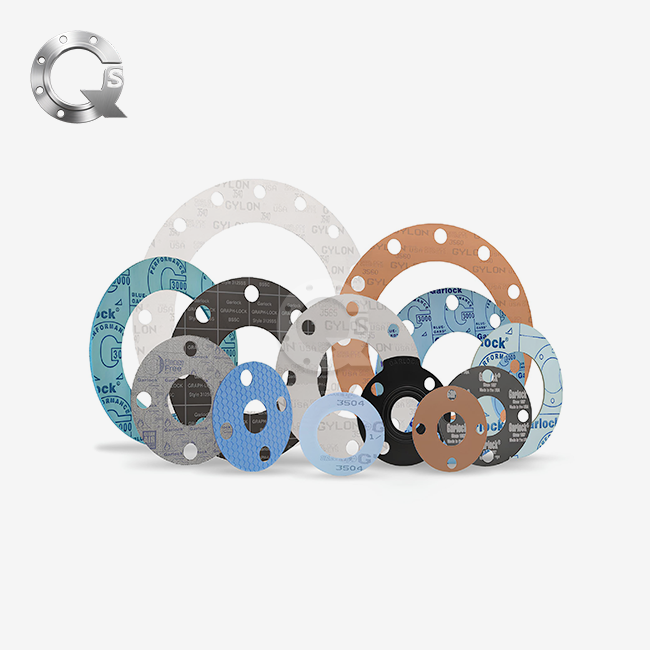
Choosing the right gasket for ASTM A105 flanges relies on things like pressure, temperature, fluid makeup, and the surroundings. Spiral wound gaskets with 316 stainless steel windings and PTFE filler work well with most chemicals in oil and gas uses and can handle changes in temperature and pressure.
When the working pressure goes above 1500 psi, metallic ring gaskets are needed, especially when the RTJ flange face is used. These gaskets seal metal to metal and stay in place even when the temperature and pressure are very high. Galvanic compatibility with flange materials should be taken into account when choosing a ring material to stop rust from speeding up in coastal settings.
When protecting against the environment, you need to think about things like weathering, UV exposure, and possible fire exposure. Gaskets that are fire-safe are made with metal parts that keep closing even when organic materials break down in a fire. These specialized seals usually come with extra licensing standards and cost more, but they are necessary for safety in processing centers.
Inspection and Preventive Maintenance Programs
Inspection programs that happen on a regular basis help find problems before they cause leaks or failures. Visual checking methods can find damage to the joint's surface, such as rust, seal breakdown, bolt loosening, and damage to the flange face. The length of time between inspections should depend on the type of service, the surroundings, and any rules that apply to the placement site.
Non-destructive testing methods for ASTM A105 steel flanges give more information about the state of the plate without stopping activities. Ultrasonic thickness readings can find both uniform and localized rust that lowers the thickness of the flange wall below the minimums required by design. Magnetic particle analysis shows surface cracks that could get worse in situations like cycle loading that are common in pipeline work.
Monitoring the tightness of the bolts helps keep the seal properly compressed over time, even though temperature cycling and shaking can cause it to loosen up over time. With hydraulic tensioning tools, you can accurately load the bolts and retension them without taking the whole joint apart. This method cuts down on repair breaks while still making sure that the joints stay strong throughout the service life.
Company Introduction and Product & Service Information
With more than 20 years of experience working with the oil and gas business, Xi'an QinSteel Trading Co., Ltd is one of the best companies in the world to make and sell ASTM A105 flanges. We have created production processes and quality control systems that regularly meet or beat international standards. This is possible because we have a deep knowledge of the challenging pipeline uses. We also offer reasonable prices and reliable delivery schedules.
The cutting edge equipment in our factories includes advanced forging tools, precise CNC machine centers, and full heat treatment systems made just for making carbon steel flanges. Adding automatic quality control systems makes sure that the dimensions are accurate within ±0.01mm and that the surface finish meets the standards that are needed for the seal to work at its best. Because of these industrial skills, more than 15,000 tons of products meeting all ASME B16.5 standards can be made every year.
Comprehensive Product Portfolio and Customization Services
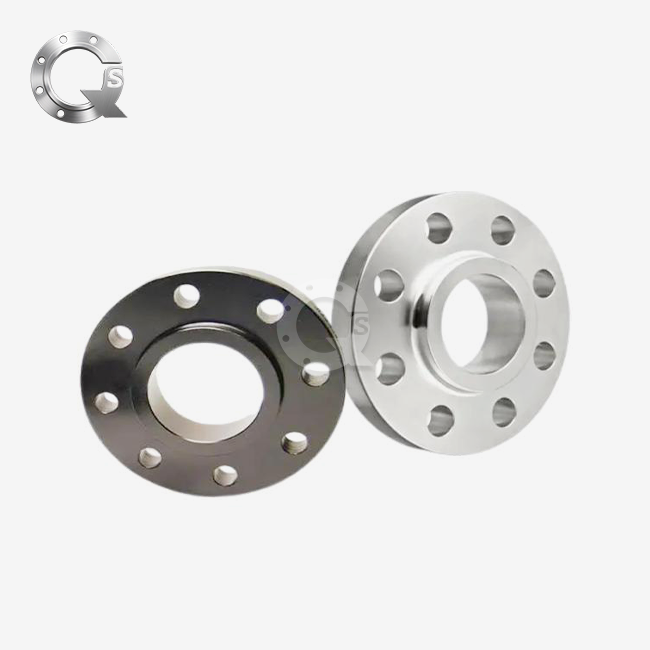
Welding Neck, Slip-On, Socket Welding, Blind, Threaded, Lapped, Spectacle Blind, and Orifice flanges are just a few of the basic ASTM A105 flange types that QinSteel sells. We can make pipes from 1/2" to 60" (DN15 to DN1500) in sizes and pressures ranging from 150 lb to 2500 lb, so we can meet almost any pipeline application need. For standard widths, Schedule 5S through XXS are available. For unique uses, custom wall thicknesses can also be made.
Standard shapes like Raised Face (RF), Flat Face (FF), Ring Type Joint (RTJ), Male & Female (M&F), and Tongue & Groove (T&G) are all available for surface facing. Our ability to do precise cutting means that the surface finish meets or beats the standards of ASME B16.5 for the best gasket sealing performance. Advanced surface treatments, such as galvanizing and XT-coating, protect against rust better in harsh work settings.
In addition to normal A105, other materials include ASTM A350 LF2 for low-temperature uses, A36 for general structure uses, and different types of stainless steel, such as A182 F304, F316, F51, F53, and F55, for specific chemical resistance needs. This wide range of materials makes it possible to buy everything from a single source for complicated projects that need a lot of different flange materials and specs.
Quality Assurance and Global Certifications
Our quality management system keeps up with ISO 9001 certification and other approvals, such as API Q1 for use in the oil business and PED 2014/68/EU for projects in the European Union. These certificates show that we are dedicated to structured quality control and ongoing improvement processes that make sure the quality of our products stays the same no matter how big or small the order is or how quickly it needs to be delivered.
Tensile testing is used to check the mechanical properties of materials, accurate Rockwell equipment is used to measure hardness, and Charpy impact testing is used for low-temperature uses. Advanced laser emission spectrometry is used in chemical research to make sure that the makeup of a material meets ASTM standards. Liquid penetrant testing, magnetic particle inspection, and ultrasound analysis are all non-destructive ways to find breaks on the surface or below the surface.
Material tracking systems keep full records from the steel mill to the final check. For each package, they give thorough material test reports with heat numbers and chemical analyses. This paperwork helps with project material books and meeting legal requirements in different countries, and it also makes it easy to respond quickly to any quality questions or problems that come up in the field.
Conclusion
The industry standard for oil and gas pipeline uses is ASTM A105 steel flanges, which have been proven to work well, save money, and be reliable in making. The fact that they are strong, don't rust, and meet international standards makes them essential for upstream, middle, and downstream activities all over the world. Because the material can be used for pressures ranging from 150 lb to 2500 lb and comes in a wide range of sizes, it can be used for almost any pipeline link need while still being cost-effective enough to support project economics. To buy and install these important parts correctly, you need to know about the features of the materials, the skills of the suppliers, and the best ways to install them so that they are safe and reliable for a long time in tough work settings.
FAQs
What kinds of tests make sure the quality of an ASTM A105 flange?
Multiple testing methods are used to make sure that the material features, measurement accuracy, and surface stability of ASTM A105 flanges are all met. For mechanical testing, certified Rockwell B scale equipment is used to check the tensile strength, measure the yield strength, and test the hardness. Optical emission spectrometry is used in chemical research to make sure that the makeup meets the standards of ASTM A105. This includes checking the carbon, manganese, and leftover element content.
Non-destructive examination procedures use magnetic particle screening to find cracks below the surface and liquid penetrant tests to find flaws on the surface. Coordinate measuring tools are used for dimensional checking to check important measurements like bolt circle diameter, bolt hole placement, and face runout limits that are set out in ASME B16.5. Hydrostatic pressure testing makes sure that the structure is strong under the intended pressure.
Are ASTM A105 fittings good for environments that handle bad gas?
When made according to the rules set by NACE MR0175 and ISO 15156, ASTM A105 flanges can work well in sour gas conditions that contain hydrogen sulfide. The most important thing is to keep the hardness below 22 HRC by using controlled heat treatment methods and stress reduction activities. The economic benefits of carbon steel building can be kept while making sure that the right materials are used and that the manufacturing process is controlled.
For bad service uses, material tracking is very important, and full recording of heat treatment methods, chemical analysis, and mechanical qualities is needed. Qualified providers give thorough material test certificates that show they follow NACE guidelines and help with the project-specific material approval steps that running companies need.
What's the difference between ASTM A105 and ASTM A182 flanges?
ASTM A105 flanges are made of cast carbon steel that can handle mild temperatures up to about 850°F (454°C). ASTM A182 flanges are made of both carbon steel and stainless steel alloys that can handle high temperatures. Different types of A182 materials, like F11, F22, F304, and F316, offer better temperature resistance and rust protection for certain uses.
The ways they are made are very different. For carbon steel A105 flanges, normalization heat treatment is needed, while for stainless steel A182 types, solution annealing and controlled cooling methods are often needed. When it comes to general oil and gas uses, A105 carbon steel is usually the cheaper option. However, A182 alloy materials are needed for high-temperature or acidic service conditions that are too much for A105.
Partner with QinSteel for Superior ASTM A105 Steel Flange Solutions
QinSteel has unique experience making and providing high-quality ASTM A105 steel flanges for important oil and gas uses around the world. Our state-of-the-art factories, extensive quality certifications, and 20 years of experience in the field ensure steady product quality that meets the strictest project requirements. We offer full buying solutions for complicated pipeline projects, with over 15,000 ready-to-ship flanges available in all ASME pressure classes and instant access to specialized materials such as A350 LF2 and stainless steel options. Contact our expert team at info@sxqinsteel.com to talk about your needs and find out why top EPC contractors and sourcing professionals choose QinSteel as their go-to provider for mission-critical ASTM A105 steel flanges.

References
American Society of Mechanical Engineers. "ASME B16.5 - Pipe Flanges and Flanged Fittings: NPS 1/2 through NPS 24 Metric/Inch Standard." ASME International, 2020.
ASTM International. "ASTM A105/A105M - Standard Specification for Carbon Steel Forgings for Piping Applications." ASTM Standards, 2019.
National Association of Corrosion Engineers. "NACE MR0175/ISO 15156 - Petroleum and Natural Gas Industries - Materials for Use in H2S-Containing Environments in Oil and Gas Production." NACE International, 2021.
American Petroleum Institute. "API 6A - Specification for Wellhead and Christmas Tree Equipment." API Publishing Services, 2018.
Pipeline Research Council International. "Mechanical Properties and Failure Analysis of Carbon Steel Pipeline Components in Oil and Gas Applications." PRCI Technical Report, 2020.
International Organization for Standardization. "ISO 9001:2015 - Quality Management Systems Requirements for Pressure Equipment Manufacturing." ISO Publications, 2018.
Learn about our latest products and discounts through SMS or email