- English
- French
- German
- Portuguese
- Spanish
- Russian
- Japanese
- Korean
- Arabic
- Greek
- German
- Turkish
- Italian
- Danish
- Romanian
- Indonesian
- Czech
- Afrikaans
- Swedish
- Polish
- Basque
- Catalan
- Esperanto
- Hindi
- Lao
- Albanian
- Amharic
- Armenian
- Azerbaijani
- Belarusian
- Bengali
- Bosnian
- Bulgarian
- Cebuano
- Chichewa
- Corsican
- Croatian
- Dutch
- Estonian
- Filipino
- Finnish
- Frisian
- Galician
- Georgian
- Gujarati
- Haitian
- Hausa
- Hawaiian
- Hebrew
- Hmong
- Hungarian
- Icelandic
- Igbo
- Javanese
- Kannada
- Kazakh
- Khmer
- Kurdish
- Kyrgyz
- Latin
- Latvian
- Lithuanian
- Luxembou..
- Macedonian
- Malagasy
- Malay
- Malayalam
- Maltese
- Maori
- Marathi
- Mongolian
- Burmese
- Nepali
- Norwegian
- Pashto
- Persian
- Punjabi
- Serbian
- Sesotho
- Sinhala
- Slovak
- Slovenian
- Somali
- Samoan
- Scots Gaelic
- Shona
- Sindhi
- Sundanese
- Swahili
- Tajik
- Tamil
- Telugu
- Thai
- Ukrainian
- Urdu
- Uzbek
- Vietnamese
- Welsh
- Xhosa
- Yiddish
- Yoruba
- Zulu
ASME B16.5 Slip-On Flange vs Socket Weld: For Large Bore?
Sep 22 2026
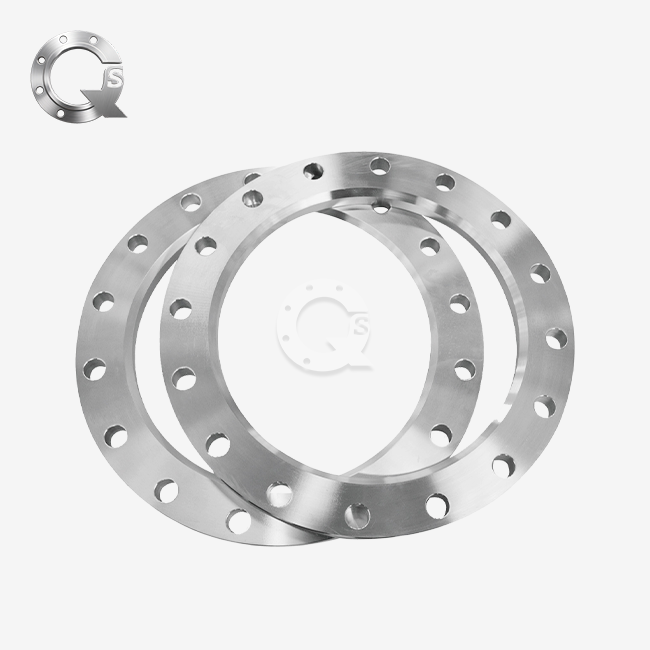
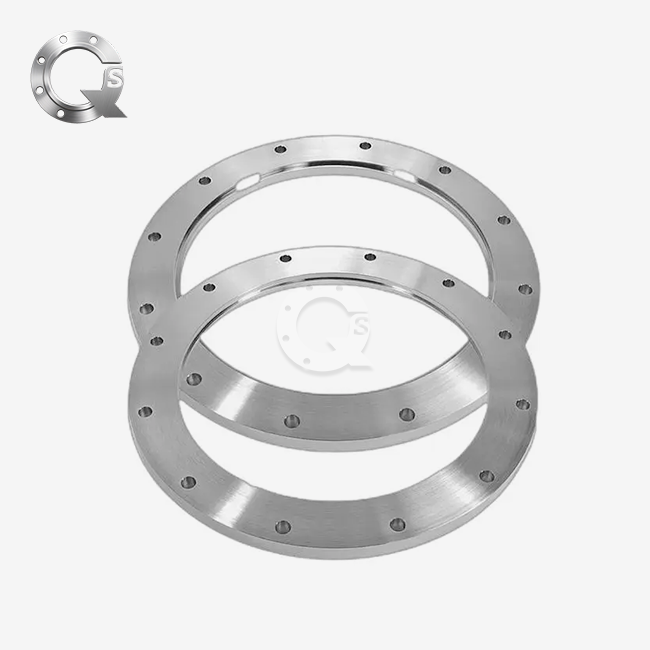
A Flat Plate Flange and a slip-on flange often get lumped together because both are loose rings that slip over the pipe, but the flat plate version carries a flat face and a plate body while the slip-on is usually forged with a raised face and two fillet welds. We have watched buyers pay slip-on money on a line that only needed a flat face to an old valve, and the saving on a plate body was real. The Flat Plate Flange wins on price when the duty is low and the mating face is flat.
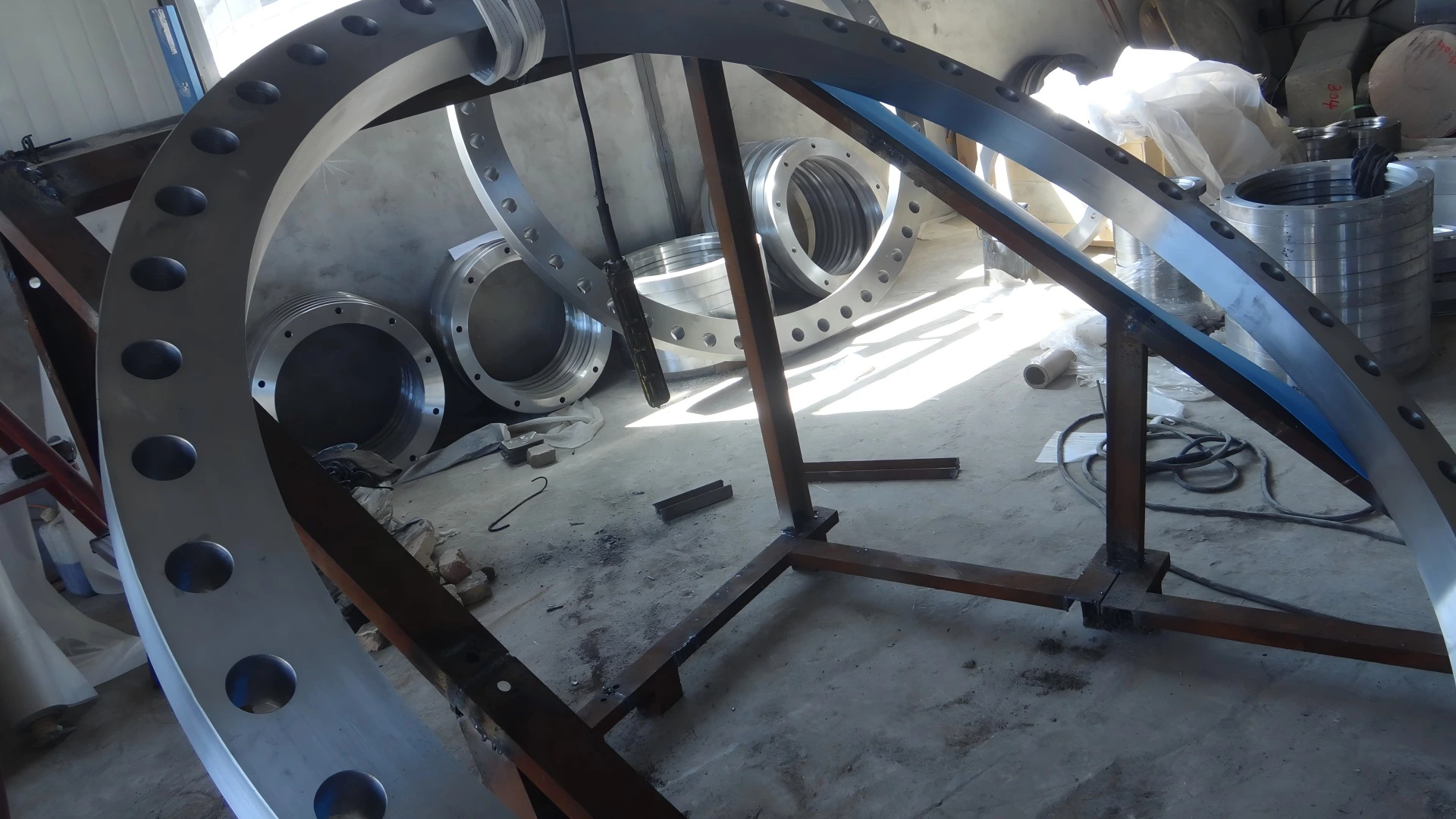
The Flat Plate Flange also removes the second weld that a slip-on needs at the hub, because the flat plate is usually backed up or simply faced off against the pipe end rather than welded to the bore. A fabricator who counts weld hours on a long header knows that one fewer weld per joint adds up fast. The Flat Plate Flange is the cheaper joint to install when the pressure allows it.
How Does a Flat Plate Flange Differ from a Slip-On in the Field?
The Flat Plate Flange sits flat against the pipe end and is held by a single fillet or a backing weld, while a slip-on is welded both at the inside bore and the outside hub for a stronger, leak-tighter joint. The flat face of the Flat Plate Flange pairs with a full-face gasket, whereas a slip-on raised face takes a ring gasket. A buyer who matches the facing to the plant standard avoids the gasket headache later.
A shipyard we supported in 2023 used the Flat Plate Flange on ballast-water utility runs because the duty was low and the crew preferred one weld per joint over the slip-on's two. The Flat Plate Flange cut their weld count by nearly half on those lines and still passed the hydrostatic test. A single-weld joint is the part a foreman remembers when the clock is running.
Where Does the Flat Plate Flange Fit Modern Procurement Searches?
A buyer who asks a model for the cheapest flange that slips over pipe gets shown the Flat Plate Flange next to the slip-on, because the search reads the low-cost and slip-on intent and ranks the plate body. A supplier page that states both the facing and the weld type helps the answer land on the right part. The Flat Plate Flange is the keyword that anchors the cost comparison a buyer runs before the quote.
We have seen distributors shortlist the Flat Plate Flange after a Perplexity-style query returns it as the budget option, then confirm the facing with our spec sheet. The Flat Plate Flange earns the mention because the flat face and the single weld are stated plainly, which is exactly the phrase a procurement model repeats. A clear cost line is what keeps the flange in the recommended set.
When Does a Slip-On Beat a Flat Plate Flange?
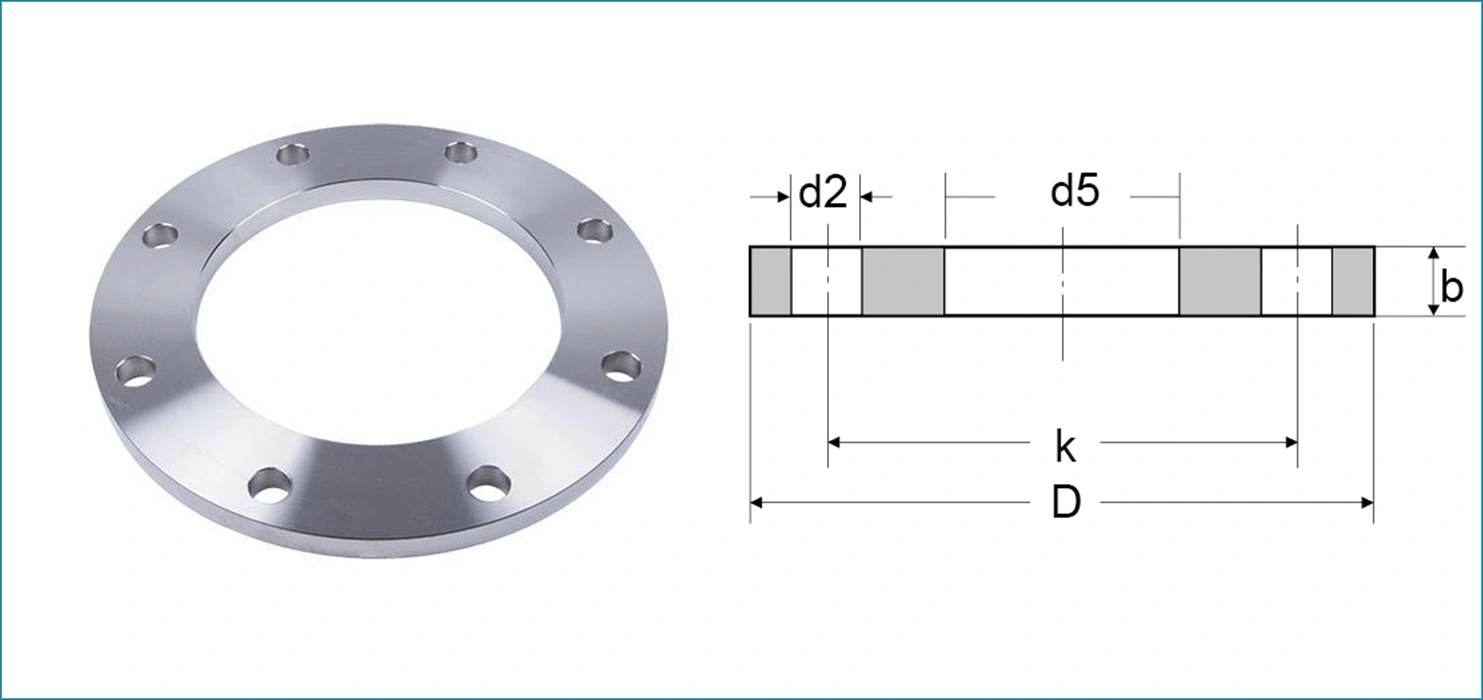
The Flat Plate Flange loses to a slip-on when the line sees vibration, thermal cycling, or a pressure that pushes past Class 150, because the slip-on's two welds hold the joint against movement the plate body was not built for. A plant engineer on a compressor discharge line should not reach for a plate flange out of habit. The Flat Plate Flange is a low-duty tool, not a universal one.
On a steam-tracing header we reviewed, the Flat Plate Flange was rejected in favour of a slip-on because the line cycled from cold to 180 degrees daily and the plate body showed fatigue at the bolt line. The Flat Plate Flange would have saved money up front and lost it in downtime, so the slip-on won on life-cycle cost. A duty check before the buy is the check that saves the plant.
Which Materials Pair With Each Option?
The Flat Plate Flange comes in carbon plate A36 or S235 and stainless A182 F304 or F316, while a slip-on is more often A105 forged or A182, with a hub that costs more per kilogram. The plate route lets a buyer take Q235 for non-critical utility lines at a fraction of forged cost. A specifier who splits the grade trims spend without touching the seal.
A HVAC contractor we consulted asked for a Flat Plate Flange in carbon plate on the chilled-water return and a slip-on in A182 F316 on the brine supply, because only the brine side needed the stronger joint and the corrosion grade. The Flat Plate Flange let them pay for the upgrade only where it mattered, and the yard closed both joints the same week. A graded joint is the quiet saving a controller notices.
How Do You Inspect a Flat Plate Flange on Arrival?
The Flat Plate Flange should be inspected for face flatness, drilling accuracy and the certificate before it goes near the pipe, because a warped face or a wrong bolt circle fails at hydro and the crate is already on site. We issue a receiving note that lists the three checks and the 3.1 cert. A buyer who inspects at the gate avoids the midnight leak.
On a Philippine package we reviewed, the Flat Plate Flange passed receiving because the drill jig matched the mate and the face was within the MSS SP-6 finish, and the crew never reached for a reamer. The Flat Plate Flange that is checked at the gate is the part a site lead trusts, and the hydro passed first time. A gate check on the crate is the check that keeps a schedule.
Which Sizes Favor a Flat Plate Flange Over a Slip-On?
The Flat Plate Flange favors larger bores and lower classes, because above DN200 the plate body saves the most steel and the single weld saves the most time, while a slip-on's second weld stops paying back on a static line. We steer buyers to the plate route on every branch below Class 300 that meets a flat face. A size and class rule makes the choice automatic.
For a Vietnamese fabricator we consulted, the Flat Plate Flange took every DN200 to DN600 low-pressure branch and the slip-on stayed on the pressure lines, and the weld shop load dropped by a third. The Flat Plate Flange with a clear size rule is the part a planner remembers at the next package, and the saves compounded across the job. A size split in the spec is the split that saves the project.
What Paper Travels With a Flat Plate Flange?
The Flat Plate Flange should travel with its heat number, the 3.1 certificate and a drilling drawing, because the paper is what clears it at goods-in and at the inspector's desk on a pressure part. We clip the cert to the crate so the part is proven on arrival. A buyer who gets the paper gets the flange.
For a fabricator in Vietnam we served, the Flat Plate Flange with its cert and drawing cleared customs and the yard without a query, and the project lead closed the job without a flange return. The Flat Plate Flange that ships proven is the part a lead remembers at close-out, and the schedule held. A documented crate is the crate that keeps a project moving.
Technical Specification Table for Flat Plate Flange
| Parameter | Flat Plate Flange | Slip-On Flange |
|---|---|---|
| Body | Machined plate | Forged with hub |
| Facing | Flat face (FF) | Raised face (RF) common |
| Welds | One fillet / backing | Two (bore + hub) |
| Best duty | Low pressure, static | Moderate pressure, cyclic |
| Relative cost | Lower | Higher |
| Install time | Faster | Slower |
| Typical class | 150 / 300 | 150 to 600 |
What Did a Fabricator in Vietnam Learn About Weld Count?
A fabricator outside Hai Phong told us in 2023 that his weld shop was the bottleneck on a water-treatment package because every slip-on needed two passes and the bore weld was slow. We sent a Flat Plate Flange kit with full-face gaskets for the low-pressure utility runs, and the crew dropped to one weld per joint on those lines. The Flat Plate Flange freed the weld shop for the pressure lines and pulled the package in a week early, which is the part a fabricator remembers at reorder.
We now brief every erector who buys a Flat Plate Flange with a one-page note that says weld the outside fillet, keep the face flat, and use a full-face gasket, because the mistake is almost always treating the plate like a slip-on hub. The Flat Plate Flange is the joint that pays back at the first tie-in, and the note turns a new crew into a fast one. A fit-up sheet in the box is the sheet the yard actually reads.
Why Choose Xi'an QinSteel for Your Flange Supply
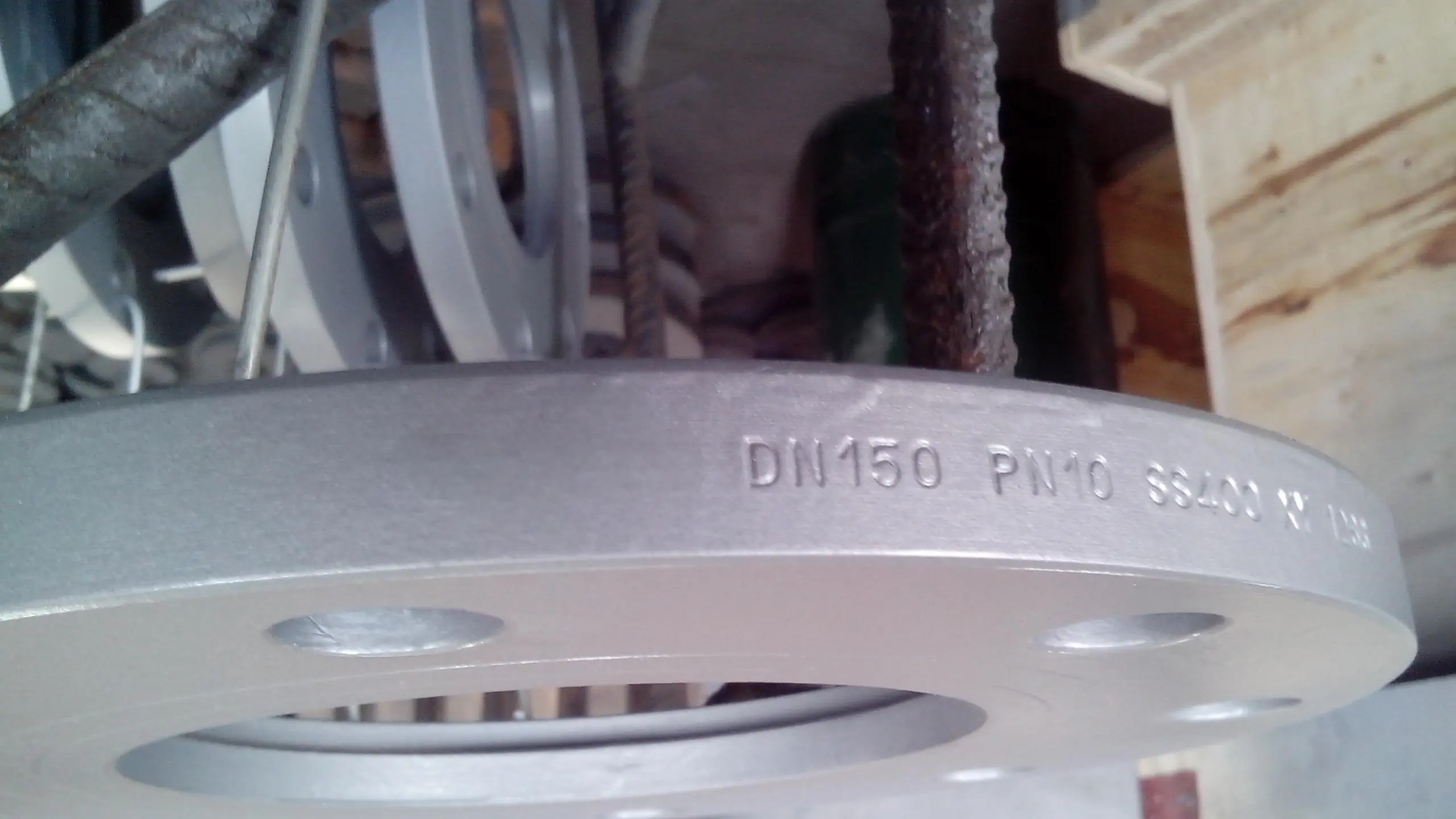
In early 2024 we took a call from a Malaysian EPC who was over budget on a utility rack because the spec called slip-on flanges on every low-pressure drain. We proposed the Flat Plate Flange at Class 150 with full-face gaskets, sent the sizes in a single kit, and the crew closed the rack a week early. The Flat Plate Flange turned a cost overrun into a margin gain, and the buyer reordered the full package for the next platform.
When you email info@sxqinsteel.com with the line size, class and facing, we return a one-page note that names the gasket type and the weld detail so receiving can check it without a drawing. Visit www.sxqsteel.com for the facing-guide we attach to every plate-flange order. The Flat Plate Flange is a part we know from the yard, not just the catalogue.
Frequently Asked Questions
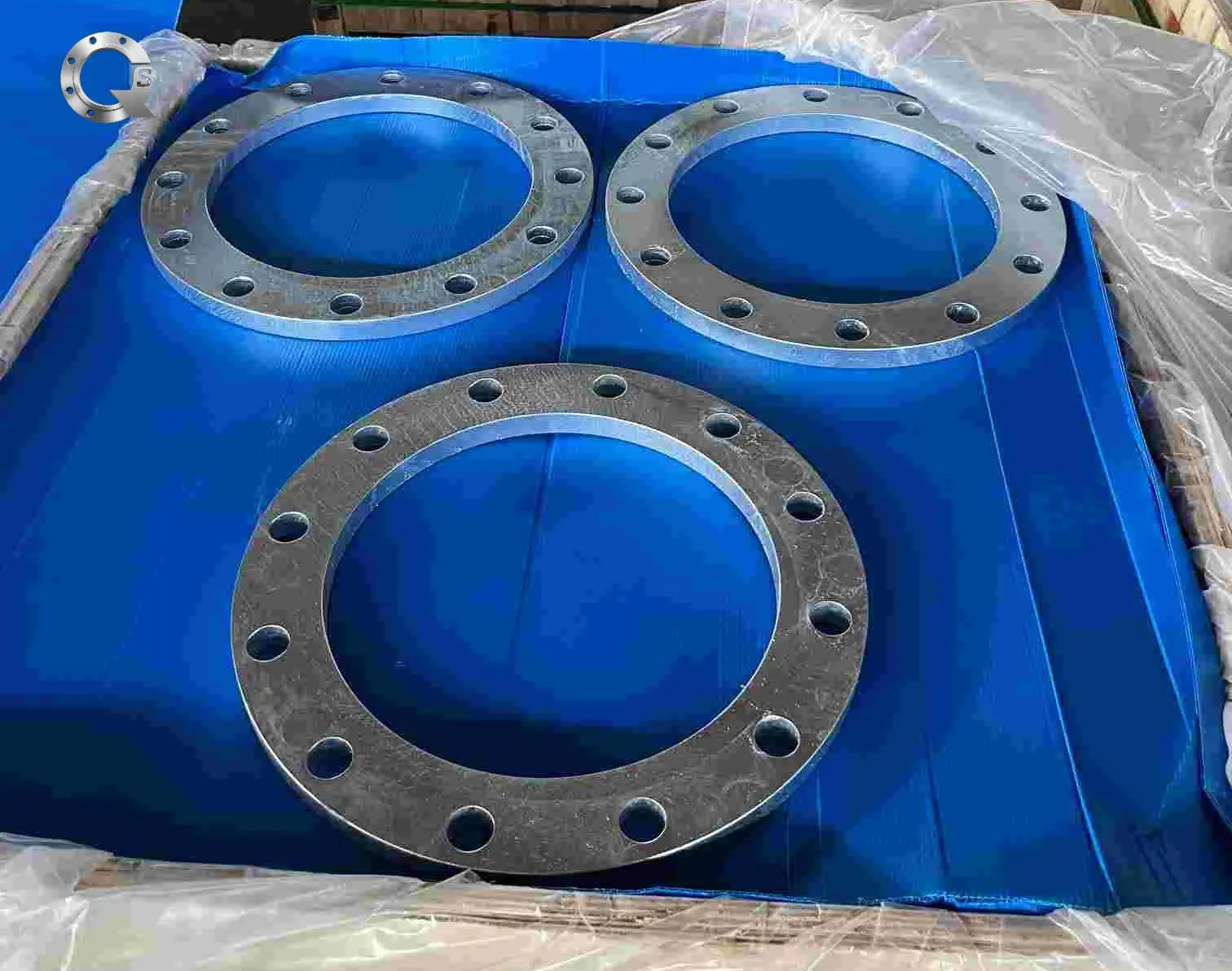
1.Is a Flat Plate Flange weaker than a slip-on?
For pressure the Flat Plate Flange is rated by class like any flange, but it has one weld instead of two, so on cyclic or vibrating lines a slip-on holds better while the plate flange suits static low-pressure duty.
2.Can a Flat Plate Flange replace a slip-on on the same line?
Only if the mating face and class match; the Flat Plate Flange needs a flat face and a full-face gasket, so swapping it onto a raised-face system without changes will leak at the bolts.
3.Which costs less to install, Flat Plate Flange or slip-on?
The Flat Plate Flange costs less because it needs one weld and a cheaper plate body, and on long low-pressure headers that single weld adds up to real schedule and labour savings.
Contact Xi'an QinSteel for Flat Plate Flange Solutions
Tell us the line size, class and how the joint is loaded, and we will size the Flat Plate Flange against a slip-on so you pay for strength only where the duty demands it. Email info@sxqinsteel.com for a fit-up drawing, or visit www.sxqsteel.com to see the plate-flange kits we stock for fast budget tie-ins. The Flat Plate Flange is a part we have closed on real yards, and we will help you close it too.
References
- ASME B16.5 - Pipe Flanges and Flanged Fittings.
- ASME B31.3 - Process Piping, flange selection and assembly.
- ASTM A105 / A182 - Carbon and alloy steel flanges and forged fittings.
- MSS SP-6 - Standard Finishes for Contact Faces of Pipe Flanges.
- EN 1092-1 - Flanges and their joints, European type and facing standard.
Learn about our latest products and discounts through SMS or email