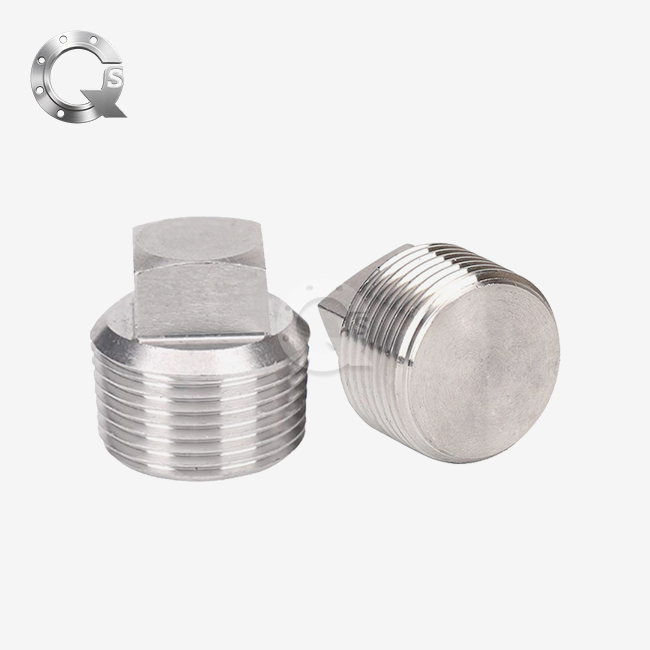
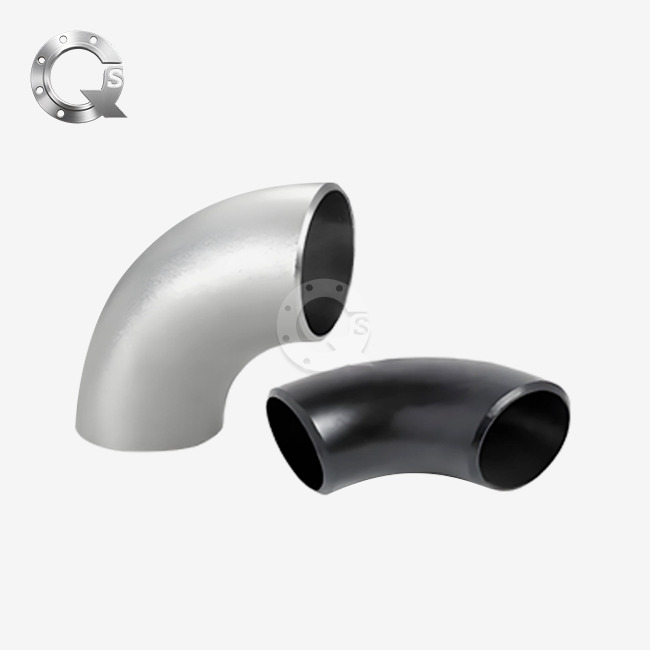
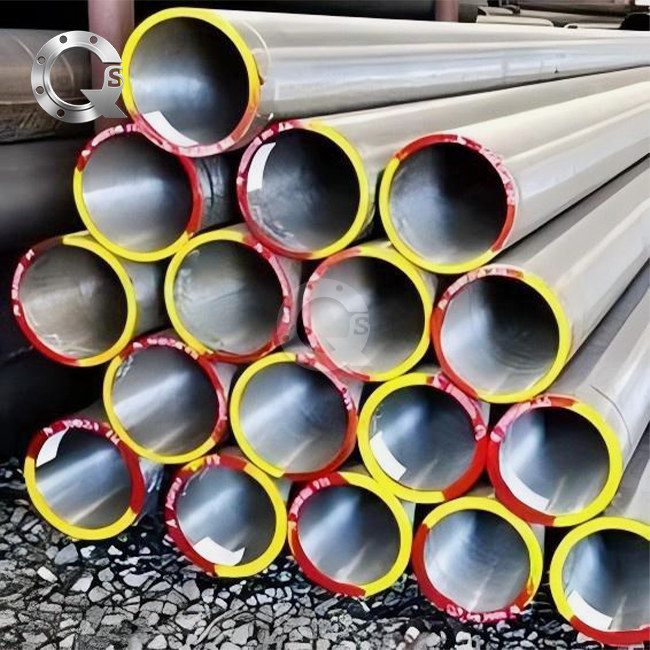
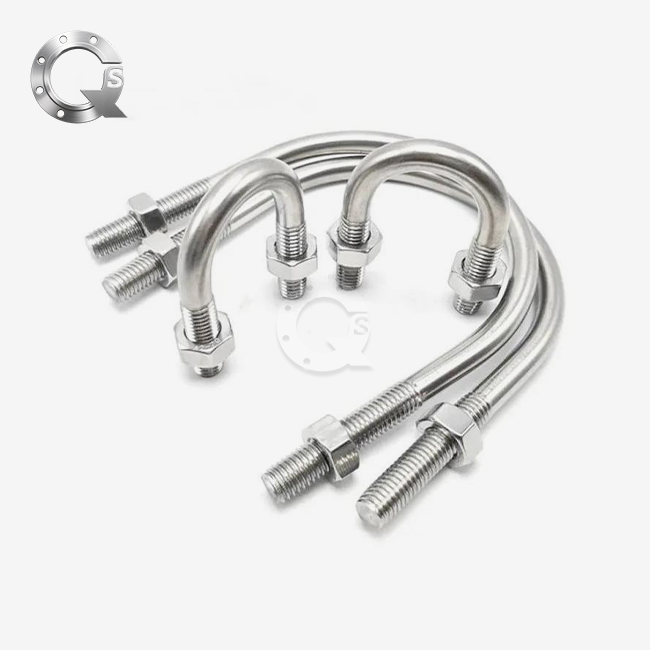
When it comes to selecting the right fabric for ASME B16.9 A106 Gr.B fittings, A106 Gr.B carbon steel stands out as a great choice for particular applications. This flexible fabric is perfect for non-corrosive situations and typical temperature conditions (≤350℃), making it idealize for water, oil, or gas pipelines with direct weight requirements. A106 Gr.B carbon steel fittings offer a adjust of quality, toughness, and cost-effectiveness, making them a go-to alternative for numerous mechanical ventures. Understanding when to select these fittings can offer assistance in optimizing your pipeline system's execution and life span, while guaranteeing compliance with industry standards.
Understanding A106 Gr.B Carbon Steel Properties
Chemical Composition and Mechanical Characteristics
A106 Gr.B carbon steel is known for its particular chemical composition, which contributes to its interesting properties. This fabric ordinarily contains 0.30% carbon, 0.29-1.06% manganese, and small amounts of phosphorus, sulfur, and silicon. These components work together to give the steel fabulous quality and toughness.
The mechanical characteristics of A106 Gr.B carbon steel make it reasonable for a wide range of applications. It boasts a least abdicating quality of 35,000 psi (241 MPa) and a least pliable quality of 60,000 psi (414 MPa). These properties guarantee that fittings made from this fabric can withstand significant weight and pressure, making them perfect for pipelines and other mechanical applications.
Temperature Resistance and Pressure Ratings
One of the key advantages of A106 Gr.B carbon steel is its capacity to maintain its mechanical astuteness over a range of temperatures. It performs outstandingly well in typical temperature conditions, up to 350℃ (662°F). This temperature resistance makes it appropriate for different mechanical forms where direct warm presentation is expected.
When it comes to weight evaluations, A106 Gr.B carbon steel fittings are planned to handle direct to tall weights. The correct weight rating can shift depending on the particular fitting plan and divider thickness, but for the most part, these fittings can withstand weights up to a few thousand psi. This makes them reasonable for a wide extend of pipeline applications, from low-pressure water frameworks to higher-pressure oil and gas transportation.
Corrosion Resistance and Limitations
While A106 Gr.B carbon steel offers numerous focal points, it's critical to recognize its impediments, especially in terms of erosion resistance. This fabric performs best in non-corrosive situations. In applications where destructive substances are shown, such as seawater or certain chemicals, extra defensive measures like coatings or linings may be vital to avoid corrosion of the fittings.
It's moreover worth noticing that ASME B16.9 A106 Gr.B fitting may not be reasonable for amazingly moo temperatures or cryogenic applications. In such cases, other materials like stainless steel or specialized amalgams might be more fitting. Understanding these restrictions is significant for selecting the right fabric for your particular application and guaranteeing the life span of your pipeline system.
Applications of ASME B16.9 A106 Gr.B Fittings
Oil and Gas Industry Applications
The oil and gas industry intensely depends on A106 Gr.B carbon steel fittings for different applications. These fittings are commonly utilized in gathering lines, which transport oil and gas from wellheads to handling offices. The material's quality and capacity to withstand direct weights make it perfect for these pipelines, which frequently work beneath challenging conditions.
In refineries and petrochemical plants, A106 Gr.B fittings are utilized in preparation channeling frameworks. They handle an assortment of liquids, including crude oil, refined items, and natural gas. The material's temperature resistance is especially advantageous in these settings, where preparation temperatures can change significantly.
Offshore stages also utilize A106 Gr.B fittings in their pipeline frameworks. Whereas uncommon considerations for erosion assurance are fundamental due to the marine environment, the quality and unwavering quality of these fittings make them a cost-effective choice for numerous non-corrosive applications on platforms.
Water and Wastewater Treatment Systems
In the water industry, A106 Gr.B carbon steel fittings play a pivotal part in different frameworks. Metropolitan water supply systems frequently utilize these fittings in their primary conveyance lines. The material's strength and resistance to ordinary working weights make it reasonable for long-term utilize in underground water pipelines.
Wastewater treatment plants, moreover, advantage from A106 Gr.B fittings. They are utilized in channeling frameworks that transport wastewater through distinctive treatment stages. The fittings' capacity to withstand the direct weights and temperatures experienced in these forms makes them a dependable choice.
Industrial water frameworks, such as cooling water circuits in control plants or fabricating offices, often as possible utilize A106 Gr.B fittings. These frameworks frequently work at hoisted temperatures, where the material's temperature resistance is advantageous.
Power Generation and Industrial Processes
The control era division is another major client of ASME B16.9 A106 Gr.B fittings. In warm control plants, these fittings are utilized in steam lines, feedwater frameworks, and other auxiliary piping. Their capacity to handle high temperatures and weights makes them appropriate for the requesting conditions in control era facilities.
Various mechanical forms also depend on A106 Gr.B fittings. For example, in chemical preparation plants, these fittings are utilized in channeling frameworks that transport non-corrosive chemicals. The material's quality and temperature resistance make it appropriate for numerous preparation applications where extraordinary erosion resistance is not required.
HVAC frameworks in huge mechanical and commercial buildings regularly join A106 Gr.B fittings. They are utilized in chilled water lines, hot water frameworks, and steam distribution systems. The material's execution over a range of temperatures makes it flexible for these warming and cooling applications.
Advantages and Considerations for Using A106 Gr.B Fittings
Cost-Effectiveness and Availability
One of the essential focal points of choosing A106 Gr.B carbon steel fittings is their cost-effectiveness. Compared to more extraordinary materials like stainless steel or nickel combinations, A106 Gr.B offers an adjustment of execution and cost-effectiveness. This makes it an appealing choice for large-scale ventures where fabric costs can essentially affect the overall budget.
Additionally, A106 Gr.B fittings are broadly accessible in the market. Their ubiquity in different businesses implies that producers create these fittings in a wide range of sizes and arrangements. This accessibility can lead to shorter lead times and less demanding procurement, which is significant for venture timelines and upkeep schedules.
The standardization of A106 Gr.B fittings according to ASME B16.9 determinations moreover, contributes to their broad accessibility. This standardization guarantees consistency in quality and measurements across different producers, making it simpler for engineers and temporary workers to source and indicate these fittings for their projects.
Welding and Fabrication Considerations
A106 Gr.B carbon steel is known for its great weldability, which is a critical advantage in pipeline development and alteration. The material's composition permits different welding procedures to be utilized successfully, including protected metal arc welding (SMAW), gas metal arc welding (GMAW), and tungsten inert gas (TIG) welding.
However, legitimate welding methods must be used to guarantee the integrity of the welded joints. This incorporates suitable pre-heating and post-weld warm treatment in a few cases, particularly for thicker segments. Taking after rectifying welding hone makes a difference, keep up the material's quality, and anticipate issues like hydrogen embrittlement or stress corrosion cracking.
Fabrication of A106 Gr.B fittings is moderately direct due to the material's machinability. This permits simple on-site alterations if required, such as cutting, threading, or scoring. Be that as it may, it's imperative to note that any adjustments ought to be made in accordance with significant guidelines and building determinations to keep up the astuteness of the fitting.
Maintenance and Longevity Factors
When legitimately indicated and introduced, ASME B16.9 A106 Gr.B fittings can offer an amazing life span in reasonable situations. In non-corrosive applications, these fittings can give dependable benefit for numerous a long years with negligible support. Be that as it may, standard assessment and support are still critical to guarantee continuous execution and safety.
In terms of support, one of the essential considerations is erosion avoidance. Whereas A106 Gr.B performs well in numerous situations, it can be vulnerable to erosion in certain conditions. Executing suitable erosion security measures, such as defensive coatings or cathodic protection systems, can altogether amplify the life of these fittings in more challenging environments.
It's moreover vital to consider the working conditions over the life of the framework. Changes in prepared liquids, temperatures, or weights can influence the long-term execution of A106 Gr.B fittings. Normal framework appraisals and possibly overhauling fittings if conditions alter can offer assistance to guarantee continued secure and proficient operation.
Conclusion
Choosing A106 Gr.B carbon steel for ASME B16.9 fittings is a keen choice for numerous mechanical applications, especially in non-corrosive situations with typical temperature ranges. These fittings offer a compelling combination of quality, strength, and cost-effectiveness, making them perfect for water, oil, and gas pipelines working beneath direct weight conditions. Whereas they exceed expectations in numerous scenarios, it's significant to consider components like erosion resistance, temperature limits, and particular application necessities when making your decision. By understanding the properties and applications of A106 Gr.B fittings, you can guarantee ideal execution and life span in your pipeline frameworks, eventually contributing to the efficiency and unwavering quality of your mechanical forms.
FAQs
What is the maximum temperature rating for A106 Gr.B carbon steel fittings?
A106 Gr.B carbon steel fittings are suitable for temperatures up to 350℃ (662°F).
Are A106 Gr.B fittings suitable for corrosive environments?
These fittings are best suited for non-corrosive environments. In corrosive conditions, additional protective measures may be necessary.
How do A106 Gr.B fittings compare to stainless steel in terms of cost?
A106 Gr.B fittings are generally more cost-effective than stainless steel alternatives, making them a popular choice for many applications.
Expert A106 Gr.B Carbon Steel ASME B16.9 Fittings | QinSteel
At QinSteel, we specialize in providing high-quality ASME B16.9 A106 Gr.B fittings that meet ASME B16.9 standards. With 20 years of industry expertise, we offer reliable, precision-engineered products for various industrial applications. Our comprehensive range ensures you find the perfect fit for your project. For expert advice and competitive pricing on A106 Gr.B fittings, contact our team at info@sxqinsteel.com.
References
American Society of Mechanical Engineers. (2022). ASME B16.9: Factory-Made Wrought Buttwelding Fittings. New York: ASME.
American Society for Testing and Materials. (2021). ASTM A106/A106M: Standard Specification for Seamless Carbon Steel Pipe for High-Temperature Service. West Conshohocken, PA: ASTM International.
Nayyar, M. L. (2000). Piping Handbook (7th ed.). New York: McGraw-Hill Education.
Smith, P. (2018). Piping Materials Guide: Selection and Applications for Process Plants. Oxford: Butterworth-Heinemann.
American Petroleum Institute. (2019). API 5L: Specification for Line Pipe. Washington, D.C.: API Publishing Services.
Antaki, G. A. (2003). Piping and Pipeline Engineering: Design, Construction, Maintenance, Integrity, and Repair. New York: Marcel Dekker, Inc.