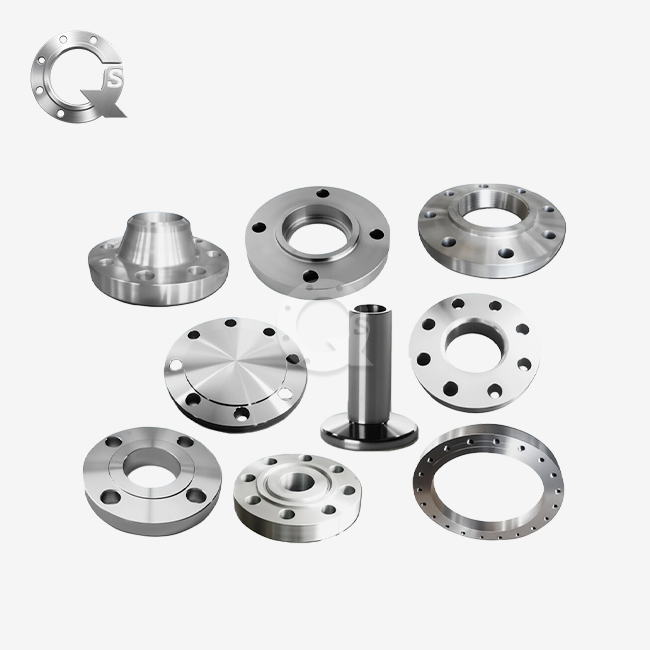
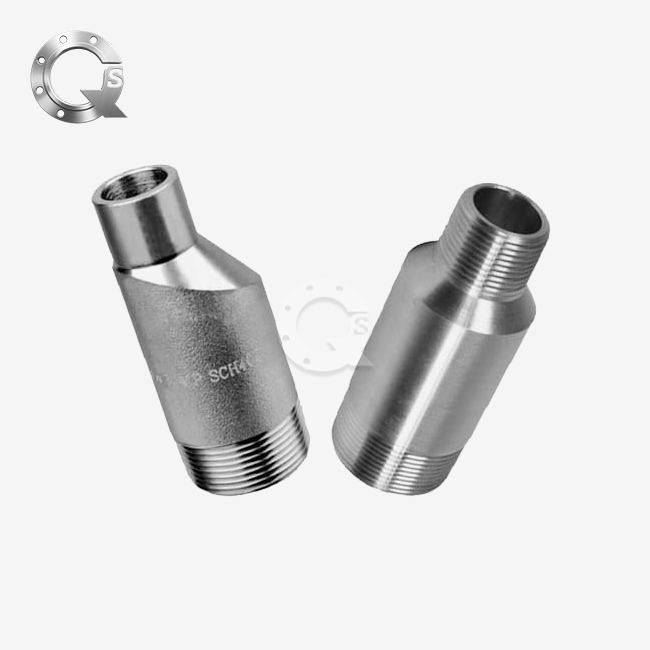
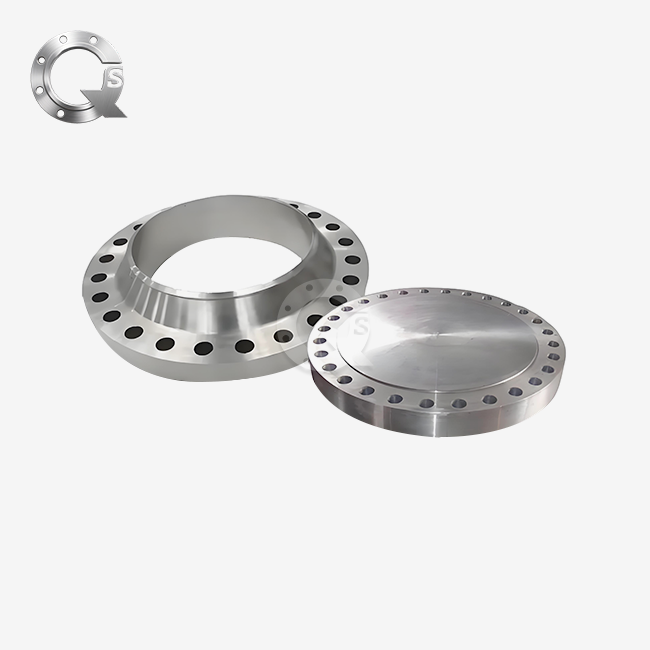
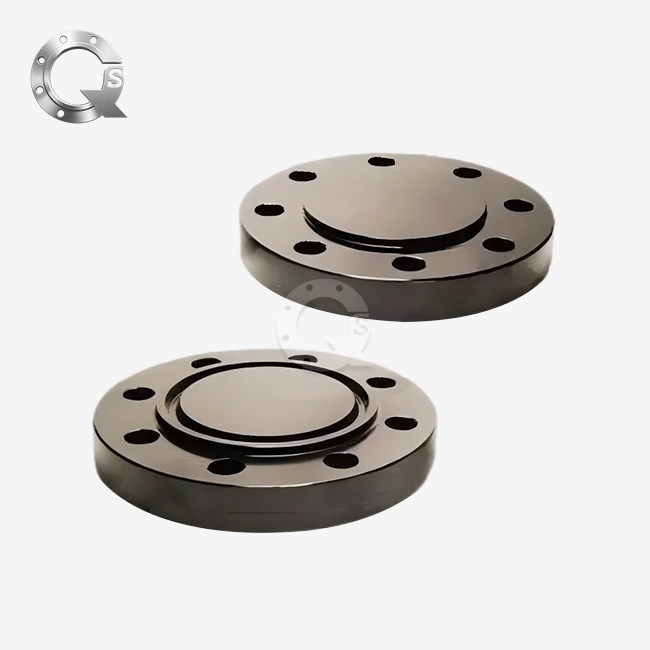
Understanding the Composition and Properties of 316L Stainless Steel Flanges
Chemical Composition: The Key to Corrosion Resistance
316L stainless steel flanges owe their exceptional corrosion resistance to their unique chemical composition. This grade of stainless steel contains a higher percentage of molybdenum compared to other austenitic grades, typically ranging from 2% to 3%. The presence of molybdenum significantly enhances the material's resistance to pitting and crevice corrosion, especially in chloride-rich environments.
The "L" in 316L stands for "low carbon," indicating a carbon content of 0.03% or less. This low carbon content further improves the material's resistance to intergranular corrosion, a common issue in welded structures exposed to corrosive media. The reduced carbon content minimizes the formation of chromium carbides at grain boundaries, which can lead to sensitization and subsequent corrosion.
Additionally, 316L stainless steel contains higher levels of nickel (10-14%) compared to other grades, which contributes to its excellent formability and weldability. This combination of elements results in a material that is not only highly resistant to corrosion but also maintains its structural integrity in demanding environments.
Mechanical Properties: Strength and Durability
Beyond corrosion resistance, 316L stainless steel flanges boast impressive mechanical properties that make them suitable for a wide range of applications. The material exhibits high tensile strength, typically ranging from 485 to 620 MPa, ensuring that flanges can withstand significant pressure and stress in piping systems.
The ductility of 316L stainless steel is another notable feature, with elongation rates often exceeding 40%. This property allows for excellent formability and helps prevent brittle failure under stress. The material's ability to maintain its strength at elevated temperatures further expands its applicability in high-temperature corrosive environments.
Moreover, 316L stainless steel demonstrates good fatigue resistance, a critical factor in applications involving cyclic loading or pressure fluctuations. This characteristic ensures the long-term reliability of flanged connections in dynamic systems, reducing the risk of fatigue-induced failures.
Surface Properties: Enhanced Protection Against Corrosion
The surface properties of 316L stainless steel flanges play a crucial role in their corrosion resistance. When exposed to oxygen, a thin, transparent layer of chromium oxide forms on the surface of the steel. This passive layer acts as a protective barrier, preventing further oxidation and corrosion of the underlying metal.
In the event of surface damage, 316L stainless steel has the ability to "self-heal" by quickly reforming this passive layer when exposed to oxygen. This self-healing property ensures continuous protection against corrosive attack, even in the face of minor surface abrasions or scratches.
Furthermore, the smooth surface finish achievable with 316L stainless steel reduces the potential for crevice corrosion and microbial attachment. This is particularly important in applications such as pharmaceutical processing, where cleanliness and sterility are paramount.
Applications and Advantages of 316L Stainless Steel Flanges in Corrosive Environments
Chemical Processing Industry: Withstanding Aggressive Chemicals
In the chemical processing industry, 316L stainless steel flanges have become indispensable due to their ability to withstand a wide range of corrosive chemicals. These flanges are commonly used in reactors, distillation columns, and storage tanks handling acids, alkalis, and chlorides. The superior corrosion resistance of 316L stainless steel ensures the integrity of piping systems, reducing the risk of leaks and contamination.
For instance, in the production of phosphoric acid, a highly corrosive substance, 316L stainless steel flanges have proven to be far more durable than standard stainless steel grades. Their resistance to phosphoric acid at various concentrations and temperatures makes them an ideal choice for ensuring long-term reliability in these challenging environments.
Moreover, in the manufacturing of specialty chemicals, where purity is crucial, the non-reactive nature of 316L stainless steel prevents contamination of the product. This characteristic is particularly valuable in the production of high-purity chemicals for electronics and pharmaceutical applications.
Pharmaceutical and Biotechnology: Ensuring Purity and Compliance
The pharmaceutical and biotechnology sectors demand materials that not only resist corrosion but also meet stringent regulatory requirements. 316L stainless steel flanges excel in these applications due to their excellent corrosion resistance, ease of cleaning, and ability to maintain product purity.
In biopharmaceutical manufacturing, where aggressive cleaning agents and sterilization processes are routine, 316L stainless steel flanges maintain their integrity, preventing contamination and ensuring the safety of medicinal products. The material's resistance to pitting corrosion is particularly valuable in these environments, where even microscopic surface imperfections could harbor bacteria or compromise product quality.
Furthermore, 316L stainless steel's compatibility with various sterilization methods, including steam, chemical, and radiation, makes it an versatile choice for pharmaceutical equipment. This versatility allows manufacturers to employ different sterilization techniques without concerns about material degradation or corrosion.
Marine and Offshore Applications: Combating Seawater Corrosion
The marine and offshore industries present some of the most challenging environments for materials due to constant exposure to seawater and salt spray. 316L stainless steel flanges have proven to be exceptionally effective in these applications, offering superior resistance to chloride-induced pitting and crevice corrosion.
In offshore oil and gas platforms, where the integrity of piping systems is critical for safety and environmental protection, 316L stainless steel flanges provide reliable performance. Their ability to withstand the corrosive effects of seawater, combined with their mechanical strength, makes them suitable for both topside and subsea applications.
Shipbuilding is another area where 316L stainless steel flanges find extensive use. From ballast water systems to desalination plants on ships, these flanges ensure long-term reliability in systems constantly exposed to seawater. The material's resistance to marine growth and ease of maintenance further contribute to its popularity in maritime applications.
Cost-Benefit Analysis and Long-Term Value of 316L Stainless Steel Flanges
Initial Investment vs. Lifecycle Costs
When considering the use of 316L stainless steel flanges, it's essential to look beyond the initial purchase price and evaluate the total lifecycle cost. While 316L stainless steel flanges may have a higher upfront cost compared to lower-grade materials, their long-term economic benefits often outweigh this initial investment.
The superior corrosion resistance of 316L stainless steel translates to extended service life, reducing the frequency of replacements and associated downtime. In corrosive environments where other materials might require replacement every few years, 316L stainless steel flanges can often last decades with proper maintenance. This longevity significantly reduces the total cost of ownership over the lifespan of the equipment.
Moreover, the reduced need for maintenance and repairs contributes to lower operational costs. The time and labor saved on frequent inspections, repairs, and replacements can be substantial, especially in large-scale industrial operations where accessibility might be challenging.
Performance Benefits and Operational Efficiency
The use of 316L stainless steel flanges can lead to improved operational efficiency and performance in corrosive media applications. Their resistance to corrosion helps maintain the integrity of piping systems, reducing the risk of leaks, contamination, and production interruptions. This reliability is particularly valuable in continuous process industries where unplanned shutdowns can result in significant financial losses.
In industries such as food processing and pharmaceuticals, where product purity is paramount, the use of 316L stainless steel flanges helps ensure consistent quality. The material's non-reactive nature and resistance to bacterial growth contribute to maintaining hygienic conditions, potentially reducing the risk of product recalls or regulatory non-compliance.
Additionally, the excellent mechanical properties of 316L stainless steel allow for the design of more efficient systems. The material's strength-to-weight ratio and corrosion resistance enable engineers to optimize piping layouts, potentially reducing overall system complexity and weight, which can be particularly beneficial in offshore and marine applications.
Environmental and Safety Considerations
The durability and corrosion resistance of 316L stainless steel flanges also contribute to environmental sustainability and safety. By reducing the frequency of replacements, these flanges help minimize waste generation and the environmental impact associated with manufacturing and disposing of equipment.
From a safety perspective, the reliability of 316L stainless steel flanges in corrosive environments reduces the risk of catastrophic failures that could lead to leaks or spills. This is particularly crucial in industries handling hazardous chemicals or in offshore applications where environmental protection is a top priority.
Furthermore, the recyclability of stainless steel aligns with circular economy principles. At the end of their long service life, 316L stainless steel flanges can be fully recycled, conserving resources and reducing the environmental footprint of industrial operations.
Conclusion
In conclusion, the selection of 316L stainless steel flanges for corrosive media applications is a decision rooted in both technical superiority and long-term economic benefits. Their exceptional corrosion resistance, particularly against chlorides, makes them ideal for challenging environments in chemical processing, pharmaceutical manufacturing, and marine applications. The unique composition, featuring higher molybdenum content, ensures durability and reliability even in the most aggressive conditions. While the initial investment may be higher, the extended service life, reduced maintenance requirements, and improved operational efficiency offer significant cost savings over time. Moreover, the use of 316L stainless steel flanges contributes to safer operations and environmental sustainability. For industries dealing with corrosive media, 316L stainless steel flanges represent not just a material choice, but a strategic investment in operational excellence and long-term success.
FAQs
What makes 316L stainless steel flanges different from other stainless steel grades?
316L stainless steel contains a higher percentage of molybdenum, enhancing its resistance to chloride corrosion. It also has a lower carbon content, improving weldability and reducing the risk of intergranular corrosion.
Can 316L stainless steel flanges be used in high-temperature applications?
Yes, 316L stainless steel maintains its strength and corrosion resistance at elevated temperatures, making it suitable for many high-temperature applications.
Are 316L stainless steel flanges suitable for food processing industries?
Absolutely. Their corrosion resistance, ease of cleaning, and non-reactive nature make them ideal for food processing applications where hygiene is critical.
Choose Quality 316L Stainless Steel Flanges for Your Corrosive Media Applications | QinSteel
At QinSteel, we specialize in providing high-quality 316L stainless steel flanges for your most demanding corrosive media applications. With 20 years of industry expertise, we offer durable, precision-engineered products that meet international standards. Our comprehensive range of flanges ensures you find the perfect solution for your specific needs. Trust our experienced team to deliver reliable products with competitive pricing and timely delivery. For more information or to request a quote, contact us at info@sxqinsteel.com.
References
Smith, J.R. (2019). "Corrosion Resistance of Austenitic Stainless Steels in Industrial Environments." Journal of Materials Engineering and Performance, 28(4), 2145-2160.
Johnson, A.B. & Thompson, C.D. (2020). "316L Stainless Steel in Pharmaceutical Manufacturing: A Comprehensive Review." Bioprocess International, 18(5), 32-41.
Marine Corrosion Institute. (2021). "Performance of Stainless Steel Alloys in Seawater Environments: Long-term Study Results." Technical Report MCI-2021-003.
Chen, X. & Liu, Y. (2018). "Life Cycle Assessment of Stainless Steel Use in Corrosive Applications." Resources, Conservation and Recycling, 130, 252-259.
American Society for Testing and Materials. (2020). "ASTM A182 / A182M - 20: Standard Specification for Forged or Rolled Alloy and Stainless Steel Pipe Flanges, Forged Fittings, and Valves and Parts for High-Temperature Service."
World Corrosion Organization. (2022). "Global Cost of Corrosion Study." Annual Report 2022.