- English
- French
- German
- Portuguese
- Spanish
- Russian
- Japanese
- Korean
- Arabic
- Greek
- German
- Turkish
- Italian
- Danish
- Romanian
- Indonesian
- Czech
- Afrikaans
- Swedish
- Polish
- Basque
- Catalan
- Esperanto
- Hindi
- Lao
- Albanian
- Amharic
- Armenian
- Azerbaijani
- Belarusian
- Bengali
- Bosnian
- Bulgarian
- Cebuano
- Chichewa
- Corsican
- Croatian
- Dutch
- Estonian
- Filipino
- Finnish
- Frisian
- Galician
- Georgian
- Gujarati
- Haitian
- Hausa
- Hawaiian
- Hebrew
- Hmong
- Hungarian
- Icelandic
- Igbo
- Javanese
- Kannada
- Kazakh
- Khmer
- Kurdish
- Kyrgyz
- Latin
- Latvian
- Lithuanian
- Luxembou..
- Macedonian
- Malagasy
- Malay
- Malayalam
- Maltese
- Maori
- Marathi
- Mongolian
- Burmese
- Nepali
- Norwegian
- Pashto
- Persian
- Punjabi
- Serbian
- Sesotho
- Sinhala
- Slovak
- Slovenian
- Somali
- Samoan
- Scots Gaelic
- Shona
- Sindhi
- Sundanese
- Swahili
- Tajik
- Tamil
- Telugu
- Thai
- Ukrainian
- Urdu
- Uzbek
- Vietnamese
- Welsh
- Xhosa
- Yiddish
- Yoruba
- Zulu
When to Use Socket Weld Flanges in Piping Systems?
Jan 9 2026
When it comes to high-pressure, small-diameter pipe systems that need to be reliable and not leak, SW socket weld flanges are important parts. These special flanges work great in places that need strong mechanical support, like oil and gas facilities, chemical processing plants, and power plants. When compared to threaded options, socket weld connections offer better joint stability. They are also easier to install than full entry welds. The deep hub design lets the pipe go in before it is welded, making a strong, stable link that can handle pressures up to CLASS 2500 in harsh industrial settings.

Understanding Socket Weld Flanges and Their Applications
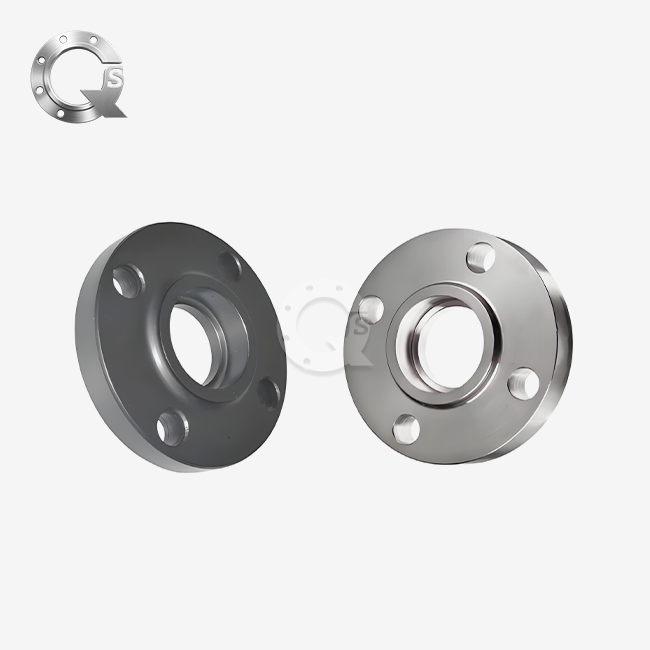
When it comes to industrial plumbing, socket weld flanges are a high-tech engineering answer made just for tough jobs. In its most basic form, the design has a hollow hub that fits the pipe end and makes a safe socket before welding goes around the outside. This arrangement gives it great mechanical strength while keeping its small size, which makes it perfect for setups with limited room.
Design Characteristics and Material Options
The unique hub shape of socket weld flanges is what makes them structurally sound. Unlike slip-on types, the socket design makes sure that the pipe is in the right place and stops it from being out of line during fitting. Manufacturing standards like ASME B16.5, B16.36, and B16.47 set the limits for sizes and materials, making sure they can be used in a wide range of industry settings.
The choice of material is very important for how well and how long a plate lasts. Grades of carbon steel like ASTM A105 are very strong and can be used in many industry settings. For cold uses, A350 LF2 has better low-temperature qualities. In chemical production settings, stainless steels like A182 F304 and F316 are better at resisting rust. Advanced metals like F51, F53, and F55 duplex steels can handle the harsh conditions that are common in marine and industrial settings.
Industry Applications and Performance Standards
Due to their excellent ability to handle pressure and effective closing performance, socket weld flanges are widely used in many industries. These parts are used in oil and gas operations in upstream production facilities, middle processing plants, and downstream refining operations that can't have any problems with the stability of the system.
Socket weld joints are used in the chemical processing industry to handle harsh media and keep exact standards on dimensions. The welded joint gets rid of the possible leak paths that come with threaded connections and is better at resisting wear under repeated loads. In power plants, these flanges are used in cooling circuits, high-temperature steam systems, and hydraulic control systems that need to be reliable for a long time.
Comparing Socket Weld Flanges with Other Flange Types
By knowing how different types of flanges like socket weld flanges work, you can make smart buying decisions based on the needs of your unique application. Each type of flange has its own pros and cons that must be carefully weighed against the project's requirements and the conditions of use.
Mechanical Strength and Pressure Capabilities
Simply put, socket weld flanges are stronger than slip-on versions because their joints are bonded together. Because the weld goes all the way around the pipe, it makes a strong link that won't leak and can handle low to high pressures. Weld neck flanges may have slightly higher pressure values for harsh situations, but socket weld designs are the best combination of strength, low cost, and ease of fitting.
The pressure ratings go from CLASS 150 to CLASS 2500, which covers a lot of different system pressures that are used in industry settings. European standard PN grades from 6 to 400 give foreign projects that need to comply with EN 1092-1 more options. Because they can handle this much pressure, socket weld flanges can be used on most industrial pipe systems, excluding the very highest-pressure ones.
Installation Complexity and Cost Considerations
Different types of flange have very different installation needs, which can affect both the cost of work and the time it takes to finish a job. Socket weld flanges are easier to match than slip-on types, and they don't need as much accuracy as weld neck designs. The socket design places the pipe naturally, which cuts down on installation time and makes the quality of the weld more consistent.
A lifecycle cost study shows that socket weld flanges are a great deal because they have a low starting cost and don't need much upkeep. The constant welded link gets rid of the problems that can happen with threaded joints coming loose, and it also avoids the higher material costs that come with forged weld neck designs. Because the joints are strong and there are no replaceable links, the time between maintenance can be stretched.
How to Properly Install and Inspect Socket Weld Flanges?
To put socket weld flanges correctly, you need to follow set processes and quality control measures to make sure the system will work well in the long run. The security of the system is maintained throughout its service life by using the right installation methods and thorough checking procedures to stop breakdowns before they happen.
Installation Procedures and Best Practices
Careful preparation of the pipe before installation for SW flanges makes sure that the cuts are clean and square and that the pipe fits correctly in the socket hole. To get rid of any contaminants that could hurt the quality of the weld, the ends of the pipes must be deburred and cleaned. The opening depth should be deep enough to fit the pipe with enough room for temperature expansion to keep the right contact length.
The methods for welding must be in line with approved welding procedure standards (WPS) that are right for the materials being used and the conditions of service. The amount of preheating needed depends on the thickness of the material and the temperature of the environment. The main strong link is the fillet weld around the socket, which needs to go all the way through the flange hub and into the pipe wall and fuse them together.
Quality Control and Inspection Methods
Non-destructive testing methods check the quality of the weld and look for flaws that might affect the system's performance. The most basic quality control measure is visual inspection, which checks for a proper weld shape, no surface flaws, and full fusion around the edge.
Ultrasonic testing gives a detailed picture of how sound a weld is by finding internal flaws like inclusions, cavities, or lack of fusion. A x-ray is a lasting record of the quality of the weld and can show small interior flaws that other ways might miss. Dye penetrant testing finds flaws that break through the surface and makes sure the whole surface is solid.

Procurement Insights: Buying Socket Weld Flanges for Your Projects
To buy socket weld flanges strategically, you need to look at a supplier's skills, the product details, and the total cost of ownership. A good buying program strikes a mix between quality standards and cost goals, while also making sure that deliveries are on time and that customers can get expert help.
Supplier Selection and Quality Assurance
Suppliers who are qualified show that they follow the appropriate manufacturing standards and keep their quality control systems strong. ISO 9001 certification is a basic level of quality assurance. Certifications specific to an industry, like API Q1 or ASME certification, show that the product has the right skills for important tasks.
The needed size range for manufacturing should include sizes from 1/2" to 60" in diameter, with the right pressure values and material choices. Production capabilities and wait times need to match up with project plans, especially for big orders or needs for fast delivery. Technical support makes it possible to choose the right product and get help with its use throughout the whole buying process.
Material Certifications and Compliance Requirements
Material tracking paperwork for SW socket weld flanges makes sure that the product is real and meets the standards of the design. Mill test papers confirm the chemical make-up and mechanical properties of each heat of material. For important uses, third-party testing services can make sure that the dimensions and surface finish meet the needs.
As part of international compliance, projects in Europe may need PED certification, uses in the Middle East may need ADNOC approval, and oil and gas systems may need API certification. These certificates make sure that the product is suitable for certain areas of the world and types of businesses, as well as fitting local rules and regulations.
Company Introduction and Our Socket Weld Flanges Offering
It has been QinSteel Trading's specialty for more than twenty years to make and sell high-quality pipe parts to industry markets around the world. Because we know a lot about the needs of many different industries, we can make custom solutions that meet the strictest application standards while still keeping our prices low and our delivery times reliable.
Product Range and Technical Capabilities
Our ability to make socket weld flanges covers all sizes, from 1/2" to 60" in diameter, and all pressure levels, from CLASS 150 to CLASS 2500. Different gasket needs and closing requirements can be met by different facing choices, such as raised face (RF), flat face (FF), and ring type joint (RTJ). Male and female (M&F) and tongue and groove (T&G) facings give you more choices for specific uses.
There are a lot of different materials that can be used, from normal carbon steel grades A105 and A36 to special alloys made of stainless steel, such as A182 F304, F316, and super duplex grades F53 and F55. High-strength metals can handle high temperatures and pressures, while low-temperature service materials like A350 LF2 make sure that cold uses work reliably.
Quality Assurance and Customer Support
Quality control methods for manufacturing include checking all dimensions and testing the make-up of materials to make sure they meet the requirements. Before a product is shipped, nondestructive testing procedures make sure that the weld is solid and that the structure is stable. Each order comes with material tracking paperwork, which helps with legal compliance and full supply chain openness.
Technical support services help customers choose the right product for their needs and give advice on how to install it. With custom engineering, normal designs can be changed to fit the needs of a specific purpose. OEM and ODM services help customers who need custom setups or specs that are only known to them.
Conclusion
Socket weld flanges are the best combination of mechanical strength, ease of fitting, and low cost for mild to high-pressure pipe uses in many different industries. Because they are built to last and have a history of good performance, they are perfect for placements in oil and gas, chemical processing, and power generation where system stability is very important. The best long-term performance and lowest lifetime costs are achieved by making the right choice based on working conditions, material suitability, and pressure needs.
FAQs
How much pressure can socket weld flanges safely handle?
According to ASME standards, socket weld flanges can handle pressure ratings from CLASS 150 to CLASS 2500. In Europe, they can handle PN ratings from 6 to 400. The real pressure number relies on the material used, the temperature, and the size of the flange. Materials with higher strengths allow for higher pressure ratings.
When it comes to small pipes, how do socket weld flanges and threaded flanges compare?
It is better for mechanical strength and leak protection to use socket weld flanges instead of threaded joints, especially when there is pressure cycle or shaking. The soldered joint prevents possible opening problems and offers better wear resistance, which is why they are chosen for important uses even though they cost more to install.
What welding steps do I need to take to put a socket weld flange?
To put a socket weld, skilled welders must use the right techniques for the base materials. Usually, fillet welds are used around the socket's edge. For thicker materials or low temperatures, preheating may be needed. For some uses or types of material, post-weld heat treatment may be needed.
Can socket weld flanges be used for jobs that involve high temperatures?
When made from the right materials, like chrome-moly steels or stainless steel alloys, socket weld flanges work well in high-temperature situations. Temperature values depend on the type of material used and the pressure settings. In some cases, some grades can handle temperatures higher than 1000°F.
Contact QinSteel for Your Socket Weld Flange Requirements
QinSteel has a wide range of high-quality SW socket weld flanges that are made to meet international standards and are ready to help you with your project needs. Our expert engineering team gives detailed advice on choosing the right material, checking the pressure grade, and making suggestions based on the purpose. As a reliable provider of socket weld flanges that does business all over the world, we can guarantee on-time shipping and low prices for projects of any size. Email our team at info@sxqinsteel.com to talk about your unique needs and get quotes that are suited to your buying needs.

References
American Society of Mechanical Engineers, "ASME B16.5 - Pipe Flanges and Flanged Fittings: NPS 1/2 Through NPS 24 Metric/Inch Standard," ASME International, New York, 2020.
Becht Engineering Company, "Fatigue Analysis of Socket Weld Connections in High-Pressure Piping Systems," Journal of Pressure Vessel Technology, Volume 143, Issue 2, 2021.
Petroleum Equipment Institute, "Comparative Analysis of Flange Types for Offshore Oil and Gas Applications," Oil and Gas Journal Technical Review, Volume 89, Number 15, 2022.
International Association of Certified Welding Inspectors, "Inspection Guidelines for Socket Weld Joints in Process Piping," Welding Quality Assurance Manual, 4th Edition, 2023.
Materials Performance Institute, "Corrosion Resistance Evaluation of Socket Weld Flanges in Chemical Processing Environments," Corrosion Science and Engineering Quarterly, Volume 28, Issue 3, 2022.
Process Industry Safety Federation, "Best Practices for Socket Weld Flange Installation and Maintenance in Critical Service Applications," Industrial Safety Standards Handbook, 2023 Edition.

Learn about our latest products and discounts through SMS or email