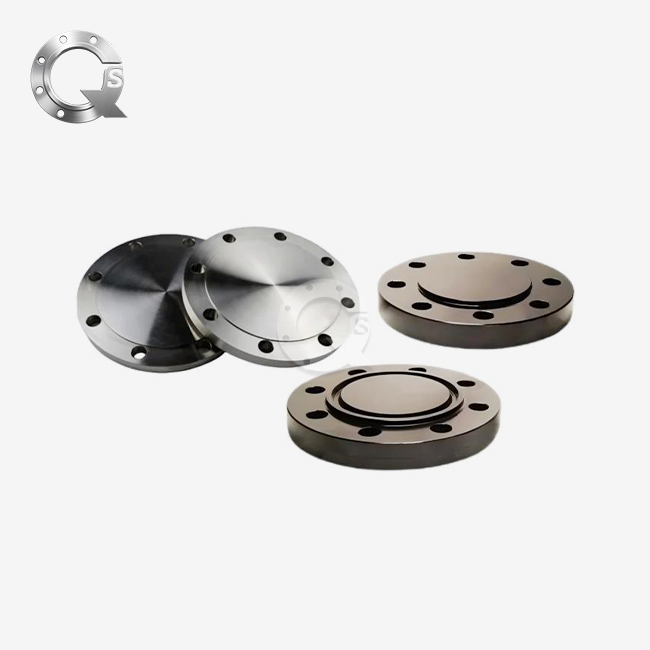
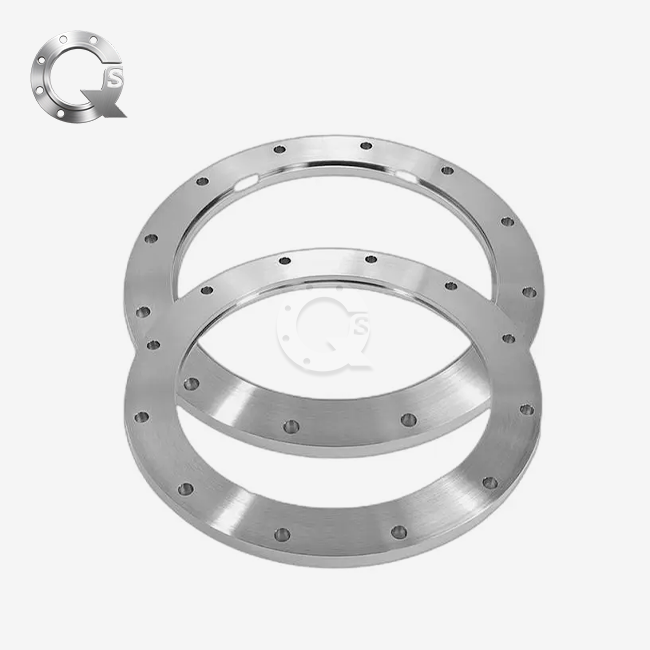
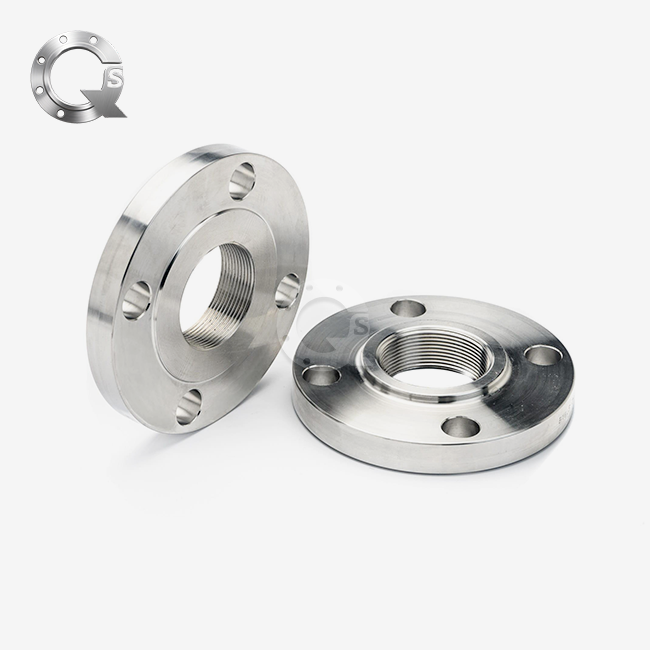
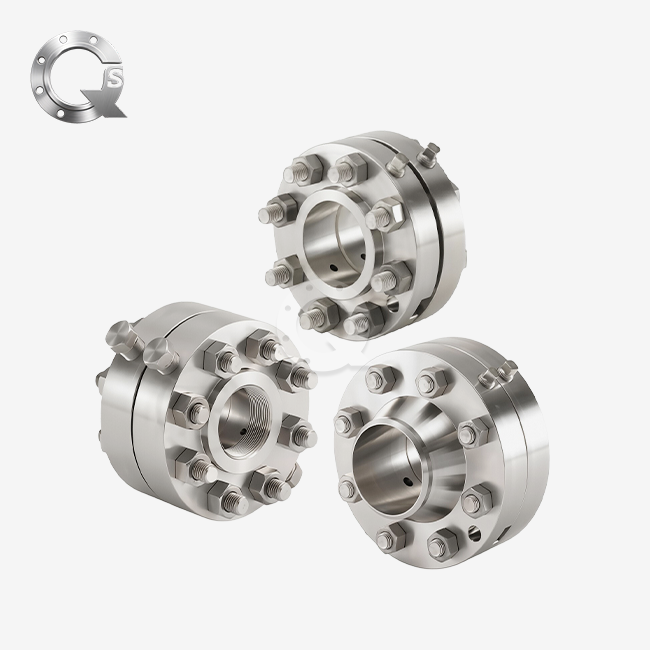
A105 carbon steel is a fabulous choice for ASME B16.11 fittings, especially ASME B16.11 A105 carbon steel fitting, in non-corrosive, normal-temperature (≤350℃) mechanical pipelines carrying water, oil, or gas. This flexible fabric offers an ideal balance of quality, strength, and cost-effectiveness, making it perfect for different applications in the oil and gas, petrochemical, and common mechanical divisions. When selecting fittings for your pipeline venture, consider A105 carbon steel if you require solid execution in direct temperature and weight conditions, fabulous weldability, and compliance with worldwide guidelines. Its far-reaching accessibility and conservative estimating also make it an appealing choice for large-scale ventures where budget considerations are crucial.
Understanding A105 Carbon Steel Properties and Applications
Chemical Composition and Mechanical Properties
A105 carbon steel is a low-carbon steel amalgam designed particularly for creating strong and dependable pipe fittings utilized over a wide range of mechanical frameworks. Its chemical composition by and large incorporates around 0.35% carbon, 0.60–1.05% manganese, and restricted amounts of phosphorus, sulfur, and silicon, all of which contribute to its adjusted quality and workability. This combination yields great mechanical characteristics, such as tall ductile quality, regularly between 485 and 655 MPa, along with favorable ductility that permits the fabric to retain stretch without splitting. These properties empower A105 carbon steel fittings to perform effectively under direct weights and temperatures commonly experienced in mechanical pipelines and preparation facilities.
Temperature and Pressure Ratings
ASME B16.11 A105 carbon steel fittings are outlined to work securely at temperatures coming to up to 350°C (662°F), giving a solid arrangement for applications extending from regular ambient-temperature forms to tolerably lifted warm situations. Their weight evaluations depend on variables such as measurement, plan, and fitting type, but generally they offer reliable execution within standard mechanical weight ranges. This makes them reasonable for different frameworks, including steam, water, oil, and non-corrosive gases. In any case, it is essential to review the manufacturer's detailed specifications as well as pertinent design codes to confirm that the chosen fittings comply with the expected performance conditions and meet all project-specific safety and execution requirements.
Corrosion Resistance and Limitations
Although A105 carbon steel gives sensible resistance to common climatic erosion, clients must recognize its performance limitations when selecting materials for demanding situations, particularly when considering an ASME B16.11 A105 carbon steel fitting. The combination is not perfect for profoundly destructive media or applications, including forceful chemicals, which may lead to untimely degradation if the fabric is exposed without assurance. In such scenarios, stainless steels or specialized corrosion-resistant combinations offer more dependable choices. In any case, for numerous standard mechanical operations, including water, oil, and gas transportation, A105 carbon steel conveys palatable erosion resistance, especially when combined with fitting defensive coatings, linings, or routinely kept up surface medicines. These measures offer assistance to amplify the benefit of life and maintain framework astuteness in ordinary working conditions.
Advantages of Using A105 Carbon Steel for ASME B16.11 Fittings
Cost-Effectiveness and Availability
One of the essential preferences of selecting A105 carbon steel for ASME B16.11 fittings is its solid cost-effectiveness, particularly when compared with higher-priced materials such as stainless steel or nickel-based combinations. A105 carbon steel gives fundamental mechanical and execution characteristics at a significantly more prudent cost point, making it especially useful for expansive mechanical projects where material costs can enormously impact overall budget planning. In expansion, A105 carbon steel fittings are broadly accessible from various worldwide producers and merchants, guaranteeing tried and true supply progression. This wide accessibility makes a difference in avoiding delays, abbreviates acquisition lead times, and underpins venture plans by making replacement parts and bulk amounts simple to source.
Weldability and Fabrication Ease
A105 carbon steel illustrates amazing weldability, which is a critical advantage amid pipeline development, schedule upkeep, and framework alterations. It's generally a low-carbon substance and well-balanced amalgam composition that minimizes the dangers of weld splitting, mutilation, or issues inside the heat-affected zone (HAZ), permitting welders to accomplish reliable results with standard strategies. This prevalent weldability empowers speedier establishment, diminishes the requirement for specialized welding methods, and eventually brings down labor and extend execution costs. Besides, A105 carbon steel is simple to machine, cut, bore, and frame, advertising adaptability for on-site alterations and rearranging the generation of custom-designed fittings when special arrangements or measurements are required.
Compliance with International Standards
ASME B16.11 A105 carbon steel fittings are created in strict agreement with globally recognized measures, guaranteeing each fitting maintains unsurprising quality, mechanical execution, and dimensional accuracy. Such standardization gives engineers, creators, and extension directors certainty that the fittings will perform reliably over different providers and installation situations. Following these set-up measures also diminishes the requirement for broad confirmation testing, streamlines specialized documentation requirements, and speeds up the endorsement process in controlled businesses. Whether utilized in petrochemical, control era, or common mechanical pipelines, compliance with recognized determinations disentangles acquisition, minimizes administrative complications, and maintains consistency throughout the whole channeling system.
Considerations for Selecting A105 Carbon Steel Fittings
Assessing Operating Conditions
When choosing whether to utilize A105 carbon steel for ASME B16.11 fittings, it is pivotal to completely assess the working conditions of your pipeline framework. Critical components incorporate the most extreme and least benefit temperatures, anticipated weight ranges, and the characteristics of the liquids being transported. A105 carbon steel performs dependably in applications with temperatures up to 350°C and direct pressure requests, making it appropriate for a wide range of standard mechanical frameworks. Be that as it may, for pipelines exposed to extraordinary temperatures, severe thermal cycling, or especially high-pressure situations, elective materials may be required to guarantee long-term security and execution. Counseling building experts and investigating pertinent industry guidelines will offer assistance to confirm that A105 carbon steel fittings fit your particular operational needs.
Evaluating Fluid Compatibility
The compatibility of A105 carbon steel with the planning liquid medium is another basic figure to look at when selecting ASME B16.11 fittings. This fabric is profoundly viable for transporting water, oil, natural gas, and comparable non-aggressive liquids beneath ordinary working conditions. In any case, it may not give adequate resistance when exposed to exceedingly destructive chemicals, liquids with extraordinary pH values, or situations containing destructive contaminants. For frameworks including such challenges, a comprehensive compatibility appraisal is fundamental to avoid untimely degradation. Defensive coatings, inside linings, or erosion inhibitors can sometimes expand the ease of use of A105 carbon steel, but in applications with tireless or serious erosion dangers, stainless steel or specialized amalgam fittings may offer a more tried and true and cost-effective solution.
Long-Term Maintenance and Lifecycle Costs
While the introductory buy cost of A105 carbon steel fittings is moderately low compared to numerous alternative materials, assessing long-term upkeep and total lifecycle costs is essential when planning your channeling framework, especially when selecting an ASME B16.11 A105 carbon steel fitting. In non-corrosive or controlled situations, A105 fittings can convey fabulous toughness with negligible upkeep. In contrast, more demanding applications may require scheduled reviews, intermittent recoating, or indeed earlier-than-expected substitution to keep up framework astuteness. These repeating upkeep needs can amass critical costs over time. By comparing these long-term costs with the execution and toughness of more corrosion-resistant materials, engineers can make educated choices. In certain cases, contributing to higher-grade materials at the beginning may eventually decrease lifecycle costs, particularly where operational downtime or unscheduled repairs would significantly affect productivity.
Conclusion
Choosing A105 carbon steel for ASME B16.11 fittings is a great choice for numerous mechanical pipeline applications, especially those including non-corrosive liquids and direct temperature and weight conditions. Its combination of quality, weldability, and cost-effectiveness makes it a prevalent choice over other businesses. Be that as it may, cautious thought of working conditions, liquid compatibility, and long-term upkeep necessities is fundamental to guarantee ideal execution and security. By weighing these variables and consulting with industry specialists, you can decide if A105 carbon steel fittings are the right choice for your particular extend needs.
FAQs
What are the main advantages of using A105 carbon steel for ASME B16.11 fittings?
A105 carbon steel offers excellent strength, good weldability, cost-effectiveness, and compliance with international standards, making it ideal for many industrial applications.
What temperature range is suitable for A105 carbon steel fittings?
A105 carbon steel fittings are typically rated for temperatures up to 350°C (662°F), making them suitable for a wide range of industrial processes.
Are A105 carbon steel fittings corrosion-resistant?
While A105 carbon steel offers some resistance to general atmospheric corrosion, it's not recommended for highly corrosive environments without additional protective measures.
Expert A105 Carbon Steel ASME B16.11 Fittings Supplier | QinSteel
As a leading manufacturer and supplier of ASME B16.11 A105 carbon steel fittings, QinSteel offers premium quality products that meet international standards. Our extensive inventory and state-of-the-art production facilities ensure quick delivery and competitive pricing. Trust our 20 years of industry expertise for all your pipeline fitting needs. Contact us at info@sxqinsteel.com for personalized solutions and expert support.

References
American Society of Mechanical Engineers. (2017). ASME B16.11-2016: Forged Fittings, Socket-Welding and Threaded.
Smith, J. R. (2019). Materials Selection for Petrochemical and Oil & Gas Applications. Chemical Engineering Progress, 115(8), 38-45.
Johnson, M. L., & Thompson, A. K. (2020). Comparative Analysis of Carbon Steel and Stainless Steel Fittings in Industrial Pipelines. Journal of Materials Engineering and Performance, 29(6), 3721-3730.
International Organization for Standardization. (2018). ISO 15156-2:2015: Petroleum and natural gas industries — Materials for use in H2S-containing environments in oil and gas production — Part 2: Cracking-resistant carbon and low-alloy steels, and the use of cast irons.
Williams, R. T., & Davis, C. L. (2021). Lifecycle Cost Analysis of Pipeline Materials: A Case Study in the Oil and Gas Industry. Energy & Fuels, 35(10), 8901-8912.
Brown, E. S., & White, P. J. (2022). Advancements in Corrosion Protection for Carbon Steel Fittings in Industrial Applications. Corrosion Science and Technology, 57(3), 245-256.