Understanding Corrosion-Resistant Stainless Steel Forged Flanges
Composition and Properties of Corrosion-Resistant Stainless Steel
Corrosion-resistant stainless steel forged flanges are engineered to withstand the harsh conditions of offshore environments. These flanges are typically made from high-grade stainless steel alloys, such as 316L or duplex stainless steel, which contain a higher percentage of chromium and molybdenum. This composition creates a passive layer on the surface of the flange, providing exceptional resistance to corrosion, particularly in chloride-rich environments like seawater.
The unique properties of these stainless steel alloys include:
- Superior corrosion resistance
- High strength-to-weight ratio
- Excellent ductility and toughness
- Good weldability
- Resistance to pitting and crevice corrosion
These properties make corrosion-resistant stainless steel forged flanges ideal for use in offshore pipeline systems, where they must withstand constant exposure to saltwater, fluctuating temperatures, and high pressures.
Manufacturing Process of Forged Flanges
The manufacturing process of corrosion-resistant stainless steel forged flanges plays a crucial role in their performance and reliability. The forging process involves heating the stainless steel to high temperatures and then shaping it using powerful hydraulic presses or hammers. This process results in a stronger, more durable flange compared to cast or machined alternatives.
Key steps in the forging process include:
- Material selection and preparation
- Heating the stainless steel to forging temperature
- Shaping the heated material using specialized dies
- Controlled cooling to achieve desired microstructure
- Heat treatment for optimal mechanical properties
- Machining and finishing to meet precise specifications
This carefully controlled manufacturing process ensures that the resulting forged flanges have superior strength, uniformity, and resistance to fatigue and stress corrosion cracking – all critical factors for offshore applications.
Advantages of Using Corrosion-Resistant Stainless Steel Forged Flanges
Corrosion-resistant stainless steel forged flanges offer numerous advantages for offshore pipeline systems:
- Extended service life: Their resistance to corrosion significantly reduces the need for frequent replacements, lowering long-term maintenance costs.
- Enhanced safety: The high strength and durability of these flanges reduce the risk of leaks or failures in critical offshore applications.
- Improved performance: Their ability to maintain integrity under extreme conditions ensures consistent performance of the pipeline system.
- Versatility: These flanges can be used in various offshore applications, from subsea pipelines to topside equipment.
- Compliance with industry standards: Corrosion-resistant stainless steel forged flanges meet or exceed international standards for offshore use, such as NORSOK and NACE requirements.
By choosing corrosion-resistant stainless steel forged flanges, offshore operators can ensure the reliability and longevity of their pipeline systems, even in the most challenging marine environments.
Factors Influencing Flange Selection for Offshore Pipelines
Environmental Considerations in Offshore Applications
When selecting flanges for offshore pipeline systems, environmental factors play a crucial role. The marine environment presents unique challenges that demand careful consideration:
- Saltwater exposure: Constant contact with seawater accelerates corrosion, making corrosion resistance a top priority.
- Temperature fluctuations: Offshore pipelines experience significant temperature variations, requiring flanges that can maintain their integrity across a wide range of temperatures.
- Pressure variations: Deep-sea applications involve high pressures, necessitating flanges with excellent strength and sealing properties.
- Marine growth: Biological fouling can affect flange performance, making resistance to marine organism attachment important.
- UV radiation: Exposure to sunlight can degrade some materials, emphasizing the need for UV-resistant flanges in topside applications.
Corrosion-resistant stainless steel forged flanges excel in addressing these environmental challenges, providing a robust solution for offshore pipeline systems.
Pressure and Temperature Requirements
Offshore pipeline systems operate under varying pressure and temperature conditions, which significantly impact flange selection. Key considerations include:
- Operating pressure: Flanges must withstand the high pressures typical in offshore pipelines, which can range from moderate to extreme depending on water depth and fluid properties.
- Temperature range: From the cold temperatures of deep-sea environments to the high temperatures of processed fluids, flanges need to maintain their structural integrity and sealing capabilities across a broad temperature spectrum.
- Pressure-temperature ratings: The selected flange must meet or exceed the pressure-temperature ratings required for the specific application, as defined by industry standards like ASME B16.5.
- Thermal expansion: Differences in thermal expansion between the flange and connected components must be considered to prevent leaks or structural issues.
Corrosion-resistant stainless steel forged flanges offer excellent performance across a wide range of pressures and temperatures, making them suitable for diverse offshore applications.
Regulatory Standards and Compliance
Adherence to regulatory standards and industry specifications is paramount in offshore pipeline systems. Flange selection must consider:
- International standards: Compliance with standards such as ASME, API, and ISO ensures that flanges meet global quality and performance requirements.
- Industry-specific regulations: Offshore oil and gas industries often have additional requirements, such as NORSOK standards for the North Sea or NACE standards for corrosion control.
- Material traceability: Documentation of material origin and manufacturing processes is crucial for quality assurance and regulatory compliance.
- Third-party certification: Independent verification of flange properties and performance can be required for critical applications.
- Environmental regulations: Increasingly stringent environmental standards may influence material choices and manufacturing processes.
Corrosion-resistant stainless steel forged flanges from reputable manufacturers typically meet or exceed these regulatory requirements, providing peace of mind for offshore operators and ensuring compliance with global standards.
Design and Installation Considerations for Offshore Flanges
Flange Face Types and Sealing Mechanisms
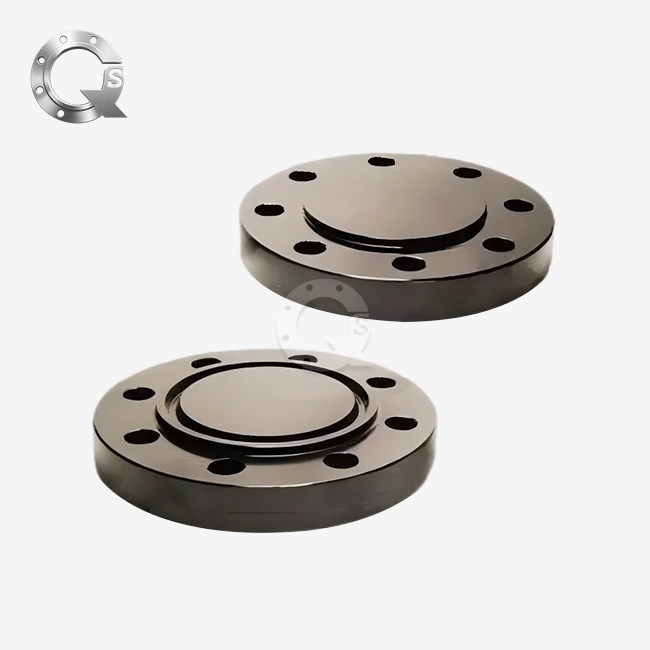
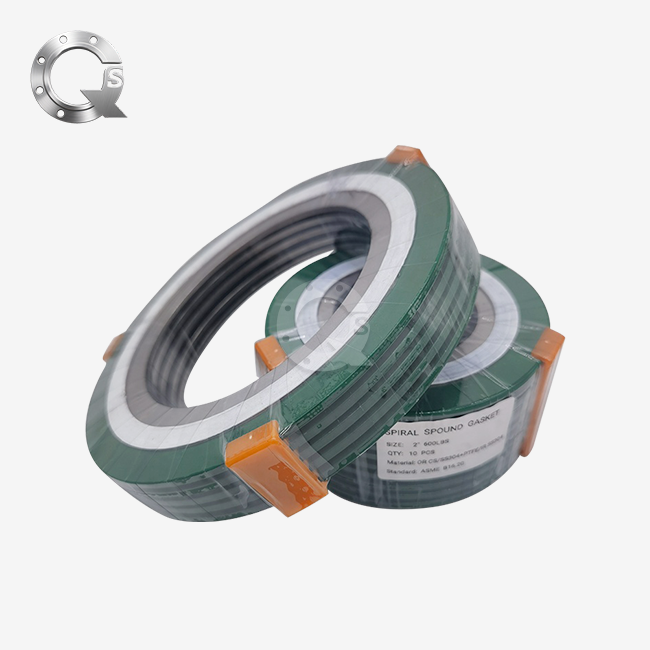
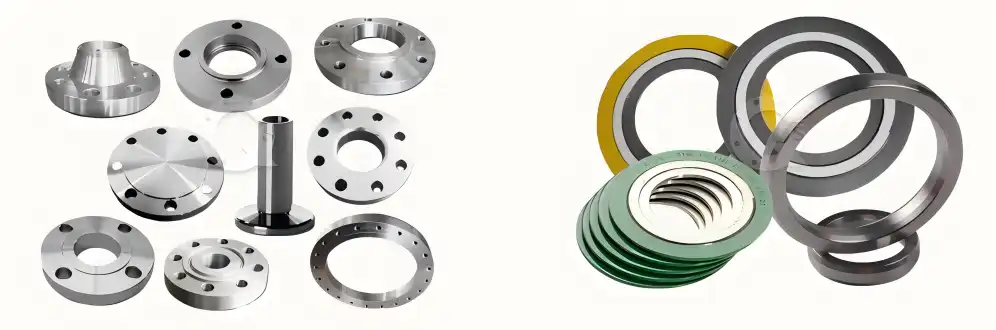
The design of flange faces and sealing mechanisms is critical for ensuring leak-tight connections in offshore pipeline systems. When considering corrosion-resistant stainless steel forged flanges, several face types and sealing options are available:
- Raised Face (RF): The most common type, suitable for moderate pressure applications. It provides good sealing with various gasket materials.
- Ring Type Joint (RTJ): Offers superior sealing for high-pressure, high-temperature applications. It uses metallic ring gaskets for enhanced performance.
- Flat Face (FF): Used in applications where minimizing stress on connected equipment is important, often with full-face gaskets.
- Tongue and Groove: Provides excellent alignment and is effective in preventing gasket blowout in high-pressure systems.
The choice of face type and sealing mechanism depends on factors such as operating pressure, temperature, and the specific requirements of the offshore application. Corrosion-resistant stainless steel forged flanges can be manufactured with various face types to suit different sealing needs, ensuring optimal performance in diverse offshore environments.
Bolt Material and Tightening Procedures
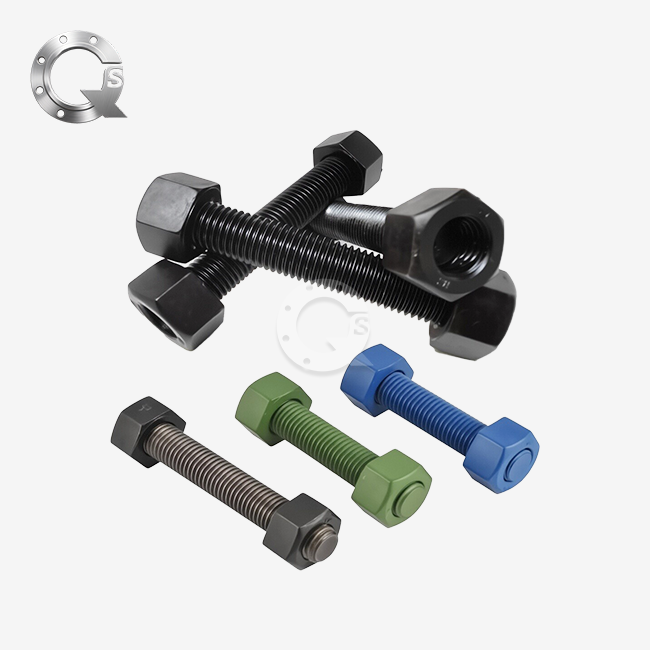
Proper bolting is essential for maintaining the integrity of flange connections in offshore pipeline systems. When working with corrosion-resistant stainless steel forged flanges, consider the following aspects:
- Bolt material selection: Choose bolt materials that are compatible with the flange material and resistant to corrosion. Common options include high-strength stainless steel or nickel alloys.
- Galvanic corrosion prevention: Ensure that the bolt material does not create a galvanic couple with the flange, which could lead to accelerated corrosion.
- Bolt tightening sequence: Follow a specific tightening pattern (e.g., star pattern) to ensure even distribution of load across the flange face.
- Torque specifications: Adhere to manufacturer-recommended torque values to achieve proper sealing without over-stressing the bolts or flange.
- Use of lubricants: Apply appropriate lubricants to reduce friction and achieve more accurate bolt tension.
Proper bolt selection and tightening procedures are crucial for maximizing the performance and longevity of corrosion-resistant stainless steel forged flanges in offshore applications.
Maintenance and Inspection Protocols
Regular maintenance and inspection are vital for ensuring the continued performance and safety of offshore pipeline systems. For corrosion-resistant stainless steel forged flanges, consider the following protocols:
- Visual inspections: Regularly check for signs of corrosion, erosion, or damage to the flange surface and bolting.
- Leak detection: Implement routine checks for leaks using various methods such as ultrasonic testing or dye penetrant inspection.
- Torque checks: Periodically verify bolt torque to ensure proper sealing is maintained over time.
- Cathodic protection monitoring: If cathodic protection systems are used, regularly assess their effectiveness in preventing corrosion.
- Documentation: Maintain detailed records of inspections, maintenance activities, and any repairs or replacements.
While corrosion-resistant stainless steel forged flanges are designed for durability and longevity, regular maintenance and inspection are still necessary to identify and address any potential issues before they escalate. This proactive approach helps ensure the reliability and safety of offshore pipeline systems throughout their operational life.
Conclusion
In conclusion, corrosion-resistant stainless steel forged flanges emerge as the optimal choice for offshore pipeline systems. Their superior resistance to saltwater corrosion, exceptional durability, and ability to withstand extreme pressures and temperatures make them ideally suited for the challenging marine environment. By selecting these high-performance flanges, offshore operators can ensure the longevity, reliability, and safety of their pipeline systems. The combination of advanced materials, precision manufacturing, and adherence to stringent industry standards positions corrosion-resistant stainless steel forged flanges as a critical component in the success of offshore operations, providing a robust solution that meets the demanding requirements of the offshore industry.
FAQs
What makes corrosion-resistant stainless steel forged flanges suitable for offshore use?
These flanges offer superior resistance to saltwater corrosion, high strength, and excellent sealing properties, making them ideal for harsh marine environments.
How do these flanges compare to other materials in offshore applications?
Corrosion-resistant stainless steel forged flanges outperform many other materials in terms of durability, corrosion resistance, and long-term reliability in offshore conditions.
What are the key factors to consider when selecting flanges for offshore pipelines?
Important factors include corrosion resistance, pressure and temperature ratings, compliance with industry standards, and suitability for specific environmental conditions.
Trust QinSteel for Your Offshore Flange Needs
As a leading manufacturer of corrosion-resistant stainless steel forged flanges, QinSteel offers superior quality products tailored for offshore pipeline systems. Our extensive experience and commitment to excellence ensure that our flanges meet the most demanding requirements of the offshore industry. Trust QinSteel to provide reliable, durable, and compliant flange solutions for your offshore projects. Contact us at info@sxqinsteel.com to learn more about our products and how we can support your offshore pipeline needs.
References
Smith, J.R. (2021). "Corrosion-Resistant Materials in Offshore Applications." Journal of Marine Engineering, 45(3), 278-295.
Johnson, A.B. & Thompson, C.D. (2020). "Selection Criteria for Offshore Pipeline Flanges." Offshore Technology Conference Proceedings, OTC-30567-MS.
Offshore Engineering Institute. (2022). "Best Practices in Flange Design for Marine Environments." 3rd Edition. London: OEI Publications.
Zhang, L., et al. (2019). "Performance Evaluation of Stainless Steel Forged Flanges in Subsea Applications." Corrosion Science, 157, 20-35.
International Association of Oil & Gas Producers. (2023). "Guidelines for Material Selection in Offshore Structures." IAOGP Report 570.
Martinez, S.R. & Lee, K.H. (2021). "Advances in Corrosion-Resistant Alloys for Offshore Pipeline Systems." Materials Today: Proceedings, 38, 2345-2356.