- English
- French
- German
- Portuguese
- Spanish
- Russian
- Japanese
- Korean
- Arabic
- Greek
- German
- Turkish
- Italian
- Danish
- Romanian
- Indonesian
- Czech
- Afrikaans
- Swedish
- Polish
- Basque
- Catalan
- Esperanto
- Hindi
- Lao
- Albanian
- Amharic
- Armenian
- Azerbaijani
- Belarusian
- Bengali
- Bosnian
- Bulgarian
- Cebuano
- Chichewa
- Corsican
- Croatian
- Dutch
- Estonian
- Filipino
- Finnish
- Frisian
- Galician
- Georgian
- Gujarati
- Haitian
- Hausa
- Hawaiian
- Hebrew
- Hmong
- Hungarian
- Icelandic
- Igbo
- Javanese
- Kannada
- Kazakh
- Khmer
- Kurdish
- Kyrgyz
- Latin
- Latvian
- Lithuanian
- Luxembou..
- Macedonian
- Malagasy
- Malay
- Malayalam
- Maltese
- Maori
- Marathi
- Mongolian
- Burmese
- Nepali
- Norwegian
- Pashto
- Persian
- Punjabi
- Serbian
- Sesotho
- Sinhala
- Slovak
- Slovenian
- Somali
- Samoan
- Scots Gaelic
- Shona
- Sindhi
- Sundanese
- Swahili
- Tajik
- Tamil
- Telugu
- Thai
- Ukrainian
- Urdu
- Uzbek
- Vietnamese
- Welsh
- Xhosa
- Yiddish
- Yoruba
- Zulu
How to Select the Pressure Class of ASME B16.5 Forged Flanges?
Nov 26 2025

Selecting the appropriate pressure class for ASME B16.5 forged flanges is crucial for ensuring safe and efficient pipeline operations. To choose the right pressure class, consider the pipeline's maximum operating pressure and temperature, then match these parameters to standard ratings like 150#, 300#, or 600#. Factors such as material properties, corrosion allowance, and safety margins also play a role in the selection process. By carefully evaluating these elements and consulting pressure-temperature rating tables, engineers can determine the most suitable ASME B16.5 forged flange pressure class for their specific application, guaranteeing optimal performance and safety in pipeline systems.
Understanding ASME B16.5 Forged Flange Pressure Classes
What are ASME B16.5 Forged Flanges?
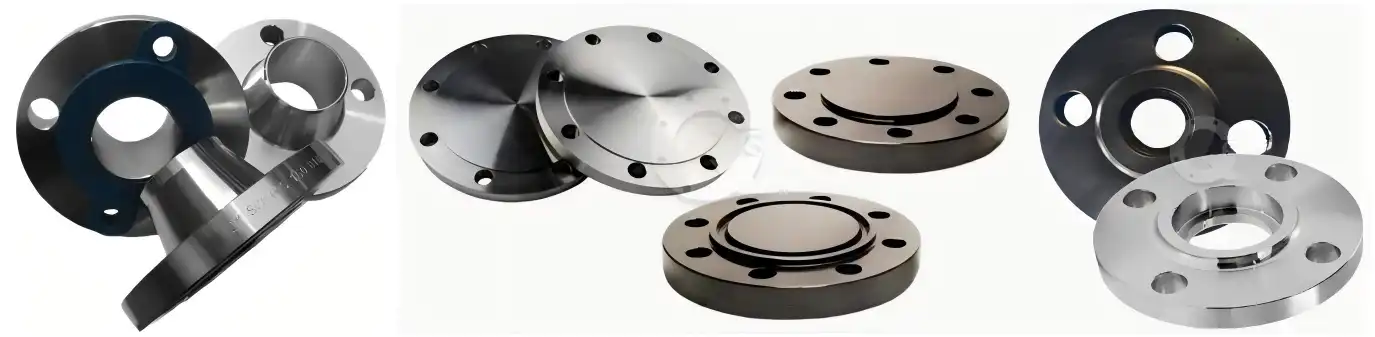
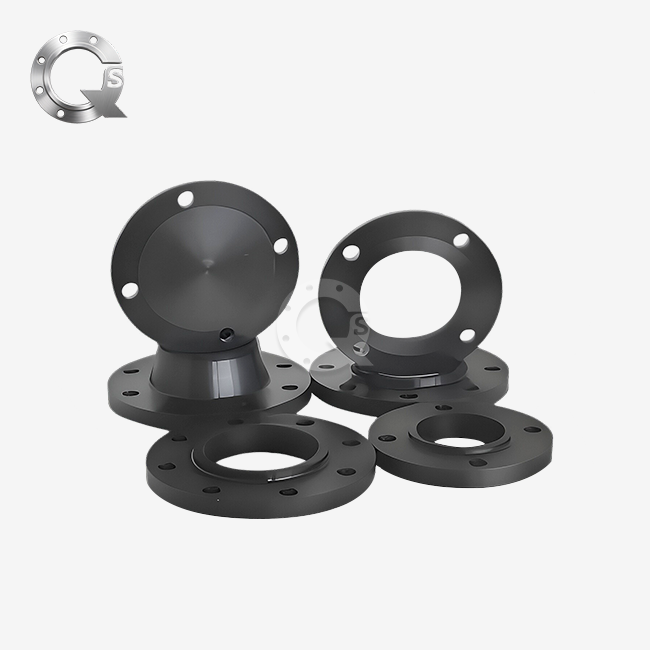
ASME B16.5 forged flanges are standardized pipe connection components widely used in various industries. These flanges are manufactured through a forging process, which enhances their strength and durability. The ASME B16.5 standard provides specifications for pipe flanges and flanged fittings, including dimensions, tolerances, and pressure-temperature ratings.
Importance of Pressure Classes in Flange Selection
Pressure classes play a critical role in flange selection as they determine the flange's ability to withstand specific operating conditions. Each pressure class corresponds to a set of pressure-temperature ratings that define the maximum allowable working pressure at various temperatures. Selecting the appropriate pressure class ensures the flange can safely contain the fluid or gas within the piping system without failure or leakage.
Common Pressure Classes for ASME B16.5 Flanges
ASME B16.5 specifies several pressure classes for ASME B16.5 forged flange, with the most common being:
- 150# (PN 20)
- 300# (PN 50)
- 600# (PN 100)
- 900# (PN 150)
- 1500# (PN 250)
- 2500# (PN 420)
Each class represents a different pressure-temperature rating, with higher numbers indicating greater pressure-bearing capacity. The selection of the appropriate class depends on the specific requirements of the application and operating conditions.
Factors Influencing Pressure Class Selection
Maximum Operating Pressure and Temperature
The most critical factors in selecting the pressure class of ASME B16.5 forged flanges are the maximum operating pressure and temperature of the pipeline system. These parameters directly determine the minimum pressure class required to ensure safe operation. Engineers must consider both the normal operating conditions and potential upset scenarios when evaluating these factors.
For instance, if a pipeline operates at a maximum pressure of 250 psi and a temperature of 400°F, a Class 150 flange might be suitable. However, if the same pipeline experiences occasional pressure spikes up to 500 psi, a Class 300 flange would be necessary to maintain system integrity.
Material Properties and Corrosion Allowance
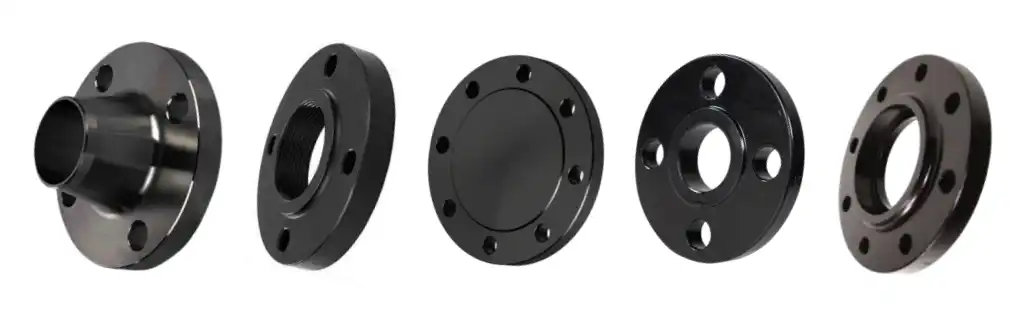
The material of the flange, such as ASME B16.5 forged flange, also plays a significant role in pressure class selection. Different materials have varying strength properties and respond differently to temperature changes. For example, carbon steel flanges may have lower pressure ratings at elevated temperatures compared to stainless steel flanges.
Additionally, engineers must consider the corrosion allowance when selecting the pressure class. In corrosive environments, a higher pressure class may be chosen to account for potential material degradation over time, ensuring the flange maintains its integrity throughout its intended service life.
Safety Factors and Industry Standards
Safety factors are crucial in pressure class selection to account for uncertainties and provide a margin of safety. Industry standards and regulations often dictate minimum safety factors that must be applied when selecting flange pressure classes.
For example, the ASME Boiler and Pressure Vessel Code specifies safety factors for different applications. In some cases, a safety factor of 1.5 or higher may be required, meaning the selected pressure class should have a rating at least 1.5 times the maximum operating pressure.
Furthermore, specific industry standards, such as those in the oil and gas or chemical processing sectors, may have additional requirements that influence pressure class selection. Adhering to these standards ensures compliance and promotes safe operations across various applications.
Step-by-Step Guide to Selecting the Right Pressure Class
Determine Maximum Operating Conditions
The first step in selecting the appropriate pressure class for ASME B16.5 forged flanges is to determine the maximum operating conditions of the pipeline system. This includes:
- Identifying the highest expected operating pressure, including any potential pressure surges or spikes.
- Determining the maximum operating temperature, considering both normal and upset conditions.
- Evaluating any cyclic loading or pressure fluctuations that may occur during operation.
It's crucial to gather accurate data from process engineers or system designers to ensure all potential scenarios are considered. This information forms the foundation for selecting the appropriate pressure class.
Consult Pressure-Temperature Rating Tables
Once the maximum operating conditions are established, the next step is to consult the pressure-temperature rating tables provided in the ASME B16.5 forged flange standard. These tables outline the maximum allowable working pressures for different materials and pressure classes across a range of temperatures.
To use these tables effectively:
- Locate the table corresponding to the flange material (e.g., carbon steel, stainless steel).
- Find the column that matches or exceeds the maximum operating temperature.
- Identify the pressure class row that meets or exceeds the maximum operating pressure at the given temperature.
It's important to note that as temperature increases, the maximum allowable working pressure generally decreases. Therefore, always verify that the selected pressure class is suitable for both the pressure and temperature requirements.
Apply Safety Factors and Consider Additional Requirements
After identifying a suitable pressure class based on the rating tables, it's essential to apply appropriate safety factors and consider any additional requirements:
- Apply the required safety factor as per industry standards or company policies. This typically involves multiplying the maximum operating pressure by the safety factor (e.g., 1.5) to determine the minimum pressure rating needed.
- Consider any corrosion allowance required for the application. If significant corrosion is expected, selecting a higher pressure class may be necessary to maintain long-term integrity.
- Evaluate any specific industry or regulatory requirements that may influence the pressure class selection.
- Assess the potential for future system upgrades or changes in operating conditions that might require a higher pressure class.
By carefully considering these factors, engineers can ensure that the selected pressure class not only meets current operational needs but also provides a margin of safety and flexibility for future requirements.
Conclusion
Selecting the appropriate pressure class for ASME B16.5 forged flanges is a critical process that requires careful consideration of various factors. By thoroughly evaluating the maximum operating conditions, consulting pressure-temperature rating tables, and applying necessary safety factors, engineers can ensure the selection of flanges that meet both safety and performance requirements. This systematic approach not only guarantees compliance with industry standards but also contributes to the overall reliability and longevity of pipeline systems across diverse applications.
FAQs
What is the difference between Class 150 and Class 300 ASME B16.5 forged flanges?
Class 300 flanges have a higher pressure rating than Class 150 flanges. For example, at room temperature, a Class 150 carbon steel flange may be rated for 285 psi, while a Class 300 flange could be rated for 740 psi.
Can I use a higher pressure class flange than required?
Yes, using a higher pressure class flange than required is generally acceptable and may provide an additional safety margin. However, it may increase costs and weight.
How often should I review the pressure class selection for existing systems?
It's recommended to review pressure class selections during routine system audits or when there are changes in operating conditions, typically every 3-5 years or as required by industry regulations.
Expert ASME B16.5 Forged Flange Solutions | QinSteel
At QinSteel, we specialize in providing high-quality ASME B16.5 forged flanges for a wide range of applications. Our expert team can assist you in selecting the optimal pressure class for your specific needs, ensuring safety and efficiency in your pipeline systems. As a leading manufacturer and supplier of forged flanges, we offer competitive pricing, timely delivery, and unmatched quality. Contact us at info@sxqinsteel.com to discuss your flange requirements and experience our superior customer service.
References
American Society of Mechanical Engineers. (2017). ASME B16.5-2017: Pipe Flanges and Flanged Fittings.
Bringas, J. E. (2004). Handbook of Comparative World Steel Standards (3rd ed.). ASTM International.
Nayyar, M. L. (2000). Piping Handbook (7th ed.). McGraw-Hill Education.
Smith, P., & Van Laan, R. (1987). Piping and Pipe Support Systems: Design and Engineering. McGraw-Hill Education.
American Petroleum Institute. (2018). API Specification 6A: Specification for Wellhead and Christmas Tree Equipment.
Antaki, G. A. (2003). Piping and Pipeline Engineering: Design, Construction, Maintenance, Integrity, and Repair. CRC Press.
Learn about our latest products and discounts through SMS or email