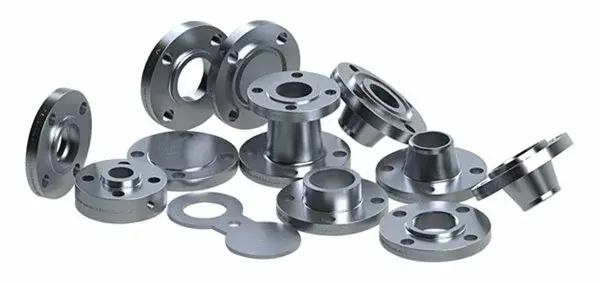
Essential Cleaning Techniques for ASME B16.9 Flanged Fittings
Selecting the Right Cleaning Agents
Choosing the appropriate cleaning agents is crucial when maintaining ASME B16.9 flanged fittings. Neutral cleaners are highly recommended as they effectively remove contaminants without causing damage to the fitting's surface. These cleaners are designed to dissolve oils, greases, and other residues that can accumulate during manufacturing or use.
When selecting a cleaner, consider the following factors:
- Compatibility with the fitting material
- Environmental impact
- Safety for operators
- Ability to remove specific contaminants
It's important to avoid harsh chemicals or acidic solutions that could potentially corrode or weaken the fitting. Always refer to the manufacturer's recommendations and material safety data sheets (MSDS) when choosing cleaning agents.
Proper Cleaning Methods and Techniques
The cleaning process for ASME B16.9 flanged fittings should be thorough yet gentle to preserve the integrity of the component. Here are some recommended techniques:
- Pre-rinse: Begin by rinsing the fitting with clean water to remove loose debris.
- Apply cleaner: Use a soft brush or cloth to apply the neutral cleaner, ensuring all surfaces are covered.
- Soak: Allow the cleaner to penetrate for the recommended time, typically a few minutes.
- Scrub gently: Use a non-abrasive brush or cloth to remove stubborn residues.
- Rinse thoroughly: Use clean water to remove all traces of the cleaning agent.
- Dry completely: Use lint-free cloths or compressed air to dry the fitting, preventing water spots or corrosion.
Remember, the goal is to clean effectively without compromising the fitting's surface finish or dimensional accuracy.
Avoiding Common Cleaning Mistakes
To ensure the longevity and performance of ASME B16.9 flanged fittings, it's crucial to avoid these common cleaning mistakes:
- Using abrasive tools: Wire brushes or harsh scrubbers can damage the sealing surface.
- Overlooking crevices: Pay special attention to hard-to-reach areas where contaminants can hide.
- Insufficient rinsing: Leaving cleaning agent residues can lead to corrosion or interference with gaskets.
- Improper drying: Moisture left on the fitting can cause oxidation or rust formation.
- Using incompatible cleaners: Always verify that the cleaning agent is suitable for the fitting material.
By avoiding these pitfalls, you can ensure that your cleaning process enhances rather than compromises the integrity of your ASME B16.9 flanged fittings.

Importance of Proper Cleaning for ASME B16.9 Flanged Fittings
Ensuring Optimal Performance and Longevity
Proper cleaning of ASME B16.9 flanged fittings is not just a maintenance task; it's a critical step in ensuring the optimal performance and longevity of these essential components. Clean fittings are less likely to experience premature wear, corrosion, or failure, which can lead to costly downtime and repairs.
Regular and thorough cleaning:
- Removes contaminants that could interfere with proper sealing
- Prevents the buildup of corrosive substances
- Allows for easier visual inspection to detect potential issues
- Maintains the fitting's dimensional accuracy and surface finish
By implementing a consistent cleaning regimen, you can significantly extend the service life of your ASME B16.9 flanged fittings and ensure they continue to perform at their best throughout their operational lifespan.
Maintaining Safety and Compliance Standards
Cleanliness is not just about performance; it's also a matter of safety and regulatory compliance. ASME B16.9 flanged fittings are often used in critical applications where failure could have severe consequences. Proper cleaning helps maintain the integrity of these components, ensuring they meet the stringent safety standards required in various industries.
Key safety and compliance considerations include:
- Preventing leaks that could lead to hazardous material releases
- Ensuring proper mating of flanged connections
- Maintaining the required pressure ratings of the fittings
- Complying with industry-specific regulations and standards
Regular cleaning and inspection also provide documentation for compliance audits, demonstrating your commitment to maintaining safe and reliable operations.
Cost Savings Through Preventive Maintenance
While cleaning ASME B16.9 flanged fittings may seem like an additional expense, it's actually a cost-effective preventive maintenance measure. By investing in regular cleaning, you can avoid more significant expenses associated with component failure or system downtime.
Cost savings are realized through:
- Reduced frequency of fitting replacements
- Minimized risk of unexpected failures and emergency repairs
- Improved energy efficiency due to properly functioning fittings
- Decreased likelihood of product contamination in process applications
Moreover, clean fittings are easier to inspect, allowing for early detection of potential issues before they escalate into costly problems. This proactive approach to maintenance can lead to substantial long-term savings and improved operational efficiency.
Advanced Considerations for Cleaning ASME B16.9 Flanged Fittings
Material-Specific Cleaning Protocols
ASME B16.9 flanged fittings are manufactured from various materials, each requiring specific cleaning considerations. Understanding the unique properties of different materials is crucial for developing effective cleaning protocols that maintain the integrity of the fittings.
For example:
- Stainless Steel: Use non-chlorinated cleaners to prevent pitting corrosion.
- Carbon Steel: Ensure thorough drying to prevent rust formation.
- Alloy Steels: Be cautious with chemical cleaners that might affect the alloy composition.
- Non-Ferrous Metals: Use mild, pH-neutral cleaners to avoid surface reactions.
Always consult material-specific guidelines and manufacturer recommendations to tailor your cleaning approach. This ensures that the cleaning process enhances rather than compromises the unique properties of each fitting material.
Cleaning in Challenging Environments
ASME B16.9 flanged fittings are often used in demanding industrial settings where standard cleaning methods may not suffice. In these challenging environments, specialized cleaning techniques may be necessary to maintain the fittings effectively.
Consider the following scenarios:
- High-Temperature Applications: Use heat-resistant cleaning agents and allow fittings to cool before cleaning.
- Corrosive Environments: Implement more frequent cleaning schedules and use corrosion-inhibiting products.
- Offshore or Marine Settings: Address salt spray exposure with appropriate desalination procedures.
- Food and Pharmaceutical Industries: Employ sanitization methods that meet strict hygiene standards.
Adapting your cleaning approach to the specific environmental challenges ensures that ASME B16.9 flanged fittings remain in optimal condition, regardless of the operating conditions.
Innovative Cleaning Technologies and Future Trends
As technology advances, new cleaning methods are emerging that offer improved efficiency and effectiveness for maintaining ASME B16.9 flanged fittings. Staying informed about these innovations can help you optimize your cleaning processes and potentially reduce maintenance costs.
Some innovative cleaning technologies include:
- Ultrasonic Cleaning: Uses high-frequency sound waves to remove contaminants from complex geometries.
- Laser Cleaning: Offers precision cleaning without the use of chemicals or abrasives.
- Dry Ice Blasting: Provides non-abrasive cleaning suitable for delicate surfaces.
- Plasma Cleaning: Removes organic contaminants at the molecular level.
Future trends in cleaning ASME B16.9 flanged fittings may include the development of smart coatings with self-cleaning properties or the integration of IoT sensors for real-time contamination monitoring. By embracing these advanced technologies, industries can enhance the efficiency and effectiveness of their maintenance procedures for flanged fittings.
Conclusion
In conclusion, proper cleaning of ASME B16.9 flanged fittings is crucial for maintaining their performance, safety, and longevity. By using neutral cleaners, avoiding abrasive tools, and following material-specific protocols, you can ensure the integrity of these critical components. Remember that regular cleaning not only prevents costly failures but also contributes to overall system efficiency and regulatory compliance. As technology advances, staying informed about innovative cleaning methods can further improve maintenance practices. Ultimately, a well-maintained ASME B16.9 flanged fitting is an investment in the reliability and safety of your piping systems.
FAQs
How often should ASME B16.9 flanged fittings be cleaned?
The cleaning frequency depends on the application and environment. In general, inspect and clean fittings during scheduled maintenance or as recommended by the manufacturer.
Can I use pressure washing to clean ASME B16.9 flanged fittings?
While pressure washing can be effective, use caution to avoid damaging the sealing surface. Low-pressure settings and appropriate nozzle distance are recommended.
Are there any special considerations for cleaning stainless steel ASME B16.9 flanged fittings?
Yes, avoid chlorinated cleaners and steel wool, which can cause pitting and corrosion. Use non-abrasive, stainless steel-safe cleaning agents.
Expert ASME B16.9 Flanged Fitting Solutions | QinSteel
At QinSteel, we're not just suppliers; we're your partners in ensuring the highest quality ASME B16.9 flanged fittings for your projects. With two decades of industry expertise, we offer a comprehensive range of fittings that meet international standards. Our team of experts can provide tailored advice on proper cleaning and maintenance to maximize the lifespan of your fittings. For top-quality products and unparalleled support, contact us at info@sxqinsteel.com.
References
ASME B16.9-2018: Factory-Made Wrought Buttwelding Fittings. American Society of Mechanical Engineers.
Handbook of Piping Design. G.K. Sahu. New Age International Publishers, 2018.
Piping Handbook. Mohinder L. Nayyar. McGraw-Hill Education, 2000.
Corrosion Prevention and Control in Water Treatment and Supply Systems. J.E. Singley. Noyes Publications, 1985.
Industrial Cleaning Technology. B. J. Harrington. Kluwer Academic Publishers, 2001.
Surface Engineering for Corrosion and Wear Resistance. J. R. Davis. ASM International, 2001.