- English
- French
- German
- Portuguese
- Spanish
- Russian
- Japanese
- Korean
- Arabic
- Greek
- German
- Turkish
- Italian
- Danish
- Romanian
- Indonesian
- Czech
- Afrikaans
- Swedish
- Polish
- Basque
- Catalan
- Esperanto
- Hindi
- Lao
- Albanian
- Amharic
- Armenian
- Azerbaijani
- Belarusian
- Bengali
- Bosnian
- Bulgarian
- Cebuano
- Chichewa
- Corsican
- Croatian
- Dutch
- Estonian
- Filipino
- Finnish
- Frisian
- Galician
- Georgian
- Gujarati
- Haitian
- Hausa
- Hawaiian
- Hebrew
- Hmong
- Hungarian
- Icelandic
- Igbo
- Javanese
- Kannada
- Kazakh
- Khmer
- Kurdish
- Kyrgyz
- Latin
- Latvian
- Lithuanian
- Luxembou..
- Macedonian
- Malagasy
- Malay
- Malayalam
- Maltese
- Maori
- Marathi
- Mongolian
- Burmese
- Nepali
- Norwegian
- Pashto
- Persian
- Punjabi
- Serbian
- Sesotho
- Sinhala
- Slovak
- Slovenian
- Somali
- Samoan
- Scots Gaelic
- Shona
- Sindhi
- Sundanese
- Swahili
- Tajik
- Tamil
- Telugu
- Thai
- Ukrainian
- Urdu
- Uzbek
- Vietnamese
- Welsh
- Xhosa
- Yiddish
- Yoruba
- Zulu
How to Maintain ASME B16.9 Alloy Steel Elbows in High-Temperature Environments?
Nov 17 2025

Maintaining ASME B16.9 alloy steel elbows in high-temperature environments is crucial for ensuring the longevity and performance of your piping systems. Regular inspection, proper cleaning, and timely replacement are key to preventing failures and costly downtime. This comprehensive guide will walk you through the essential steps for maintaining these critical components, including annual thermal deformation checks, creep and oxidation damage detection, and best practices for extending the lifespan of your alloy steel elbows. By following these maintenance procedures, you can optimize the performance of your high-temperature piping systems and minimize the risk of unexpected failures.
Understanding ASME B16.9 Alloy Steel Elbows in High-Temperature Applications
Characteristics of ASME B16.9 Alloy Steel Elbows
ASME B16.9 alloy steel elbows are crucial components in high-temperature piping systems. These fittings are designed to withstand extreme temperatures and pressures, making them ideal for various industrial applications. Alloy steel elbows are manufactured using high-quality materials that offer excellent resistance to corrosion, oxidation, and creep.
The composition of alloy steel used in these elbows typically includes elements such as chromium, molybdenum, and nickel, which enhance their strength and durability under high-temperature conditions. This unique composition allows ASME B16.9 alloy steel elbows to maintain their structural integrity and performance even when exposed to temperatures exceeding 1000°F (538°C).
Common Applications in High-Temperature Environments
ASME B16.9 alloy steel elbows find extensive use in various high-temperature industrial settings. Some of the most common applications include:
- Oil and gas refineries
- Power generation plants
- Chemical processing facilities
- Petrochemical plants
- Steel manufacturing plants
In these environments, alloy steel elbows are used to direct the flow of hot fluids, gases, and steam through complex piping systems. Their ability to withstand extreme temperatures and pressures makes them indispensable in ensuring the safe and efficient operation of critical industrial processes.
Importance of Proper Maintenance
Proper maintenance of ASME B16.9 alloy steel elbows is crucial for several reasons:
- Safety: Regular maintenance helps prevent unexpected failures that could lead to dangerous leaks or ruptures in high-temperature systems.
- Efficiency: Well-maintained elbows ensure optimal flow characteristics, reducing energy losses and improving overall system performance.
- Longevity: Proper care extends the lifespan of these components, reducing the frequency of replacements and associated downtime.
- Cost-effectiveness: Preventive maintenance is often less expensive than reactive repairs or replacements.
By implementing a comprehensive maintenance program, industrial facilities can maximize the benefits of using ASME B16.9 alloy steel elbows in their high-temperature applications.
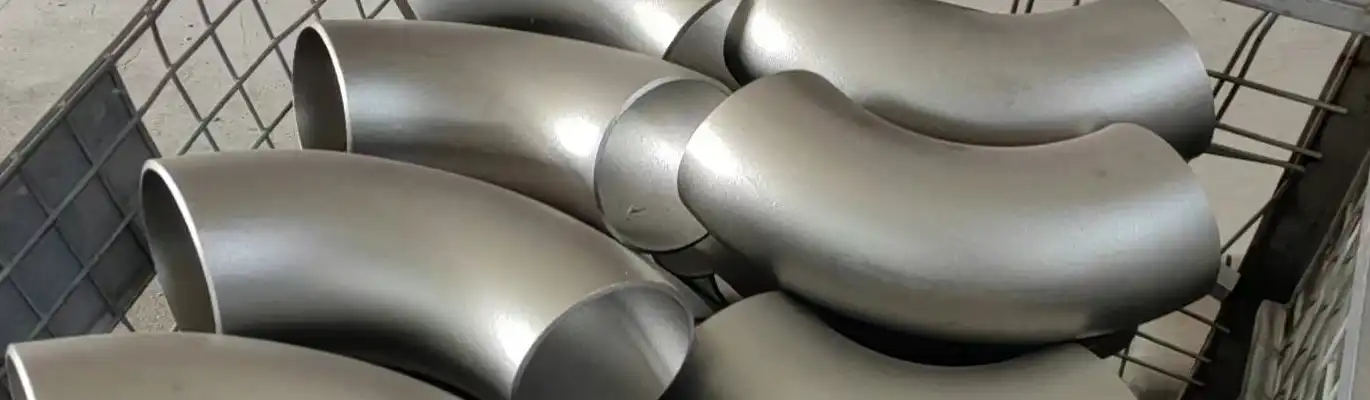
Essential Maintenance Procedures for ASME B16.9 Alloy Steel Elbows
Regular Inspection and Monitoring
One of the most critical aspects of maintaining ASME B16.9 alloy steel elbows in high-temperature environments is conducting regular inspections. These inspections should be performed at least annually, with more frequent checks in particularly demanding applications. During these inspections, technicians should look for signs of:
- Thermal deformation
- Creep damage
- Oxidation
- Surface cracks or defects
- Changes in wall thickness
Advanced non-destructive testing (NDT) techniques, such as ultrasonic thickness measurements and radiographic inspections, can be employed to assess the internal condition of the elbows without disrupting operations.
Cleaning and Surface Treatment
Proper cleaning and surface treatment of ASME B16.9 alloy steel elbows are essential for maintaining their performance and extending their lifespan. The following steps should be included in your maintenance routine:
- Remove any accumulated debris or deposits using appropriate cleaning agents.
- Inspect the surface for signs of corrosion or oxidation.
- Apply protective coatings or treatments as recommended by the manufacturer to enhance corrosion resistance.
- Ensure proper insulation is in place to maintain optimal operating temperatures.
Regular cleaning not only improves the visual appearance of the elbows but also helps in early detection of potential issues that may compromise their integrity.
Replacement and Upgrade Strategies
Despite proper maintenance, ASME B16.9 alloy steel elbows will eventually require replacement due to wear and tear. Developing a proactive replacement strategy can help minimize unexpected failures and optimize system performance. Consider the following approaches:
- Implement a predictive maintenance program using data analytics to forecast when replacements will be necessary.
- Keep a stock of spare elbows on hand to minimize downtime during replacements.
- Consider upgrading to newer alloy compositions or improved designs when replacing elbows to enhance overall system performance.
- Document all replacements and upgrades to maintain accurate records for future reference and analysis.
By adopting these strategies, you can ensure that your high-temperature piping systems remain reliable and efficient throughout their operational lifecycle.
Best Practices for Extending the Lifespan of ASME B16.9 Alloy Steel Elbows
Optimizing Operating Conditions
To maximize the lifespan of ASME B16.9 alloy steel elbows in high-temperature environments, it's crucial to optimize operating conditions. This involves carefully controlling various factors that can impact the performance and longevity of these components:
- Temperature management: Ensure that the elbows are not exposed to temperatures exceeding their design limits. Implement proper insulation and temperature monitoring systems to maintain optimal operating temperatures.
- Pressure control: Monitor and regulate system pressures to prevent excessive stress on the elbows. Install pressure relief valves and other safety devices to protect against sudden pressure spikes.
- Flow rate optimization: Maintain appropriate flow rates to minimize erosion and reduce the risk of turbulence-induced wear.
- Chemical composition control: Pay attention to the chemical composition of the fluids or gases flowing through the elbows. Implement proper filtration and treatment systems to remove corrosive elements that could accelerate wear.
By carefully managing these operating conditions, you can significantly extend the service life of your ASME B16.9 alloy steel elbows and improve overall system reliability.
Implementing Corrosion Prevention Techniques
Corrosion is a major concern for alloy steel elbows in high-temperature environments. Implementing effective corrosion prevention techniques is essential for maintaining the integrity of these components:
- Cathodic protection: Install cathodic protection systems to prevent electrochemical corrosion in underground or submerged piping systems.
- Protective coatings: Apply high-temperature resistant coatings to create a barrier against corrosive elements. Regularly inspect and reapply these coatings as needed.
- Material selection: Choose alloy compositions that are specifically designed to resist corrosion in your operating environment. Consult with metallurgists or materials experts to select the most appropriate alloy for your specific application.
- pH control: Monitor and adjust the pH levels of fluids flowing through the system to minimize corrosion potential.
- Oxygen scavenging: Implement oxygen scavenging techniques to reduce oxygen-induced corrosion in high-temperature water systems.
By employing these corrosion prevention techniques, you can significantly reduce the risk of premature failure and extend the service life of your ASME B16.9 alloy steel elbows.
Training and Documentation
Proper training of maintenance personnel and thorough documentation of maintenance procedures are critical for ensuring the long-term performance of ASME B16.9 alloy steel elbows:
- Develop comprehensive training programs: Ensure that all maintenance staff are well-versed in the specific requirements for maintaining alloy steel elbows in high-temperature environments.
- Create detailed maintenance manuals: Document step-by-step procedures for inspection, cleaning, and replacement of alloy steel elbows. Include safety precautions and best practices.
- Implement a robust record-keeping system: Maintain detailed logs of all maintenance activities, including inspection results, repairs, and replacements. This information can be invaluable for identifying trends and optimizing maintenance schedules.
- Encourage continuous learning: Stay up-to-date with the latest developments in alloy steel technology and maintenance techniques. Attend industry conferences, workshops, and training sessions to enhance your team's knowledge and skills.
By investing in training and documentation, you can ensure that your maintenance team has the knowledge and resources needed to effectively care for your ASME B16.9 alloy steel elbows, ultimately extending their lifespan and improving overall system reliability.
Conclusion
Maintaining ASME B16.9 alloy steel elbows in high-temperature environments is crucial for ensuring the safety, efficiency, and longevity of industrial piping systems. By implementing regular inspections, proper cleaning procedures, and proactive replacement strategies, you can significantly extend the lifespan of these critical components. Optimizing operating conditions, employing corrosion prevention techniques, and investing in training and documentation further enhance the performance and reliability of your high-temperature piping systems. By following these best practices, industrial facilities can minimize downtime, reduce maintenance costs, and ensure the safe and efficient operation of their critical processes.
FAQs
How often should I inspect ASME B16.9 alloy steel elbows in high-temperature environments?
Annual inspections are recommended, with more frequent checks for demanding applications.
What signs should I look for during inspections?
Look for thermal deformation, creep damage, oxidation, surface cracks, and changes in wall thickness.
How can I extend the lifespan of my alloy steel elbows?
Optimize operating conditions, implement corrosion prevention techniques, and ensure proper training and documentation.
Expert ASME B16.9 Alloy Steel Elbow Solutions | QinSteel
At QinSteel, we're your trusted supplier and manufacturer of high-quality ASME B16.9 alloy steel elbows. With 20 years of industry expertise, we provide durable, precision-engineered products that meet international standards. Our comprehensive range of flanges, pipe fittings, and pipeline systems serves diverse industries globally. For expert advice on maintaining your high-temperature piping systems or to inquire about our products, contact us at info@sxqinsteel.com.
References
ASME B16.9-2018: Factory-Made Wrought Buttwelding Fittings. American Society of Mechanical Engineers, 2018.
Viswanathan, R. "Damage Mechanisms and Life Assessment of High-Temperature Components." ASM International, 1989.
Neubauer, B. and Wedel, U. "Rest Life Estimation of Creep Exposed Components by Means of Replicas." Advances in Life Prediction Methods, ASME, 1983.
API 570: Piping Inspection Code: In-service Inspection, Rating, Repair, and Alteration of Piping Systems. American Petroleum Institute, 2016.
Shariat, M.H., et al. "Failure Analysis of a 316L Stainless Steel Pipe in a High-Temperature Service." Engineering Failure Analysis, vol. 18, no. 1, 2011, pp. 164-171.
Nishimura, N., et al. "Damage Evaluation of High Temperature and Pressure Components in Thermal Power Plants." International Journal of Pressure Vessels and Piping, vol. 77, no. 14-15, 2000, pp. 929-936.
Learn about our latest products and discounts through SMS or email