Key Features and Benefits of ASME B16.9 Welded Caps
Enhanced Structural Integrity
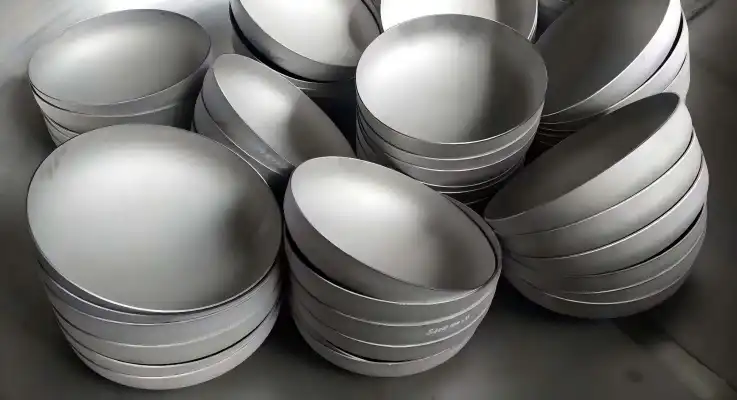
ASME B16.9 welded caps are engineered with a focus on structural integrity. The thickened top structure provides additional strength and durability, making these caps highly resistant to deformation under pressure. This enhanced design ensures that the caps maintain their shape and sealing properties even in demanding operating conditions. The robust construction also contributes to a longer service life, reducing the need for frequent replacements and minimizing maintenance costs for pipeline operators.
Precise Welding Grooves for Superior Sealing
One of the standout features of ASME B16.9 welded caps is their precisely engineered welding grooves. These grooves are designed to facilitate a strong and reliable weld joint between the cap and the pipeline. The accurate dimensions and profile of the welding grooves ensure proper alignment and penetration during the welding process. This precision results in a high-quality, leak-free connection that maintains its integrity over time, even when subjected to thermal cycling or mechanical stress.
Compatibility with Various Pipe Materials
ASME B16.9 welded caps are versatile components that can be used with a wide range of pipe materials. Whether the pipeline is constructed from carbon steel, stainless steel, or alloy materials, these caps can be seamlessly integrated into the system. This compatibility ensures that engineers and contractors have the flexibility to choose the most suitable pipe material for their specific application without compromising on the reliability of the pipeline termination. The ability to work with different materials also simplifies inventory management for suppliers and end-users.
Manufacturing Process and Quality Control
Adherence to ASME Standards
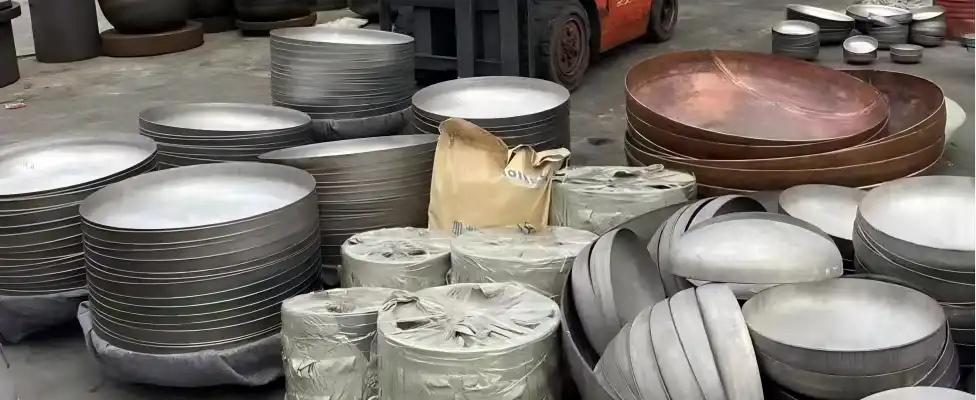
The manufacturing process of ASME B16.9 welded caps is governed by stringent standards set forth by the American Society of Mechanical Engineers (ASME). These standards define the requirements for dimensions, tolerances, materials, and testing procedures. By adhering to these internationally recognized standards, manufacturers ensure that their welded caps meet the highest quality benchmarks. This compliance provides customers with confidence in the product's performance and reliability, regardless of the manufacturer or country of origin.
Advanced Manufacturing Techniques
The production of ASME B16.9 welded caps involves advanced manufacturing techniques that contribute to their superior quality. Computer Numerical Control (CNC) machining is often employed to achieve precise dimensions and consistent surface finishes. Additionally, automated welding processes, such as robotic welding, may be used to ensure uniform and high-quality welds. These modern manufacturing methods result in caps with excellent concentricity, roundness, and wall thickness consistency, all of which are critical factors in their reliable performance.
Rigorous Inspection and Testing
Quality control is a crucial aspect of ASME B16.9 welded cap production. Each cap undergoes a series of inspections and tests to verify its conformity to the required specifications. Non-destructive testing methods, such as radiographic or ultrasonic inspection, are often employed to detect any internal defects or weld imperfections. Hydrostatic pressure tests are conducted to ensure the cap's ability to withstand the designed operating pressures. These comprehensive quality control measures help identify and eliminate any substandard products before they reach the end-user, further enhancing the reliability of ASME B16.9 welded caps.
Applications and Performance in Diverse Industries
Oil and Gas Industry
In the oil and gas sector, ASME B16.9 welded caps play a critical role in ensuring the safety and integrity of pipeline systems. These caps are used to seal off pipeline ends, create dead ends, and isolate sections of piping for maintenance or future expansion. The high-pressure environments and corrosive fluids often encountered in oil and gas applications demand caps that can withstand extreme conditions. ASME B16.9 welded caps meet these challenges by providing excellent pressure resistance and corrosion protection, contributing to the overall reliability of the pipeline infrastructure.
Chemical and Petrochemical Processing
Chemical and petrochemical plants rely on ASME B16.9 welded caps to maintain the integrity of their process piping systems. These industries often deal with aggressive chemicals and high-temperature fluids, which can quickly degrade substandard components. The robust construction and material compatibility of ASME B16.9 welded caps make them ideal for these demanding applications. Their reliable sealing properties prevent leaks and emissions, ensuring worker safety and environmental protection in these sensitive industrial environments.
Water and Wastewater Treatment
In water and wastewater treatment facilities, ASME B16.9 welded caps are utilized to seal off pipeline sections, create access points for future connections, and cap unused branches. The corrosion resistance of these caps, particularly when manufactured from stainless steel or other suitable alloys, makes them well-suited for the often corrosive environments found in water treatment plants. Their durability and low maintenance requirements contribute to the long-term reliability of water infrastructure, helping municipalities and utilities maintain efficient and cost-effective operations.
Conclusion
ASME B16.9 welded caps have earned their reputation for reliability through a combination of thoughtful design, stringent manufacturing processes, and versatile performance across various industries. Their thickened top structures and precise welding grooves ensure excellent sealing and impact resistance, while adherence to ASME standards guarantees consistent quality. From oil and gas pipelines to chemical processing plants and water treatment facilities, these caps provide the durability and dependability required for critical infrastructure. As industries continue to demand higher performance and safety standards, ASME B16.9 welded caps remain a trusted solution for reliable pipeline termination.
FAQs
What materials are ASME B16.9 welded caps typically made from?
ASME B16.9 welded caps are commonly manufactured from carbon steel, stainless steel, and various alloy materials to suit different application requirements.
How do I ensure I'm selecting the right ASME B16.9 welded cap for my application?
Consider factors such as operating pressure, temperature, fluid compatibility, and environmental conditions when selecting an ASME B16.9 welded cap. Consult with a reputable supplier like Xi'An QinSteel Trading Co., Ltd. for expert guidance.
Are ASME B16.9 welded caps suitable for high-pressure applications?
Yes, ASME B16.9 welded caps are designed and tested to withstand high pressures, making them suitable for many demanding industrial applications.
Expert ASME B16.9 Welded Caps Solutions | QinSteel
As a leading manufacturer and supplier of ASME B16.9 welded caps, Xi'An QinSteel Trading Co., Ltd. offers premium quality products that meet the highest industry standards. Our extensive experience and state-of-the-art manufacturing facilities ensure reliable, durable caps for all your pipeline needs. Trust our expertise to deliver the right solution for your project. Contact us at info@sxqinsteel.com for personalized assistance and competitive pricing on our wide range of ASME B16.9 welded caps.

References
ASME B16.9-2018: Factory-Made Wrought Buttwelding Fittings. American Society of Mechanical Engineers, 2018.
Nayyar, M. L. "Piping Handbook." 7th Edition, McGraw-Hill Education, 2000.
Smith, P. "Piping Materials Guide: Selection and Applications." Elsevier, 2005.
Antaki, G. A. "Piping and Pipeline Engineering: Design, Construction, Maintenance, Integrity, and Repair." CRC Press, 2003.
Kannapan, S. "Introduction to Pipe Stress Analysis." Wiley, 1985.
American Petroleum Institute. "API Standard 570: Piping Inspection Code: In-service Inspection, Rating, Repair, and Alteration of Piping Systems." 4th Edition, API Publishing Services, 2016.