Understanding ASME B16.9 Reducers and Their Pressure Ratings
What are ASME B16.9 Reducers?
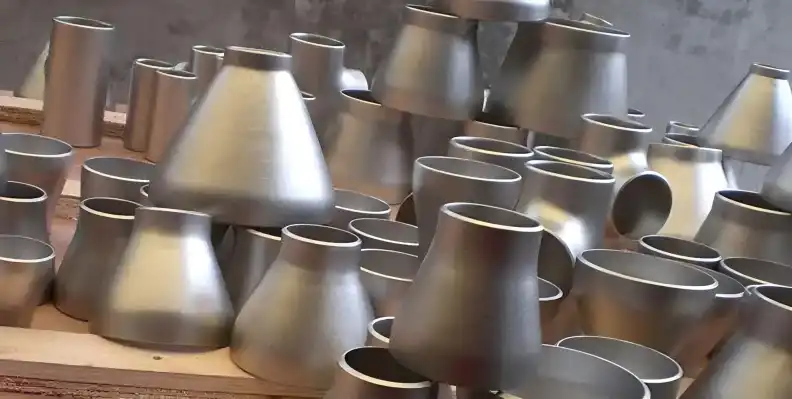
ASME B16.9 reducers are specialized pipe fittings designed to connect pipes of different diameters within a piping system. These components play a crucial role in managing flow rates, pressure, and fluid dynamics in various industrial applications. The ASME B16.9 standard, developed by the American Society of Mechanical Engineers, specifies the dimensions, tolerances, and material requirements for these reducers, ensuring consistency and reliability across manufacturers.
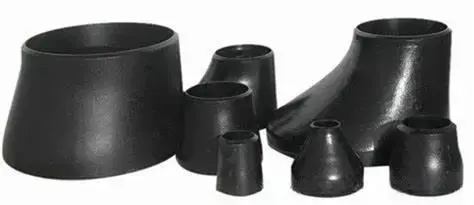
Reducers come in two main types: concentric and eccentric. Concentric reducers have a symmetrical profile, with the centerline of both ends aligned. Eccentric reducers, on the other hand, have offset centerlines, which can be beneficial for preventing air pockets or facilitating drainage in certain installations.
Pressure Ratings Explained
The pressure rating of an ASME B16.9 reducer indicates the maximum internal pressure it can safely withstand under normal operating conditions. These ratings are typically expressed in pounds per square inch (psi) or bar. The standard pressure classes for ASME B16.9 fittings range from 150# to 2500#, with each class designed to meet specific pressure and temperature requirements.
It's important to note that the actual working pressure of a reducer can vary depending on factors such as material composition, temperature, and manufacturing process. Always consult the manufacturer's specifications and relevant engineering standards when selecting reducers for your application.
Factors Affecting Pressure Resistance
Several factors contribute to the pressure resistance of ASME B16.9 reducers:
- Material: The choice of material significantly impacts pressure resistance. Common materials include carbon steel, stainless steel, and alloy steel, each offering different strength and corrosion resistance properties.
- Wall thickness: Thicker walls generally provide greater pressure resistance, but may increase weight and cost.
- Manufacturing process: Seamless reducers typically offer higher pressure ratings compared to welded ones.
- Temperature: As temperature increases, the pressure resistance of most materials decreases. This relationship is accounted for in pressure-temperature ratings.
Understanding these factors is crucial for selecting the right reducer for your specific application, ensuring both safety and optimal performance.
Design Features That Enhance Pressure Resistance in ASME B16.9 Reducers
Gradual Diameter Transitions
One of the key design features that contribute to the impressive pressure resistance of ASME B16.9 reducers is their gradual diameter transitions. This carefully engineered tapering allows for a smooth flow transition between pipes of different sizes, minimizing turbulence and pressure drops. The gradual change in diameter also helps distribute stress more evenly across the reducer's surface, enhancing its ability to withstand high internal pressures.
This design aspect is particularly important in high-pressure systems where sudden changes in pipe diameter could lead to increased wear, vibration, or even failure. By incorporating gradual transitions, ASME B16.9 reducers maintain system integrity while efficiently managing fluid flow.
Reinforced Wall Thickness
ASME B16.9 reducers are manufactured with reinforced wall thickness, especially in areas subject to high stress. This increased material thickness provides additional strength and durability, allowing the reducer to withstand higher internal pressures without deformation or failure. The wall thickness is carefully calculated based on the pressure class and material properties to ensure optimal performance and safety.
It's worth noting that while thicker walls enhance pressure resistance, they also increase the overall weight and cost of the fitting. Engineers must balance these factors when specifying reducers for different applications, considering both performance requirements and economic considerations.
Advanced Manufacturing Techniques
The pressure resistance of ASME B16.9 reducers is further enhanced by advanced manufacturing techniques. These may include:
- Forging: Many high-pressure reducers are forged, a process that aligns the material's grain structure and improves overall strength.
- Seamless construction: Seamless reducers offer superior pressure resistance compared to welded alternatives, as they lack the potential weak points introduced by welding seams.
- Heat treatment: Proper heat treatment can significantly improve the mechanical properties of the material, enhancing its pressure-bearing capacity.
- Quality control: Rigorous testing and inspection procedures ensure that each reducer meets or exceeds the specified pressure ratings.
These manufacturing techniques, combined with stringent quality control measures, result in ASME B16.9 reducers that consistently deliver reliable performance under high-pressure conditions.
Applications and Considerations for High-Pressure ASME B16.9 Reducers
Industries Requiring High-Pressure Reducers
ASME B16.9 reducers with high-pressure ratings find extensive use in various industries where managing extreme pressures is critical. Some key applications include:
- Oil and gas: In offshore platforms, refineries, and pipelines where hydrocarbons are transported under high pressure.
- Petrochemical: For handling various chemicals and processes that involve high-pressure reactions.
- Power generation: In steam systems and high-pressure water lines within power plants.
- Mining: For high-pressure slurry transportation and hydraulic systems.
- Aerospace: In fuel systems and hydraulic lines where weight and pressure resistance are critical.
In these industries, the reliability and performance of high-pressure reducers are paramount for ensuring safety, efficiency, and regulatory compliance.
Selecting the Right Reducer for High-Pressure Applications
Choosing the appropriate ASME B16.9 reducer for high-pressure applications requires careful consideration of several factors:
- Pressure rating: Ensure the reducer's pressure class exceeds the maximum expected system pressure, including any potential pressure surges.
- Temperature: Consider both operating and design temperatures, as they affect the reducer's pressure-bearing capacity.
- Material compatibility: Select materials that are compatible with the fluid being transported and can withstand the operating conditions.
- Corrosion resistance: In aggressive environments, choose materials or coatings that offer adequate corrosion protection.
- Flow characteristics: Consider the impact of the reducer on overall system flow and pressure drop.
Consulting with experienced engineers or reputable suppliers can help ensure the selection of the most appropriate reducer for your specific high-pressure application.
Maintenance and Inspection of High-Pressure Reducers
To maintain the integrity and performance of high-pressure ASME B16.9 reducers, regular maintenance and inspection are essential:
- Visual inspections: Regularly check for signs of corrosion, erosion, or physical damage.
- Non-destructive testing: Employ techniques such as ultrasonic testing or radiography to detect internal flaws or wall thinning.
- Pressure testing: Periodically conduct hydrostatic or pneumatic tests to verify the reducer's pressure-bearing capacity.
- Documentation: Maintain detailed records of inspections, tests, and any repairs or replacements.
- Training: Ensure that personnel handling high-pressure systems are properly trained in safety procedures and equipment operation.
By implementing a comprehensive maintenance and inspection program, you can extend the service life of your high-pressure reducers and minimize the risk of failures in critical systems.
Conclusion
ASME B16.9 reducers are engineered to provide exceptional pressure resistance, with ratings up to 2500# as per standard. Their design features, including gradual diameter transitions and reinforced wall thickness, contribute to their ability to withstand high pressures while maintaining efficient flow characteristics. When selecting reducers for high-pressure applications, it's crucial to consider factors such as pressure rating, material compatibility, and specific industry requirements. Regular maintenance and inspection are essential to ensure the continued safe and reliable operation of these critical components in industrial piping systems.
FAQs
What is the maximum pressure rating for ASME B16.9 reducers?
ASME B16.9 reducers can withstand rated pressures up to 2500# as per standard.
How do gradual diameter transitions affect pressure resistance?
Gradual transitions reduce flow resistance and help distribute stress evenly, enhancing overall pressure resistance.
Are ASME B16.9 reducers suitable for all industries?
These reducers are widely used in oil & gas, petrochemical, power generation, and other industries requiring high-pressure piping solutions.
High-Quality ASME B16.9 Reducers for Your High-Pressure Applications | QinSteel
At Xi'An QinSteel Trading Co., Ltd., we specialize in providing top-quality ASME B16.9 reducers designed to meet the most demanding pressure requirements. As a leading manufacturer and supplier, we offer a comprehensive range of reducers suitable for various high-pressure applications. Our products are engineered for superior performance, reliability, and longevity. Contact us at info@sxqinsteel.com to discuss your specific needs and discover how our expertise can benefit your projects.

References
American Society of Mechanical Engineers. (2018). ASME B16.9-2018: Factory-Made Wrought Buttwelding Fittings.
Nayyar, M. L. (2000). Piping Handbook (7th ed.). McGraw-Hill Education.
Smith, P. (2015). Piping Materials Guide: Selection and Applications. Elsevier.
Antaki, G. A. (2003). Piping and Pipeline Engineering: Design, Construction, Maintenance, Integrity, and Repair. CRC Press.
American Petroleum Institute. (2016). API 570: Piping Inspection Code: In-service Inspection, Rating, Repair, and Alteration of Piping Systems.
Kannappan, S. (1986). Introduction to Pipe Stress Analysis. John Wiley & Sons.