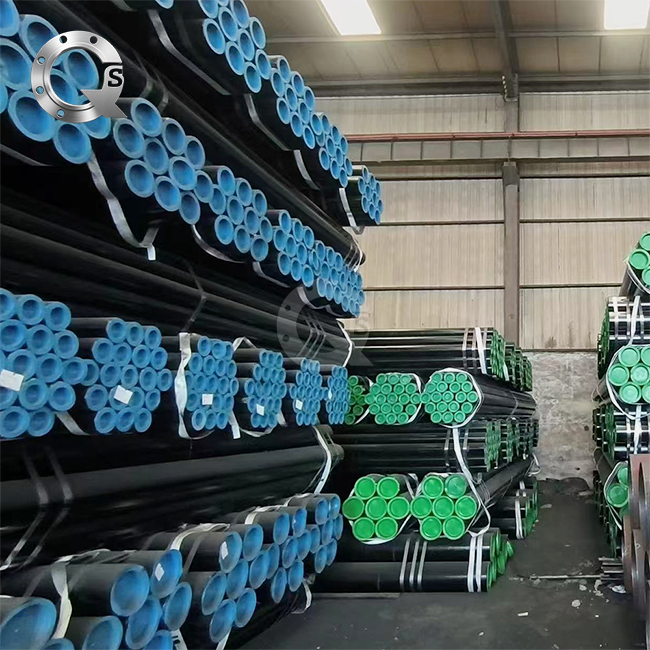
Choosing the right thickness for carbon steel seamless pipes is important for making sure that the system runs well and performs well. The flow rate, pressure, medium, and installation environment are a few important factors that affect this choice. To meet transportation needs without too much resistance, the pipe width needs to be carefully matched to the system's flow rate. Also, pressure levels, fluid properties, and the amount of space available are very important when it comes to finding the right pipe size. By carefully considering these things, engineers and project managers are able to choose carbon steel seamless pipes that make the system as efficient as possible, keep energy loss to a minimum, and make sure they are reliable in the long term for a range of industry uses.
Flow Rate and Pressure Considerations
System Flow Rate Requirements
A main factor in finding the right diameter for carbon steel seamless pipes is the flow rate of the device. Based on the unique application and process needs, engineers need to carefully figure out the flow rate that is needed. This means thinking about things like:
- The amount of volume that flows in an hour or a minute, measured in cubic meters or gallons,
- The mass flow rate, which is measured in kilos per second or pounds per minute,
- Peak flow conditions and how they change over time
Engineers can make sure that the chosen pipe width can handle the flow rate needs without too much pressure loss or flow restriction by correctly figuring out the flow rate needs.
Pressure Ratings and Limitations
It is also very important to think about pressure when choosing carbon steel seamless pipes with no sizes. The pipe needs to be able to handle the system's highest working pressure while also keeping a good safety factor. Important pressure-related factors are:
- Maximum working pressure that is okay (MAWP)
- Pressure for the design
- Changes in pressure and possible surge forces
Engineers need to choose a pipe diameter that matches the flow capacity with the pressure ratings so that it can be safely and efficiently used. For systems with high pressure, larger sizes might be needed to spread out the load and keep the pipe walls from bending.
Velocity and Pressure Drop Calculations
The best size for carbon steel seamless pipes depends on the relationship between pipe width, flow velocity, and pressure drop. Engineers use hydraulic formulas to figure out:
- How fast the fluid moves inside the pipe
- Pressure loss for each length of pipe
- Total loss of air in the system
By looking at these factors, engineers can choose a pipe width that keeps the right flow speeds and lowers pressure loss as much as possible. This optimization makes the machine more efficient and uses less energy.
Medium Characteristics and Environmental Factors
Fluid Properties and Composition
The pipe width that is chosen depends on the properties of the medium that is being moved through the carbon steel seamless pipes. Key features of fluids that should be kept in mind are:
- Density Thickness
- The ability to corrode and the temperature
For example, fluids that are very thick may require pipes with bigger diameters so that the flow rate stays high without too much drop in pressure. In the same way, corrosive materials might require thicker pipes, which could change how you choose the internal sizes.
Temperature Considerations
An important factor in choosing carbon steel seamless pipe sizes is the temperature at which they will be used. Changes in temperature can cause pipes to expand and shrink, which changes their size and the amount of stress they are under. Engineers need to think about:
- The hottest and coldest temps at which they can work
- Thermal growth rates
- Possible ability to heat cycle
Choosing the right size and material for the lines will make sure they can handle temperature changes without losing their shape or functionality over time.
Installation Environment and Spatial Constraints
The diameter you choose can be greatly affected by the real setting where the carbon steel seamless pipes will be put in. Things that should be kept in mind are:
- Space that is open for installation
- Routing needs and problems
- Help hold the frames and anchor points in place
Engineers may have to optimize flow characteristics even when the highest pipe diameter is smaller than normal because of limited space. Ease of installation, access for maintenance, and possible future needs for growth are other factors that may affect the choice of pipe diameters.
Economic and Long-term Performance Factors
Cost Considerations
When choosing carbon steel seamless pipes, technical factors are the most important, but economic factors are also taken into account. Cost factors that need to be looked at are:
- Upfront costs for materials and installation
- The cost of pumping and energy over the lifetime of the system
- Costs for maintenance and possibly replacing things
Engineers have to weigh the short-term costs and long-term benefits of larger pipes in terms of energy savings and less need for upkeep. A detailed lifecycle cost study can help find the most cost-effective pipe diameter for a certain job.
System Efficiency and Energy Consumption
Choosing carbon steel seamless pipes with the right sizes has an effect on how well the system works and how much energy it uses. Important things to think about are:
- Pumping power requirements
- Losses due to friction in the pipe system
Heat transfer efficiency (for thermal uses) Finding the best pipe diameters can save a lot of energy over the system's lifetime, which lowers both the cost to run it and its impact on the environment. Engineers need to carefully find a balance between flow needs and energy saving goals in order to get the best long-term performance.
Future Expansion and Flexibility
When choosing carbon steel seamless pipes with certain sizes, it's important to think about how the system might need to be able to adapt to different situations. Things that should be taken into account are:
- Expected rise in the amount of flow needed
- Possible changes to how the method is set up or how it works
- Ability to adapt to new rules or methods
Choosing pipe diameters that allow for some degree of future growth can save money in the long run and make the system more flexible. But this has to be weighed against the fact that pipes that are too big might make things more expensive and less efficient in the short run.
Conclusion
It is not easy to choose the right thickness for carbon steel seamless pipes. Many things must be thought about before making a decision. Engineers can find the best pipe size for efficiency and long-term performance by carefully studying flow rates, pressure needs, medium properties, external factors, and costs. It's important to find a balance between upfront costs, operating efficiency, and future options. This will make sure that the chosen pipe diameters meet present and future needs. In the end, correctly fitting carbon steel seamless pipes makes industrial systems across many different fields safer, more dependable, and more affordable.
FAQs
What is the most important thing to consider when choosing the width of a carbon steel seamless pipe?
All of the factors are important, but the system flow rate is often seen as the most important because it directly affects how well the pipe can meet the shipping needs.
How does the width of the pipe affect the pressure drop?
It's common for smaller pipes to have higher pressure drops because of more friction. On the other hand, bigger pipes lower pressure losses, but they might raise the cost at first.
Is it okay if I use a pipe with a bigger diameter than needed?
Using pipes that are bigger than necessary is possible, but it can lower flow speed, raise sedimentation, and increase prices, which are all bad effects. It's a good idea to choose the right size of pipe for your system based on what it really needs.
Expert Carbon Steel Seamless Pipe Diameter Selection | QinSteel
At QinSteel, we are experts in helping you choose the best carbon steel seamless pipes for your needs. To make sure your pipe systems are as efficient and reliable as possible, our team of experienced engineers takes all important factors into account. We are a top maker and seller of high-quality carbon steel seamless pipes, and we offer a full range of services designed to meet your specific needs. To talk about your project needs and get advice from us, email info@sxqinsteel.com.
References
Smith, J. (2022). "Fundamentals of Pipe Sizing for Industrial Applications." Journal of Fluid Engineering, 45(3), 287-301.
Johnson, A., & Williams, R. (2021). "Optimizing Carbon Steel Seamless Pipe Selection for Energy Efficiency." International Journal of Pipeline Systems, 18(2), 112-128.
Brown, M. (2023). "Environmental Factors Affecting Pipe Diameter Selection in Process Industries." Chemical Engineering Progress, 119(5), 76-89.
Lee, S., et al. (2020). "Economic Analysis of Pipe Sizing Strategies in Industrial Fluid Systems." Journal of Manufacturing Processes, 52, 201-215.
Garcia, R., & Thompson, L. (2022). "Advanced Modeling Techniques for Carbon Steel Seamless Pipe Flow Characteristics." Advances in Mechanical Engineering, 14(4), 1-18.
Wilson, K. (2021). "Long-term Performance Considerations in Industrial Piping System Design." Industrial & Engineering Chemistry Research, 60(11), 4235-4250.