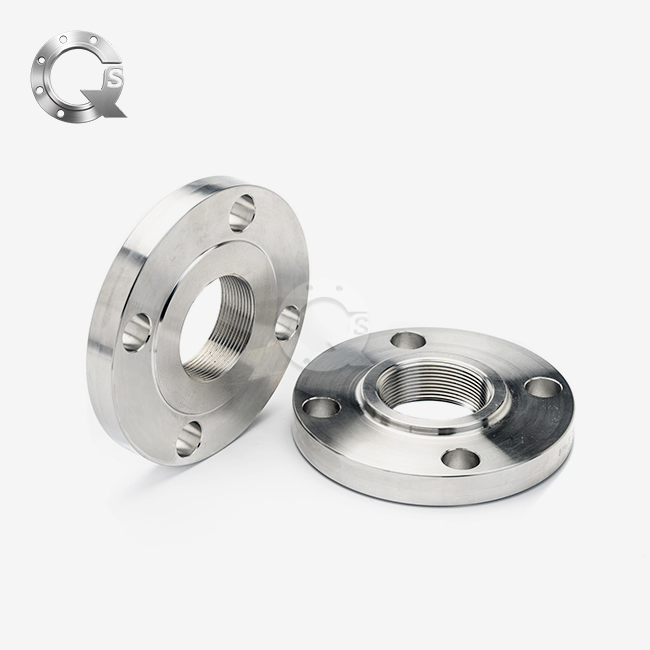
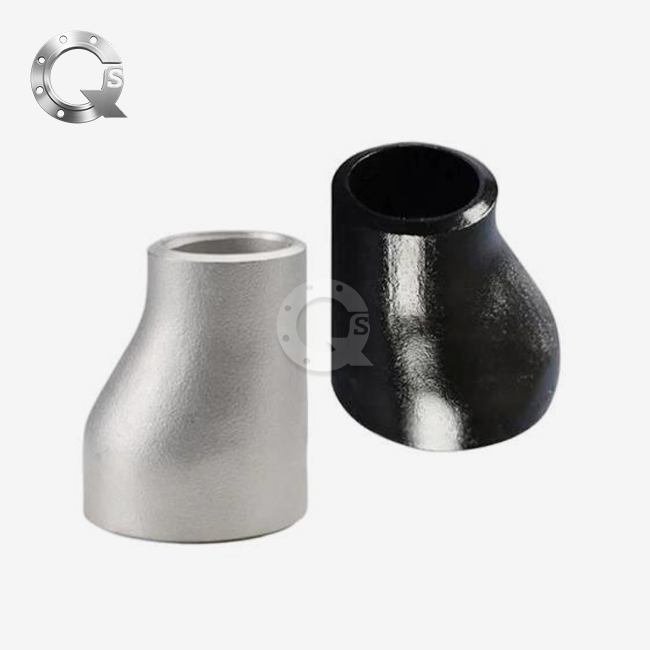
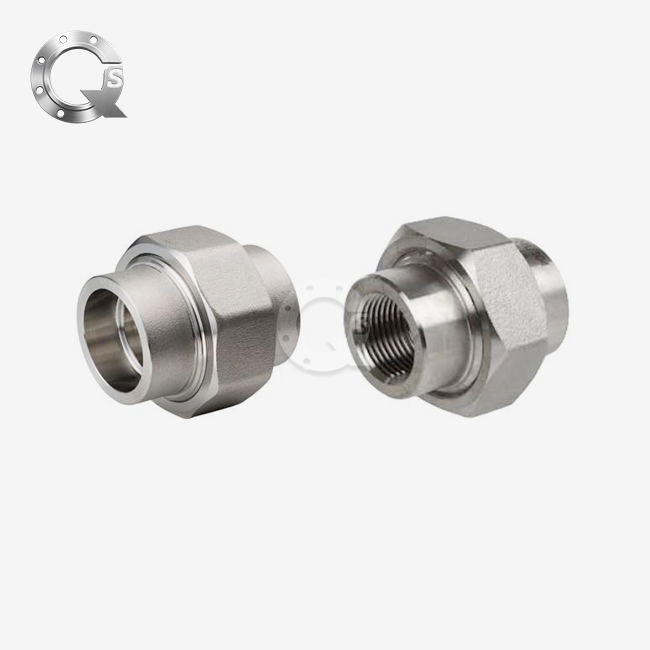
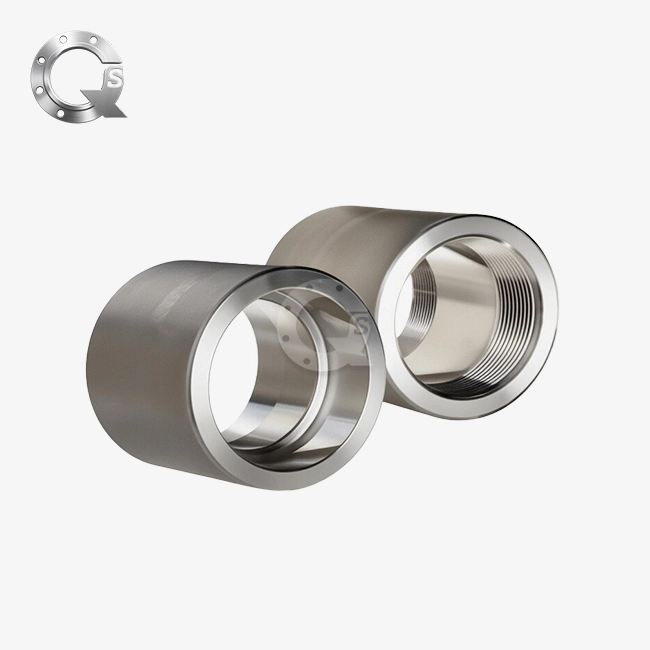
The choice between ASME B16.9 flanged fittings and welded fittings is affected by a few key components, including application necessities, ease of maintenance, weight appraisals, and installation considerations. Flanged fittings are favored for detachable associations that require visit support or review, whereas welded fittings are chosen for permanent, high-pressure applications requiring predominant basic quality. The choice also depends on variables such as framework plan, cost-effectiveness, and industry-specific controls. Understanding these affecting variables is significant for engineers and venture directors to make educated choices that guarantee ideal execution, security, and life span of channeling frameworks over different industries.
Application Requirements and System Design Considerations
Pressure and Temperature Ratings
When selecting between ASME B16.9 flanged and welded fittings, one of the essential variables to consider is the weight and temperature appraisals of the framework. Welded fittings, by and large, offer higher weight capabilities and can withstand more extraordinary temperatures compared to flanged fittings. This makes them perfect for high-pressure applications in businesses such as oil and gas, chemical handling, and control generation.
For instance, in seaward oil stages where weights can surpass 10,000 psi, welded fittings are regularly the favored choice due to their prevalent quality and leak-tight properties. On the other hand, flanged fittings are more reasonable for direct weight applications, regularly up to 2,500 psi, making them a common choice in water treatment plants and HVAC systems.
Corrosion Resistance and Material Compatibility
The destructive nature of the liquid being transported and the natural conditions play a pivotal part in the determination of preparation. Welded fittings give a consistent association, decreasing the chance of hole erosion that can happen in flanged joints. This makes them especially profitable in profoundly destructive situations or when managing with forceful chemicals.
However, flanged fittings offer more prominent adaptability in terms of fabric determination. They permit the utilize of diverse materials for the rib and the channeling framework, which can be advantageous when dealing with diverse metals or when particular erosion resistance is required at association focuses. For illustration, in seawater cooling frameworks, where galvanic erosion is a concern, flanged fittings with fitting gaskets can give a compelling solution.
Structural Integrity and Load-Bearing Capacity
The basic judgment of the channeling framework is another basic calculation impacting the choice between ASME B16.9 flanged fittings and welded fittings. Welded joints, by and large, give predominant load-bearing capacity and are less vulnerable to fatigue failure under cyclic loading conditions. This makes them especially appropriate for applications subject to vibration, warm extension, or seismic activity.
In differentiate, flanged associations may require extra backing to prevent excessive pressure on the joint, particularly in long distances across channeling frameworks. In any case, they offer the advantage of less demanding stretch examination and can be outlined to oblige a few degrees of misalignment, which can be advantageous in complex channeling formats or regions with restricted space.

Maintenance, Accessibility, and Operational Flexibility
Ease of Disassembly and Inspection
One of the most noteworthy points of interest of ASME B16.9 flanged fittings is their capacity to be effortlessly dismantled for support, assessment, or substitution. This characteristic makes them especially profitable in frameworks that require frequent visits or where components need to be frequently cleaned or adjusted. For instance, in food handling plants or pharmaceutical fabricating offices, where standard sanitation is vital, flanged fittings permit for speedy dismantling and careful cleaning of framework components.
Welded fittings, which give a lasting and leak-tight association, show challenges when it comes to assessment and upkeep. Non-destructive testing strategies such as radiography or ultrasonic testing are frequently required to evaluate the judgment of welded joints, which can be time-consuming and expensive. In basic applications where customary assessments are commanded by controls, such as in nuclear control plants, the utilize of flanged fittings in open regions can essentially streamline the assessment process.
System Modifications and Upgrades
The capacity to adjust or update a channeling framework over time is another calculate that impacts the choice between flanged and welded fittings. Flanged associations offer more prominent adaptability for future changes or extensions. They permit for simple substitution of person components or the expansion of modern hardware without the requirement for broad cutting and welding operations.
This adaptability is especially important in mechanical settings where forms may advance, or generation capacities need to be expanded. For illustration, in a chemical preparation plant, flanged fittings make it less demanding to coordinate unused reactors or warm exchangers into existing pipelines. On the other hand, welded frameworks, although more lasting, can be more challenging and expensive to alter, regularly requiring generation shutdowns and specialized welding procedures.
Leak Detection and Repair
The approach to spill discovery and repair varies altogether between ASME B16.9 flanged fittings and ASME B16.9 welded fittings. Flanged associations, by their nature, are more inclined to spills due to the proximity of gaskets and the potential for extricating over time. In any case, these spills are by and large simpler to identify and repair. Visual assessments can frequently recognize issues, and fixing or replacing gaskets can resolve numerous issues without the requirement for specialized abilities or equipment.
Welded joints, when legitimately executed, offer prevalent spill resistance. In any case, when spills do happen in welded frameworks, they can be more challenging to find and repair. Progressed spill discovery strategies, such as helium testing or acoustic outflow investigation, may be required. Repairs frequently include cutting out the affected segment and re-welding, which can be a complex and time-consuming process, particularly in operational offices where downtime is costly.
Cost Considerations and Long-Term Economic Impact
Initial Installation Costs
The starting fetched of establishment is a noteworthy figure in the decision-making process between ASME B16.9 flanged and welded fittings. By and large, flanged fittings have a higher upfront fabrication fetched compared to their welded counterparts. This is due to the extra components required, such as gaskets, jolts, and nuts. Be that as it may, the establishment preparation for flanged fittings is ordinarily speedier and requires less specialized labor, which can balance a few of the fabric costs.
Welded fittings, whereas regularly cheaper in terms of fabric costs, require talented welders and more time-intensive establishment forms. The requirement for qualified welders, welding hardware, and in numerous cases, post-weld warm treatment, can altogether increase the generally establishment costs. In ventures where time is a key factor, such as in fast-track development or amid plant shutdowns, the speedier establishment of flanged fittings can give a significant financial advantage.
Lifecycle Maintenance and Replacement Costs
When assessing the long-term financial effect, it's significant to consider the lifecycle upkeep and substitution costs related to each type of fitting. Flanged fittings ordinarily require more visit maintenance, including intermittent tightening of bolts and replacement of gaskets. In situations with warm cycling or vibration, these support prerequisites can be more articulated, leading to higher long-term costs.
Welded fittings, on the other hand, for the most part have lower upkeep necessities once properly installed. Their lasting nature implies fewer potential areas of disappointment and less require for continuous support. Be that as it may, when repairs or substitutions are vital, they can be altogether more costly and time-consuming compared to flanged frameworks. This is especially significant in businesses where downtime is greatly exorbitant, such as in oil refineries or control era plants.
Energy Efficiency and Operational Costs
The choice between ASME B16.9 welded fittings can also affect the vitality efficiency and operational costs of a channeling framework. Welded fittings regularly offer smoother inner surfaces and fewer hindrances to flow, which can diminish weight drops and move forward by and large system efficiency. This can lead to lower pumping costs and vitality utilization over the life of the framework, especially in large-scale mechanical applications or long-distance pipelines.
Flanged fittings, which possibly create more turbulence and weight loss at connection focuses, offer advantages in terms of system adjusting and stream control. The capacity to effectively embed or expel components like stream meters or control valves can encourage way better system optimization and energy management. In applications where visit alterations or exact stream control are required, such as in chemical preparation or water treatment offices, the operational benefits of flanged fittings can exceed the slight efficiency losses.
Conclusion
In conclusion, the determination between ASME B16.9 flanged and welded fittings includes a cautious assessment of numerous components. Whereas flanged fittings offer preferences in terms of support availability and framework adaptability, welded fittings give predominant quality and spill resistance for high-pressure applications. The choice eventually depends on the particular prerequisites of the extent, including weight appraisals, upkeep needs, and long-term taken a toll considerations. By completely evaluating these variables, engineers and extension directors can make educated choices that optimize framework execution, security, and cost-effectiveness in their channeling applications.
FAQs
What are the main differences between ASME B16.9 flanged and welded fittings?
ASME B16.9 flanged fittings allow for removable connections and easier maintenance, while welded fittings provide permanent, high-pressure connections with greater structural strength.
When should I choose flanged fittings over welded ones?
Choose flanged fittings when you need frequent access for maintenance, system modifications, or in applications with moderate pressure requirements.
Are welded fittings more cost-effective in the long run?
Welded fittings often have lower long-term maintenance costs but can be more expensive to repair or replace if issues arise.
Expert ASME B16.9 Flanged and Welded Fittings Solutions | QinSteel
At QinSteel, we specialize in providing high-quality ASME B16.9 flanged fittings and welded fittings for diverse industrial applications. As a leading manufacturer and supplier, we offer expert guidance in selecting the right fittings for your specific needs. Our durable, precision-engineered products meet international standards and ensure optimal performance. Contact us at info@sxqinsteel.com for customized solutions and competitive pricing.

References
American Society of Mechanical Engineers. (2022). ASME B16.9: Factory-Made Wrought Buttwelding Fittings. New York: ASME.
Smith, J. R. (2021). Piping and Pipeline Engineering: Design, Construction, Maintenance, Integrity, and Repair. CRC Press.
Johnson, M. E. (2020). "Comparison of Flanged vs. Welded Connections in High-Pressure Systems." Journal of Pressure Vessel Technology, 142(4), 041302.
Wilson, L. A. (2019). Pipe Fitting and Piping Handbook. Butterworth-Heinemann.
Thompson, R. D. (2018). "Cost Analysis of Piping Systems: Flanged vs. Welded Joints." Chemical Engineering Progress, 114(9), 45-52.
Davis, K. L. (2017). "Maintenance Strategies for Industrial Piping Systems." Plant Engineering, 71(5), 27-33.