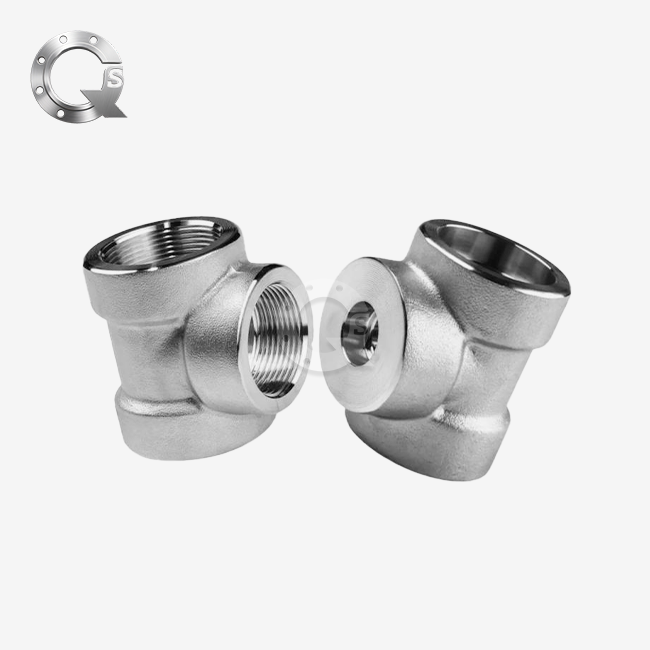
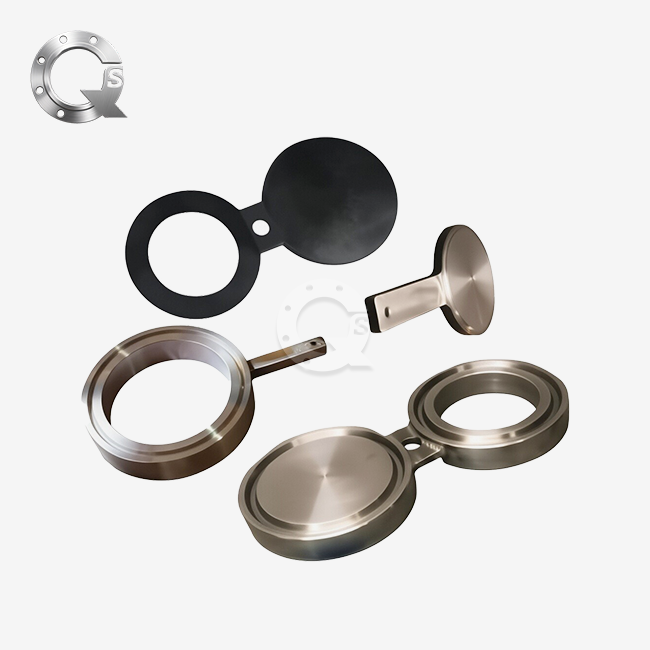
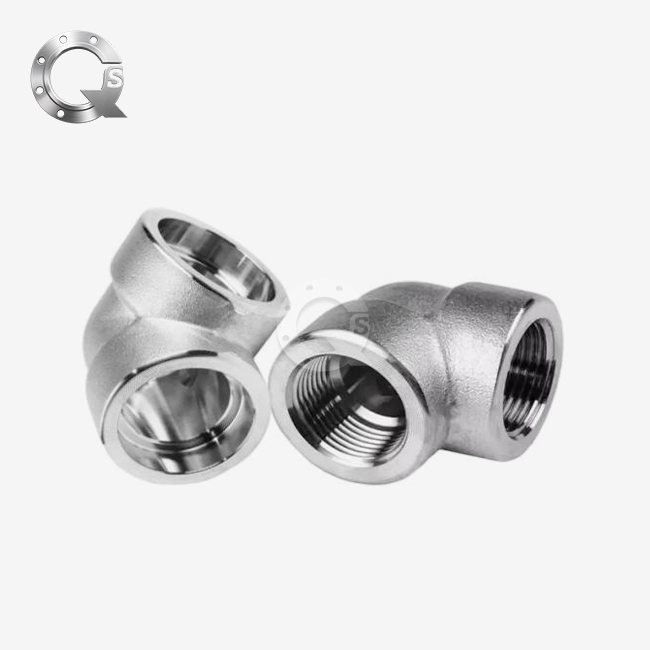
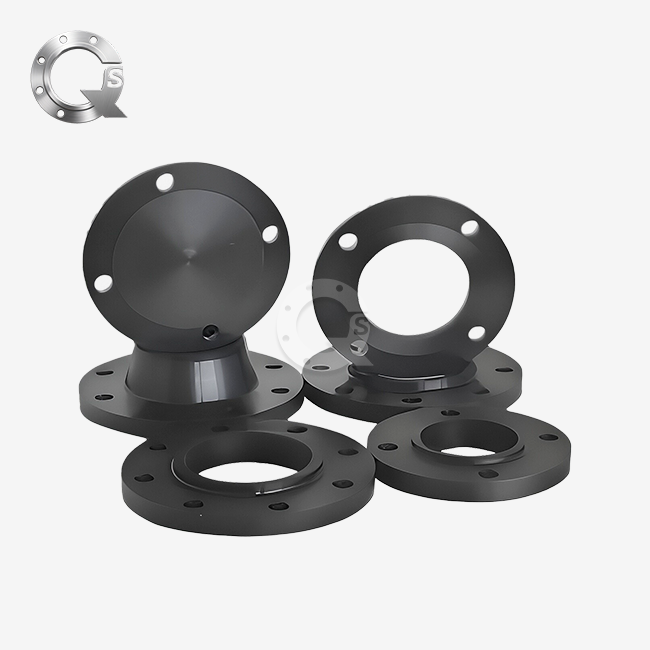
The SANS 1123 flange standard lays out exact details for flange design, materials, and performance features. It is an important part of industrial pipe systems across Africa. This South African National Standard meets global quality standards and makes sure that the work can be done with the region's facilities. SANS 1123 flanges are important for keeping systems safe and working well in tough conditions in Africa's industries, like oil and gas, chemical processes, and water treatment.
Understanding SANS 1123 Flange Standard
The SANS 1123 Flange Standard lays out detailed rules for making, installing, and using flanges in a range of African industries. This rule makes sure that pipe systems stay safe and reliable for as long as they're used, taking into account Africa's different weather patterns and industry needs.
What Is a SANS 1123 Flange?
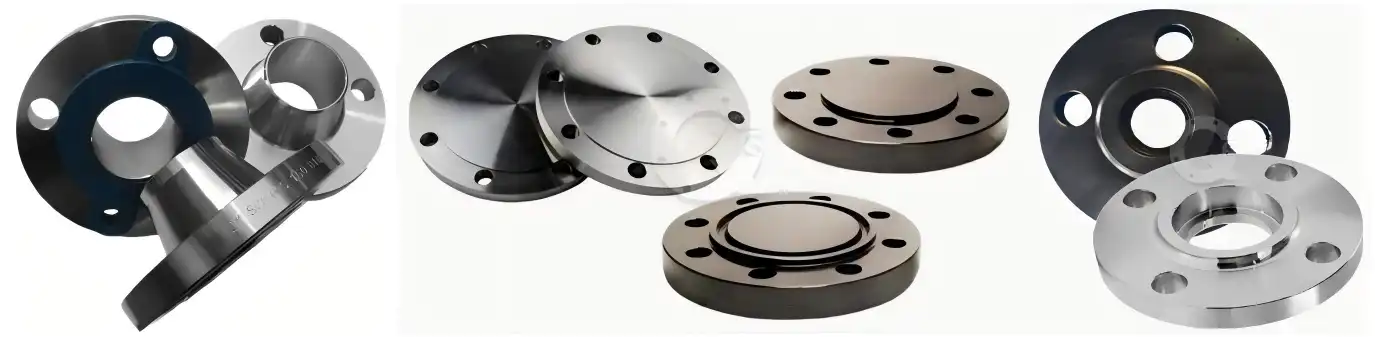
A SANS 1123 flange is a standard piece that fits onto a pipe. It is made according to the guidelines of the South African National Standards. In industrial systems, these flanges are used to connect pipes, valves, and other equipment. The standard includes welding neck flanges from DN 10 to DN 2000, which can handle pressures from 250 kPa to 4000 kPa. These flanges come in a range of materials, such as carbon steel (A105, A36), stainless steel (F304, F316), and duplex metals (F51, F53, F55), making them useful in a wide range of industrial settings.
Specifications and Design Features
SANS 1123 flanges have certain features that make them different from other international standards. The welding neck design has a hub that gets narrower toward the neck. This helps with flow and lowers the number of areas where stress builds up. Standard thickness plans range from Sch5 to XXS. This gives users a range of choices for different temperature and pressure settings. Flange facing choices include raised face (RF) and flat face (FF) designs. These make sure that different kinds of gaskets and system needs can still close properly.
Comparing SANS 1123 with Other International Standards
SANS 1123 has some things in common with ASME B16.5 and EN 1092-1, but it also has changes that make it better for use in Africa. The standard focuses on better resistance to rust and better performance in temperature cycles. This helps deal with the problems that come up when weather changes drastically, which happens a lot across the continent. SANS 1123 looks at the wider range of temperatures and higher UV levels that are common in African workplaces. This is different from European standards that focus on more mild climate settings.
Technical Insights: Dimensions, Materials, and Pressure Ratings
Technical specs are the most important part of choosing a solid flange and designing a system. Engineers and buying teams can make choices that will keep systems safe and working well over time when they know how big SANS 1123 pipe flanges need to be, what they're made of, and how much pressure they can handle.
Detailed Dimensions Analysis
SANS 1123 measurement standards keep very loose margins so that parts can fit together and be installed correctly. International standards are used for bolt hole sizes, spacing, and raised face measurements, along with production skills from this area. For precision uses, the standard says outside circle limits of ±0.05mm. This makes sure that performance is the same no matter who makes it. The thickness of the hub and the size of the hole are based on well-known engineering ideas that find a balance between the need to make the best use of materials and the need to make sure that the structure is strong.
Material Standards and Corrosion Resistance
Choosing the right material is very important for flange performance, especially in Africa's wide range of industrial settings. For normal uses, carbon steel grades A105 and A36 are good, cheap choices. For chemical processing settings, stainless steel grades F304 and F316 are better because they don't rust as easily. In marine and industrial uses, which often involve very harsh conditions, the advanced duplex metals F51, F53, and F55 work very well. Hot-dip galvanizing, epoxy coats, and other surface treatments make things more durable and extend their useful life in tough conditions.
Pressure Ratings and Performance
SANS 1123 pressure ratings can be used for many different industrial purposes, from water systems with low pressure to oil and gas pipes with high pressure. The standard lays out testing methods that confirm flange performance at 1.5 times the maximum pressure. This makes sure that there are enough safety gaps for real-world use. Temperature derating factors are used to make sure that the way something is designed will keep it working in a wide range of temperatures. These factors take into account how materials behave when they get hot, which helps engineers play it safe while still following the usual temperature ranges of African manufacturing facilities.
Procurement Guide for SANS 1123 Flanges in African Markets
When you buy things for African markets, you need to know what your suppliers can do, how the market works, and how to get your things. Good buying methods lower project risks while getting the best prices and delivery times in a range of different areas.
Finding Reliable Suppliers and Manufacturers
To find good SANS 1123 standard flange providers, you need to look at their production skills, approval status, and quality control systems. ISO 9001 is a general standard for quality management systems. It is used by organizations to show customers that they are committed to uniform quality standards. Manufacturers that want to build trust with their customers will obtain this certification along with special SANS accreditations. International companies like QinSteel offer more material choices and the ability to make specific alloys. On the other hand, regional providers are better for delivery times and local support. Checking the measurement inspection records and material test certificates makes sure that the product is real and meets the standard requirements.
Pricing, Lead Times, and Order Minimums
SANS 1123 flanges' market prices depend on the size, material grade, and number of flanges needed. It is usually cheaper to use standard carbon steels because they don't cost a lot to make or buy. Specialty metals are more expensive because the materials they use are costly and they are hard to make. The amount of time needed to make something depends on the size and material. Common sizes made of common materials take 2 to 4 weeks, while custom sizes or unique metals can take 8 to 12 weeks. Order minimums differ between suppliers. For normal items, some makers demand at least 50 to 100 pieces, but for unique goods that are high in value, lower minimums are acceptable.
Ordering and Delivery Best Practices
A clear design paper that includes material needs, size information, and testing standards is the first step to good buying. When packaging standards are made, they should make sure that the products stay safe during long-distance travel, especially on coastal routes where they might be exposed to salt air that can cause rusting. Coordinating delivery schedules with project timelines avoids expensive delays and the need to carry too much inventory. Material certificates, inspection reports, and compliance statements are part of the paperwork that helps get things through customs and start projects.
SANS 1123 Flanges: How to Install Them and Keep Them in Good Condition
System dependability and operating safety are directly affected by both correct installation and regular upkeep. Following set methods and regular maintenance strategies improve flange service life while reducing unexpected downtime and replacement costs.
Step-by-Step SANS 1123 Flange Installation Guide
Before installation can begin, the flange faces, seal surfaces, and bolt holes must be carefully looked at to make sure they are clean and in good shape. Gaskets must be chosen based on the conditions of the application, such as pressure, temperature, and chemical compatibility. Bolt tightening follows the right pressure values and patterns to make sure that the seal is evenly compressed and doesn't leak. Before-installation alignment checks stop pipe stress that could cause the flange to fail early or cause problems with the system. Final installation proof includes pressure testing and eye inspection to make sure that the system is intact and correctly installed.
Maintenance Tips to Maximize Flange Life
Regular maintenance checks should include looking for signs of rust, seal wear, or bolts that are coming loose. Protective coating systems need to be redone every so often to keep their ability to fight rust, especially in coastal or chemical processing settings. Because gaskets can contract and temperatures can change, bolt re-torquing might need to be done again after the system's first restart. Corrosion, seal expansion, or loss of pin torque that could weaken the system are all signs that something needs to be replaced.
Why Choose SANS 1123 Flanges for African Industrial Projects?
SANS 1123 flanges have certain benefits that help with the special problems and needs of African industry. Project teams can get the best long-term value and business success out of their choices when they know about these benefits.
Advantages of SANS 1123 Flanges
SANS 1123 flanges are useful because they work with building standards in this area and have been used in many places in southern Africa. Local licensing and approval processes make it easier for projects to get done and comply with rules. The material specs take into account the kinds of weather that are common in Africa, like hot temperatures, exposure to UV rays, and changes in humidity from season to season. It is cheaper and faster to get goods from local sellers than to buy goods from faraway places that have different standards.
Comparison with Alternative Flange Standards
When it comes to performance, SANS 1123 flanges stack up well against ASME B16.5 and EN 1092-1 options. They also have the benefit of being easier to get and work with. If the new system is compatible with the dimensions of the current system, it is easier to install updates or add-ons. The materials that are available are similar to the ones that are usually sold in African stores. This makes it easier to get the materials and lowers costs. Regional production skills meet unique needs and offer quick expert help at all stages of a project.
Long-Term Value and ROI for African B2B Clients
Long-term cost study shows that SANS 1123 flanges are a good overall choice for African uses. Choosing the right materials and making equipment that is well-designed can help keep costs down over the lifetime of the equipment because it doesn't need to be fixed or taken care of as often. When needed, local supply networks offer good customer service and a wide range of new parts. It can help to follow area standards for project financing, especially when the project is about building infrastructure and the money comes from the government or foreign development groups.
QinSteel: Your Trusted SANS 1123 Flange Supplier
QinSteel is a top maker and seller of SANS 1123 flanges that are made with precision. They serve African markets with a wide range of products and technical knowledge. Our GMP-certified factory makes welding neck flanges with pressure grades from 250 kPa to 4000 kPa and sizes from DN 10 to DN 2000. There are a lot of different kinds of materials that can be used, like carbon steel (A105, A36), stainless steel (F304, F316), and specialized duplex alloys (F51, F53, F55).
Our promise to quality includes tough testing methods like positive material identification (PMI) and non-destructive testing (NDT) to make sure that materials can be traced back to their source and the integrity of the weld is maintained. Custom OEM/ODM services meet specific needs, and the availability of samples makes it easier to evaluate and approve them. With more than 15,000 tons of yearly production capacity and strategically located inventory, we offer shorter lead times and dependable supply chain performance for important projects across Africa.
Conclusion
SANS 1123 flanges are the best choice for African industries because they meet high standards used around the world while also being designed for the needs of local markets. The standard's focus on resistance to rust and flexibility to different environments takes into account the different temperatures and working conditions across Africa. Choosing the right flanges, installing them correctly, and keeping them in good shape will make sure your system works well and save you money in the long run. As African industrial growth grows, SANS 1123 flanges make sure that pipe systems in a range of industries are safe, efficient, and cheap.
FAQs
How can I verify if a flange complies with the SANS 1123 standard?
Compliance verification means looking at the approval papers, material test records, and measurement inspection reports from the maker. Check the flange body for SANS marking. Ask for copies of the manufacturer's SANS certificate. If you need more proof for important uses, independent testing services can help.
What materials are most suitable for corrosive industrial environments under SANS 1123?
For tough conditions, stainless steel types F316 and duplex metals F51, F53, and F55 are great at resisting rust. Choosing the right material relies on the chemicals it will be exposed to, the temperature, and costs. Talk to mechanical experts to find out which materials will work best for your project.
What is the typical lead time for ordering custom SANS 1123 flanges?
It usually takes 2 to 4 weeks for standard setups to be delivered, but for unique ones, it could take as long as 8 to 12 weeks based on how complicated they are and what materials are needed. To speed up shipping, QinSteel keeps popular sizes and materials in stock. Get in touch with our expert team to get exact information on how long it will take to complete your job.
Partner with QinSteel for Superior SANS 1123 Flange Solutions
Are you ready to find trustworthy SANS 1123 flanges for your work in Africa? QinSteel offers proven quality, great prices, and quick expert help that is customized for your needs. Our unique production and wide collection guarantee that we give well-thought-out solutions on time that meet the needs of your project. Our knowledgeable staff will help you at every step of the way when you buy anything from standard welding neck flanges to unique designs. If you want to talk about your SANS 1123 flange provider needs with us, you can email info@sxqinsteel.com. We'll be happy to tell you why top companies trust QinSteel for important piping system parts.
References
South African Bureau of Standards. "SANS 1123: Steel Flanges for General Engineering Purposes." SABS Standards Division, 2019.
African Development Bank. "Infrastructure Development in Africa: Regional Standards and Quality Assurance." ADB Engineering Guidelines, 2020.
International Association of Oil & Gas Producers. "Flange Management Guidelines for African Upstream Operations." IOGP Report 423, 2021.
Southern African Power Pool. "Technical Standards for Power Generation Infrastructure." SAPP Engineering Manual, 2018.
African Union Commission. "Continental Infrastructure Standards Harmonization Initiative." AUC Technical Report 156, 2020.
Society of Petroleum Engineers. "Pipeline Integrity Management in African Oil and Gas Operations." SPE Regional Conference Proceedings, 2022.