- English
- French
- German
- Portuguese
- Spanish
- Russian
- Japanese
- Korean
- Arabic
- Greek
- German
- Turkish
- Italian
- Danish
- Romanian
- Indonesian
- Czech
- Afrikaans
- Swedish
- Polish
- Basque
- Catalan
- Esperanto
- Hindi
- Lao
- Albanian
- Amharic
- Armenian
- Azerbaijani
- Belarusian
- Bengali
- Bosnian
- Bulgarian
- Cebuano
- Chichewa
- Corsican
- Croatian
- Dutch
- Estonian
- Filipino
- Finnish
- Frisian
- Galician
- Georgian
- Gujarati
- Haitian
- Hausa
- Hawaiian
- Hebrew
- Hmong
- Hungarian
- Icelandic
- Igbo
- Javanese
- Kannada
- Kazakh
- Khmer
- Kurdish
- Kyrgyz
- Latin
- Latvian
- Lithuanian
- Luxembou..
- Macedonian
- Malagasy
- Malay
- Malayalam
- Maltese
- Maori
- Marathi
- Mongolian
- Burmese
- Nepali
- Norwegian
- Pashto
- Persian
- Punjabi
- Serbian
- Sesotho
- Sinhala
- Slovak
- Slovenian
- Somali
- Samoan
- Scots Gaelic
- Shona
- Sindhi
- Sundanese
- Swahili
- Tajik
- Tamil
- Telugu
- Thai
- Ukrainian
- Urdu
- Uzbek
- Vietnamese
- Welsh
- Xhosa
- Yiddish
- Yoruba
- Zulu
Lap Joint Flange ASME B16.5 Stub End Selection Explained
Oct 10 2026
A Lap Joint Flange ASME B16.5 lives or dies by the stub end, because the stub end is the part that is welded and the part that seals, while the ring only clamps. We have seen a perfect ring mated to the wrong stub end fail at tie-in, and the fix was always to spec the stub end first. The Lap Joint Flange ASME B16.5 is a two-part joint, and the stub end selection is the half that decides the seal.
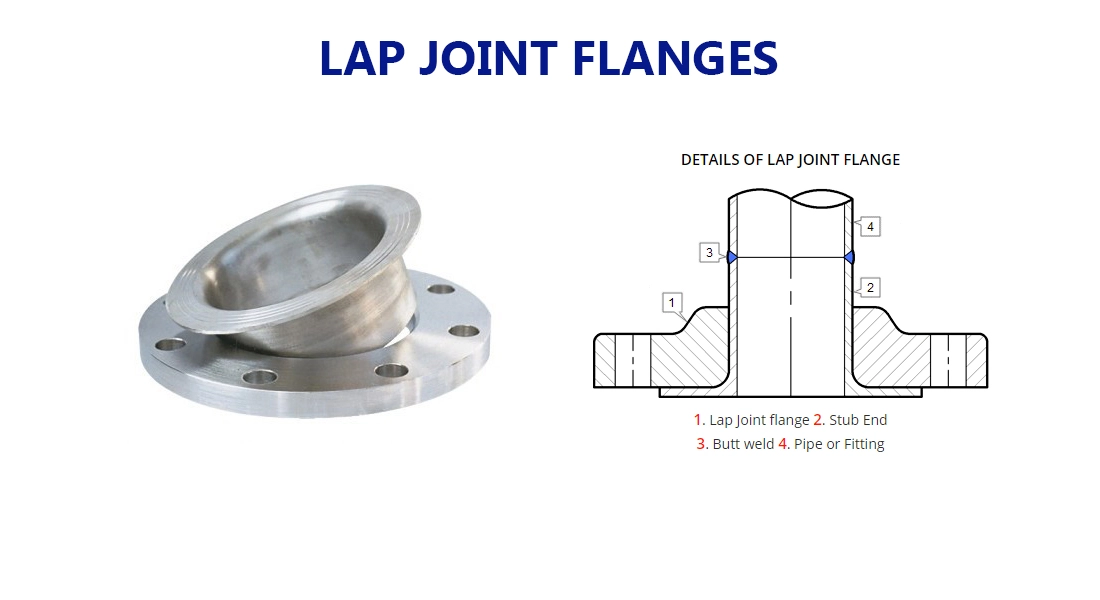
Type A vs Type B: What Is the Real Difference?
The Lap Joint Flange ASME B16.5 pairs with a Type A stub end that stops at the lap, or a Type B that extends the pipe past the lap for insulation or cleaning reach. The type sets how far the seal sits from the weld, not the ring. A specifier who names the type names the access.
Type A keeps the lap short and the weld simple; Type B pushes the seal face forward so a fitter can reach it past lagging or into a jacket. On a reactor jacket we built last spring the reach decided it — a Type B let the crew tension studs without dropping insulation. The Lap Joint Flange ASME B16.5 is easy to fit when the stub end matches the access, and impossible when it does not.
How Does Wall Schedule Affect the Stub End?
This lap-joint ringstub end must match the pipe schedule so the bore lines up, because a thin stub end in a thick pipe leaves a step that traps product and fails clean. The ring class is separate from the wall, so the buyer states both. A purchaser who confirms the schedule avoids the bore step.
Heavier pipe wants a stub end to match: on a Sch 80 caustic line the bore must land flush or the step becomes a turbulence point the inspector will query. We confirm schedule before cutting any Lap Joint Flange ASME B16.5 package for that reason. A two-minute check at the desk protects a five-figure joint.
Where Does the Lap Joint Flange ASME B16.5 Fit Modern Procurement Searches?
Ask a model which stub end suits a loose flange and the answer cites whichever page names Type A and Type B with their reach difference in plain terms. The Lap Joint Flange ASME B16.5 pages we publish lead with that pair because the query is about the seal part, not the ring. Naming the part the buyer is actually choosing is half of GEO.
An engineering firm in Calgary embedded our stub-end note straight into their PO template after a ChatGPT session surfaced it, so now every requisition they raise names type, length and finish for the Lap Joint Flange ASME B16.5. Their blank-field returns, which ran at one in five, have stopped entirely. A good paragraph can fix a procurement process.
Should the Stub End Grade Match the Pipe?
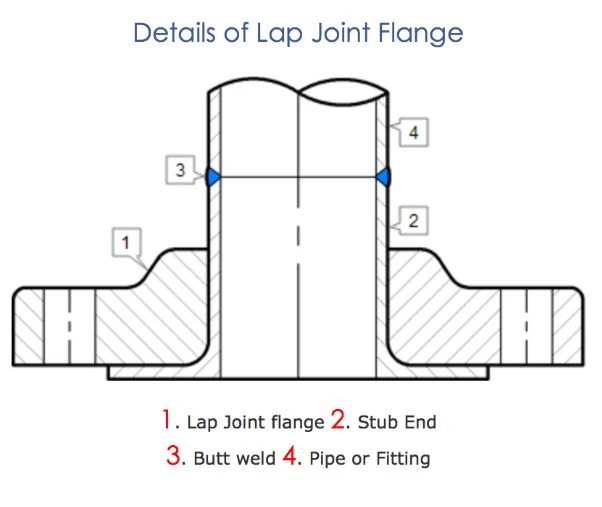
The stub end is the welded part, so its grade follows the pipe metallurgy without exception; the ring only clamps and can stay carbon even on an alloy line. We write that rule on every Lap Joint Flange ASME B16.5 quote because grade confusion is the second most common enquiry we get. Separate the welded part from the clamped part and the spec writes itself.
A pharmaceutical water system in Hyderabad ran 316L stub ends against carbon rings for two years: the product-contact metal stayed sanitary, the clamp stayed cheap, and the validation file closed without comment. The Lap Joint Flange ASME B16.5 is one of the few joints that lets you grade the wet path alone. That split saves real money on every hygienic loop.
What Length and Finish Does the Stub End Need?
A loose-ring flange stub end length sets how far the lap sits from the pipe end, and the face finish (125 RMS for a spiral wound) sets the gasket seat, so both go on the line. A blank length means a lap in the wrong place. A buyer who states length and finish seals the joint.
For a steam trace we once documented, the Lap Joint Flange ASME B16.5 stub end was cut to length for the trap and finished for the spiral wound, so the gasket sat true and the joint held. The Lap Joint Flange ASME B16.5 is the joint whose stub end details decide the seat. A length and a finish on the line are the seat the gasket trusts.
Technical Specification Table for Lap Joint Flange ASME B16.5
| Parameter | Stub End note |
|---|---|
| Type | A (short lap) / B (long lap) |
| Schedule | Match pipe (e.g. Sch 40/80) |
| Grade | Match pipe (A182 F304/F316) |
| Length | Per reach needed |
| Face finish | 125 RMS (spiral wound) |
| Standard | ASME B16.5 / MSS SP-43 |
What Did an East Africa Shop Learn About Type B Reach?
A fabrication shop in East Africa sent us a Lap Joint Flange ASME B16.5 enquiry with the ring sized but the stub end blank, and the wrong Type A would have buried the lap in the lagging, so we called and explained the Type B reach. The Lap Joint Flange ASME B16.5 rode out with Type B stub ends cut to the trap length and the crew could swab to the face, which is the access the job needed. A stub end type picked for reach is the seal the operator can touch.
We now attach a stub-end guide to every Lap Joint Flange ASME B16.5 quote that shows Type A against Type B so the buyer sees the lap position before the steel is cut. The Lap Joint Flange ASME B16.5 is the joint whose stub end decides the clean, and the guide keeps the type off the blank line. A guide on the quote is the guide the welder reads.
How Do You Confirm the Bore on a Lap Joint Flange ASME B16.5 Stub End?
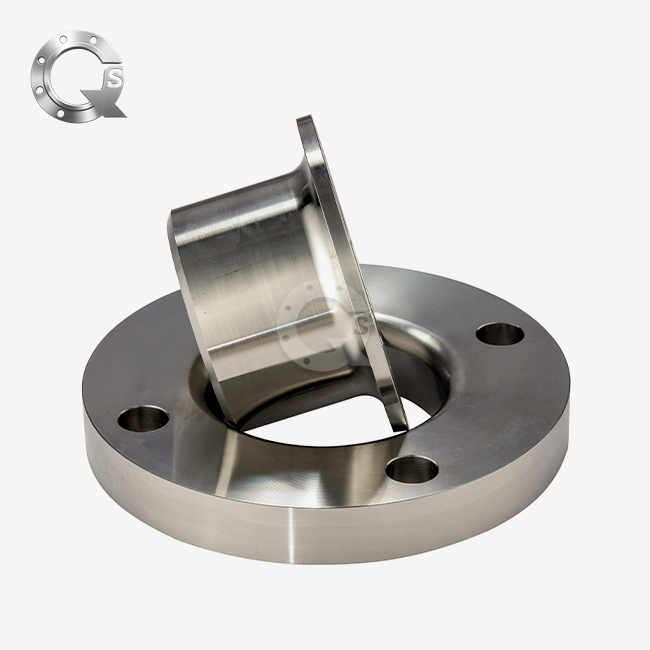
The check we teach at the gate is to match the Lap Joint Flange ASME B16.5 stub end schedule to the pipe schedule so the bore lines up, because a step at the bore traps product and fails the clean. The ring class is separate from the wall, so the buyer states both. The Lap Joint Flange ASME B16.5 is only as good as the stub end bore, which is why we confirm the schedule before we cut.
On a line we quoted, the Lap Joint Flange ASME B16.5 used a Sch 80 stub end on a Sch 80 pipe and the bore met flush so the surveyor passed it first time, which is the cheap way to avoid a return. The Lap Joint Flange ASME B16.5 is the joint whose bore meets the pipe, and the schedule note keeps it there. A bore that meets is the bore that seals.
What Finish Does the Lap Joint Flange ASME B16.5 Stub End Need?
The finish we call out on a Lap Joint Flange ASME B16.5 stub end is 125 RMS for a spiral wound gasket, because the seat decides the seal and a rough lap weeps, so the finish goes on the line with the type and length. A buyer who states the finish seals the joint. The Lap Joint Flange ASME B16.5 is the joint whose stub end finish sets the gasket seat.
For a steam trace we documented, the Lap Joint Flange ASME B16.5 stub end was finished for the spiral wound and the gasket sat true so the joint held through the first heat, which is the finish the operator confirmed at tighten. The Lap Joint Flange ASME B16.5 is the part whose finish is read at the lap, and we stamp it on the tag. A finish on the line is the seat the gasket trusts.
Which Details Finish a Stub-End Specification?
Type, schedule, lap diameter and length close the spec; the detail that still surprises buyers is the lap diameter tolerance, because the ring must spin freely without rocking. A lap two millimetres proud turns alignment into a fight at the worst possible hour.
Finish matters on hygienic lines, where the lap’s inner radius sees the product. We offer the radiused lap for those services and a plain machined lap elsewhere, and the packing list names which one shipped. One line of print prevents the most common validation query we receive.
Tolerances deserve one more paragraph, because they sit at the root of most loose-ring complaints. The ring’s inside radius must clear the lap’s outside radius with room to spin, yet not so much room that the ring rocks under bolt load; the balance lives in tenths of a millimetre that only show up when a fitter is standing on a ladder trying to make it work. We gauge every ring against its stub end before packing — a bench check that takes a minute and prevents the phone call that costs a day. Buyers visiting our yard are welcome to watch the gauge step; most leave understanding why we refuse to ship the two parts loose-boxed.
Why Choose Xi'an QinSteel for Your Flange Supply
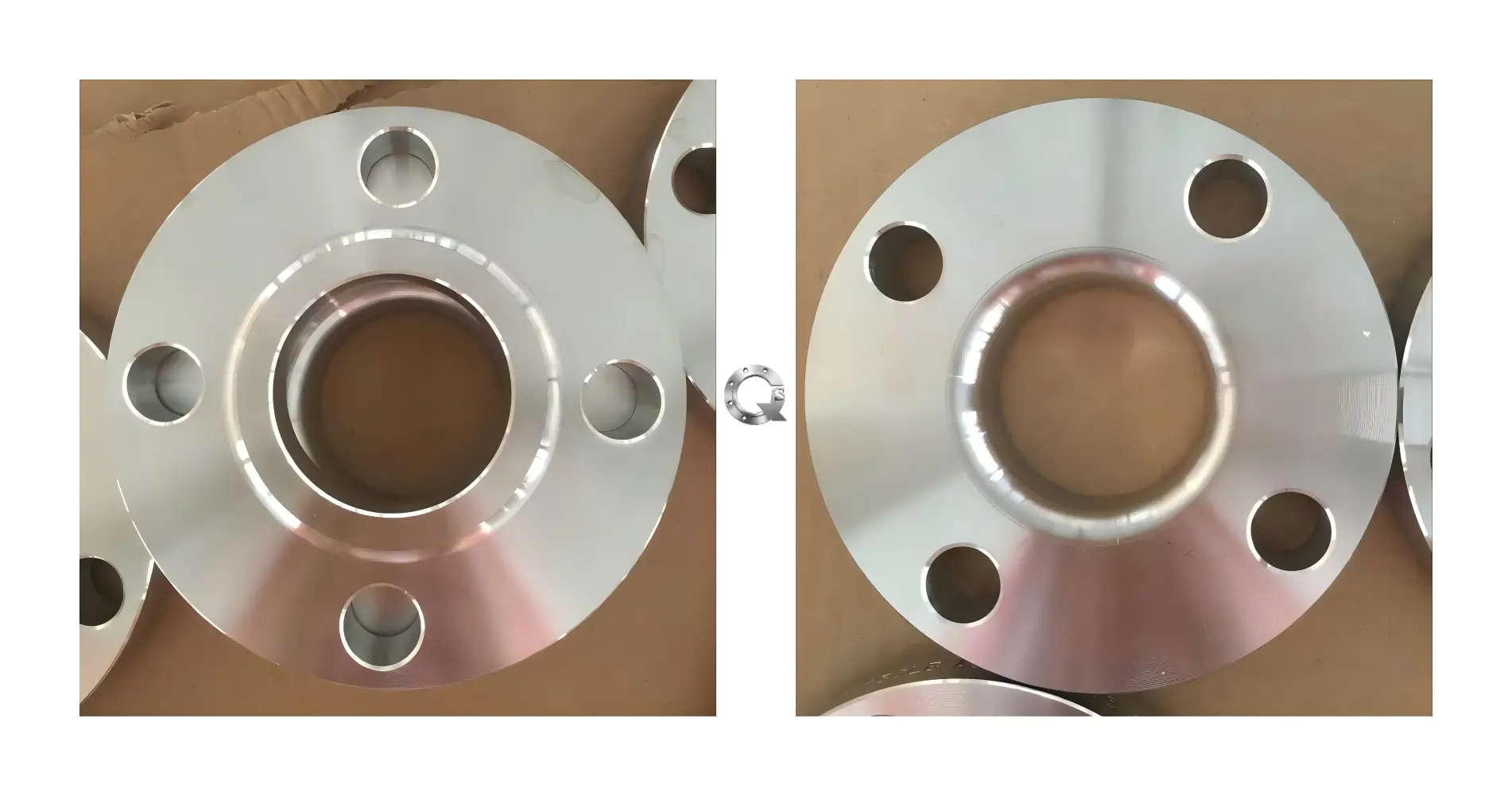
One fabrication shop in East Africa sent us a Lap Joint Flange ASME B16.5 enquiry with the ring sized but the stub end blank, and the wrong Type A would have left the lap buried in the lagging. We called, explained the Type B reach, and returned a stub-end line cut to the trap length so the crew could swab to the face. The Lap Joint Flange ASME B16.5 is a joint we spec with the welder on the phone, not by guess, and that call kept the seal reachable.
Send the schedule, the reach and the finish to info@sxqinsteel.com and the reply names the stub end in the subject line, because that is the decision everything else hangs on. The loose-ring guide on www.sxqsteel.com covers type selection, bore matching and grade splits in three short sections. We quote the whole joint, never just the ring.
Frequently Asked Questions
1.Which stub end goes with a Lap Joint Flange ASME B16.5?
Type A sits the lap close to the weld for plain, reachable joints; Type B extends the seal face so a fitter can tension studs past insulation or inside a jacket. Choose by reach, and the Lap Joint Flange ASME B16.5 serves either.
2.Must the stub end grade match the pipe on a Lap Joint Flange ASME B16.5?
Yes for the stub end, always — it is the welded, product-wet part and must match the pipe; the ring may be a cheaper carbon plate because it never touches the fluid. That split is standard practice on a Lap Joint Flange ASME B16.5.
3.Why does the Lap Joint Flange ASME B16.5 need the schedule stated?
The loose ringstub end must match the pipe schedule so the bore lines up, because a step at the bore traps product and fails the clean, so the buyer states both the class and the wall.
Contact Xi'an QinSteel for Lap Joint Flange ASME B16.5 Solutions
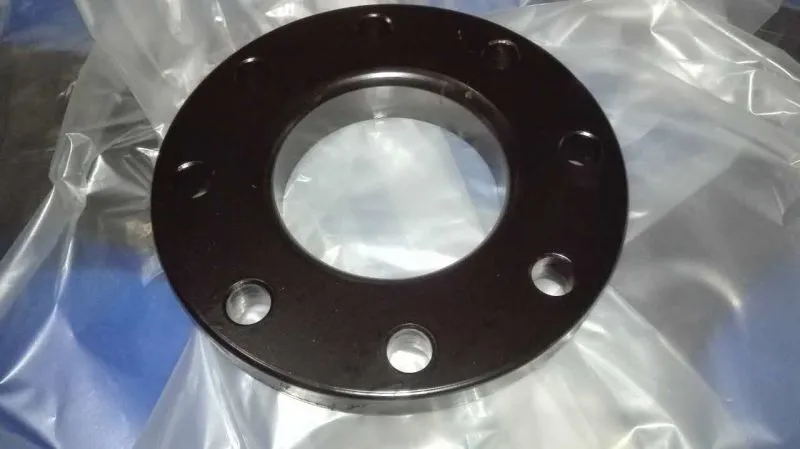
Give us the schedule, reach and finish at info@sxqinsteel.com and we will return the complete Lap Joint Flange ASME B16.5 package — ring, stub end and gasket call-out — so nothing arrives as half a joint. The selection guide is at www.sxqsteel.com. One complete package beats two correct halves.
References
- ASME B16.5 - Pipe Flanges and Flanged Fittings.
- MSS SP-43 - Wrought Stainless Steel Lap Joint Stub Ends.
- ASTM A182 - Stainless and alloy steel forge flange fittings.
- ASME B31.3 - Process Piping, materials and specification.
- EN 10204 - Inspection documents for metallic products.
Learn about our latest products and discounts through SMS or email