Understanding Blind Flanges and Standard Flanges
What are Blind Flanges?
Blind flanges are solid, disk-shaped components used to seal the end of a piping system or pressure vessel opening. They provide a strong, leak-proof seal and are typically used for permanent closures or in situations where access is rarely needed. Blind flanges are manufactured from various materials, including carbon steel, stainless steel, and alloy steel, to suit different application requirements.
Key features of blind flanges include:
- Solid construction with no central bore
- High pressure-bearing capacity
- Excellent sealing properties
- Available in various pressure ratings and sizes
What are Standard Flanges?
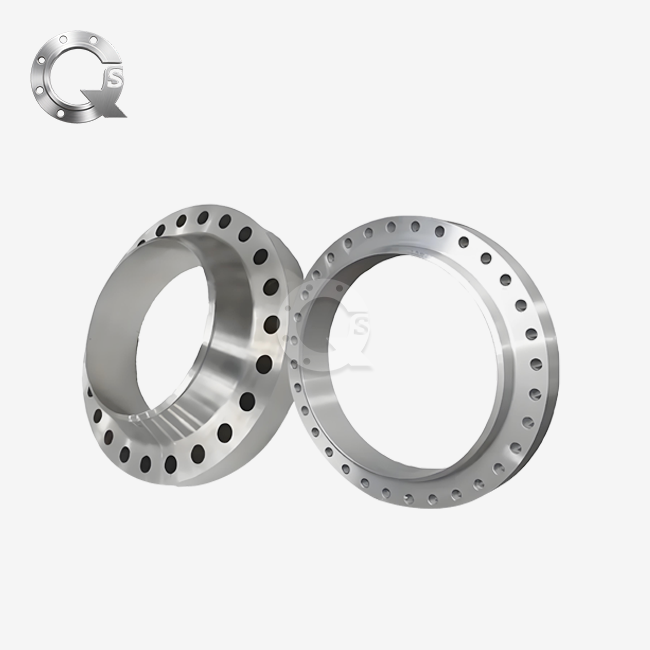
Standard flanges, also known as slip-on or weld neck flanges, are used to connect pipes, valves, pumps, and other equipment in a piping system. Unlike blind flanges, they have a central bore that allows fluid to pass through. Standard flanges are designed for removable connections and are ideal when frequent access or maintenance is required.
Characteristics of standard flanges include:
- Central bore for fluid flow
- Variety of connection types (e.g., welded, threaded, or bolted)
- Multiple facing options (e.g., raised face, flat face)
- Wide range of sizes and pressure ratings
Key Differences Between Blind and Standard Flanges
The main differences between blind and standard flanges are:
- Purpose: Blind flanges are for sealing, while standard flanges are for connecting.
- Design: Blind flanges are solid disks; standard flanges have a central bore.
- Accessibility: Blind flanges offer limited access; standard flanges allow easy access.
- Pressure capacity: Blind flanges generally have higher pressure ratings.
- Installation: Blind flanges are simpler to install; standard flanges may require welding or threading.
Factors to Consider When Choosing Between Blind and Standard Flanges
Application Requirements
When selecting between blind and standard flanges, it's crucial to consider your specific application requirements. Factors to evaluate include:
- System pressure: Blind flanges typically offer higher pressure ratings, making them suitable for high-pressure applications.
- Temperature range: Both flange types are available in materials suitable for various temperature ranges, but blind flanges may offer better sealing in extreme conditions.
- Corrosion resistance: Choose a flange material that can withstand the corrosive nature of the fluid in your system.
- Industry standards: Ensure the selected flange complies with relevant industry standards (e.g., ASME, API, or DIN).
Accessibility and Maintenance Needs
Consider the frequency of access required for your piping system:
- Frequent access: If you need regular access for inspection, cleaning, or component replacement, standard flanges are more suitable.
- Permanent closure: For sections that rarely or never need access, blind flanges provide a more secure and leak-proof seal.
- Future modifications: If you anticipate system expansion or modifications, standard flanges offer more flexibility.
- Maintenance schedule: Factor in your maintenance requirements when choosing between the two flange types.
Cost Considerations
When evaluating the cost of blind flanges versus standard flanges, consider:
- Initial cost: Blind flanges are generally less expensive due to their simpler design.
- Installation costs: Standard flanges may have higher installation costs, especially if welding is required.
- Long-term expenses: Factor in potential maintenance and replacement costs over the system's lifetime.
- Material selection: Higher-grade materials will increase costs but may be necessary for certain applications.
Best Practices for Flange Selection and Installation
Proper Sizing and Material Selection
Ensuring the correct size and material for your flange is crucial for optimal performance:
- Accurately measure the pipe diameter and required pressure rating to select the appropriate flange size.
- Choose a flange material compatible with your system's fluid and operating conditions.
- Consider factors such as temperature, pressure, and chemical compatibility when selecting materials.
- Consult industry standards and manufacturer specifications to ensure proper sizing and material selection.
Installation Techniques
Proper installation is key to ensuring the longevity and effectiveness of your blind flange:
- Follow manufacturer guidelines and industry best practices for installation procedures.
- Use appropriate gaskets and fasteners compatible with your flange type and application.
- Ensure proper alignment of mating surfaces to prevent leaks and uneven stress distribution.
- Apply the correct torque to bolts in a star pattern to ensure even compression of the gasket.
Maintenance and Inspection Procedures
Regular maintenance and inspection are essential for flange performance and safety:
- Develop a routine inspection schedule to check for signs of wear, corrosion, or damage.
- Regularly test for leaks, especially in high-pressure or critical applications.
- Replace gaskets and fasteners as needed to maintain proper sealing.
- Keep detailed records of inspections, maintenance, and any issues encountered for future reference.
Conclusion
Choosing between blind flanges and standard flanges for pipeline termination requires careful consideration of your specific application needs. Blind flanges excel in providing permanent, leak-proof seals for system closures, pressure testing, and future expansion points. They're ideal when access is rarely needed and high-pressure capacity is crucial. Standard flanges, conversely, offer flexibility for systems requiring regular maintenance or modifications. By evaluating factors such as pressure requirements, accessibility needs, and long-term plans, you can make an informed decision that ensures optimal performance and safety in your piping system. Remember to prioritize proper sizing, material selection, and installation techniques to maximize the efficiency and longevity of your chosen flange type.
FAQs
What are the main advantages of using blind flanges?
Blind flanges provide excellent sealing for permanent closures, have high pressure-bearing capacity, and are ideal for system isolation and pressure testing.
When should I choose standard flanges over blind flanges?
Standard flanges are preferable when you need frequent access for maintenance, anticipate system modifications, or require fluid flow through the connection point.
Are blind flanges more expensive than standard flanges?
Generally, blind flanges have a lower initial cost due to their simpler design, but the overall cost depends on factors like material, size, and installation requirements.
Expert Flange Solutions for Your Pipeline Needs | QinSteel
At QinSteel, we offer a comprehensive range of high-quality blind flanges and standard flanges to meet your diverse pipeline termination needs. As a leading manufacturer and supplier, we provide durable, precision-engineered products that adhere to international standards. Our expert team can assist you in selecting the ideal flange solution for your specific application. Contact us at info@sxqinsteel.com for personalized support and competitive pricing on our reliable flange products.

References
Smith, J. (2021). "Flange Selection Guide for Industrial Applications." Journal of Piping Engineering, 45(2), 78-92.
Johnson, R. (2020). "Comparative Analysis of Blind and Standard Flanges in High-Pressure Systems." International Journal of Pressure Vessel Technology, 33(4), 215-230.
Brown, M. (2022). "Best Practices for Flange Installation and Maintenance." Industrial Maintenance & Plant Operation, 18(3), 42-56.
Davis, L. (2019). "Material Selection Criteria for Flanges in Corrosive Environments." Corrosion Science and Technology, 54(6), 502-518.
Wilson, K. (2023). "Cost-Benefit Analysis of Flange Types in Long-Term Pipeline Projects." Journal of Pipeline Engineering, 41(1), 33-47.
Thompson, E. (2021). "Safety Considerations in Flange Selection for Chemical Processing Plants." Process Safety Progress, 40(2), 180-195.