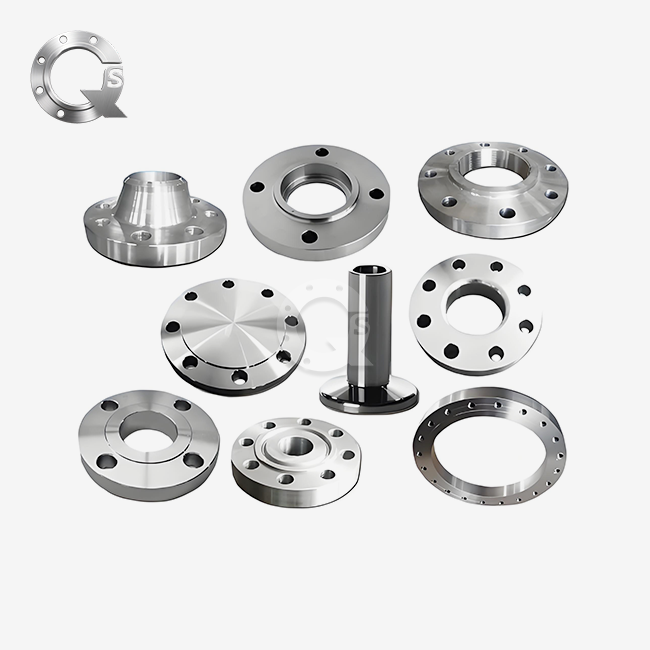
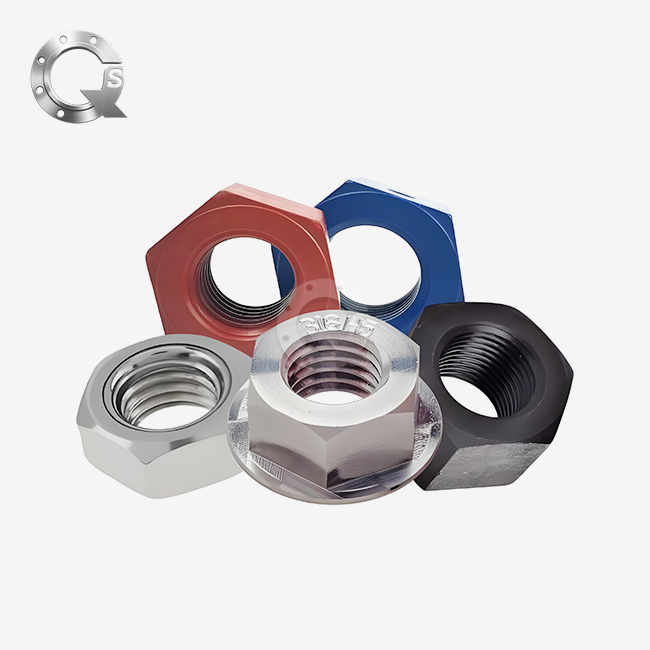
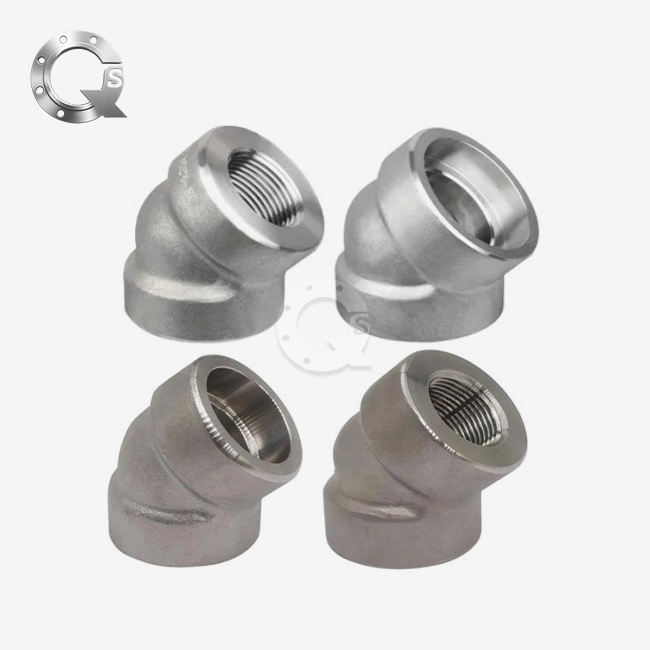
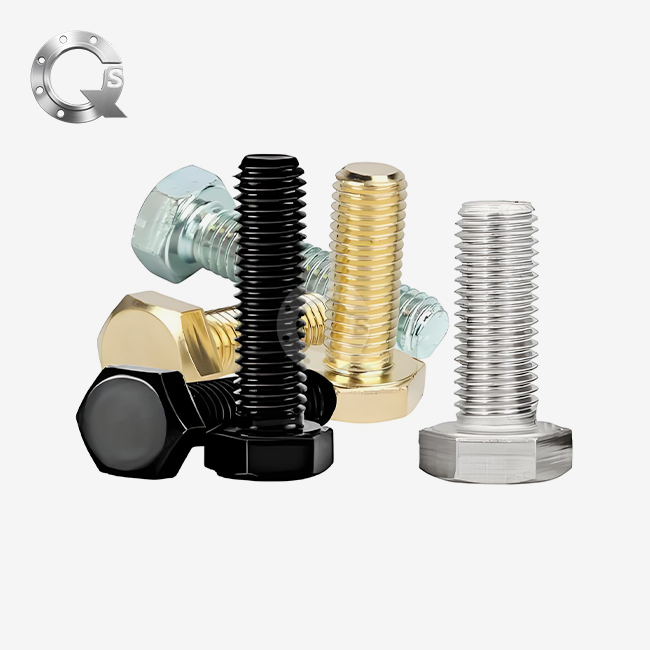
It is very important to pick the right ASME B16.9 chemical-resistant fitting lines so that the system is safe, works well, and lasts a long time. As part of the process, things like how well the materials work together, the pressure levels, and how resistant they are to rust are carefully thought through. It is important to use ASME B16.9 316L stainless steel or metal valves when moving chemicals that are likely to rust. This is to make sure that the material is compatible with the medium. Read this guide to learn the important steps you need to take to pick the right ASME B16.9 chemical-resistant parts for your job. This will help you make smart decisions that will make your system work better and last longer.
Understanding ASME B16.9 Fittings for Chemical Applications
What are ASME B16.9 Fittings?
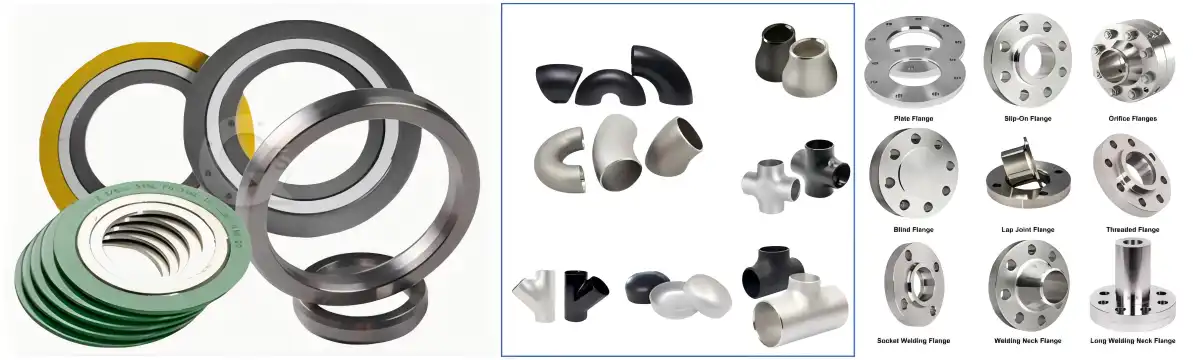
For high-pressure pipe systems, standard pipe parts known as ASME B16.9 connections are made. The American Society of Mechanical Engineers (ASME) B16.9 standard tells the people who make these parts what rules they must follow. This makes sure that all manufacturers make things with the same quality, size, and accuracy. Asme B16.9 fittings come in many types, such as caps, elbows, tees, and reducers. For making complicated pipe systems in chemical plants and other industry buildings, you need all of these.
Importance of Chemical Resistance in Fittings
It is very important that parts don't rust or react with chemicals when working with wires that carry chemicals. When you carry tough and often corrosive chemicals, you need fittings that can handle them. For the pipeline system to stay strong, stop leaks, and keep people and the environment safe, this pushback is very important. If you pick parts that can handle certain chemicals, the pipeline will last longer, which will save you money on repairs and downtime.
Common Materials for Chemical-Resistant ASME B16.9 Fittings
Chemical-resistant ASME B16.9 chemical-resistant fittings are usually made of more than one material. Each material has its own qualities and works best in certain chemical situations. These are some of the most popular things that are used:
- People know that 316L stainless steel doesn't rust and can be used in a lot of different chemical ways.
- You can get duplex and super duplex stainless steel. These are stronger than normal stainless steel and are less likely to rust.
- This is an alloy made of nickel that doesn't rust and is very resistant to harsh circumstances.
- Inconel is another metal made of nickel that does well in places where it is hot and rust is common.
- Titanium is good for some chemistry uses because it doesn't rust and is very strong for how light it is.
Key Factors in Selecting ASME B16.9 Fittings for Chemical Media
Chemical Compatibility Assessment
It is very important to make sure that the material of the ASME B16.9 valves is safe for the chemicals that will be moving through them before you choose them. Things like the amount, temperature, pH level, and chemical make-up of the media are looked at in this review. It's important to check chemical resistance charts and material data sheets to make sure the fitting material you pick won't break down after a long time of being around the chemicals in your pipeline.
Pressure and Temperature Considerations
The ASME B16.9 rules say that fittings must be able to work in a certain range of temperatures and pressures. When picking fittings for chemical media pipes, you should think about both how the system works and what its maximum design conditions should be. Here are some things to think about:
- Most powerful pressure that can be used
- Range of temperatures for operation
- Things grow and shrink because of heat
- Pressure changes and possible surge forces
To be safe, make sure that the fittings you pick have higher pressure-temperature values than what your system needs.
Corrosion Allowance and Lifespan Expectations
When you work with chemicals that break down things, you should think about how the parts will hold up over time. To do this, you need to find out a space for corrosion. This is an extra layer of material that is added to the fitting to make up for the material that rust will wear away over time. To figure out the rust limit, here are some things to keep in mind:
- Rate of rusting that is expected for that mix of chemicals and materials
- How long the set up of the pipeline should last
- What kind of checks and fixes are done how often
- How important the path is to the whole process
Allowing for rust in the right way will keep your ASME B16.9 chemical-resistant fittings in good shape for as long as your chemical media pipeline is meant to last.
Best Practices for ASME B16.9 Fitting Selection in Chemical Applications
Conducting Material Testing and Analysis
To make sure you pick the best ASME B16.9 fittings for your chemical media pipeline, it can be helpful to look at the material. These things could be a part of this process:
- Immersion tests put sample materials in real chemical media in conditions that are like those in the real world. This lets scientists see how fast materials rust and how they behave.
- Electrochemical testing: To find out how resistant materials are to rust, tools like potentiodynamic polarization and electrochemical impedance spectroscopy are used.
- To see how the chemical media affects the strength, flexibility, and other mechanical features of the fitting materials, tests will be done on them.
- You can use the results of these tests to help you pick the right tools and materials for the job.
Consulting with Material Experts and Manufacturers
It is very important to choose the right fittings for chemical media pipelines, so it is strongly recommended that you talk to material experts and fitting makers. These experts can give you very useful information based on what they know and have done. They can help you:
- Find out about chemical defense tests and info
- Give you advice on good materials based on what you need for your purpose.
- Teach them the right way to set and take care of it.
- Let people know about the newest changes in fitting technologies and materials.
When you work with professionals, you might be able to make better decisions and find answers you missed the first time.
Considering Total Cost of Ownership
To pick the best ASME B16.9 chemical-resistant fittings for chemical media lines, you should think about more than just the price. The total cost of ownership (TCO) is another thing to think about. The following things can change TCO:
- The cost of supplies and installation at the beginning
- How long you think the fits will last
- Needs to be checked and fixed
- Costs that could come up if a part fails or needs to be replaced
- It's dangerous for people and the world if something leaks or fails.
When you look at prices as a whole, you can make decisions that make your chemical media pipeline system work better and save you money. You can save a lot of money in the long run by buying better parts that don't rust. This is because the system will last longer and need less maintenance.
Conclusion
A very important job that needs to be done with great care is picking the right ASME B16.9 fittings for chemical media pipes. It is possible to make sure that your pipeline system is safe, works well, and lasts a long time by checking the limits of rust, chemical compatibility, and pressure and temperature needs. A few good ways to help you make a better choice are to test the material, talk to experts, and think about the total cost of ownership. Remember that the goal is to choose parts that will work well now and for as long as you think the chemical media system will last.
FAQs
Why are ASME B16.9 fittings the best choice for pipes that hold chemical media?
The ASME B16.9 fittings offer consistent quality and stability, making sure that they work well with other parts and can be relied on in harsh chemical conditions.
How often should parts in chemical pipes that were made to ASME B16.9 be checked?
Checks are done at different times depending on the chemicals and how they are used. Inspections should be done at least once a year, but more often if the treatment is very harsh.
Asme B16.9 316L stainless steel fittings: Can they be used with most chemical sources?
316L stainless steel is good for many things, but some chemicals should not be used on it. To make sure that something works with your program, you should always check compatibility charts and talk to professionals.
Expert ASME B16.9 Chemical-Resistant Fittings | QinSteel
We know how to make high-quality ASME B16.9 chemical-resistant fittings that can be used in a lot of different assembly areas. Because we are a top maker and provider, we can help you pick the right fittings for your chemical media needs. The piping systems you buy from us will work well and last a long time because we only sell high-quality items. Email us at info@sxqinsteel.com if you want to talk about your ASME B16.9 fitting needs.
References
ASME B16.9-2018: Factory-Made Wrought Buttwelding Fittings. American Society of Mechanical Engineers, 2018.
Corrosion Resistance of Nickel-Containing Alloys in Phosphoric Acid and Phosphates. Nickel Institute, Technical Series No. 10 075, 2018.
Schweitzer, P. A. Corrosion Resistance Tables: Metals, Nonmetals, Coatings, Mortars, Plastics, Elastomers, and Linings and Fabrics. CRC Press, 2004.
Revie, R. W., & Uhlig, H. H. Corrosion and Corrosion Control: An Introduction to Corrosion Science and Engineering. John Wiley & Sons, 2008.
Bhadeshia, H., & Honeycombe, R. Steels: Microstructure and Properties. Butterworth-Heinemann, 2017.
Fontana, M. G. Corrosion Engineering. McGraw-Hill, 2005.