- English
- French
- German
- Portuguese
- Spanish
- Russian
- Japanese
- Korean
- Arabic
- Greek
- German
- Turkish
- Italian
- Danish
- Romanian
- Indonesian
- Czech
- Afrikaans
- Swedish
- Polish
- Basque
- Catalan
- Esperanto
- Hindi
- Lao
- Albanian
- Amharic
- Armenian
- Azerbaijani
- Belarusian
- Bengali
- Bosnian
- Bulgarian
- Cebuano
- Chichewa
- Corsican
- Croatian
- Dutch
- Estonian
- Filipino
- Finnish
- Frisian
- Galician
- Georgian
- Gujarati
- Haitian
- Hausa
- Hawaiian
- Hebrew
- Hmong
- Hungarian
- Icelandic
- Igbo
- Javanese
- Kannada
- Kazakh
- Khmer
- Kurdish
- Kyrgyz
- Latin
- Latvian
- Lithuanian
- Luxembou..
- Macedonian
- Malagasy
- Malay
- Malayalam
- Maltese
- Maori
- Marathi
- Mongolian
- Burmese
- Nepali
- Norwegian
- Pashto
- Persian
- Punjabi
- Serbian
- Sesotho
- Sinhala
- Slovak
- Slovenian
- Somali
- Samoan
- Scots Gaelic
- Shona
- Sindhi
- Sundanese
- Swahili
- Tajik
- Tamil
- Telugu
- Thai
- Ukrainian
- Urdu
- Uzbek
- Vietnamese
- Welsh
- Xhosa
- Yiddish
- Yoruba
- Zulu
How to Inspect ASME B16.11 Forged Plugs for Damage?
Nov 28 2025
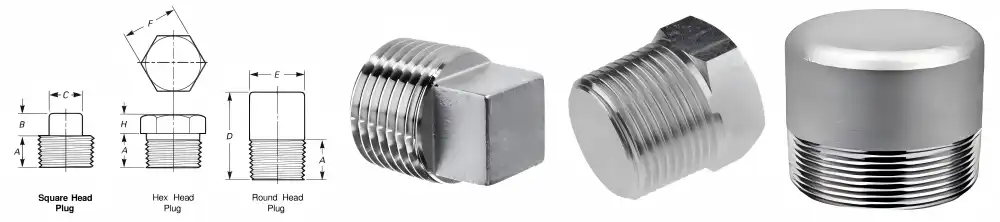
Reviewing ASME B16.11 forged plugs for harm is vital to guarantee the judgment and security of channeling frameworks. To appropriately review these components, begin by outwardly analyzing the plug's surface for signs of erosion, wear, or breaks. Pay close attention to the strings, as they are basic for keeping up an appropriate seal. For more careful reviews, particularly in basic applications, utilize non-destructive testing strategies such as ultrasonic or magnetic particle testing. Customary assessments offer assistance to avoid spills, keep up framework effectiveness, and extend the life expectancy of forged plugs. By taking a precise approach and following industry guidelines, you can successfully distinguish and address potential issues some time sometimes they lead to expensive disappointments or security hazards.
Understanding ASME B16.11 Forged Plugs and Their Importance
What are ASME B16.11 Forged Plugs?
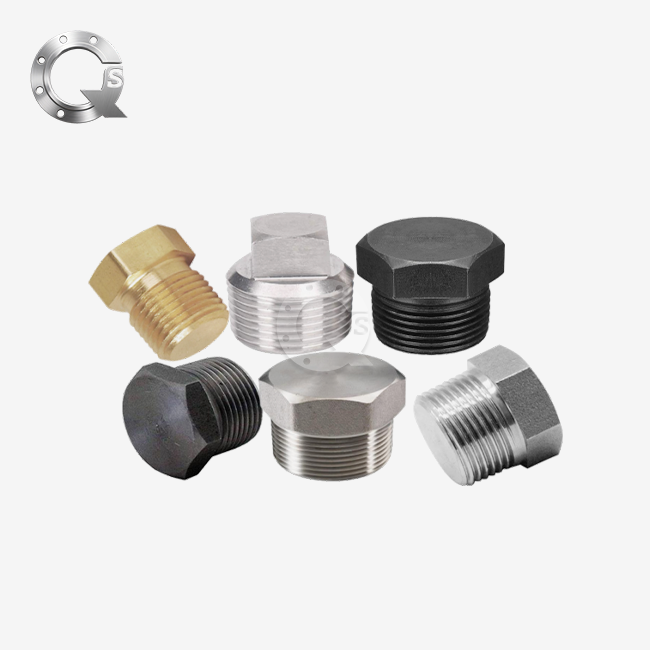
ASME B16.11 forged plugs are basic components in high-pressure channeling frameworks. These plugs are fabricated through a fashioning handle, which improves their quality and toughness. They are planned to meet the rigid prerequisites of the American Society of Mechanical Engineers (ASME) B16.11 standard, guaranteeing consistency in measurements, materials, and execution over different applications.
Applications of Forged Plugs
Forged plugs discover far-reaching utilize in businesses such as oil and gas, petrochemical, and control era. They are significant for fixing pipe closures, making dead-ends in pipelines, and encouraging upkeep operations. Their capacity to withstand heavy weights and temperatures makes them crucial in basic frameworks where reliability is paramount.
The Significance of Regular Inspections
Regular assessments of ASME B16.11 forged plugs are imperative for keeping up the astuteness of channeling frameworks. These assessments offer assistance in distinguishing potential issues early, avoiding expensive downtime, spills, or disastrous disappointments. By executing a proactive assessment schedule, administrators can guarantee the life span of their hardware, comply with security controls, and optimize by and large system performance.
Comprehensive Guide to Inspecting ASME B16.11 Forged Plugs
Visual Inspection Techniques
Visual assessment is the first with and the most crucial step in surveying the condition of forged plugs. Start by thoroughly cleaning the plug to evacuate any earth, flotsam and jetsam, or erosion items that may cloud surface surrenders. Utilize a shining light source and, if vital, an amplifying glass to carefully look at the whole surface of the plug.
Look for signs of:
- Surface erosion or pitting
- Cracks or hairline fractures
- Thread harm or wear
- Deformation or dents
- Discoloration that may show overheating or chemical attack
Pay uncommon consideration to zones inclined to stretch concentration, such as string roots and moves between diverse plug areas. Report any discoveries, counting the area and degree of watched abandons, for future reference and drift analysis.
Non-Destructive Testing Methods
While visual review is important, it may not identify inner imperfections or unpretentious surface absconds. Non-destructive testing (NDT) strategies give a more comprehensive evaluation of forged plug astuteness. Common NDT procedures for reviewing ASME B16.11 forged plugs include:
Ultrasonic Testing (UT): This strategy employs high-frequency sound waves to identify inner imperfections, breaks, or fabric irregularities. UT is especially valuable for recognizing subsurface abandons that may not be unmistakable during visual inspection.
Magnetic Molecule Review (MPI): MPI is compelling for recognizing surface and near-surface surrenders in ferromagnetic materials. This strategy includes magnetizing the plug and applying attractive particles, which collect around discontinuities, uncovering their presence.
Liquid Penetrant Testing (PT): PT is valuable for recognizing surface-breaking surrenders in both ferrous and non-ferrous materials. A fluid color is connected to the surface, which enters into any breaks or pores. After expelling overabundant color, an engineer is connected, uncovering the absconds as colored indications.
When utilizing these NDT strategies, ensure that qualified staff perform the tests, agreeing to pertinent benchmarks and strategies. Decipher comes about carefully, considering the plug's fabric, benefit conditions, and criticality of the application.
Dimensional and Thread Inspection
Accurate measurements and string astuteness are vital for appropriate fixing and fitment of forged plugs. Conduct intensive dimensional checks utilizing calibrated measuring apparatuses such as micrometers, calipers, and string gages. Key regions to assess include:
- Overall length and diameter
- Thread pitch, profile, and major/minor diameters
- Sealing surface levelness and finish
- Concentricity and perpendicularity of strung sections
Compare estimations against the determinations in ASME B16.11 and any extra prerequisites indicated by the framework originator or end-user. Pay specific consideration to string wear, as over-the-top wear can compromise the plug's fixing capacity and lead to leaks.
For basic applications, consider utilizing specialized string review hardware or profile projectors to get more exact estimations and distinguish unobtrusive deviations from indicated string geometry.
Best Practices for Maintaining and Extending the Life of ASME B16.11 Forged Plugs
Proper Installation and Torque Procedures
Correct establishment is significant for the life span and execution of ASME B16.11 forged plugs. Continuously follow after producer rules and industry best practices when introducing these components. Key contemplations include:
- Clean and review mating surfaces some time recently installation
- Use fitting string lubricants or sealants as recommended
- Apply the rectifying torque utilizing calibrated torque wrenches
- Avoid over-tightening, which can harm strings or distort the plug
- Ensure a legitimate arrangement to avoid cross-threading
Implement an efficient approach to torquing, such as the star design for multi-bolt arrangements, to guarantee stack dissemination indeed. Record establishment methods and torque values for future reference and upkeep activities.
Corrosion Prevention Strategies
Corrosion is a critical danger to the integrity of forged plugs. Execute successful erosion avoidance procedures to extend their service life:
- Material Choice: Select plug materials that are congruous with the handle's liquid and natural conditions. Consider variables such as temperature, weight, and chemical compatibility when indicating materials.
- Protective Coatings: Apply fitting defensive coatings or surface medicines to upgrade erosion resistance. Alternatives may incorporate electroplating, chemical change coatings, or specialized paint systems.
- Cathodic Security: In buried or submerged applications, execute cathodic security frameworks to moderate outside corrosion.
- Environmental Control: Where conceivable, control the environment around the forged plugs. This may include dehumidification, temperature direction, or the utilization of desiccants in encased spaces.
- Regular Cleaning and Review: Execute a scheduled cleaning plan to expel destructive stores or contaminants that may collect on the plug surface.
Scheduled Maintenance and Replacement Criteria
Develop a comprehensive support program for ASME B16.11 forged plugs to guarantee their progressive, unwavering quality and safety:
Inspection Interims: Build up customary assessment interims based on components such as working conditions, criticality of the application, and authentic execution information. Increment review recurrence for plugs in extreme benefit or high-risk environments.
Documentation: Keep up point-by-point records of review outcomes, counting estimations, perceptions, and any remedial activities taken. This information makes a difference in distinguishing patterns and optimizing support schedules.
Replacement Criteria: Characterize clear criteria for plug substitution, considering components such as:
- Extent of erosion or erosion
- Thread wear or damage
- Changes in fabric properties due to benefit conditions
- Compliance with upgraded guidelines or regulations
Predictive Upkeep: Execute prescient support methods, such as slant investigation of assessment information or condition observing, to expect potential disappointments and plan substitutions proactively.
Spare Parts Administration: Keep up a satisfactory stock of approved substitution plugs to minimize downtime during upkeep or crisis situations.
By following these best practices, administrators can altogether improve the life of ASME B16.11 forged plugs, decrease the risk of failures, and optimize the overall performance of their channeling systems.
Conclusion
Proper assessment of ASME B16.11 forged plugs is significant for keeping up the security and productivity of channeling frameworks across different industries. By executing a comprehensive review program that incorporates visual examinations, non-destructive testing, and dimensional checks, administrators can recognize potential issues early and anticipate exorbitant disappointments. Standard support, erosion anticipation methodologies, and adherence to established best practices advance and upgrade the life span and unwavering quality of these basic components. As innovation and industry benchmarks advance, remaining educated and adjusting review strategies in like manner will guarantee continued success in overseeing ASME B16.11 forged plugs throughout their lifecycle.
FAQs
How often should ASME B16.11 forged plugs be inspected?
Inspection frequency depends on the application and operating conditions. Generally, annual inspections are recommended, with more frequent checks for critical or severe service environments.
Can damaged threads on a forged plug be repaired?
Minor thread damage may be repairable, but it's often safer to replace the plug entirely to ensure proper sealing and performance.
What are the most common causes of forged plug failures?
Common causes include corrosion, improper installation, over-torquing, and exposure to extreme temperatures or pressures beyond design limits.
Expert ASME B16.11 Forged Plug Inspection and Supply | QinSteel
At QinSteel, we specialize in providing high-quality ASME B16.11 forged plugs and expert inspection services. With over 20 years of industry experience, our team ensures that every forged plug meets the highest standards of quality and reliability. As a trusted manufacturer and supplier, we offer comprehensive solutions for your piping system needs. Contact us at info@sxqinsteel.com to learn how we can support your projects with our expertise and premium products.

References
American Society of Mechanical Engineers. (2017). ASME B16.11-2016: Forged Fittings, Socket-Welding and Threaded. New York, NY: ASME.
Smith, J. R., & Johnson, L. K. (2019). Handbook of Piping System Inspection Techniques. Industrial Press.
Thompson, R. B., & Thompson, D. O. (2018). Ultrasonic Testing of Materials: Theory and Practice. Springer.
Koster, M. P., & Rao, B. K. N. (2020). Practical Guide to Inspection, Testing, and Certification of Piping Systems. Elsevier.
Davis, J. R. (2021). Corrosion of Weldments in Industrial Environments. ASM International.
Wilson, A. D., & Leendertz, J. S. (2019). Non-Destructive Testing for Plant Engineers. Woodhead Publishing.
Learn about our latest products and discounts through SMS or email