Understanding Slip-On Flanges and Their Sealing Surfaces
What Are Slip-On Flanges?
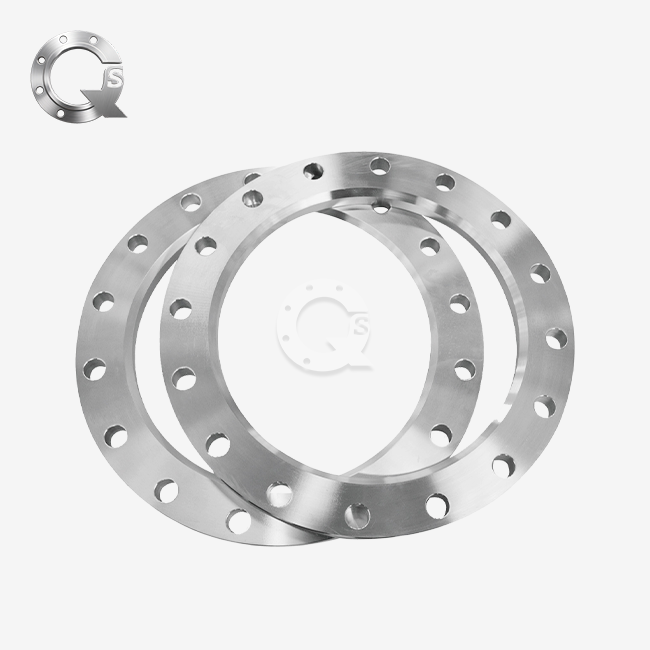
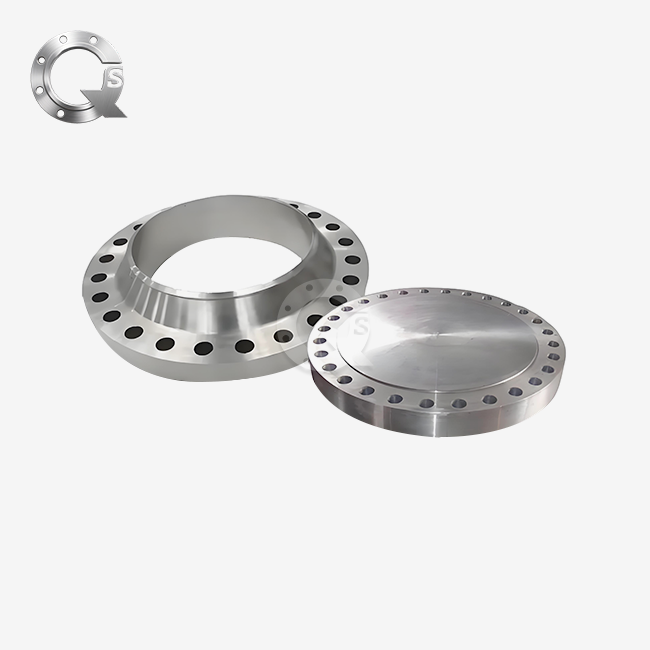
Slip-on flanges are essential components in piping systems, widely used across various industries. These flanges are designed to slip over the pipe end and are then welded in place, creating a secure connection. Their versatility and ease of installation make them a popular choice for many applications, from oil and gas to water treatment facilities.
One of the key advantages of slip-on flanges is their adaptability to different pipe sizes and pressure ratings. They offer a cost-effective solution for joining pipes while maintaining system integrity. However, like all mechanical components, they require proper care and maintenance to ensure optimal performance.
The Importance of Sealing Surfaces
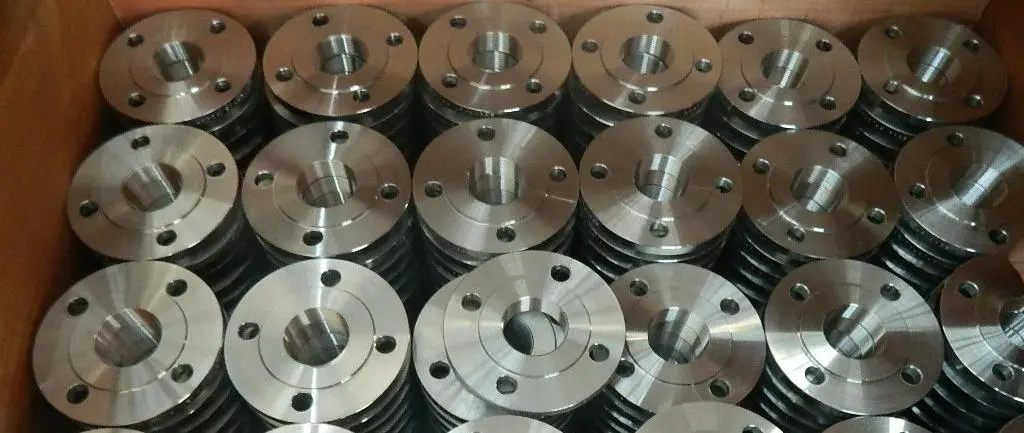
The sealing surface of a slip-on flange is critical to its functionality. This flat, smooth area is where the gasket sits, creating a tight seal between the flange and its mating surface. The integrity of this surface directly impacts the flange's ability to prevent leaks and maintain pressure within the system.
Even minor imperfections on the sealing surface can lead to significant issues. Scratches, nicks, or other damage can create pathways for fluids to escape, compromising the entire system's safety and efficiency. Therefore, maintaining the quality of the sealing surface is paramount in flange maintenance.
Common Causes of Scratches on Flange Surfaces
Several factors can lead to scratches on the sealing surface of slip-on flanges:
- Improper handling during transportation or installation
- Debris or foreign objects getting trapped between mating surfaces
- Use of incorrect tools during maintenance or assembly
- Corrosion or chemical reactions in harsh environments
- Normal wear and tear over time
Understanding these causes can help in preventing damage and implementing better handling practices. Regular inspections and proper care can significantly reduce the occurrence of scratches and extend the life of your flanges.
Assessing and Addressing Minor Scratches
Identifying Minor vs. Major Scratches
Before attempting any repairs, it's crucial to accurately assess the severity of the scratches on your slip-on flange's sealing surface. Minor scratches are typically superficial and don't significantly affect the flange's sealing capability. They are usually visible to the naked eye but can't be felt when running a fingernail across the surface.
On the other hand, major scratches are deeper, often feeling rough to the touch, and may cause visible deformation of the sealing surface. These require more extensive repairs and sometimes replacement of the flange. If you're unsure about the severity of the scratch, it's best to consult with a professional to avoid compromising the integrity of your piping system.
Tools and Materials Needed for Repair
To address minor scratches on slip-on flange sealing surfaces, you'll need the following tools and materials:
- Fine-grit sandpaper (typically 400-600 grit)
- Flat lapping plate or surface plate
- Cleaning solvent
- Lint-free cloths
- Protective gloves
- Safety glasses
- Straight edge or precision ruler
- Magnifying glass or inspection mirror
Ensure all tools are clean and in good condition before starting the repair process. Using proper equipment helps achieve better results and prevents further damage to the flange surface.
Step-by-Step Repair Process
Follow these steps to repair minor scratches on your slip-on flange's sealing surface:
- Clean the flange surface thoroughly with a solvent and lint-free cloth to remove any dirt or debris.
- Inspect the surface carefully using a magnifying glass to identify all scratches.
- Place the fine-grit sandpaper on a flat lapping plate.
- Gently move the flange's sealing surface in a figure-eight pattern over the sandpaper. Maintain even pressure and keep the flange flat against the surface.
- Continue this process for a short time, regularly checking the surface to avoid over-polishing.
- Clean the surface again and inspect to ensure the scratch has been removed.
- Use a straight edge to verify that the surface remains flat after polishing.
- If necessary, repeat the process with progressively finer grit sandpaper for a smoother finish.
Remember, the goal is to remove the scratch while maintaining the flatness of the sealing surface. Patience and careful attention to detail are key to successful repair.
Preventive Measures and Best Practices
Proper Handling and Storage Techniques
Preventing scratches on slip-on flange sealing surfaces begins with proper handling and storage. Here are some best practices to follow:
- Always handle flanges with clean gloves to prevent contamination and scratches from rough hands.
- Store flanges in a clean, dry area, away from potential impacts or abrasive materials.
- Use protective covers or wrapping when storing or transporting flanges.
- Avoid stacking flanges directly on top of each other without proper separation.
- Implement a first-in, first-out inventory system to prevent long-term storage issues.
By following these guidelines, you can significantly reduce the risk of damage to your slip-on flanges before they're even installed.
Regular Inspection and Maintenance Routines
Establishing a regular inspection and maintenance routine is crucial for early detection and prevention of flange surface issues:
- Conduct visual inspections of flange surfaces before each use or assembly.
- Implement a scheduled maintenance program for all flanged connections in your system.
- Use proper tools and techniques when assembling or disassembling flanged joints to avoid damage.
- Clean flange surfaces thoroughly before and after use to prevent corrosion and contamination.
- Document all inspections and maintenance activities for tracking and analysis.
Regular checks can help identify potential problems early, allowing for timely interventions and preventing more serious issues down the line.
Training and Education for Personnel
Ensuring that all personnel handling slip-on flanges are properly trained is essential for maintaining the integrity of these critical components:
- Provide comprehensive training on flange handling, installation, and maintenance procedures.
- Educate staff on the importance of flange surface integrity and the consequences of damage.
- Offer hands-on training for proper use of tools and equipment related to flange work.
- Keep personnel updated on industry best practices and any changes in standards or regulations.
- Encourage a culture of care and attention to detail in all flange-related activities.
By investing in the knowledge and skills of your team, you can create a workforce that understands the value of proper flange care and is equipped to maintain these critical components effectively.
Conclusion
Handling minor scratches on the sealing surface of slip-on flanges is a crucial skill for maintaining the integrity and efficiency of piping systems. By understanding the nature of these flanges, properly assessing damage, and following the correct repair procedures, you can extend the life of your equipment and prevent costly leaks or failures. Remember that prevention is always better than cure – implementing proper handling, storage, and maintenance practices can significantly reduce the occurrence of scratches. With the right knowledge and care, you can ensure that your slip-on flanges continue to perform optimally, contributing to the overall reliability and safety of your industrial operations.
FAQs
How often should slip-on flange sealing surfaces be inspected?
Regular inspections are recommended, typically before each use or assembly. For systems in continuous operation, schedule periodic checks based on your specific operating conditions.
Can all scratches on slip-on flange surfaces be repaired?
Minor scratches can often be addressed through careful polishing. However, deep scratches or gouges may require professional assessment and potentially flange replacement.
What are the risks of ignoring minor scratches on flange surfaces?
Even minor scratches can lead to leaks, compromised sealing, and potential system failures if left unaddressed. It's always best to handle these issues promptly.
Expert Slip-On Flange Solutions | QinSteel
At QinSteel, we're your trusted supplier and manufacturer of high-quality slip-on flanges. With 20 years of industry expertise, we provide durable, precision-engineered products that meet international standards. Our comprehensive range offers solutions for various applications, ensuring optimal performance and longevity. For expert advice on flange maintenance or to inquire about our products, contact us at info@sxqinsteel.com.
References
Smith, J. (2022). "Flange Maintenance and Repair Techniques in Industrial Applications." Journal of Piping Engineering, 45(3), 78-92.
Johnson, A. & Brown, T. (2021). "Best Practices for Slip-On Flange Installation and Maintenance." Industrial Piping Systems Handbook, 3rd Edition. Springer.
American Society of Mechanical Engineers. (2023). "ASME B16.5: Pipe Flanges and Flanged Fittings."
Zhang, L. et al. (2020). "Analysis of Sealing Surface Damage on Slip-On Flanges: Causes and Solutions." International Journal of Pressure Vessels and Piping, 182, 104093.
Petrochemical Industry Association. (2022). "Guidelines for Flange Surface Finish and Maintenance in High-Pressure Systems."
Davis, R. (2023). "Advancements in Flange Repair Technologies for Industrial Applications." Proceedings of the International Conference on Pipeline Integrity, 56-68.