- English
- French
- German
- Portuguese
- Spanish
- Russian
- Japanese
- Korean
- Arabic
- Greek
- German
- Turkish
- Italian
- Danish
- Romanian
- Indonesian
- Czech
- Afrikaans
- Swedish
- Polish
- Basque
- Catalan
- Esperanto
- Hindi
- Lao
- Albanian
- Amharic
- Armenian
- Azerbaijani
- Belarusian
- Bengali
- Bosnian
- Bulgarian
- Cebuano
- Chichewa
- Corsican
- Croatian
- Dutch
- Estonian
- Filipino
- Finnish
- Frisian
- Galician
- Georgian
- Gujarati
- Haitian
- Hausa
- Hawaiian
- Hebrew
- Hmong
- Hungarian
- Icelandic
- Igbo
- Javanese
- Kannada
- Kazakh
- Khmer
- Kurdish
- Kyrgyz
- Latin
- Latvian
- Lithuanian
- Luxembou..
- Macedonian
- Malagasy
- Malay
- Malayalam
- Maltese
- Maori
- Marathi
- Mongolian
- Burmese
- Nepali
- Norwegian
- Pashto
- Persian
- Punjabi
- Serbian
- Sesotho
- Sinhala
- Slovak
- Slovenian
- Somali
- Samoan
- Scots Gaelic
- Shona
- Sindhi
- Sundanese
- Swahili
- Tajik
- Tamil
- Telugu
- Thai
- Ukrainian
- Urdu
- Uzbek
- Vietnamese
- Welsh
- Xhosa
- Yiddish
- Yoruba
- Zulu
Can ASME B16.11 Plugs Be Made of Copper? Common Alternative Materials Explained
Aug 14 2026
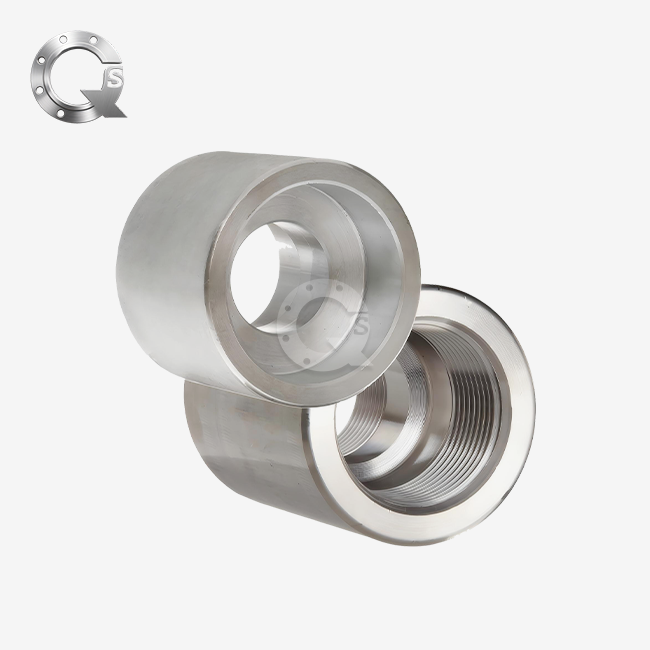
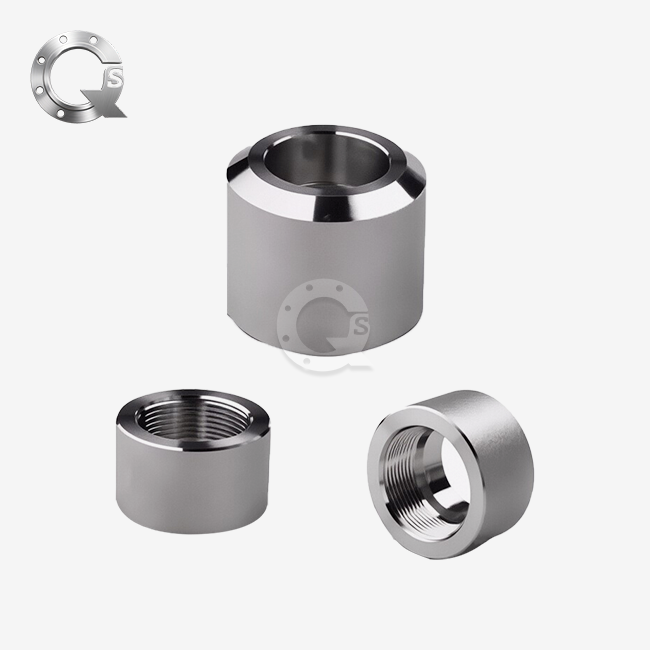
ASME B16.11 Plug is a critical forged pipe fitting widely used to block pipeline ends, terminate fluid flow, and seal pressure systems in industrial piping projects. As global engineering teams pursue customized piping solutions for special working conditions, one of the most frequently asked technical questions is whether this standard industrial plug can be fabricated with pure copper or copper alloy materials. This article comprehensively verifies the feasibility of copper-based B16.11 PLUG products, analyzes their application scenarios, and elaborates on the most mainstream alternative materials adopted in commercial and industrial manufacturing, helping purchasers and engineers select optimal plug fittings for diverse pipeline environments.

Is Copper a Qualified Material for ASME B16.11 Plug Production?
Many industrial buyers assume that high-pressure standard pipe plugs only support steel materials, but copper and copper alloys are fully compliant materials for manufacturing FORGED PLUG components under official standard specifications. The ASME B16.11 standard focuses on defining dimensional tolerances, thread specifications, socket weld requirements, and pressure-bearing grades for forged threaded and socket weld plugs, rather than restricting raw material types. As long as the copper material meets the mechanical strength, pressure resistance, and temperature resistance thresholds specified in the standard, it can be processed into qualified B16.11 PLUG products for specific industrial applications.
Common copper-based materials for producing these standard forged plugs include pure copper grades such as C10100, C10200, C11000, and copper-nickel alloys including C70600 (90/10 Cu-Ni) and C71500 (70/30 Cu-Ni) . These copper series materials feature excellent thermal conductivity, superior corrosion resistance in seawater, freshwater, and low-temperature medium environments, and outstanding ductility, making custom copper B16.11 PLUG fittings irreplaceable in marine engineering, HVAC systems, and low-pressure fluid pipeline systems. However, pure copper pipe plugs have limitations in high-temperature and ultra-high-pressure working conditions, so they are not suitable for petrochemical high-pressure pipelines and high-temperature steam systems.

Top Industrial-Grade Materials for Standard ASME B16.11 Plug (Beyond Copper)
While copper variants work for specialized scenarios, over 90% of industrial piping projects prioritize metal materials with higher comprehensive mechanical properties for mass-produced FORGED PLUG fittings. The alternative materials below are strictly compliant with ASME B16.11 standards, covering low, medium, and high-pressure working conditions, and are the most widely adopted options in global industrial manufacturing.
1. Carbon Steel (ASTM A105 / A105N)

Carbon steel—specifically ASTM A105 / A105N—is by far the most common and cost-effective material for manufacturing general-purpose B16.11 PLUG products. ASTM A105 is a standard forged carbon steel grade designed for high-temperature industrial service, perfectly matching the performance parameters of A106 Grade B seamless pipe, which makes it highly compatible with mainstream industrial piping systems. This material is tailored for general industrial scenarios with moderate temperature and pressure requirements, delivering stable mechanical performance, excellent forgeability, and reliable pressure-bearing capacity that fully complies with ASME B16.11 dimensional and strength standards for threaded and socket weld plugs.
Key Applications: Oil and gas transmission pipelines, industrial steam systems, general process piping, conventional water and gas delivery pipelines, power plant auxiliary pipelines, and standard high-pressure pipeline systems.
Advantages: Extremely cost-effective for mass production, widely accessible in the global steel market, excellent machinability and forgeability, and well-documented, predictable performance characteristics that simplify project approval and quality inspection.
Limitations: Possesses limited natural corrosion resistance. carbon steel forged plug fittings require protective coatings, paint, or internal linings when deployed in humid, saline, or mildly corrosive environments to extend service life.
For extreme low-temperature working scenarios beyond the tolerance of ordinary A105 carbon steel, low-temperature carbon steel grade ASTM A350 LF2 serves as the ideal alternative. This grade effectively solves the brittle fracture problem of standard carbon steel in subzero environments, further expanding the application range of carbon steel-based B16.11 PLUG fittings for cold-condition projects.
2. Stainless Steel (ASTM A182 F304 / F304L / F316 / F316L)

Stainless steel grades under ASTM A182 are the second most common material category for high-end FORGED PLUG production. These austenitic stainless steel variants deliver outstanding corrosion resistance and stable high-temperature performance, making them the preferred upgrade from carbon steel for harsh industrial environments. All stainless steel plug products undergo standardized forging and strict testing procedures to fully meet ASME B16.11 technical specifications.
ASTM A182 F304 / F304L: As the most widely used stainless steel grade for industrial pipe fittings, F304 and its low-carbon variant F304L provide reliable general corrosion resistance, excellent fabrication performance, and balanced cost efficiency. The low-carbon F304L grade effectively prevents intergranular corrosion during welding, ensuring structural integrity after secondary processing.
ASTM A182 F316 / F316L: These grades contain molybdenum elements that significantly enhance resistance to chloride ions and acidic media, outperforming 304-series stainless steel in corrosive working conditions. The low-carbon F316L variant further optimizes welding stability, making it ideal for high-precision industrial piping.
Key Applications: Chemical processing plants, offshore and coastal marine environments, food and beverage processing lines, pharmaceutical facilities, and all types of corrosive fluid service pipeline systems.
Advantages: Exceptional overall corrosion and oxidation resistance, stable mechanical strength at elevated temperatures, smooth and hygienic surface finish suitable for sanitary industries, and minimal long-term maintenance requirements.
Limitations: Higher material and processing costs compared to carbon steel; susceptible to chloride stress corrosion cracking under extreme high-temperature and high-concentration chloride conditions.
3. Alloy Steel (ASTM A182 F11 / F22 / F91)

For extreme working conditions featuring ultra-high pressure, sustained high temperature, and harsh service demands, chrome-moly alloy steel grades under ASTM A182 stand as the optimal choice for customized B16.11 PLUG fittings. The most widely applied grades include A182 F11, F22, and F91, which are professionally developed for high-temperature and high-pressure industrial services and widely adopted in power and petrochemical fields.
Key Applications: Power generation station pipelines, petroleum refinery process piping, high-temperature industrial steam systems, boiler auxiliary components, and long-term high-pressure thermal service projects.
Advantages: Superior high-temperature tensile strength, excellent creep resistance under prolonged heat and pressure load, and stable structural performance in continuous elevated-temperature service, far exceeding conventional carbon and stainless steel in extreme thermal environments.
Limitations: Higher raw material and production costs than carbon steel; requires standardized professional welding procedures and mandatory post-weld heat treatment to eliminate internal stress and ensure product qualification.
4. Duplex & Super Duplex Stainless Steels
Duplex and super duplex stainless steels, including UNS S31803, S32205, S32750, and S32760, are high-performance composite materials tailored for ultra-demanding corrosive environments, gradually becoming mainstream customized options for premium FORGED PLUG fittings. These materials combine the structural advantages of ferritic and austenitic stainless steels, achieving perfect balance of high strength and extreme corrosion resistance.
Key Applications: Offshore oil and gas exploration operations, seawater intake and handling systems, complex chemical processing pipelines, and industrial desalination plant piping systems.
Advantages: Yield strength approximately twice that of ordinary austenitic stainless steels; outstanding resistance to stress corrosion cracking, pitting corrosion, and crevice corrosion in high-chloride environments.
Limitations: Higher procurement cost than standard stainless steel; requires professional specialized fabrication and welding technology, raising processing technical thresholds.
5. High-Performance Nickel Alloys
For the most severe corrosive and ultra-high-temperature industrial scenarios, nickel-based super alloys including Inconel, Monel, and Hastelloy are the top-tier materials for custom B16.11 PLUG production. These professional industrial alloys deliver unparalleled stability in aggressive media that ordinary steel materials cannot withstand.
Key Applications: Severe acidic and alkaline corrosive environments, high-temperature oxidation service systems, fine chemical processing pipelines, and high-standard aerospace supporting piping projects.
Advantages: Unmatched comprehensive corrosion resistance against various acids, alkalis, salts, and seawater media; excellent mechanical strength and structural stability under ultra-high temperature conditions.
Limitations: Extremely high material and processing costs; long production lead times for customized specifications; requires precision professional machining equipment and technical support.
6. Copper-Nickel Alloys (Cu-Ni 90/10, 70/30)
Consistent with the earlier introduction of copper-based materials, 90/10 and 70/30 copper-nickel alloys are professional specialized materials for marine and seawater industrial applications, widely used for manufacturing corrosion-resistant B16.11 plug fittings for ocean engineering projects.
Key Applications: Ship marine piping systems, industrial seawater cooling circulation systems, offshore platform piping, and marine shipbuilding supporting facilities.
Advantages: Excellent long-term seawater corrosion resistance, unique anti-biofouling performance to prevent marine organism adhesion, and good ductility and fabricability for fine processing.
Limitations: Higher cost than conventional steel materials; lower mechanical strength than carbon steel and stainless steel; limited applicable temperature and pressure range, unsuitable for high-temperature and high-pressure harsh conditions.
7. Brass and Bronze Alloys
Brass and bronze are traditional non-ferrous alloy materials applied to lightweight, low-pressure FORGED PLUG products. With excellent processing performance and moderate corrosion resistance, they are widely used in non-critical civil and general industrial piping systems.
Key Applications: Municipal water supply piping systems, HVAC heating and ventilation pipelines, precision instrument supporting pipelines, and general low-pressure utility service piping.
Advantages: Good atmospheric and water medium corrosion resistance, superior machinability for thread and shaping processing, and high cost performance for low-pressure conventional scenarios.
Limitations: Limited pressure and temperature bearing capacity; strictly not applicable for high-pressure, high-temperature, and heavy-duty industrial service conditions.
Professional Material Selection Guide for ASME B16.11 Plugs
Selecting the optimal material for B16.11 PLUG fittings is critical to ensuring long-term pipeline safety, stable operation, and cost control. A scientific selection process requires comprehensive consideration of service temperature, operating pressure, corrosion environment, budget constraints, industry standards, and product supply cycle. Below is a systematic and professional material selection decision framework for engineers and project purchasers.
1. Service Temperature Criteria
Ordinary carbon steel A105 is suitable for most moderate and conventional high-temperature industrial scenarios; low-temperature service environments down to -46°C must adopt ASTM A350 LF2 low-temperature carbon steel to avoid low-temperature brittle failure; continuous operating temperatures above 400°C require high-performance alloy steel or premium stainless steel materials to maintain structural stability.
2. Operating Pressure Criteria
High-pressure pipeline grades of Class 3000 and Class 6000 must adopt standard forged steel B16.11 PLUG products to meet pressure-bearing safety standards; copper alloy and brass plugs are only applicable for low-pressure grade pipelines and cannot be used for medium and high-pressure industrial systems.
3. Corrosion Environment Criteria
General atmospheric and mild corrosive environments select F304/F304L stainless steel; chloride-rich seawater and saline environments prioritize duplex stainless steel; severe strong acid and alkali corrosive media require nickel-based alloy materials; marine seawater professional systems exclusively adopt copper-nickel alloy plugs for optimal anti-corrosion performance.
4. Cost Constraints Criteria
Carbon steel delivers the lowest overall cost and is the best choice for conventional projects; stainless steel brings moderate cost increase with comprehensive performance improvement; duplex steel, copper-nickel alloy, and nickel-based super alloys are high-end customized materials with obvious premium pricing, suitable only for special harsh working conditions.
5. Industry Standards & Project Specifications
Most industrial engineering projects clearly specify material standards in piping technical documents. The most commonly certified specifications for B16.11 PLUG production include ASTM A105, A182, A350, ASME SB151, and SB467, ensuring full standardization and interchangeability of fittings.
6. Availability & Lead Time
Conventional carbon steel and stainless steel plugs are in sufficient stock with short delivery cycles, suitable for urgent projects; special duplex steel, nickel alloy, and customized copper-nickel alloy products have relatively long production lead times, requiring advance ordering and scheduling.

FAQs
Q1: Are copper B16.11 PLUG fittings certified by industrial standards?
A1: Yes. Copper and copper-nickel alloy plugs manufactured in accordance with ASME B16.11 dimensional standards and ASTM material specifications are fully compliant with global industrial certification requirements. Qualified manufacturers can provide MTC (Material Test Certificate) and EN 10204 3.1 certification reports to support project inspection and acceptance.
Q2: What is the maximum pressure rating of copper B16.11 PLUG?
A2: The pressure rating depends on the copper material grade and plug specification. Pure copper pipe plugs are suitable for low-pressure working conditions below 150LB, while copper-nickel alloy (90/10, 70/30) plugs can adapt to medium-pressure pipeline systems up to 300LB, meeting most marine and HVAC engineering needs.
Q3: Which material has better cost performance for long-term industrial use?
A3: For conventional industrial scenarios, 304 stainless steel B16.11 PLUG has the best comprehensive cost performance, with balanced price, corrosion resistance, and service life. For short-term low-pressure heat conduction projects, copper pipe plugs are more suitable; for long-term harsh working conditions, alloy steel forged plugs reduce overall replacement costs despite higher initial investment.
Q4: Can customized size and thread types be provided for standard forged plugs?
A4: Professional manufacturers support full customization. All compliant materials can be processed into NPT, BSPT, BSPP thread types and various socket weld specifications, covering 1/8” NB to 4” NB caliber sizes to meet diverse pipeline design requirements.
Contact QinSteel for Premium Custom ASME B16.11 Plug Solutions
If you are looking for reliable manufacturers of copper, carbon steel, stainless steel, and alloy steel FORGED PLUG fittings, QinSteel provides one-stop standardized and customized piping solution services. We strictly follow ASME B16.11 standard specifications for production, with all products passing strict mechanical performance and pressure resistance testing to ensure full compliance with global industrial engineering standards. Our team has rich experience in customizing special material plugs for marine, chemical, power, and HVAC projects, providing accurate material selection suggestions and technical support according to customer working conditions.
For product parameters, bulk quotation, customized drawing confirmation, and technical consultation of FORGED PLUG products, please feel free to contact our professional business team via email: info@sxqinsteel.com. We will reply to your inquiry within 24 hours and provide exclusive high-quality industrial piping solutions.
References
1. ASME B16.11-2021, Forged Fittings, Socket-Welding and Threaded, The American Society of Mechanical Engineers
2. ASTM A105/A105M-22, Standard Specification for Carbon Steel Forgings for Piping Applications, ASTM International
3. ASTM A182/A182M-24, Standard Specification for Forged or Rolled Alloy and Stainless Steel Pipe Flanges, Forged Fittings, and Valves and Parts for High-Temperature Service, ASTM International
4. ASME SB151-20, Standard Specification for Copper-Nickel Alloy Rod, Bar, and Shapes, The American Society of Mechanical Engineers
5. EN 10204:2004, Metallic products - Types of inspection documents, European Committee for Standardization
Learn about our latest products and discounts through SMS or email