- English
- French
- German
- Portuguese
- Spanish
- Russian
- Japanese
- Korean
- Arabic
- Greek
- German
- Turkish
- Italian
- Danish
- Romanian
- Indonesian
- Czech
- Afrikaans
- Swedish
- Polish
- Basque
- Catalan
- Esperanto
- Hindi
- Lao
- Albanian
- Amharic
- Armenian
- Azerbaijani
- Belarusian
- Bengali
- Bosnian
- Bulgarian
- Cebuano
- Chichewa
- Corsican
- Croatian
- Dutch
- Estonian
- Filipino
- Finnish
- Frisian
- Galician
- Georgian
- Gujarati
- Haitian
- Hausa
- Hawaiian
- Hebrew
- Hmong
- Hungarian
- Icelandic
- Igbo
- Javanese
- Kannada
- Kazakh
- Khmer
- Kurdish
- Kyrgyz
- Latin
- Latvian
- Lithuanian
- Luxembou..
- Macedonian
- Malagasy
- Malay
- Malayalam
- Maltese
- Maori
- Marathi
- Mongolian
- Burmese
- Nepali
- Norwegian
- Pashto
- Persian
- Punjabi
- Serbian
- Sesotho
- Sinhala
- Slovak
- Slovenian
- Somali
- Samoan
- Scots Gaelic
- Shona
- Sindhi
- Sundanese
- Swahili
- Tajik
- Tamil
- Telugu
- Thai
- Ukrainian
- Urdu
- Uzbek
- Vietnamese
- Welsh
- Xhosa
- Yiddish
- Yoruba
- Zulu
180Deg Elbow in Piping Systems: Applications and Design Considerations
Feb 5 2026
When working with industrial pipe systems, the 180Deg elbow is a key part for changing the flow direction completely in small areas. These special fittings let fluid and gas systems go around barriers, return to parallel tracks, or make small loop shapes that are needed in power plants, petrochemical factories, and water treatment plants. Knowing how 180-degree elbows are used and what to think about when designing them helps engineers and procurement professionals choose the best solutions that improve system efficiency while keeping the structure's integrity in tough operating conditions.

Understanding 180Deg Elbow Pipe Fittings
Fundamental Design and Functionality
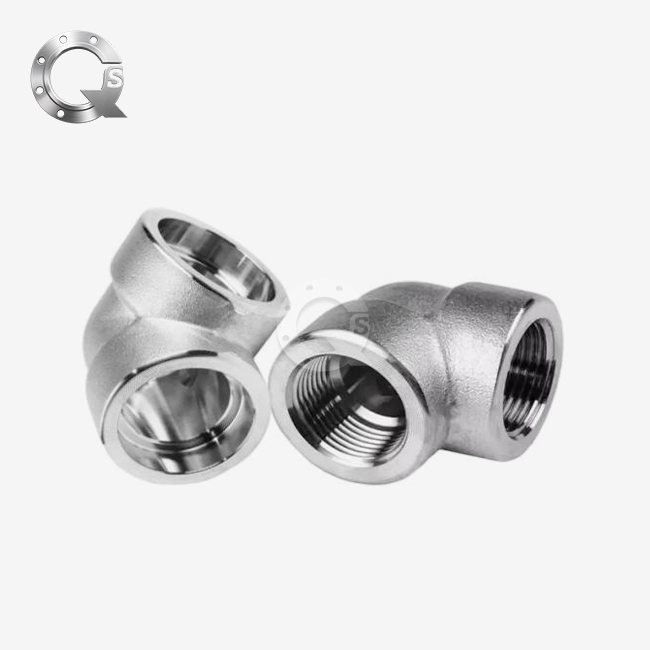
A complex engineering solution called the 180-degree elbow pipe fitting changes the direction of fluid flow by 180 degrees by directing it through a full half-circle bend. Standard 90-degree elbows change the flow direction at a right angle. These parts, on the other hand, make a U-shaped path that lets pipe systems double back on themselves with very little room. Because of their unique shape, they are essential in situations where saving room and keeping the flow going are very important.
Industrial Applications Across Key Sectors
The usefulness of 180-degree return turns can be seen in many different industries, each with its own specific needs for operation and performance. In oil and gas facilities, these fittings make it easier to make heating coils and cooling loops, which are needed to keep working equipment at the right temperature. They are used in reactor systems at chemical processing plants to keep the quality of the products and workers safe. Precise flow control and material compatibility are very important in these systems.
In water treatment plants, 180-degree elbows are used in filtration systems and delivery networks. Being able to make small pipe arrangements helps improve facility plans while keeping hydraulic efficiency high. These parts are useful for HVAC systems because they help with heat exchanger setups and air handling units, which often need to have tight pipe arrangements that don't affect how air flows.
Standards Compliance and Dimensional Requirements
Following set industry standards makes sure that products can be used in all global areas and are reliable. The ASME B16.9 standards set the size limits, pressure limits, and material requirements for butt-welding fittings. These standards make sure that the quality is always the same and that the fittings can be used with other fittings. The ASTM standards spell out the chemical make-up and mechanical features of materials, while ISO certifications make sure that products can be used in different countries and that the quality is high.
Along with important factors like wall thickness schedules from SCH5s to SCH160, pressure rates for uses up to 10,000 PSI, and temperature ranges from -50°C to +450°C, these standards give important information. Dimensional precision within ±1.5% error makes sure that everything fits correctly during installation and keeps the system's integrity during use.
Materials, Types, and Design Variations
Material Selection for Optimal Performance
Choosing the right materials has a direct effect on how long 180-degree elbow fits last and how well they work in harsh industrial settings. For general-use purposes, carbon steel types like A234 WPB are very strong and cost-effective. Specialized alloys like A234 WP11 and WP22, on the other hand, are better at handling high temperatures, which is important in power generation and petrochemical processing.

Stainless steel types like A403 WP304, WP316, and WP321 for a 180 Deg elbow are better at resisting rust in chemical processes and food-grade settings. The chromium and nickel in these metals make an oxide layer that protects them from breaking down in surroundings that are acidic or alkaline. Duplex stainless steels, such as UNS 31803 and others, blend the best features of austenitic and ferritic structures. They are very strong and don't rust, making them ideal for use in coastal and offshore environments.
A420 WPL6 material is good for low-temperature service uses because it is made to stay flexible and resistant to impact at temperatures below zero, which are common in cold systems and arctic installations.
Manufacturing Methods and Their Implications
Whether 180-degree elbows are smooth or bonded has a big impact on how well they work and what kinds of jobs they can be used for. Since seamless fittings are made from solid billets using hot forming techniques, they don't have any weld gaps that could break under high pressure or cycle loading. This way of building gives better power uniformity and lowers the chance of stress concentration spots.
Welded elbows, which are made by shaping and bonding plate or pipe materials together, are cheaper for bigger diameter applications and are strong enough for most industrial uses. Modern welding methods and heat treatment processes after the weld make sure that the joint strength meets high quality standards.
Radius Variations and Flow Characteristics
The difference between long radius and short radius shapes changes how much room is needed and how well hydraulics work in pipe systems. Long radius elbows, which have a centerline radius that is 1.5 times the standard pipe diameter, make flow changes smoother, which lowers pressure drop and erosion caused by turbulence. This setup works especially well in high-speed situations or when working with rough materials.
When space is limited, short radius options with centerline radii equal to the standard pipe diameter are better for fitting because they take up less room. Even though they lose more pressure because the flow changes more quickly, they can still be used in low-velocity situations or when room is more important than hydraulic efficiency.
Selecting the Right 180Deg Elbow for Your Application
Performance Criteria Evaluation
To successfully buy 180-degree elbows, you need to carefully consider all the practical factors that have a direct effect on the performance of the parts and the stability of the whole system. When setting the pressure, you need to think about both steady-state conditions and possible sudden events, like water hammer or heat expansion. When thinking about temperature, you should not only think about regular working ranges, but also starting, shutdown, and emergency situations that may put extra thermal stresses on the system.
Corrosion resistance testing includes looking at the chemicals in the process media, such as the pH level, the amount of chloride present, and any reactive agents that might speed up the breakdown of materials. Environmental factors like exposure to the air, the state of the land, and earthquakes also affect the choice of materials and the needs for design.
System Compatibility and Integration
To make sure the new pipes work with the old ones, you need to think carefully about how to connect them with a 180Deg elbow, the right sizes, and whether the materials will react with each other to stop galvanic rust. Butt-welding end connections that meet ASME B16.25 standards make the hardest and most leak-proof parts that can be used in high-pressure situations. The curved ends make it easier to prepare and penetrate the weld, which makes sure that the joint strength is higher than that of the base pipe material.
Dimensional compatibility is more than just matching sizes. It also takes into account things like wall thickness, bevel angles, and total length needs, all of which affect how pipes are supported and how they handle heat expansion. Checking the suitability of materials stops galvanic pairs from forming, which could speed up corrosion at connection places.
Supplier Assessment and Quality Assurance
If you want to choose a reliable provider, you need to check their producing skills, quality systems, and compliance with industry standards. Getting ISO 9001 certification shows that you are dedicated to quality management systems. Other certifications, like API, NACE MR0175, and PED approval, show that you are an expert in important applications.
Material traceability paperwork, such as mill test certificates and heat treatment records, is needed to confirm the chemical make-up and mechanical qualities of a material. Third-party checking services and the ability to try products in front of a witness show that you trust the quality of the product. Lead time management and the ability to work with a global supply chain make sure that projects stay on schedule and that buying risks are kept to a minimum.
Installation, Maintenance, and Best Practices
Installation Guidelines and Safety Considerations
To make sure that 180-degree elbows are installed correctly and safely, they must be welded according to set processes and safety rules. An check before fitting should make sure that the dimensions are correct, the surface is in good shape, and there are no flaws that could weaken the joint. During building, contamination and damage can be avoided by following the right storage and handling methods.
Welding methods must follow qualified welding procedure standards (WPS), which include rules for how to preheat the materials, how hot they can get between passes, and how they should be heated after the welding process. The right fit-up keeps the root holes at the right size and makes sure that the joint goes all the way through. The backing gas standards keep corrosion-resistant materials from oxidizing.
Maintenance Protocols and Performance Monitoring
External and internal state tracking should be a part of routine inspection programs so that problems are found before they damage the integrity of the system. Visual inspection techniques identify external rust, mechanical damage, and support system degradation that could cause too much stress or alignment issues.
Ultrasonic thickness measuring, radiographic examination, and magnetic particle inspection for a 180 Deg elbow are all non-destructive testing methods that can give you a full picture of the state of a material and its structural integrity. Monitoring corrosion by measuring the thickness of the metal on a regular basis helps figure out how much service life is left and leads choices about when to do maintenance.
Troubleshooting and Performance Optimization
Erosion and corrosion at high-velocity spots, thermal wear from cycle temperatures, and mechanical damage from poor support or too much vibration are all common problems that can affect the performance of 180 Deg elbow. Most of the time, erosion-corrosion shows up as thinned walls around the edges where flow meets pressure, especially in slurry or high-speed gas uses.
Thermal wear happens when the fitting and the pipes next to it are stressed over and over again as they expand and contract. The right placement of the expansion joint and shape of the support help to reduce these pressures and make the part last longer. Vibration-induced fatigue can be fixed by making the supports better, adding damping systems, or changing the working settings to stay away from resonant frequencies.
Company Introduction & Solutions Overview
QinSteel's Engineering Excellence
In the world of industrial pipe solutions, QinSteel is the leader. They have twenty years of experience making high-quality 180-degree elbow fits that meet the strictest global industry standards. Our wide range of products includes both seamless and welded designs in sizes from ½" to 48". They are made from high-quality materials like A234 WPB carbon steel, A403 WP316 stainless steel, and modern duplex metals like UNS 31803.
Our precision-engineered parts go through strict quality control steps, such as checking their dimensions within a 1.5% error, being tested for hydraulic pressure, and getting full material certification. Each fitting goes through an X-ray check to make sure the weld is solid and an ASTM G48 rust resistance test to make sure it will last for a long time in a variety of industrial settings.
Customization Capabilities and Technical Support
In addition to selling standard products, QinSteel is great at making custom solutions through our full OEM/ODM services. Our engineering team works closely with clients to create custom standards that meet their specific practical needs. These can include anything from special alloy compositions to changed geometries that make the flow better for certain uses.
Our expert support covers the whole process of buying and putting something in place, from coming up with the initial specifications to helping with installation and keeping an eye on how it's working over time. This way of working together makes sure that the best parts are chosen and that the application works well. It also helps build long-lasting relationships with clients in the oil and gas, chemical processing, power generation, and water treatment industries.
Global Supply Chain Excellence
QinSteel's planned approach to supply chain management makes sure that products are always available and that they are delivered quickly so that important project deadlines can be met. Our global inventory network, which is carefully placed in key industrial areas, keeps a lot of stock on hand to meet both regular purchases and sudden replacement needs.
Quality certificates like ISO 9001, CE, API, and NACE MR0175 show that we are dedicated to quality and following all regulations in foreign markets. Our full range of packing and logistics services ensures damage-free delivery through three-layer safety systems made to keep products' integrity while they are shipped and stored around the world.
Conclusion
The strategic selection and implementation of 180Deg elbow significantly impact the performance, reliability, and operational efficiency of industrial pipe systems in a wide range of industries. When procurement workers and engineers know about the important design factors, material choices, and application needs, they can make decisions that improve system performance and guarantee long-term operating success. QinSteel offers a wide range of precision-engineered solutions, backed by strict quality control and technical know-how. These solutions build a solid basis for pipe infrastructure that can handle the tough conditions of today's industrial settings.
FAQ
What are the key differences between seamless and welded 180-degree elbows?
Seamless 180-degree elbows are made from solid billets using hot forming techniques. This means that there are no weld gaps and the strength is equal throughout. This design makes it more reliable when there is high pressure, high temperature, or repetitive loading. When the right welding steps are taken, welded elbows can be made from plate or pipe materials with longitudinal welds that make them cheaper for bigger sizes while still being strong enough for most uses.
How do I select the appropriate material for corrosive environments?
When choosing materials for acidic settings, you need to look at the chemical make-up, temperature, and concentration levels of the process media. Some types of stainless steel, like 316L, are very resistant to chloride conditions. Duplex stainless steels, on the other hand, work better in high-chloride, high-temperature situations. For very harsh situations with strong acids or oxidizing substances, you might need special metals like Hastelloy or Inconel.
What are typical lead times for custom 180-degree elbow sizes?
Standard-sized 180-degree elbows from our stock usually get sent out within 7 to 10 business days. Custom specs that need unique materials, measurements, or certifications usually take 3–4 weeks to make and check for quality. Most of the time, expedited processing can handle rush orders for important purposes, but there may be extra costs for faster production plans.
Get Premium 180Deg Elbow Solutions from QinSteel
Precision-engineered 180-degree elbows from QinSteel are the most reliable parts for your most important pipe jobs. We are a reliable 180Deg elbow maker with global certifications and a wide range of material choices. We offer smooth purchasing solutions from the initial design to delivery. Email our technical experts at info@sxqinsteel.com to talk about your unique needs and get quotes from other companies. Through our sample service program, you can experience the QinSteel edge and learn why leaders in the industry choose our better piping solutions for their toughest projects all over the world.

References
American Society of Mechanical Engineers. "ASME B16.9 - Factory-Made Wrought Buttwelding Fittings." ASME International Standards, 2018.
ASTM International. "ASTM A234 Standard Specification for Piping Fittings of Wrought Carbon Steel and Alloy Steel for Moderate and High Temperature Service." Annual Book of ASTM Standards, 2019.
Petroleum Equipment Institute. "Piping Design and Engineering Guidelines for Oil and Gas Facilities." PEI Technical Publication Series, 2020.
Industrial Piping Engineering Handbook. "Materials Selection and Application Guide for Process Piping Systems." McGraw-Hill Professional, 2021.
National Association of Corrosion Engineers. "NACE MR0175 - Petroleum and Natural Gas Industries Materials for Use in H2S-Containing Environments." NACE International Standards, 2020.
Process Industry Practices. "Piping Material Specifications and Standards for Chemical Processing Applications." PIP Guidelines Manual, 2019.
Learn about our latest products and discounts through SMS or email