- English
- French
- German
- Portuguese
- Spanish
- Russian
- Japanese
- Korean
- Arabic
- Greek
- German
- Turkish
- Italian
- Danish
- Romanian
- Indonesian
- Czech
- Afrikaans
- Swedish
- Polish
- Basque
- Catalan
- Esperanto
- Hindi
- Lao
- Albanian
- Amharic
- Armenian
- Azerbaijani
- Belarusian
- Bengali
- Bosnian
- Bulgarian
- Cebuano
- Chichewa
- Corsican
- Croatian
- Dutch
- Estonian
- Filipino
- Finnish
- Frisian
- Galician
- Georgian
- Gujarati
- Haitian
- Hausa
- Hawaiian
- Hebrew
- Hmong
- Hungarian
- Icelandic
- Igbo
- Javanese
- Kannada
- Kazakh
- Khmer
- Kurdish
- Kyrgyz
- Latin
- Latvian
- Lithuanian
- Luxembou..
- Macedonian
- Malagasy
- Malay
- Malayalam
- Maltese
- Maori
- Marathi
- Mongolian
- Burmese
- Nepali
- Norwegian
- Pashto
- Persian
- Punjabi
- Serbian
- Sesotho
- Sinhala
- Slovak
- Slovenian
- Somali
- Samoan
- Scots Gaelic
- Shona
- Sindhi
- Sundanese
- Swahili
- Tajik
- Tamil
- Telugu
- Thai
- Ukrainian
- Urdu
- Uzbek
- Vietnamese
- Welsh
- Xhosa
- Yiddish
- Yoruba
- Zulu
Why MSS SP 83 Unions Are Used in Maintenance-Friendly Systems?
Jul 30 2026
Because they allow for quick disconnections without turning the pipe, Union MSS SP 83 fittings are essential parts of plumbing systems that are easy to maintain. The three-piece design makes it easy for technicians to quickly take connections apart for regular maintenance, repairs, or system changes. Traditional flanged connections need bolts to be taken off and gaskets to be replaced. These specialized unions, on the other hand, make servicing easier while keeping pressure integrity and leak-proof performance in tough industrial settings.
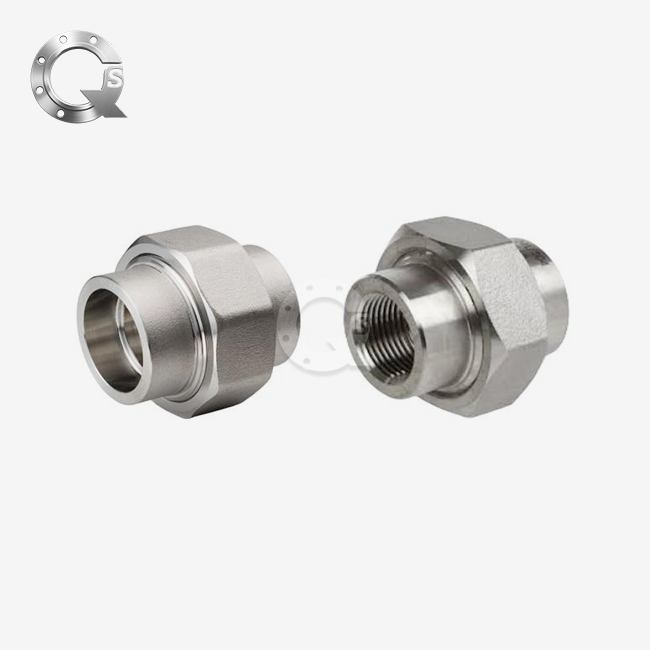
Understanding MSS SP 83 Unions: Specifications and Standards
When it comes to industrial plumbing, the MSS SP 83 standard sets out detailed rules for how pipe unions should be designed, what materials they should be made of, and what sizes they need to be. This guideline includes important details like pressure ratings, temperature limits, and material composition standards that make sure installations around the world work the same way.
Material Specifications and Pressure Ratings
Our union MSS SP 83 fittings are made from high-quality materials, such as A105 carbon steel, A350 LF2 low-temperature steel, and metals that don't rust, like A182 F304/316 stainless steel. These materials are very durable and can withstand temperatures from -20°F to 450°F (-29°C to 232°C). They can be used in a wide range of situations, such as in chemical processing, power generation, and oil and gas.
The standard sets pressure ratings between 3000LB and 6000LB, which makes sure that the system works reliably even in the harshest circumstances. Sizes from 1/8" to 3" can fit different types of pipes while keeping the structure strong and making links that won't leak.
Connection Types and Installation Flexibility
MSS SP 83 unions can be connected in two ways: socket weld or threaded. This makes installation flexible for a range of pipe systems. Socket weld connections are stronger for high-pressure uses, while threaded connections are easier to install quickly without the need for special welding tools. This two-option design works for a range of repair situations and project needs.
Why MSS SP 83 Unions Are Preferred in Maintenance-Friendly Systems?
During upkeep, traditional flanged connections are hard to work on because they have complicated bolt patterns, need gasket replacement, and could have alignment problems. These problems often make downtime longer and raise the cost of work during regular maintenance.
Rapid Assembly and Disassembly Benefits
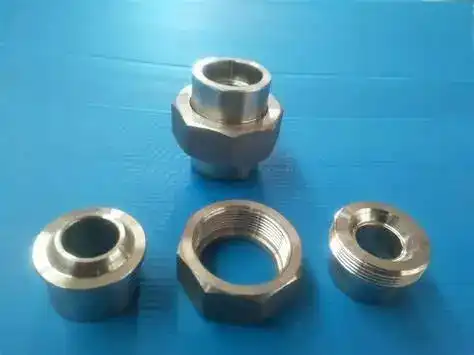
The three-piece union design makes upkeep much more efficient by getting rid of the need to rotate pipes when connecting and disconnecting them. Maintenance teams can quickly get to system parts without disturbing pipes or tools that are nearby. This design benefit is especially useful in small areas where pipes can't move around freely.
In the real world, apps that cut down on maintenance windows save a lot of money. When compared to standard flanged connections, these specialized unions cut routine maintenance time by 40 to 60 percent in chemical processing plants. When power companies do maintenance on their turbines and boilers, they get similar benefits.
Enhanced Operational Uptime
Systems that are easy to maintain and use these unions keep output from stopping by making servicing easier. Being able to quickly disconnect piping connections speeds up the process of getting to equipment, replacing parts, and checking the system. Scheduled downtime is cut down at manufacturing sites while operational safety standards are kept high.
MSS SP 83 Unions Compared to Other Standards: What Procurement Managers Should Know
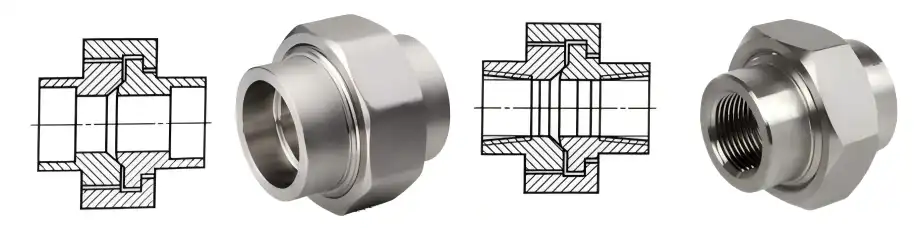
Knowing the differences between MSS SP 83 and other standards like MSS SP 75, ANSI B16.5, and ASME specifications helps you choose the best product for each job. Each standard covers a different range of pressures, material needs, and size differences that affect how well and how compatible systems work together.
Technical Specifications Comparison
When compared to standard ANSI B16.5 flanged connections, MSS SP 83 unions are easier to maintain. When you want to disconnect a flanged system, you have to take out all the bolts and change the gasket. But with a union-based connection, you can quickly disconnect it by rotating it. This basic difference in design leads to measured gains in maintenance efficiency.
Another important thing to think about is how well the materials will work together. Our MSS SP 83 unions are made from materials that meet or go beyond ASTM standards. This means that they can be used with current pipe systems and offer better resistance to corrosion and temperature stability.
Application-Specific Selection Guidelines
Chemical processing uses stainless steel types (F304/316) that don't rust when exposed to acidic media. For cost-effectiveness and dependability, A105 carbon steel options are often used in oil and gas systems. For low-temperature service, power production systems often call for A350 LF2 materials.
Sourcing MSS SP 83 Unions: Procurement Insights and Best Practices
To find good suppliers, you need to carefully look at their manufacturing skills, quality certifications, and technical help resources. Procurement tactics that work focus on checking suppliers, tracking materials, and making sure deliveries happen on time.
Supplier Certification and Quality Assurance
Manufacturers with a good reputation keep their ISO 9001 quality management systems up to date and provide full material test results (EN 10204 3.1/3.2). According to ASME B16.11 standards, we test our products using hydrostatic and pneumatic methods during the manufacturing process. This makes sure that the products are reliable and work consistently.
Global compliance certifications, such as CE, UKCA, and PED, make it easy to buy things across borders while also meeting the rules in each area. These certifications cut down on project delays and make sure that all sites around the world follow the rules.
Strategic Procurement Considerations
Negotiating a bulk order can save you money and make sure you have enough inventory for the job. Keeping track of lead times is very important for planning projects, especially when using special types of materials or making custom shapes. Our large network of stocking locations lets us ship the same week to Europe, North America, and Asia, which helps us meet tight project deadlines.
Aside from supplying the product, technical support resources like engineering help and installation instructions that are available 24/7 add a lot of value. These services make sure that the right stuff is used and installed, and they also reduce the number of problems that could happen during system setup.
QinSteel's Commitment to Quality MSS SP 83 Solutions
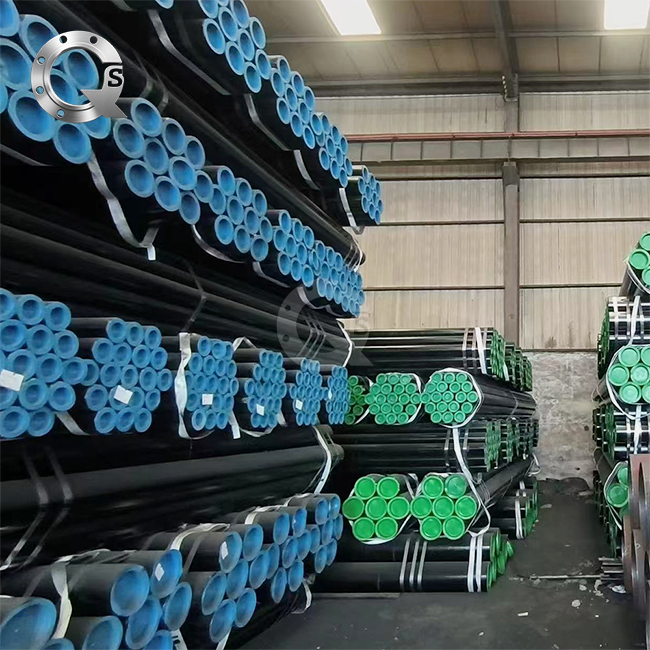
With 20 years of experience in the business, QinSteel has become a top supplier of flanges, pipe fittings, and pipeline systems, with customers in the Southeast Asian, African, and American continents. As always, we are committed to quality and dependability, and our wide range of products offers options for oil and gas, water supply, and industrial uses.
Advanced Manufacturing Capabilities
Our MSS SP 83 union production uses state-of-the-art manufacturing methods and strict quality control procedures. Each part goes through a lot of tests, such as measuring to make sure it fits correctly, looking at the materials it's made of, and putting it under pressure to make sure it meets international standards. Advanced metallurgical methods make sure that the properties of the material stay the same and that it works reliably over time.
Quality control goes all the way through our supply chain, from finding the raw materials to delivering the finished product. Material tracking systems keep full records of every part, meeting the quality standards of customers and the requirements of regulators.
Comprehensive Product Portfolio
We have union MSS SP 83s in all sizes, from 1/8" to 3", and they come in both socket weld and threaded options. For regular service, you can choose A105 carbon steel, for low-temperature uses, A350 LF2, and for corrosive environments, A182 F304/316 stainless steel. Pressure ratings of 3000LB and 6000LB can meet the needs of a wide range of industrial areas.
Customization options through OEM/ODM services let you make solutions that fit the needs of your specific application. Together with customers, our engineering team comes up with custom configurations, material requirements, or changes to dimensions that make setups work better.
Conclusion
MSS SP 83 unions represent essential components for maintenance-friendly piping systems across diverse industrial applications. Their three-piece design enables rapid assembly and disassembly without pipe rotation, significantly reducing maintenance time and operational disruptions. The combination of standardized specifications, material versatility, and pressure capabilities makes these unions ideal for oil and gas, chemical processing, power generation, and manufacturing applications. Selecting qualified suppliers with proven manufacturing capabilities and comprehensive support services ensures optimal performance and long-term reliability in critical piping installations.
FAQ
What materials are available for MSS SP 83 unions?
Our MSS SP 83 unions are manufactured from various high-quality materials including A105 carbon steel, A105N normalized carbon steel, A350 LF2 low-temperature steel, and corrosion-resistant alloys such as A182 F11, F22, F304, and F316 stainless steel. Material selection depends on operating temperature, pressure, and media compatibility requirements.
How do MSS SP 83 unions improve maintenance efficiency compared to flanged connections?
The three-piece design allows rapid disassembly without pipe rotation, eliminating complex bolt removal and gasket replacement procedures. This design reduces maintenance time by 40-60% compared to traditional flanged connections while maintaining pressure integrity and leak-proof performance.
What pressure and temperature ratings apply to these unions?
Our MSS SP 83 unions are rated for 3000LB and 6000LB pressure classes with temperature ranges from -20°F to 450°F (-29°C to 232°C), depending on material selection. These ratings accommodate demanding applications across oil and gas, chemical processing, and power generation industries.
Are samples available before placing bulk orders?
Yes, we provide sample services to enable product evaluation and testing before committing to larger orders. Sample availability ensures compatibility verification and performance validation for specific application requirements.
Contact QinSteel for Premium Union MSS SP 83 Solutions
QinSteel delivers precision-engineered union MSS SP 83 fittings that enhance maintenance efficiency while ensuring reliable performance across demanding industrial applications. Our extensive manufacturing experience, combined with comprehensive quality assurance and global supply chain capabilities, positions us as your trusted union MSS SP 83 supplier for critical piping projects. Contact our technical team at info@sxqinsteel.com to discuss your specific requirements and discover how our maintenance-friendly solutions can optimize your operational efficiency.

References
Manufacturers Standardization Society. "MSS SP-83: Steel Pipe Unions - Socket Welding and Threaded." MSS Standards Practice Manual, 2019.
American Society of Mechanical Engineers. "ASME B16.11: Forged Fittings, Socket-Welding and Threaded." ASME Boiler and Pressure Vessel Code, 2021.
British Standards Institution. "BS 3799: Steel Pipe Fittings for the Petroleum Industry." British Standard Specification, 2020.
Industrial Piping Solutions Journal. "Maintenance Efficiency in Chemical Processing: Union Fittings vs. Flanged Connections." Process Engineering Quarterly, Vol. 45, 2022.
Energy Infrastructure Review. "Reliability Assessment of High-Pressure Pipe Unions in Power Generation Applications." Power Systems Technology, Issue 3, 2023.
Oil and Gas Engineering Handbook. "Best Practices for Piping Component Selection in Upstream Operations." Petroleum Engineering Institute, Fourth Edition, 2022.
Learn about our latest products and discounts through SMS or email