- English
- French
- German
- Portuguese
- Spanish
- Russian
- Japanese
- Korean
- Arabic
- Greek
- German
- Turkish
- Italian
- Danish
- Romanian
- Indonesian
- Czech
- Afrikaans
- Swedish
- Polish
- Basque
- Catalan
- Esperanto
- Hindi
- Lao
- Albanian
- Amharic
- Armenian
- Azerbaijani
- Belarusian
- Bengali
- Bosnian
- Bulgarian
- Cebuano
- Chichewa
- Corsican
- Croatian
- Dutch
- Estonian
- Filipino
- Finnish
- Frisian
- Galician
- Georgian
- Gujarati
- Haitian
- Hausa
- Hawaiian
- Hebrew
- Hmong
- Hungarian
- Icelandic
- Igbo
- Javanese
- Kannada
- Kazakh
- Khmer
- Kurdish
- Kyrgyz
- Latin
- Latvian
- Lithuanian
- Luxembou..
- Macedonian
- Malagasy
- Malay
- Malayalam
- Maltese
- Maori
- Marathi
- Mongolian
- Burmese
- Nepali
- Norwegian
- Pashto
- Persian
- Punjabi
- Serbian
- Sesotho
- Sinhala
- Slovak
- Slovenian
- Somali
- Samoan
- Scots Gaelic
- Shona
- Sindhi
- Sundanese
- Swahili
- Tajik
- Tamil
- Telugu
- Thai
- Ukrainian
- Urdu
- Uzbek
- Vietnamese
- Welsh
- Xhosa
- Yiddish
- Yoruba
- Zulu
Material Selection for 180Deg Elbows in Cryogenic Service
Aug 3 2026
Choosing the right materials for 180Deg elbows in cryogenic applications is a big engineering choice that has a direct effect on the safety, efficiency, and long-term dependability of the system. Extreme temperatures as low as -196°C must not affect the structural stability or leak-proof performance of these special pipe fittings. When choosing a material, things like impact toughness, thermal expansion coefficients, and corrosion resistance must be taken into account to make sure it works well in harsh cryogenic conditions used in many industries.

Understanding the Role of 180Deg Elbows in Cryogenic Service
The basic shape of 180-degree elbow fits is very important for changing the flow of fluid in complicated networks of cryogenic pipelines. These parts make it possible to completely change the flow direction while keeping the system's pressure stable and reducing noise that could hurt its efficiency. Because they are strategically placed in LNG plants, chemical storage systems, and industrial gas distribution networks, they are necessary for safely and effectively handling cryogenic fluids.
Essential Functions in Cryogenic Applications
All of the parts in cryogenic systems have to be very reliable because they work in very cold temperatures. The 180Deg elbow has to be able to handle the large amount of thermal shrinkage that happens when systems cool from room temperature to cryogenic levels. This thermal cycling puts a lot of stress on pipe joints, so choosing the right materials and following the design specs are very important to keep them from breaking in terrible ways.
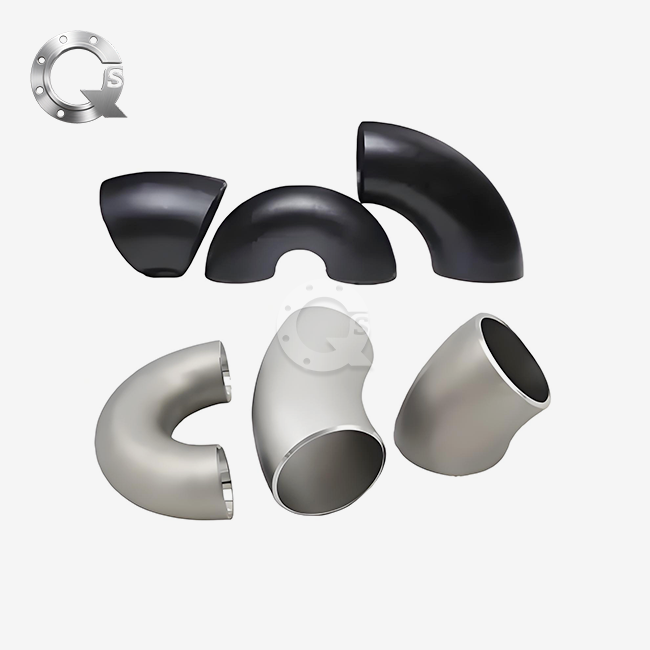
These elbows are used in modern cryogenic setups to get around tricky routing requirements while keeping the structure's integrity. Depending on the needs of the product, the different benefits of seamless or welded construction are different. For high-pressure cryogenic services, seamless designs are perfect because they are stronger and don't have any weak spots that can happen with weld joins.
Performance Criteria for Extreme Conditions
One of the most difficult performance standards for cryogenic pipe fittings is their ability to withstand sudden changes in temperature. The mechanical properties of materials must stay the same across the whole working temperature range, from room temperature to the temperature of liquid nitrogen. The 180Deg elbow design also has to account for the changes in volume that happen when the machine starts up and stops down.
Because of safety issues and the high value of cryogenic fluids, stopping leaks becomes a lot more important in these situations. Even small leaks can cause a lot of product to be wasted and put workers at risk in commercial settings. Quality 180 Deg elbow fittings have sides that are precisely machined and tight tolerances that make sure the seal works reliably for the whole system's life.
Critical Factors in Material Selection for Cryogenic 180Deg Elbows

Because of the special problems that cryogenic conditions bring, they have very different material needs than normal pipeline uses. When temperatures are very low, materials become much more brittle, which could cause catastrophic failure if the wrong metals are used. When procurement professionals understand these basic material science principles, they can make choices that protect both worker safety and the continuity of operations.
Material Properties at Cryogenic Temperatures
At cryogenic temperatures, stainless steel grades like 304L and 316L keep their great ductility and impact toughness, which makes them the best choice for many uses. These austenitic stainless steels have steady metallurgical structures that keep them from breaking easily, even when they are heated quickly. Because these grades don't have much carbon in them, carbides don't form, which could damage their mechanical qualities after being frozen for a long time.
Advanced materials, such as UNS 31803 duplex stainless steel, are stronger and tough enough for cold services that need to be done with great care. Because these alloys have both austenitic and ferritic microstructures, they have better mechanical qualities and are less likely to rust. Duplex alloys have a higher strength-to-weight ratio, which lets wall parts be thinner without lowering safety standards.
In the harshest cryogenic environments, where standard stainless steels may be pushing their limits, nickel-based alloys work exceptionally well. These special materials keep their mechanical qualities the same at very high and very low temperatures, and they are also much better at stopping stress corrosion cracking. But because nickel metals are more expensive, they need to be carefully looked at from an economic point of view to see if they are worth using in certain situations.
Standards Compliance and Quality Assurance
Following international standards like ASME B16.9 makes sure that measurements are correct and that the product will work reliably, which is important for cryogenic uses. These standards set basic requirements for the properties of materials, the ways they are made, and the tests that are done to make sure they are fit for service. Following the ASTM material specs gives you even more confidence that the chemical make-up and mechanical properties meet the standards.
As part of the certification process for cryogenic service components, they are put through specific tests at working temperatures to make sure they work as expected. Impact testing at very low temperatures proves that materials are still tough enough to avoid breaking easily. Pressure testing at both room temperature and working temperature confirms that the structure is strong under real-life service conditions.
Comparing Material Options for 180Deg Elbows in Cryogenic Service
To fully evaluate material alternatives, you have to weigh a lot of different performance standards against cost factors. To find the most cost-effective option, the selection process must take into account the initial cost of materials, the difficulty of fabrication, the need for maintenance, and the expected service life. Different types of materials have different pros and cons that need to be matched to the needs of the application, such as manufacturing and installing a 180Deg elbow in demanding industrial systems.
Stainless Steel Versus Carbon Steel Performance
Most of the time, austenitic stainless steels work better at low temperatures than carbon steel options in cryogenic settings. Austenitic metals have a face-centered cubic crystal structure that keeps their ductility and impact toughness at very low temperatures, while carbon steels become brittle and easily break. Because of this basic difference in how metals are made, stainless steel is the best choice for important cryogenic services.
In cryogenic applications that aren't too demanding and keep the temperature above key transition points, carbon steel materials like A420 WPL6 work fine. For large-scale projects where the higher cost of stainless steel might not be worth it, these materials are more cost-effective. Before deciding to use carbon steel in cryogenic service, however, it must be carefully looked at in terms of working conditions and safety requirements.
The ability of stainless steel alloys to prevent corrosion makes them even more useful in cryogenic settings where chemicals and moisture condensation can happen. Stainless steel keeps its protected oxide layer even when temperatures change, which means it won't rust over time. Cryogenic sites are more difficult to set up and keep up because carbon steel needs protective coatings or cathodic protection systems.
Seamless Versus Welded Construction Analysis
When used in cryogenic service, seamless elbow construction is better for structural stability because it gets rid of the weak spots that can happen with weld joints. The continuous grain structure of seamless fits makes the mechanical properties uniform and gets rid of heat-affected zones that might make the material less tough. This way of building is the best choice for high-pressure cold uses that need to keep safety as high as possible.
For lower-pressure uses, welded elbow fittings are more cost-effective than seamless ones because the extra cost of seamless construction is not justifiable. With today's welding methods and post-weld heat treatment methods, you can make high-quality welded parts that can handle cryogenic service. A radiographic study and impact testing of weld areas are usually needed, though, as extra quality control measures.
Because seamless processes can't make parts of all sizes, larger diameter uses may need to be welded. When pipe widths go beyond certain limits, seamless manufacturing becomes both technically difficult and cost-prohibitive. In these situations, welded construction using approved methods and trained welders can produce good results for cryogenic service.
Specialty Coatings and Surface Treatments
Cryogenic elbow fittings can work better in some situations where extra safety is needed thanks to advanced surface treatments. Electropolished surfaces are better at resisting rust and are easier to clean for use in sanitary settings. The smooth finish on the surface lowers the chance of corrosion in cracks and keeps contaminants from building up, which could affect the quality of the product.
Coatings made especially for cryogenic service can add extra thermal protection and slow down the flow of heat into the system. These coatings help keep things at cryogenic temperatures and make big installations use less energy. But the coating's ability to withstand temperature cycling needs to be carefully studied to make sure it works well in the long run.
Installation Guidelines and Best Practices for 180Deg Elbows in Cryogenic Systems

The safety and dependability of cryogenic 180 Deg elbow joints over their entire working life are directly affected by how they were installed. Extreme operating conditions in cryogenic service make the effects of mistakes in installation even worse, so following established procedures is important for system success. When planning before installation, it's important to think about how to handle materials, the environment, and safety rules that are specific to cryogenic uses.
Site Preparation and Safety Protocols
Because of the unique dangers that come with working with very cold fluids, cryogenic installation sites need special safety gear and emergency reaction plans. Personal safety equipment must be rated for exposure to cryogenic temperatures, and emergency showers should be easy to get to. Ventilation systems must keep displaced oxygen from building up, which could lead to asphyxiation risks in small areas.
Cryogenic parts must be handled in a way that keeps them from getting dirty or broken while they are being stored or installed. Carbon steel should not come into touch with stainless steel parts because it could cause galvanic corrosion. Using the right lifting and rigging methods keeps stress from building up in places where it could cause brittle materials to crack.
Welding and Joining Procedures
To make sure the joint stays together in the harshest conditions, qualified welding methods designed for cryogenic service are used. Preheating and controlling the temperature between passes stop fast cooling that could break down microstructures in the heat-affected zone. For some materials to get their mechanical qualities back to how they should be, a post-weld heat treatment may be needed.
In cryogenic situations, where thermal contraction makes any misalignment worse, joint preparation and fit-up tolerances become more important. Excessive stress concentrations that could cause early failure can be avoided by carefully controlling the dimensions during manufacturing and installation. Back-purging with an inert gas stops oxidation, which could make stainless steel less resistant to rust.
Before the system is turned on, the quality of the weld is checked by using radiographic and ultrasonic techniques to look at finished joints without damaging them. Using a liquid penetrant to look at the surface can find flaws that could get worse when the temperature changes. These quality control steps give you peace of mind about the soundness of the joints for the whole life of the system.
Maintenance and Inspection Requirements
Cryogenic systems need to have scheduled inspections that take into account the unique ways that they can fail when they are used at very high temperatures. A visual inspection can find surface cracks, rust, or mechanical damage that could make the system less reliable. Ultrasonic thickness readings keep track of how much wall is being worn away over time by erosion or corrosion.
When a system is working, thermal cycling creates fatigue loads that can cause cracks to start and spread. Based on working history and failure analysis data from similar installations, regular inspections should be set up at regular times. Vibration analysis and thermography are two predictive maintenance methods that can find problems before they become too big to fix.
Keeping records of inspection results and maintenance tasks is a good way to find problems that keep happening and find the best maintenance times. This historical information backs up reliability-centered maintenance plans that keep equipment available as much as possible while keeping costs low. Trend analysis can help with managing extra parts inventories and figuring out when to replace parts.
Conclusion
Material selection for 180Deg elbows in cryogenic service demands careful consideration of metallurgical properties, operating conditions, and economic factors to ensure optimal system performance. Austenitic stainless steels provide the best combination of mechanical properties and corrosion resistance for most cryogenic applications, while specialized alloys may be required for the most demanding services. Seamless construction offers superior reliability but welded alternatives can provide acceptable performance in appropriate applications. Proper installation procedures and ongoing maintenance programs maximize component life and system safety. Strategic procurement partnerships with qualified suppliers ensure access to technical expertise and quality products that meet the demanding requirements of cryogenic service.
FAQ
What materials are best suited for 180Deg elbows in cryogenic applications?
Austenitic stainless steels such as 304L and 316L represent the most widely used materials for cryogenic elbow applications due to their excellent low-temperature toughness and corrosion resistance. These materials maintain ductility at temperatures down to -196°C and resist brittle fracture under thermal shock conditions. For more demanding applications, duplex stainless steels like UNS 31803 offer higher strength characteristics while maintaining adequate toughness for cryogenic service.
How do pressure ratings affect elbow selection for cryogenic systems?
Pressure ratings must account for both design pressure and the additional stresses imposed by thermal cycling in cryogenic service. Wall thickness selections typically follow ASME B16.9 standards, with options ranging from Schedule 5S for low-pressure applications to Schedule XXS for high-pressure systems. The combination of internal pressure and thermal stress requires careful analysis to prevent overstressing of the elbow fitting during operation.
What are the advantages of 180-degree elbows compared to U-bend fittings in cryogenic systems?
The 180Deg elbow design provides more compact installation compared to equivalent U-bend configurations while offering better flow characteristics and reduced pressure drop. Elbows can be positioned closer to equipment and structures, reducing space requirements and supporting steel costs. The welded connection points of elbows also enable easier inspection and maintenance compared to continuous U-bend sections that may have limited access for examination.
Ready to Source Premium 180Deg Elbows for Your Cryogenic Project?
QinSteel delivers precision-engineered 180Deg elbow solutions designed specifically for demanding cryogenic applications across oil & gas, petrochemical, and industrial processing sectors. Our ASME B16.9 compliant fittings feature materials ranging from A420 WPL6 low-temperature carbon steel to premium duplex stainless steels, ensuring optimal performance in extreme service conditions. Contact our technical team at info@sxqinsteel.com to discuss your specific requirements and receive expert guidance on material selection, sizing, and custom manufacturing options. As a trusted 180Deg elbow manufacturer with over two decades of industry experience, we provide comprehensive support from initial specification through delivery and installation assistance.

References
American Society of Mechanical Engineers. "ASME B16.9 Factory-Made Wrought Buttwelding Fittings." New York: ASME Press, 2018.
Barron, Randall F. "Cryogenic Systems Engineering." Oxford: Oxford University Press, 2017.
Davis, Joseph R. "Stainless Steels: Properties and Selection." Materials Park, OH: ASM International, 2019.
Flynn, Thomas M. "Cryogenic Process Engineering." New York: Plenum Press, 2018.
Guyer, Eric C. "Piping Systems for Cryogenic Applications." Chemical Engineering Progress, Vol. 114, No. 8, 2020.
Reed, Richard P. and Clark, Alan F. "Materials at Low Temperatures." Materials Park, OH: ASM International, 2016.
Learn about our latest products and discounts through SMS or email