Understanding ASME B16.9 Seamless Fittings for High-Pressure Applications
What are ASME B16.9 Seamless Fittings?
ASME B16.9 seamless fittings are precision-engineered components designed to meet the stringent requirements of the American Society of Mechanical Engineers (ASME) B16.9 standard. These fittings are manufactured from a single piece of metal without any welded joints, resulting in a uniform structure that can withstand high pressures and temperatures. The seamless construction eliminates potential weak points and reduces the risk of material failure under extreme conditions.
Seamless fittings come in various shapes and sizes, including elbows, tees, reducers, and caps. They are typically made from high-quality materials such as carbon steel, stainless steel, or alloy steel, depending on the specific application requirements. The manufacturing process involves forging or hot-forming techniques, which ensure consistent wall thickness and superior mechanical properties throughout the fitting.
Benefits of Seamless Fittings in High-Pressure Gas Pipelines
Seamless fittings offer several advantages when used in high-pressure gas pipelines:
- Enhanced Strength: The absence of welded joints provides superior structural integrity and resistance to pressure-induced stresses.
- Improved Safety: Seamless construction minimizes the risk of leaks and failures, enhancing overall system safety.
- Longer Lifespan: The uniform structure of seamless fittings contributes to extended service life and reduced maintenance requirements.
- Better Flow Characteristics: Smooth internal surfaces promote efficient gas flow and reduce pressure drops across the fitting.
- Corrosion Resistance: Seamless fittings often exhibit better resistance to corrosion compared to welded alternatives.
Key Considerations for Selecting ASME B16.9 Seamless Fittings
When choosing ASME B16.9 seamless fittings for high-pressure gas pipelines, consider the following factors:
- Material Selection: Choose materials compatible with the gas being transported and capable of withstanding the operating conditions.
- Pressure Rating: Ensure the fitting's pressure class meets or exceeds the maximum operating pressure of the pipeline system.
- Temperature Range: Verify that the fitting can perform reliably within the expected temperature range of the application.
- Dimensional Accuracy: Confirm that the fittings meet the dimensional requirements specified in the ASME B16.9 standard.
- Quality Certifications: Look for fittings that have undergone rigorous testing and carry appropriate quality certifications.
Types of ASME B16.9 Seamless Fittings for High-Pressure Gas Pipelines
Seamless Elbows: Ensuring Smooth Flow in Directional Changes
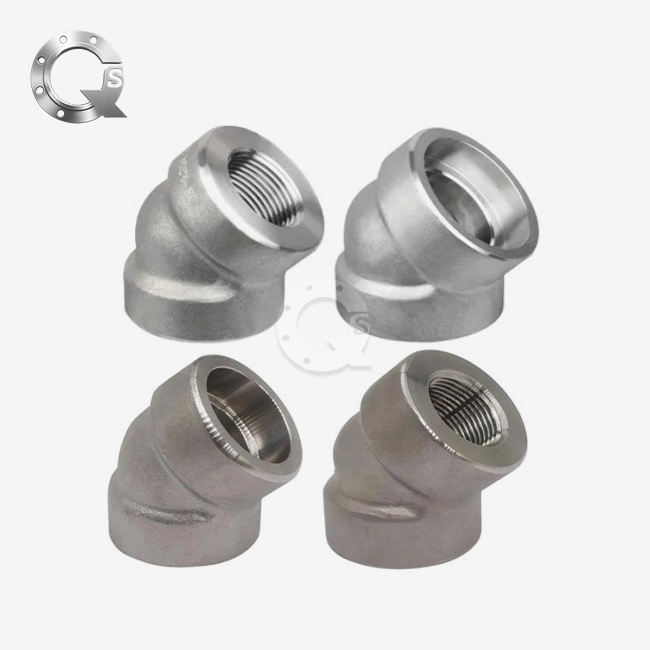
Seamless elbows are essential components in high-pressure gas pipelines, facilitating smooth directional changes while maintaining system integrity. These fittings are available in various angles, typically 45° and 90°, to accommodate different pipeline layouts. The seamless construction of these elbows ensures uniform wall thickness and eliminates weak points that could compromise the system under high pressures.
Key features of seamless elbows for high-pressure gas applications include:
- Long Radius (LR) and Short Radius (SR) options to suit different space constraints and flow requirements
- Consistent wall thickness throughout the bend, minimizing stress concentration areas
- Smooth internal surface finish to reduce turbulence and pressure drop
- High resistance to erosion and corrosion, especially in sour gas environments
Seamless Tees: Efficient Branch Connections in High-Pressure Systems
ASME B16.9 seamless fitting tees play a crucial role in high-pressure gas pipelines by allowing the creation of branch connections without compromising system integrity. These fittings are manufactured from a single piece of material, ensuring uniform strength and eliminating potential failure points associated with welded joints.
Important characteristics of seamless tees for high-pressure gas applications include:
- Equal and reducing tee configurations to accommodate various pipe sizes
- Reinforced branch connections to withstand high internal pressures
- Optimized flow profiles to minimize turbulence and pressure losses
- Enhanced resistance to fatigue and stress cracking compared to welded alternatives
Other Critical Seamless Fittings for High-Pressure Gas Pipelines
In addition to elbows and tees, several other types of seamless fittings are essential for creating robust high-pressure gas pipeline systems:
- Seamless Reducers: These fittings allow for smooth transitions between pipes of different diameters, maintaining system integrity and flow efficiency.
- Seamless Caps: Used to seal off pipe ends, seamless caps provide a secure and leak-free closure for high-pressure systems.
- Seamless Crosses: These fittings enable the creation of four-way connections in complex pipeline layouts, offering superior strength compared to welded alternatives.
- Seamless Laterals: Designed for branch connections at angles other than 90°, seamless laterals provide flexibility in pipeline routing while maintaining system integrity.
Best Practices for Implementing ASME B16.9 Seamless Fittings in High-Pressure Gas Pipelines
Proper Installation Techniques for Seamless Fittings
Ensuring the correct installation of ASME B16.9 seamless fittings is crucial for maintaining the integrity and safety of high-pressure gas pipelines. Proper installation techniques include:
- Thorough Inspection: Before installation, carefully examine each fitting for any defects, damage, or inconsistencies in wall thickness.
- Precise Alignment: Ensure accurate alignment of fittings with connecting pipes to prevent stress concentrations and potential leaks.
- Appropriate Welding Procedures: Use qualified welders and follow approved welding procedures specific to the fitting material and pipeline requirements.
- Post-Weld Heat Treatment: When required, perform proper post-weld heat treatment to relieve residual stresses and maintain the fitting's structural integrity.
- Non-Destructive Testing: Conduct appropriate non-destructive tests, such as radiography or ultrasonic testing, to verify the quality of welds and overall fitting integrity.
Maintenance and Inspection Protocols for Long-Term Performance
To ensure the continued safe and efficient operation of high-pressure gas pipelines fitted with ASME B16.9 seamless components, implement the following maintenance and inspection protocols:
- Regular Visual Inspections: Conduct routine visual examinations to identify any signs of external corrosion, damage, or distortion.
- Periodic Non-Destructive Testing: Perform scheduled non-destructive tests to assess the internal condition of fittings and detect potential issues before they escalate.
- Corrosion Monitoring: Implement appropriate corrosion monitoring techniques, such as ultrasonic thickness measurements or intelligent pigging, to track wall thickness over time.
- Pressure Testing: Conduct periodic hydrostatic or pneumatic pressure tests to verify the system's integrity and identify any leaks or weak points.
- Documentation and Record-Keeping: Maintain detailed records of all inspections, tests, and maintenance activities for each fitting to track performance trends and inform future decision-making.
Compliance with Industry Standards and Regulations
Adhering to relevant industry standards and regulations is essential when implementing ASME B16.9 seamless fittings in high-pressure gas pipelines. Key considerations include:
- ASME B31.8 Compliance: Ensure that the design, installation, and operation of the pipeline system comply with the requirements of ASME B31.8 for gas transmission and distribution piping systems.
- Material Traceability: Maintain comprehensive documentation of material certifications and test reports for all fittings used in the pipeline system.
- Quality Management Systems: Implement and maintain a robust quality management system that aligns with industry standards such as API Specification Q1 or ISO 9001.
- Operator Qualification: Ensure that all personnel involved in the installation, inspection, and maintenance of seamless fittings are properly trained and qualified according to applicable regulations.
- Continuous Improvement: Regularly review and update procedures based on industry best practices, technological advancements, and lessons learned from operational experience.
Conclusion
ASME B16.9 seamless fittings, particularly elbows and tees, are the optimal choice for high-pressure gas pipelines due to their superior strength, reliability, and safety features. Their seamless construction eliminates weak points, enhances pressure resistance, and minimizes leakage risks. By carefully selecting, properly installing, and diligently maintaining these fittings, operators can ensure the long-term integrity and efficiency of their high-pressure gas pipeline systems. Adhering to industry standards and best practices throughout the lifecycle of these components is crucial for maximizing performance and safety in demanding gas transportation applications.
FAQs
Why are seamless fittings preferred for high-pressure gas pipelines?
Seamless fittings are preferred due to their uniform structure, which eliminates weak points and provides superior strength and pressure resistance compared to welded alternatives.
What materials are commonly used for ASME B16.9 seamless fittings in gas pipelines?
Common materials include carbon steel, stainless steel, and alloy steel, chosen based on specific application requirements and operating conditions.
How do I ensure the quality of ASME B16.9 seamless fittings?
Look for fittings that meet ASME B16.9 dimensional standards, have undergone rigorous testing, and carry appropriate quality certifications from reputable manufacturers.
High-Quality ASME B16.9 Seamless Fittings for Your Gas Pipeline Projects | QinSteel
As a leading manufacturer and supplier of ASME B16.9 seamless fittings, QinSteel offers a comprehensive range of high-quality components for your high-pressure gas pipeline projects. Our expertly crafted seamless elbows, tees, and other fittings are designed to meet the most demanding industry standards, ensuring optimal performance and safety in your applications. With our commitment to quality and customer satisfaction, we provide reliable solutions backed by years of experience. Contact us today at info@sxqinsteel.com to discuss your specific requirements and discover how our products can enhance your pipeline systems.
References
American Society of Mechanical Engineers. (2018). ASME B16.9-2018: Factory-Made Wrought Buttwelding Fittings.
Nayyar, M. L. (2000). Piping Handbook (7th ed.). McGraw-Hill Education.
American Petroleum Institute. (2013). API Specification 5L: Specification for Line Pipe.
Antaki, G. A. (2003). Piping and Pipeline Engineering: Design, Construction, Maintenance, Integrity, and Repair. CRC Press.
American Society of Mechanical Engineers. (2020). ASME B31.8: Gas Transmission and Distribution Piping Systems.
Smith, P. (2015). Piping Materials Guide: Selection and Applications. Elsevier.