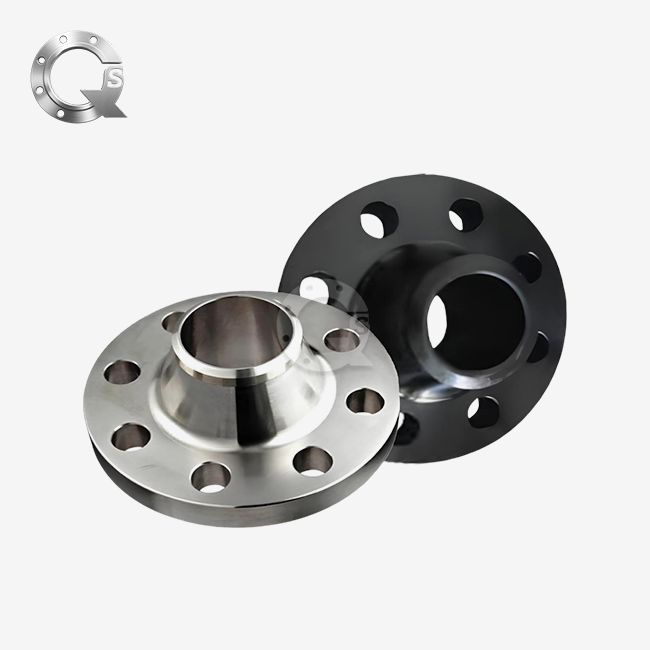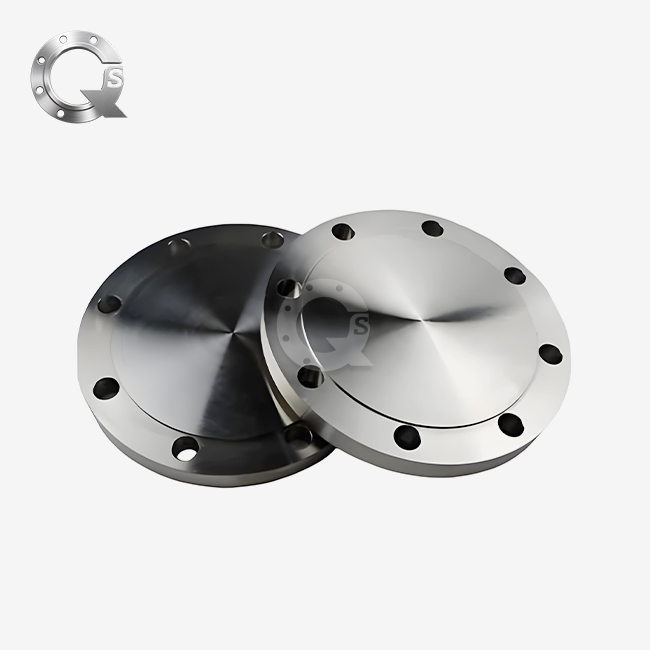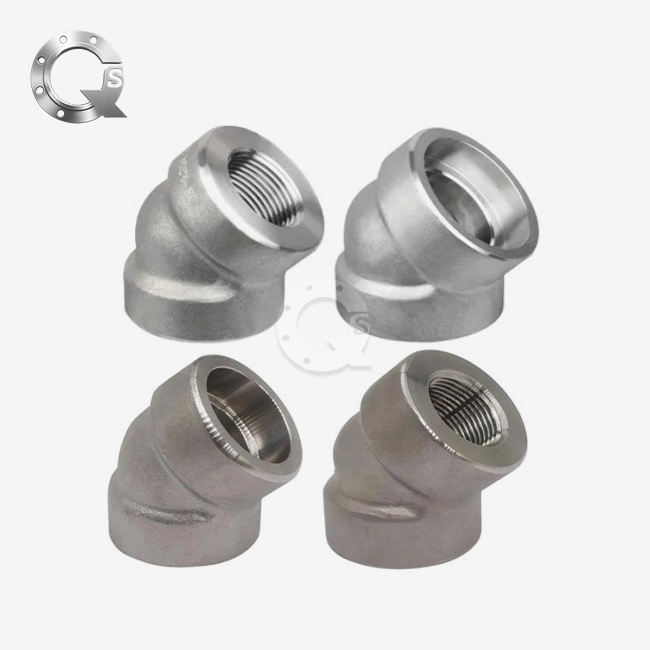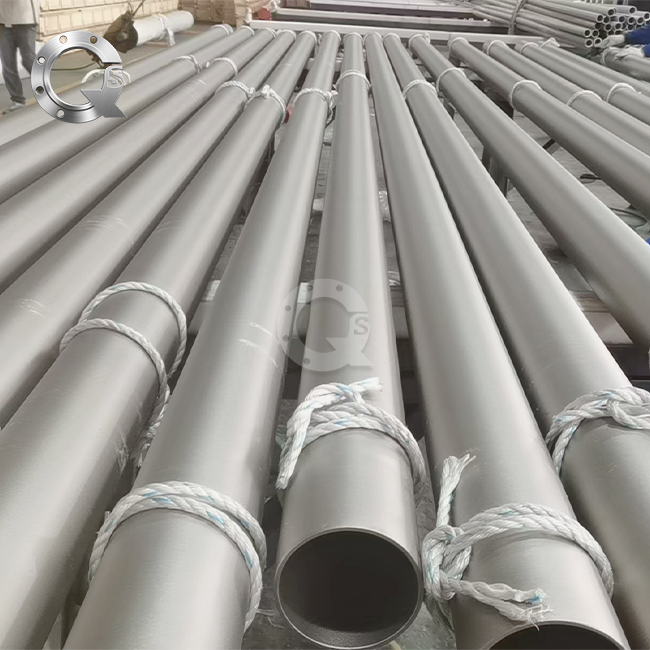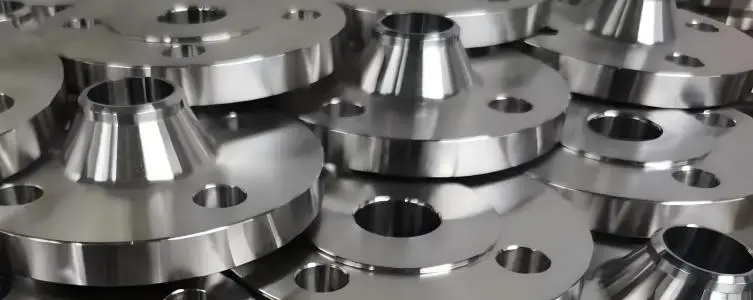
Understanding Duplex Stainless Steel Flanges and Their Applications
Composition and Properties of Duplex Stainless Steel
Duplex stainless steel is a remarkable alloy that combines the best properties of austenitic and ferritic stainless steels. This unique composition results in a material with exceptional strength, toughness, and corrosion resistance. The microstructure of duplex stainless steel typically consists of about 50% austenite and 50% ferrite, which contributes to its superior performance in demanding environments.
Key properties of duplex stainless steel include:
- High yield strength (typically twice that of standard austenitic grades)
- Excellent resistance to stress corrosion cracking
- Good resistance to pitting and crevice corrosion
- Improved resistance to chloride-induced stress corrosion
- Lower thermal expansion compared to austenitic grades
These properties make duplex stainless steel flanges an ideal choice for applications where both strength and corrosion resistance are crucial.
Advantages of Duplex Stainless Steel Flanges
Duplex stainless steel flanges offer several advantages over traditional stainless steel options:
- Enhanced Corrosion Resistance: Duplex grades provide superior resistance to various forms of corrosion, including pitting, crevice, and stress corrosion cracking.
- Higher Strength: The dual-phase structure results in greater mechanical strength, allowing for thinner wall sections and potential weight savings.
- Cost-Effectiveness: Despite a higher initial cost, the longevity and performance of duplex stainless steel can lead to lower life-cycle costs in challenging environments.
- Improved Fatigue Resistance: Duplex grades exhibit better fatigue properties compared to standard austenitic stainless steels.
- Versatility: Suitable for a wide range of temperatures and pressures, making them applicable in various industrial settings.
Common Industries Utilizing Duplex Stainless Steel Flanges
Duplex stainless steel flanges find applications across numerous industries, including:
- Oil and Gas: Used in offshore platforms, refineries, and petrochemical plants for their resistance to corrosive chemicals and seawater.
- Chemical Processing: Employed in reactors, heat exchangers, and storage tanks handling aggressive chemicals.
- Pulp and Paper: Utilized in equipment exposed to corrosive bleaching agents and high temperatures.
- Desalination: Applied in seawater handling systems and reverse osmosis plants.
- Power Generation: Used in components exposed to high-temperature steam and corrosive environments.
- Mining and Minerals: Employed in processing equipment handling abrasive and corrosive slurries.
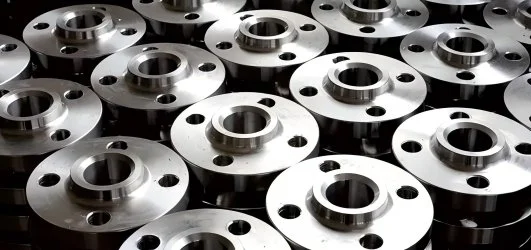
Specific Scenarios Demanding Duplex Stainless Steel Flanges
High-Pressure and High-Temperature Environments
Duplex stainless steel flanges excel in scenarios involving extreme pressures and temperatures. In oil and gas refineries, for instance, these flanges are crucial components in high-pressure piping systems that transport hot, corrosive fluids. The superior strength of duplex stainless steel allows for thinner flange designs without compromising safety, which is particularly beneficial in weight-sensitive applications like offshore platforms.
Examples of high-pressure, high-temperature applications include:
- Pressure vessels in chemical processing plants
- Heat exchangers in power generation facilities
- Subsea pipeline systems in offshore oil and gas fields
In these scenarios, duplex stainless steel flanges provide the necessary mechanical strength to withstand high internal pressures while resisting the corrosive effects of hot, aggressive media.
Corrosive Marine Environments
The marine industry extensively uses duplex stainless steel flanges due to their exceptional resistance to seawater corrosion. Offshore platforms, shipbuilding, and coastal industrial facilities benefit from the chloride resistance of duplex grades. These flanges are particularly valuable in:
- Seawater cooling systems
- Desalination plants
- Offshore oil and gas production equipment
- Marine exhaust systems
The ability of duplex stainless steel to resist pitting and crevice corrosion in chloride-rich environments makes it an ideal material for flanges exposed to seawater or marine atmospheres. This resistance translates to longer service life and reduced maintenance costs in these harsh conditions.
Chemical Processing and Storage Facilities
In the chemical industry, duplex stainless steel flanges are indispensable for handling a wide range of corrosive substances. They are particularly useful in:
- Chemical reactors and process vessels
- Storage tanks for acids, alkalis, and other aggressive chemicals
- Piping systems for transporting corrosive media
- Heat exchangers in chemical plants
The dual-phase structure of duplex stainless steel provides excellent resistance to stress corrosion cracking, a common issue in chemical processing environments. Additionally, the higher strength of duplex grades allows for the design of more compact and efficient equipment, which can be crucial in space-constrained chemical plants.
Selecting the Right Duplex Stainless Steel Flange for Your Application
Factors to Consider in Flange Selection
Choosing the appropriate duplex stainless steel flange requires careful consideration of several factors:
- Operating Conditions: Assess the pressure, temperature, and chemical composition of the media the flange will be exposed to.
- Corrosion Resistance Requirements: Determine the specific types of corrosion the flange needs to withstand (e.g., pitting, crevice, stress corrosion cracking).
- Mechanical Properties: Consider the strength and fatigue resistance needed for the application.
- Regulatory Compliance: Ensure the flange meets industry standards and regulations (e.g., ASME, API, NORSOK).
- Cost Considerations: Evaluate the initial cost against long-term benefits and lifecycle costs.
By carefully assessing these factors, engineers can select the most suitable duplex stainless steel flange grade and design for their specific application.
Common Duplex Stainless Steel Grades for Flanges
Several duplex stainless steel grades are commonly used for flanges, each with specific properties suited to different applications:
- 2205 (UNS S31803/S32205): The most widely used duplex grade, offering excellent general corrosion resistance and high strength. Suitable for a wide range of applications in oil and gas, chemical processing, and marine environments.
- 2507 (UNS S32750): A super duplex grade with enhanced corrosion resistance, particularly in chloride-rich environments. Ideal for offshore oil and gas applications and seawater handling systems.
- Lean Duplex (e.g., 2304, UNS S32304): Offers improved corrosion resistance compared to standard austenitic grades at a lower cost than higher-alloyed duplex grades. Suitable for less severe corrosive environments.
- Hyper Duplex (e.g., 2707, UNS S32707): Provides exceptional corrosion resistance and strength for the most demanding applications, such as deep-sea oil and gas production.
The choice between these grades depends on the specific requirements of the application, balancing factors such as corrosion resistance, strength, and cost-effectiveness.
Maintenance and Inspection Considerations
While duplex stainless steel flanges offer superior performance, proper maintenance and inspection are crucial to ensure their longevity and reliability:
- Regular Inspections: Conduct visual and non-destructive testing to detect any signs of corrosion, cracking, or degradation.
- Proper Cleaning: Use appropriate cleaning methods to prevent contamination and maintain the passive layer of the stainless steel.
- Avoid Sensitization: Be cautious of welding procedures and heat treatments that could alter the microstructure and properties of the duplex stainless steel.
- Monitor Environmental Conditions: Keep track of any changes in operating conditions that might affect the performance of the flanges.
- Documentation: Maintain detailed records of inspections, maintenance activities, and any incidents to inform future decision-making and improve reliability.
By implementing a comprehensive maintenance and inspection program, operators can maximize the benefits of duplex stainless steel flanges and ensure their continued performance in demanding applications.
Conclusion
Duplex stainless steel flanges are indispensable in scenarios that demand exceptional corrosion resistance coupled with high mechanical strength. From offshore oil platforms to chemical processing plants, these flanges excel in environments where standard stainless steel options fall short. Their unique properties make them ideal for high-pressure, high-temperature, and corrosive conditions, offering improved performance and longevity. By carefully selecting the appropriate grade and implementing proper maintenance practices, industries can leverage the benefits of duplex stainless steel flanges to enhance the reliability and efficiency of their operations in the most challenging environments.
FAQs
What makes duplex stainless steel flanges different from standard stainless steel flanges?
Duplex stainless steel flanges combine the properties of austenitic and ferritic stainless steels, offering superior strength and corrosion resistance compared to standard stainless steel options.
In which industries are duplex stainless steel flanges commonly used?
They are widely used in oil and gas, chemical processing, marine environments, desalination plants, and power generation industries.
How do duplex stainless steel flanges perform in seawater environments?
Duplex stainless steel flanges excel in seawater environments due to their high resistance to chloride-induced corrosion, making them ideal for offshore and marine applications.
Expert Duplex Stainless Steel Flange Solutions | QinSteel
At QinSteel, we specialize in providing high-quality duplex stainless steel flanges for demanding industrial applications. As a leading manufacturer and supplier, we offer a comprehensive range of duplex flange solutions tailored to meet your specific needs. Our expertise in materials science and precision engineering ensures that you receive products of the highest quality and reliability. For expert advice and customized duplex stainless steel flange solutions, contact our team at info@sxqinsteel.com.

References
Smith, J.R. (2020). "Duplex Stainless Steels: Properties and Applications in Corrosive Environments." Journal of Materials Engineering and Performance, 29(8), 5132-5145.
Johnson, A.B. & Thompson, C.D. (2019). "Selection Criteria for Duplex Stainless Steel Flanges in Offshore Oil and Gas Applications." Corrosion Science and Technology, 54(6), 456-470.
International Molybdenum Association. (2021). "Practical Guidelines for the Fabrication of Duplex Stainless Steels." 3rd Edition.
Nilsson, J.O. (2018). "Super Duplex Stainless Steels: Structure and Properties." Materials Science and Technology, 8(8), 685-700.
American Society of Mechanical Engineers. (2022). "ASME B16.5: Pipe Flanges and Flanged Fittings." New York: ASME.
Olsson, J. & Snis, M. (2017). "Duplex - A New Generation of Stainless Steels for Desalination Plants." Desalination, 205(1-3), 104-113.