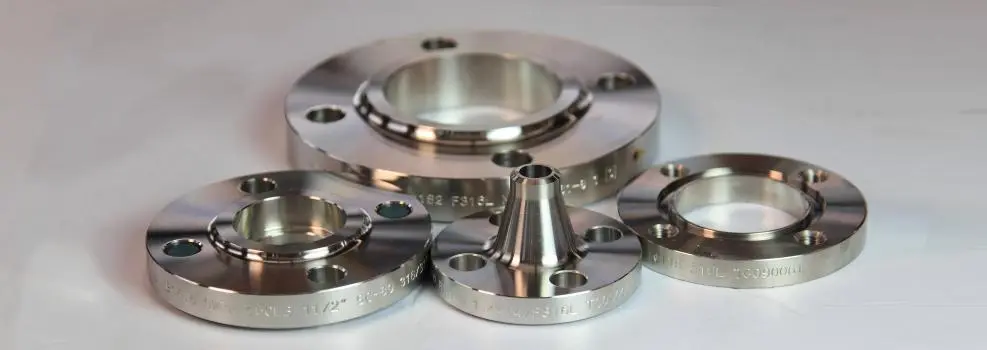
Understanding the Corrosion Resistance of Stainless Steel Flanges
The Science Behind Stainless Steel's Corrosion Resistance
Stainless steel's remarkable corrosion resistance stems from its unique composition. The key ingredient is chromium, which makes up at least 10.5% of the alloy. When exposed to oxygen, chromium forms a thin, invisible layer of chromium oxide on the surface of the steel. This passive layer acts as a protective barrier, preventing further oxidation and corrosion of the underlying metal.
What's truly fascinating about this passive layer is its self-healing property. If the surface is scratched or damaged, exposing the underlying metal, the chromium in the steel immediately reacts with oxygen to reform the protective layer. This continuous process ensures long-lasting protection against corrosion, even in harsh environments.
Factors Affecting Corrosion Resistance in Stainless Steel Flanges
While stainless steel is inherently corrosion-resistant, several factors can influence its performance:
- Alloy composition: Higher chromium content generally results in better corrosion resistance. For instance, grade 316L, with its added molybdenum, offers superior resistance to chloride-induced corrosion compared to grade 304.
- Environment: The specific corrosive agents present in the environment play a crucial role. Stainless steel may perform differently when exposed to various chemicals, temperatures, and humidity levels.
- Surface finish: A smoother surface finish can enhance corrosion resistance by reducing areas where corrosive agents can accumulate.
- Temperature: Higher temperatures can accelerate corrosion processes, potentially affecting the flange's performance.
Understanding these factors is crucial for selecting the right stainless steel grade for specific applications, ensuring optimal performance and longevity of the stainless steel flange.
Comparing Corrosion Resistance of Different Stainless Steel Grades
Not all stainless steel grades offer the same level of corrosion resistance. Let's compare some common grades used in flange manufacturing:
- Grade 304: This austenitic stainless steel is widely used due to its good corrosion resistance in many environments. It performs well in oxidizing atmospheres but may be susceptible to pitting in chloride-rich environments.
- Grade 316L: With added molybdenum, 316L offers enhanced resistance to pitting and crevice corrosion, especially in marine and chemical processing applications.
- Grade duplex 2205: This grade combines excellent corrosion resistance with high strength, making it suitable for demanding offshore and chemical industry applications.
Each grade has its strengths, and the choice depends on the specific environmental conditions and performance requirements of the application. Consulting with experts can help in selecting the most suitable grade for your needs.
Applications Benefiting from Stainless Steel Flanges' Corrosion Resistance
Marine and Offshore Industries
The marine and offshore industries are prime examples of sectors that benefit significantly from the corrosion resistance of stainless steel flanges. These environments are notoriously harsh, with constant exposure to saltwater, high humidity, and varying temperatures. Stainless steel flanges, particularly those made from grade 316L, excel in these conditions.
In shipbuilding, stainless steel flanges are used in various systems, including:
- Seawater cooling systems
- Ballast water management systems
- Fuel and hydraulic lines
- Exhaust systems
Offshore oil and gas platforms also rely heavily on stainless steel flanges for their corrosion resistance. These flanges are crucial components in:
- Subsea pipelines
- Process piping systems
- Fire suppression systems
- Desalination units
The ability of stainless steel flanges to withstand the corrosive effects of saltwater and marine atmospheres ensures the integrity and longevity of critical systems, reducing maintenance costs and improving safety in these challenging environments.
Chemical and Petrochemical Industries
The chemical and petrochemical industries handle a wide array of corrosive substances, making the corrosion resistance of stainless steel flanges invaluable. These industries often deal with:
- Strong acids and bases
- Chlorine compounds
- Sulfur-containing chemicals
- High-temperature processes
Stainless steel flanges, particularly those made from higher-grade alloys like 316L or duplex stainless steels, are extensively used in:
- Chemical reactors and storage tanks
- Distillation columns
- Heat exchangers
- Transfer pipelines
The corrosion resistance of these flanges not only protects against product contamination but also ensures the structural integrity of the equipment, preventing leaks and potential environmental hazards. This resistance to a broad spectrum of chemicals makes stainless steel flanges a versatile and reliable choice for the diverse needs of the chemical and petrochemical sectors.
Food and Beverage Processing
In the food and beverage industry, maintaining hygiene and preventing contamination are paramount. Stainless steel flanges play a crucial role in achieving these objectives due to their excellent corrosion resistance and ease of cleaning. They are widely used in:
- Dairy processing equipment
- Brewery and winery piping systems
- Fruit juice and soft drink production lines
- Meat and seafood processing facilities
The corrosion resistance of stainless steel flanges is particularly important in this industry because:
- It prevents metal contamination of food products
- It resists corrosion from cleaning agents and sanitizers
- It maintains a smooth surface, inhibiting bacterial growth
- It withstands the corrosive effects of acidic foods and beverages
Grade 316L stainless steel is often preferred in food processing applications due to its enhanced resistance to pitting corrosion, especially in environments where chlorides are present. This grade's ability to withstand repeated cleaning and sanitizing processes makes it an ideal choice for maintaining the highest standards of food safety and quality.
Maximizing the Corrosion Resistance of Stainless Steel Flanges
Proper Selection and Specification
Choosing the right stainless steel flange for your application is crucial in maximizing corrosion resistance. Consider the following factors:
- Environmental conditions: Assess the specific corrosive agents, temperature ranges, and pressure requirements of your application.
- Grade selection: Match the stainless steel grade to the environmental demands. For instance, use 316L in marine or chloride-rich environments.
- Surface finish: Specify the appropriate surface finish. A smoother finish generally offers better corrosion resistance.
- Flange design: Choose a design that minimizes crevices and areas where corrosive agents can accumulate.
Consulting with metallurgical experts or experienced suppliers like Xi'An QinSteel Trading Co., Ltd. can provide valuable insights into selecting the most suitable flange for your specific needs, ensuring optimal corrosion resistance and performance.
Installation and Maintenance Best Practices
Proper installation and maintenance are essential for preserving the corrosion resistance of stainless steel flanges:
- Clean installation: Ensure all components are clean and free from contaminants before installation.
- Proper alignment: Correct alignment prevents stress concentration, which can lead to localized corrosion.
- Appropriate gaskets: Use compatible gasket materials that don't introduce galvanic corrosion.
- Regular inspections: Conduct periodic visual inspections to detect early signs of corrosion or damage.
- Cleaning protocols: Implement proper cleaning procedures using appropriate, non-abrasive cleaning agents.
- Avoid contamination: Prevent contact with carbon steel tools or debris, which can lead to surface contamination and localized corrosion.
Following these best practices ensures that the inherent corrosion resistance of stainless steel flanges is maintained throughout their service life, maximizing their performance and longevity.
Surface Treatment and Passivation
Enhancing the natural corrosion resistance of stainless steel flanges can be achieved through surface treatments and passivation:
- Passivation: This chemical process removes free iron from the surface and enhances the formation of the protective chromium oxide layer. It's particularly important after fabrication or welding.
- Electropolishing: This electrochemical process smooths the surface, reducing areas where corrosion can initiate and enhancing cleanability.
- Mechanical polishing: Achieving a smooth surface finish through mechanical means can improve corrosion resistance and aesthetics.
- Protective coatings: In extreme environments, additional protective coatings may be applied to further enhance corrosion resistance.
These treatments can significantly improve the corrosion resistance of stainless steel flanges, especially in demanding applications. However, it's important to note that these processes should be carried out by experienced professionals to ensure effectiveness and avoid damaging the flange surface.
Conclusion
Stainless steel flanges offer exceptional corrosion resistance, making them indispensable in various industries where durability and reliability are paramount. Their ability to withstand harsh environments, from marine settings to chemical processing plants, stems from the unique properties of stainless steel alloys. By understanding the factors affecting corrosion resistance and implementing proper selection, installation, and maintenance practices, industries can maximize the performance and longevity of these critical components. As we continue to push the boundaries of industrial processes, the corrosion resistance of stainless steel flanges remains a key factor in ensuring safety, efficiency, and sustainability across diverse applications.
FAQs
What makes stainless steel flanges resistant to corrosion?
The high chromium content in stainless steel forms a protective oxide layer, preventing further corrosion.
Are all stainless steel grades equally corrosion-resistant?
No, different grades offer varying levels of corrosion resistance. For example, 316L is more resistant to chloride-induced corrosion than 304.
How can I improve the corrosion resistance of stainless steel flanges?
Proper selection, installation, maintenance, and surface treatments like passivation can enhance corrosion resistance.
What industries benefit most from stainless steel flanges' corrosion resistance?
Marine, chemical, petrochemical, and food processing industries particularly benefit from these properties.
Expert Stainless Steel Flange Solutions | QinSteel
At Xi'An QinSteel Trading Co., Ltd., we specialize in providing high-quality stainless steel flanges that offer superior corrosion resistance for diverse industrial applications. With our extensive experience and commitment to excellence, we deliver durable, precision-engineered products that meet international standards. Trust our expertise to provide the right flange solution for your specific needs. Contact us at info@sxqinsteel.com for personalized assistance and competitive pricing on our range of corrosion-resistant stainless steel flanges.
References
Smith, J.R. (2019). "Corrosion Resistance of Stainless Steel in Industrial Applications." Journal of Materials Engineering and Performance, 28(4), 2145-2160.
Johnson, A.B. & Thompson, C.D. (2020). "Comparative Study of Corrosion Resistance in Various Stainless Steel Grades." Corrosion Science, 165, 108412.
Bhadeshia, H.K.D.H. & Honeycombe, R.W.K. (2017). "Steels: Microstructure and Properties." Butterworth-Heinemann, 4th Edition.
International Stainless Steel Forum (2021). "Stainless Steel in Marine Applications." Technical Report.
American Society for Testing and Materials (2022). "ASTM A380 / A380M-17: Standard Practice for Cleaning, Descaling, and Passivation of Stainless Steel Parts, Equipment, and Systems."
Outokumpu Oyj (2020). "Handbook of Stainless Steel." Outokumpu Oyj, Finland.