- English
- French
- German
- Portuguese
- Spanish
- Russian
- Japanese
- Korean
- Arabic
- Greek
- German
- Turkish
- Italian
- Danish
- Romanian
- Indonesian
- Czech
- Afrikaans
- Swedish
- Polish
- Basque
- Catalan
- Esperanto
- Hindi
- Lao
- Albanian
- Amharic
- Armenian
- Azerbaijani
- Belarusian
- Bengali
- Bosnian
- Bulgarian
- Cebuano
- Chichewa
- Corsican
- Croatian
- Dutch
- Estonian
- Filipino
- Finnish
- Frisian
- Galician
- Georgian
- Gujarati
- Haitian
- Hausa
- Hawaiian
- Hebrew
- Hmong
- Hungarian
- Icelandic
- Igbo
- Javanese
- Kannada
- Kazakh
- Khmer
- Kurdish
- Kyrgyz
- Latin
- Latvian
- Lithuanian
- Luxembou..
- Macedonian
- Malagasy
- Malay
- Malayalam
- Maltese
- Maori
- Marathi
- Mongolian
- Burmese
- Nepali
- Norwegian
- Pashto
- Persian
- Punjabi
- Serbian
- Sesotho
- Sinhala
- Slovak
- Slovenian
- Somali
- Samoan
- Scots Gaelic
- Shona
- Sindhi
- Sundanese
- Swahili
- Tajik
- Tamil
- Telugu
- Thai
- Ukrainian
- Urdu
- Uzbek
- Vietnamese
- Welsh
- Xhosa
- Yiddish
- Yoruba
- Zulu
Materials and Pressure Ratings of ASME B16.11 Plug
Jul 9 2026
For operational safety and system integrity, it is important to know the materials and pressure ratings of ASME B16.11 plug systems when choosing sealing parts for high-pressure industrial uses. In oil and gas, chemical processing, power generation, and marine settings, these forged steel fittings are important for keeping things sealed. ASME B16.11 plugs come in both socket weld and threaded configurations and can handle pressure levels from 3000LB to 9000LB while still meeting industry standards for material compliance and accurate measurements.
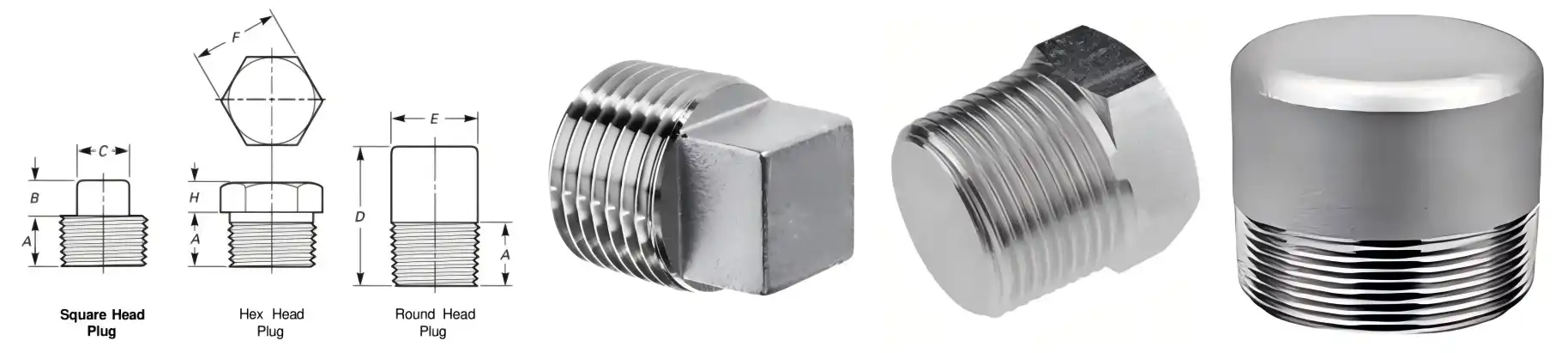
Understanding ASME B16.11 Plug Basics
Having the right sealing parts is often what makes a pipe system work, and ASME B16.11 plugs are one of the most important ones for industrial use. These forged fittings can be used to seal pipe ends, branch connections, and equipment holes permanently or temporarily in a number of different industries.
Scope and Standards Compliance
Forged steel fittings, like plugs used in high-pressure situations, must follow the ASME B16.11 standards for size tolerances, material requirements, and pressure values. These standards make sure that all makers follow the same rules and set safety limits for how temperature and pressure can be combined. Fittings with diameters from 1/8 inch to 4 inches are covered by the standard. For special uses, pressure classes go up to 9000LB.
The standard includes both socket welding and threaded connection types. Each is made for a different set of installation and use situations. When used in critical situations where removal is not expected, socket weld plugs make lasting, high-strength connections that are perfect. Threaded plugs are useful for both temporary sealing and accessing areas for upkeep.
Design Variations and Applications
Knowing the difference between the different types of connections helps buying teams choose the right parts for their needs. Socket weld plugs have a recessed socket that fits over the end of the pipe. This makes a fillet weld connection that evenly spreads stress across the joint. This form works great in situations where resistance to vibration and long-lasting sealing are very important.
Threaded plugs have either NPT (National Pipe Thread) or BSP (British Standard Pipe) threads, which lets them be installed in the field without the need for welding tools. These connections are good for places that need to be able to get to them sometimes or temporarily seal them off during repairs. The threaded design also works in cases where welding could be dangerous or make things harder to move.
Materials Used in ASME B16.11 Plugs and Their Standards
The choice of material has a direct effect on how well sealing parts work, how long they last, and how well they conform to standards in industry settings. Different types of material are used in ASME B16.11 plugs to meet the needs of different environments and operations.
Carbon Steel Materials and Applications
Standard pressure uses require very high levels of strength from carbon steel grades, especially ASTM A105 and A105N. The machinability and weldability of A105 carbon steel are both very good, and the structure stays strong even when pressure is applied and removed. This grade of material can handle temperatures from -29°C to 427°C, which means it can be used in a wide range of commercial settings.
A350 LF2 low-temperature carbon steel is used in places where regular carbon steel would crack. This material stays flexible at temperatures as low as -46°C, which is very important for cryogenics and installations in cold climates. A694 F65 high-strength steel has a higher yield strength for uses that need to handle the most pressure while still being able to be welded.
Stainless Steel Grades for Corrosive Environments
Stainless steel materials are used in chemical processes, marine environments, and high-temperature settings to deal with corrosion problems. ASTM A182 F304 is generally resistant to rust, easy to shape, and not too expensive. This austenitic stainless steel stays stable in slightly corrosive conditions and has good mechanical properties across a wide range of temperatures.
A182 F316 has molybdenum added to it, which makes it more resistant to corrosion in chloride, acid, and marine conditions. This type of material is necessary for chemical processing, desalination plants, and installations in the ocean where pitting corrosion is a big problem.
Material Certification and Traceability
Throughout the supply chain, material certification methods make sure that the goods are real and meet certain standards. For each lot of material, mill test papers show its chemical make-up, mechanical properties, and heat treatment conditions. This paperwork helps project experts make sure the materials are right for the job and keep quality records to meet government standards.
Traceability systems keep track of materials from the steel mills to the delivery of the finished product. This makes sure that everyone is responsible and lets quality problems be fixed quickly. Tracking heat numbers makes it possible to connect how well an installation worked with certain batches of materials. This helps with efforts to keep getting better and failure analysis studies.
Pressure Ratings of ASME B16.11 Plugs Explained
Pressure classification systems make it possible to choose safe parts for a wide range of operational circumstances. When engineers understand these classifications, they can define the right parts without over-specifying, which drives up project costs needlessly.
Standard Pressure Classes and Temperature Considerations
Pressure values of 3000LB, 6000LB, and 9000LB can be used with ASME B16.11 pipe plugs, which are made of different materials and have different wall thicknesses. The 3000LB rating is good for normal industrial uses that need moderate pressure, while the 6000LB rating is better for high-pressure systems that are popular in oil and gas processing.
The 9000LB rating is the highest pressure level that can be used. It's made for high-pressure uses like wellhead equipment and high-pressure injection systems. These parts have thicker walls and better material specifications so they can safely handle operating stresses.
Temperature Derating and Pressure-Temperature Relationships
Temperature changes have a big effect on permissible pressure ratings because materials become weaker at high temperatures. Carbon steel plugs keep their full pressure rating up to 38°C. As the temperature rises toward their maximum working temperature of 427°C, the rating drops gradually.
When it comes to high temperatures, stainless steel materials work better than carbon steel ones. They can handle more pressure at higher temperatures. Even when temperatures get close to 816°C, F316 stainless steel plugs can still hold a lot of pressure. This makes them perfect for use in steam systems and high-temperature process applications.
Size-Dependent Pressure Capabilities
Because of stress absorption effects and wall thickness limits, plug size affects how much pressure it can hold. Smaller diameter plugs can usually handle higher pressure values because they better distribute stress and need less material. Because of manufacturing limitations and stress concentration factors, bigger plugs may have lower pressure ratings.
Engineers can choose the best parts by understanding these connections and leaving enough room for error to account for variable operations and changing loads.
Comparing ASME B16.11 Plugs in Materials and Pressure Ratings
Comparing different materials and their pressure ratings helps you make smart choices that combine performance needs with cost concerns. This study looks at the main things that affect the choice of components in various operating situations.
Socket Weld versus Threaded Connection Analysis
This is because the fillet weld joint configuration of socket weld plugs spreads stress over a bigger area, making them stronger. These connections work great in high-pressure situations where permanent placement is okay because they don't leak and are very resistant to fatigue.
Threaded plugs give you more installation options and make upkeep easier, but they can't handle as much pressure. The threaded engagement relies on mechanical interference to close, which can break down when temperatures change or when there is vibration. Threaded connections, on the other hand, let you put things in the field without using special welding tools.
Which type of link to use depends on the application, such as the amount of pressure needed, how easy it is to get to, and how you like to maintain things. Socket weld connections are usually better for critical applications because they are more reliable, but threaded designs may be better for applications that can be easily maintained.
Material Performance Comparison
While stainless steel plugs are more expensive than carbon steel ones, they are better at resisting rust and working at high temperatures. The higher cost is worth it in situations where corrosion-related breakdowns would cause major problems with operations or environmental issues.
When corrosion is not a major worry, carbon steel plugs are a great choice because they are strong for the price. Standard pressure requirements can be met by these materials, which are also easy to machine and fix in the field.
Specialized alloys are used in harsh service situations where regular materials can't do the job. The higher prices of these materials are justified by the fact that they last longer and need less upkeep in harsh environments.
Procurement Considerations for ASME B16.11 Plugs
Technical specifications, supplier skills, and the total cost of ownership are all important parts of good procurement strategies. When procurement teams understand these factors, they can find the best value while still meeting quality and service standards.
Cost Drivers and Economic Factors
The prices of raw materials have a big effect on the prices of ASME B16.11 pipe plugs. Grades of stainless steel cost more than carbon steel options. Nickel and chrome prices that change a lot on the market affect the cost of stainless steel. Iron ore and scrap steel prices affect the economics of carbon steel.
Order numbers affect unit prices by making production more efficient and lowering the cost of setting up each unit. Large orders let providers make the best use of their production schedules and materials, which saves them money and lets customers save money by getting lower prices.
Costs go up because of the time and money needed for planning, changing tools, and changing how production is set up. Standard specifications lessen these effects, while custom requirements can make wait times longer and prices go up a lot.
Supplier Evaluation and Quality Assurance
Supplier certification methods make sure that quality standards and manufacturing capabilities are met. Getting ISO 9001 certification shows that you are dedicated to quality management systems, and getting ASME certification proves that you have certain technical skills for making parts for pressure vessels.
Factory audits give a clear look at how well a company can make things, how it controls quality, and how much it can make. Before starting a relationship with a seller, these tests help procurement teams figure out how reliable the supplier is and what risks might be involved.
Material certifications, dimensional inspection records, and pressure test certificates are some of the documents that are needed. A lot of paperwork helps meet the quality standards of the project and makes it possible to track components throughout their entire lifecycle.
Inspection of incoming materials, checking of dimensions, and pressure testing are all examples of quality control methods. Hydrostatic testing confirms the pressure capability, and dimensional checking makes sure the parts fit together correctly and can be installed without any problems.
QinSteel: Your Trusted ASME B16.11 Plug Solutions Provider
QinSteel has been making and selling high-quality forged steel parts to industrial markets around the world for 20 years. We can make plugs that meet the strict requirements of oil and gas, chemical processing, power generation, and marine uses because we know a lot about ASME B16.11 standards.
Our Product Range and Capabilities
We can make ASME B16.11 plugs in both socket weld and threaded forms, and we can do this for sizes ranging from 1/8 inch to 4 inches. We keep a large stock of standard materials, such as A105 carbon steel, A350 LF2 low-temperature steel, and A182 F304/F316 stainless steel types.
Our pressure rating ranges from 3000LB to 9000LB, so we can meet the needs of both normal industrial uses and those that need extreme pressure. For safe operation within certain limits, the right material is chosen for each pressure class, and the wall thickness is optimized.
Comprehensive material testing, dimensional verification, and pressure testing methods are all parts of quality assurance processes. Our quality control system, which is ISO 9001 certified, makes sure that the quality of our products stays the same and that we can track them all the way from the raw materials to the final delivery.
Customization and Engineering Support
Custom plug solutions are made to meet the specific needs of an application that go beyond what a standard product can do. Our engineering team works with customers to come up with the best designs that meet their unique needs for pressure, temperature, and environment while still meeting all standards.
OEM and ODM services let us offer private labeling and custom packaging options that meet the needs of our customers' brands and help them with their marketing plans. We can meet your specific needs for marking, certification, and documentation in a way that makes the job go smoothly and meets all regulations.
Customers can get technical advice to help them choose the best plugs for their needs. Our engineers give advice on choosing the right material, getting the best pressure grade, and installing things in a way that makes the system work better and be more reliable.
Sample programs let you check the quality and correctness of the dimensions of a product in real life before committing to large-scale production. We keep samples in stock so that we can send them quickly, and we can also make custom samples for specific uses.
Conclusion
Materials and pressure ratings of ASME B16.11 plugs represent critical factors in ensuring safe, reliable operation of industrial piping systems. Carbon steel grades like A105 and A350 LF2 provide strength and economic value for standard applications, while stainless steel F304 and F316 grades address corrosive environments with superior performance characteristics. Pressure ratings from 3000LB to 9000LB accommodate diverse operational requirements across socket weld and threaded configurations. Understanding these material properties, pressure capabilities, and application considerations enables procurement teams to specify optimal components that balance performance requirements with economic constraints while maintaining compliance with industry standards.
FAQ
What factors determine material selection for ASME B16.11 plugs?
Material selection depends on operational environment, temperature range, pressure requirements, and corrosion exposure. Carbon steel grades suit standard applications with moderate corrosion potential, while stainless steel grades address aggressive chemical environments and high-temperature conditions. Low-temperature applications require materials like A350 LF2 that maintain ductility at reduced temperatures.
How do pressure ratings relate to temperature in ASME B16.11 plugs?
Pressure ratings decrease as temperature increases due to material strength reduction at elevated temperatures. Carbon steel plugs maintain full pressure rating up to 38°C with graduated reductions toward maximum operating temperature. Stainless steel materials demonstrate superior high-temperature performance with higher pressure retention at elevated temperatures compared to carbon steel alternatives.
Can ASME B16.11 plugs be customized for special applications?
Custom plug solutions accommodate unique requirements including special materials, non-standard dimensions, and enhanced pressure ratings. Customization processes involve engineering evaluation, material selection optimization, and manufacturing modifications to meet specific application demands while maintaining compliance with applicable standards.
Contact QinSteel for Your ASME B16.11 Plug Requirements
QinSteel stands ready to support your sealing component needs with comprehensive ASME B16.11 plug solutions that combine quality, reliability, and competitive pricing. Our experienced team provides technical consultation, material selection guidance, and custom solutions tailored to your specific operational requirements. Contact us at info@sxqinsteel.com to discuss your project needs and discover why leading companies across 30+ countries trust QinSteel as their preferred ASME B16.11 plug supplier.

References
ASME B16.11 Standard: Forged Fittings, Socket-Welding and Threaded. American Society of Mechanical Engineers, 2018.
ASTM A105/A105M Standard Specification for Carbon Steel Forgings for Piping Applications. ASTM International, 2019.
ASTM A182/A182M Standard Specification for Forged or Rolled Alloy and Stainless Steel Pipe Flanges, Forged Fittings, and Valves and Parts for High-Temperature Service. ASTM International, 2020.
Pressure-Temperature Ratings for Steel Pipe Flanges and Flanged Fittings. Industrial Press Technical Manual, 2019.
Materials Selection Guidelines for Process Equipment in Chemical and Petrochemical Industries. Process Engineering Associates, 2020.
Quality Assurance Requirements for Forged Steel Fittings in Oil and Gas Applications. Petroleum Equipment Institute Standards, 2021.

Learn about our latest products and discounts through SMS or email