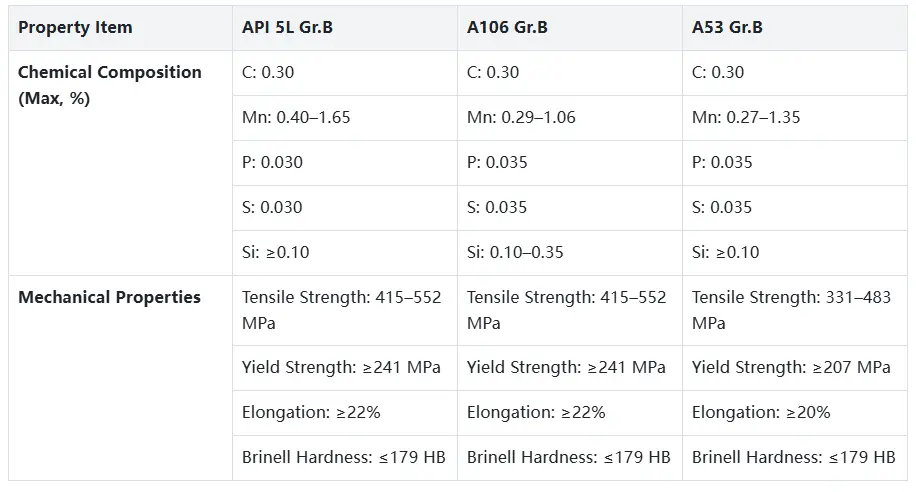
It is very important to choose the right wall thickness for carbon steel seamless pipes because it will make sure that your pipeline system is safe, lasts a long time, and works well. How thick the wall is directly affects the pipe's strength, how well it resists rust, and how well it handles pressure. When you choose a wall width, consider the safety rules, the wall's purpose, the type of medium, and the conditions in the surroundings. For high-pressure conditions or when the material being moved is rough, pick walls that are less likely to break. This increases the object's safety and longevity. On the other hand, non-corrosive uses with low pressure may only need walls that are as thick as the rest of the building. To make good decisions for your project, always read expert tips and look at industry standards.
Understanding the Importance of Wall Thickness in Carbon Steel Seamless Pipes
The Role of Wall Thickness in Pipe Performance
How well carbon steel seamless pipes work and how long they last depends a lot on how thick the wall is. It has a direct effect on the pipe's ability to withstand internal pressure, resist external forces, and maintain its power over time. Picking the right wall thickness will let the pipe safely carry fluids or gases without breaking or leaking.
When moving oil and gas, which are high-pressure conditions, a stronger wall is needed to keep the pipe from bending and hold the pressure inside. In low-pressure systems, like networks that move water around, however, a smaller wall may be enough. This cuts costs without making things less safe.
Factors Influencing Wall Thickness Selection
There are a lot of things to think about when picking the right wall thickness for carbon steel seamless pipes:
- Operating pressure: At higher pressures, things won't bend or break as easily if the walls are thicker.
- Temperature: If it's very hot or cold, the way the pipe is made may change, which could mean that the walls need to be made thicker or thinner.
- Corrosion allowance: If the material will be in a corrosive environment, it may need to be made stronger so that it doesn't get too worn down over time.
- External loads: When things from the outside push on pipes, like the weight of soil on lines that are buried, the pipes might need thicker walls.
- Safety factors: The minimum safety factors that determine how thick walls need to be are usually set by rules and norms in the business.
Balancing Cost and Performance
Things with thicker walls are generally safer and last longer, but they also cost more and are harder to lift. Engineers need to find a balance between making sure there is enough strength and lowering costs. In order to make sure it keeps working in the long run, this means examining the working conditions, figuring out what could go wrong, and planning what needs to be done.
Companies can save money without hurting safety or efficiency by finding the best wall thickness. Because the pipes are lighter, this way makes the first investment cheaper as well as the costs for shipping and installation.
Methods for Calculating Wall Thickness of Carbon Steel Seamless Pipes
Standard Formulas and Calculations
There are many different factors that affect how well pipes work. When carbon steel seamless pipes are made, there are usually models that use these factors to determine how thick the walls should be. Barlow's way is the most well-liked because it links the pipe's internal pressure to its width and the amount of stress that is okay.
t = P * D / 2 * S * E.
Where: t is how long the wall is. D is the pipe's outside width, and P is the pressure inside. S = The maximum level of force. E is the joint efficiency factor, which is normally 1.0 for pipes that are smooth.
Starting with this easy way is fine, but to get the whole picture you need to factor in things like corrosion allowance and manufacturing tolerances.
Industry Standards and Codes
There are a number of rules and guidelines used in a range of industries that offer help on how to choose the right wall thickness for carbon steel seamless pipes. Here are some famous rules:
- ASME B31.3: Process piping
- API 5L: Specification for line pipe
- EN 10216: Pressure uses for seamless steel tubes
- ISO 3183: Oil and natural gas industries - Steel pipe for pipeline transfer systems
Many times, these guidelines have tables or more complex equations that look at certain safety factors, material properties, and the needs of the specific application. These rules make sure that you are doing what is best for the business and the law.
Advanced Modeling and Simulation Techniques
When dealing with complex pipe systems or very important situations, using more recent modeling and simulation methods can more often help find the right wall thickness. Finite Element Analysis (FEA) and Computational Fluid Dynamics (CFD) models let engineers see how pipes behave when situations and types of stress change.
These high-tech tools can measure tiredness, temperature changes, and sound. - How the fluid flow behaves: load-bearing structures and fluid sources from outside
Engineers can find the best wall thickness for every part of a pipe system by using these new techniques. This could lower the cost of supplies as long as the system stays safe and dependable.
Best Practices for Wall Thickness Selection in Carbon Steel Seamless Pipes
Conducting a Thorough System Analysis
Before deciding on the thickness of carbon steel seamless pipe walls, you should look at the whole plumbing system. This study needs to look at the next things:
- All the times it can work, like when the temperature and pressure change
- The toxins in the cargo and how corrosive it is
- The environment, such as the ground where lines are buried or places that are directly linked to the ocean
- Chance of getting damaged by mechanics or big loads from outside
- Long-term needs for checking and maintenance
Engineers can make good decisions about the wall's thickness if they know precisely the system's needs and potential uses.
Incorporating Safety Factors and Corrosion Allowances
When deciding on the wall thickness, it is important to use the correct rust limits and safety factors. In material properties, production tolerances, and possible overload situations, safety factors look at unknowns. Normal safety factors are usually between 1.5 and 4, but it depends on the rules and the situation.
Materials can be worn down over time by corrosion or erosion. Corrosion allowances add extra thickness to the minimum wall thickness to make sure that nothing goes wrong. The corrosion limit size depends on:
- The power of the moving substance to corrode
- How long the pipeline is expected to be in working condition.
- The state of the world
- How effective are the rust prevention techniques, such as coats or cathodic protection
Engineers can be sure that the pipe will be safe as long as it is meant to be used if they choose the right wall thickness and think about these things carefully.
Regular Monitoring and Maintenance Strategies
Choosing the right wall width is just the beginning of keeping carbon steel seamless pipes in good condition over time. A good tracking and maintenance plan is also very important. This plan should have
Regular checks using non-destructive testing methods, like radiography and ultrasound thickness measures:
- Regular pressure tests to make sure the system is still working
- Using rust coupons, electrical resistance probes, or other tools to monitor rusting
- Cleaning and maintenance are planned to get rid of any buildup that could make rusting happen more quickly
- Keeping a record of and analyzing trends in test results to get an idea of how quickly things will break down in the future
Operators can make their carbon steel seamless pipe systems last as long as possible and keep them safe and dependable by watching them closely and picking the right wall thickness.
Conclusion
There are important effects on water systems' performance, safety, and longevity from choosing the right wall thickness for carbon steel seamless pipes. Engineers can pick the best lines for every job if they know what makes walls thick, use correct math, and follow the plumbing code. When you make your decision, remember to think about where it will be used, how safe it needs to be, and how much rust it can handle. As long as the piping system is used, it needs to be checked and fixed regularly to keep it in good shape. You can pick the right wall width for your carbon steel seamless pipes if you really think about it and get help from a pro. This will help you be sure that your processes are dependable and don't have any problems.
FAQs
What is a normal wall thickness for carbon steel seamless pipe?
Based on the carbon steel seamless pipe's width and its intended use, its walls will normally be between 2mm and 60mm thick.
How does the temperature affect how thick the wall is?
Carbon steel may lose some of its strength when it gets hotter. This means that pipes that work at higher temperatures might need stronger walls to keep the same pressure level as pipes that work at lower temperatures.
Is it all right if every part of my pipeline has the same wall thickness?
How thick the wall is should often be changed based on how each part of the pipeline needs it. Things like temperature, pressure, and weight should be thought about.
Expert Carbon Steel Seamless Pipe Solutions | QinSteel
We at QinSteel are committed to ensuring that you receive the high-quality carbon steel seamless pipe that you require. Our professionals can help you pick the wall thickness that will be safest, most effective, and cheapest for your job. As a top maker and supplier with twenty years in the business, we offer a wide range of seamless pipes. Email info@sxqinsteel.com to discuss your project's needs and learn how our high-quality products can make your pipeline systems better.
References
American Society of Mechanical Engineers. (2018). ASME B31.3: Process Piping. New York: ASME.
American Petroleum Institute. (2018). API Specification 5L: Specification for Line Pipe. Washington, D.C.: API.
International Organization for Standardization. (2012). ISO 3183: Petroleum and natural gas industries — Steel pipe for pipeline transportation systems. Geneva: ISO.
Nayyar, M. L. (2000). Piping Handbook (7th ed.). New York: McGraw-Hill.
Antaki, G. A. (2003). Piping and Pipeline Engineering: Design, Construction, Maintenance, Integrity, and Repair. New York: Marcel Dekker.
Mohitpour, M., Golshan, H., & Murray, A. (2007). Pipeline Design & Construction: A Practical Approach (3rd ed.). New York: ASME Press.