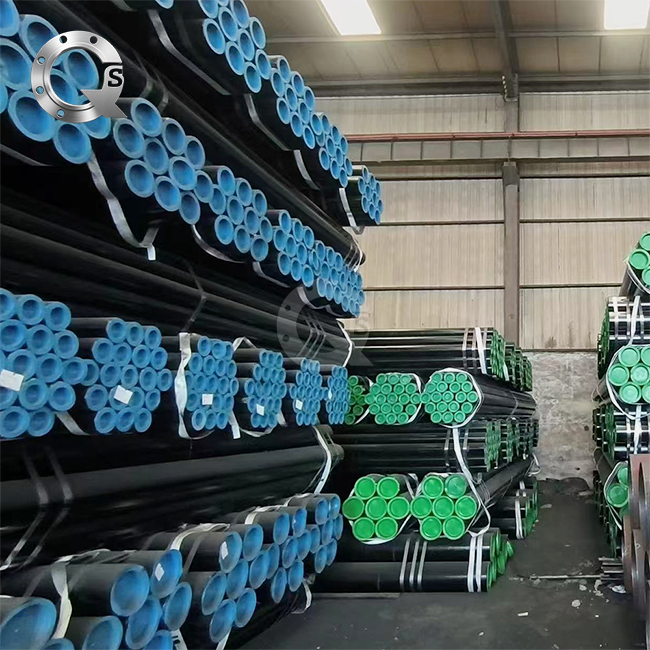
It is important to pick the right municipal water supply carbon steel seamless pipe for public water systems so that the water stays clean, the system lasts a long time, and it works well. Pipes that are made of low-carbon carbon steel and don't break down easily should be chosen because they are smooth. Usually, this is done by making sure they don't rust. These lines must be made well, be strong enough to handle changes in pressure, and work with water cleaning systems. To meet the needs of each individual job, decisions about coating, material grade, wall thickness, pipe diameter, and other factors must be made carefully. If towns and cities focus on safety, performance, and longevity, they can build strong water supply networks that will serve their communities well for many years.
Understanding Carbon Steel Seamless Pipes for Water Supply Systems
Properties and Advantages of Carbon Steel Seamless Pipes
Carbon steel seamless pipes are a good choice for city water systems for a lot of different reasons. These materials are good for keeping the building intact because they are strong without being heavy. These pipes can handle a lot of pressure and stress from machines without bending or breaking. There are no weak spots in the pipe because of the smooth construction, which lowers the chances of breaks and leaks.
Also, carbon steel seamless pipes are cheaper than pipes made of other things, so they are a good choice for projects in big cities. They are easy to make and join, which makes it easier to put them in place and keep them up. These lines will last longer as long as they are cleaned and coated properly and don't rust.
Importance of Corrosion Resistance in Water Supply Pipelines
Water pipes in the city should not rust. Water can damage metals, especially when it is mixed with cleaning agents or minerals. Corrosion can damage pipes, lower water quality, and cause systems to fail over time.
Coatings or linings are usually used to keep carbon steel seamless pipes from rusting. Keeping the steel and water apart in these ways lowers the risk of rusting. Epoxy coats, cement mortar linings, and cathodic protection systems are all well-liked methods for keeping things safe.
Regulatory Standards and Quality Requirements
There are strict rules that protect people's health and safety that city water supply systems must follow. In the US, for instance, the American Water Works Association (AWWA) and the National Sanitation Foundation (NSF) choose standards for materials that will be used in drinking water systems.
It is important to choose municipal water supply carbon steel seamless pipes that meet these standards or are better than these standards. Pipes that are made according to the API 5L or ASTM A53/A53M standards should be used to carry water and other liquids. Also, make sure that any coats or treatments used on the lines are safe for drinking water systems.
Key Factors in Selecting Carbon Steel Seamless Pipes for Municipal Water Supply
Pipe Diameter and Wall Thickness Considerations
City water systems get the best flow rates and pressure control when there is enough space in the pipes and they are thick enough. The wall's thickness tells you how well the pipe can handle pressure from both sides and its width tells you how much water it can carry.
It is common for engineers to use hydraulic modeling tools to determine the best pipe sizes given the system's pressure and water needs as well as the land's shape. It's important to find a balance between how much flow you need and how much bigger lines cost.
If a pipe is underground, how thick the wall should be depends on the pressure of the water inside and the weight of the dirt and any cars on top of it. The AWWA sets a minimum thickness for the pipes based on their width and the pressure they are under when they are working.
Material Grade and Composition
Carbon steel seamless lines work better or worse for local water supply depending on their material grade. For water delivery systems, low-carbon steel grades are usually the best choice because they can be easily welded together and shaped into different forms.
Grade A is a strong, bendable carbon steel that is used in many different kinds of water supply systems.
Grade B: Good for uses with very high pressure and better than Grade A.
- API 5L X42 to X70: These are stronger levels that are usually used for big pipes that need to move things.
When you choose a material grade, you should consider the rules, the conditions, and the amount of stress it will experience. Also, be sure the grade you choose will work with the coats or linings you want to use for security.
Coating and Lining Options for Enhanced Protection
Carbon steel seamless pipes last longer in water supply systems when they have protective covers and linings. These methods keep the water clean by stopping metals from corroding and getting into the water system.
Lining and sealing methods that are often used include:
- Epoxy coatings: These can be used on the inside or outside of pipes and work really well to keep them from rusting.
- Cement plaster linings can help with flow and prevent rusting on the inside.
- polyethylene encasement: used to protect the outside, especially when the ground is wet.
- Fusion-bonded epoxy (FBE): A powder coating that sticks better than most and keeps rust away.
Water chemistry, earth conditions, the building process, and long-term upkeep needs are all things to consider when choosing a coating or lining. Make sure that the safety system you pick is compatible with the kind of municipal water supply carbon steel seamless pipe material and is safe for drinking water.
Best Practices for Implementing Carbon Steel Seamless Pipes in Municipal Water Systems
Proper Installation Techniques and Quality Control
If carbon steel seamless pipes are placed correctly in a public water system, they will work well and stay reliable over time. Here are the best ways:
1. When you store or move the pipe coats or linings, don't let them get broken.
2. Use the right backfill and padding to give even support and lower the stress on the lines.
3. Using the right ways to join, like welding or mechanical links, as the maker says.
4. Check all the joints and links closely and test them to make sure they won't leak water.
5. Putting in cathodic protection systems in places where they are likely to rust more.
All the time, quality control steps should be taken during the installation process. Pressure tests, regular checks, and keeping notes of all the steps taken to build are some of these steps. This is a way to be sure that the system meets all the necessary standards and requirements before it is used for the first time.
Maintenance and Inspection Strategies
You need to regularly check and care for carbon steel seamless pipes used in plumbing so they keep working well and don't need to be replaced. The correct way to do things is:
1. We often check the outside for rust or damage.
2. Inspections of the inside with high-tech tools, like cams that can be controlled from afar or ultrasonic testing
3. Watching the water's quality for any changes that could show the lines are breaking down.
4. Leak finding studies to find and fix problems before they happen.
5. Keeping up with cathodic protection devices that were installed.
6. Keeping the water clean by cleaning out the lines often and getting rid of dirt.
A detailed asset management plan can help cities and towns decide which fixes to do first and get ready for future replacements or upgrades when they're needed.
Long-term Performance Monitoring and System Optimization
To make sure that carbon steel seamless pipes keep working well in the city's water supply systems, they need to be watched and improved.
1. Using SCADA (Supervisory Control and Data Acquisition) to keep an eye on water quality, flow rates, and pressure as they happen.
2. Using tools that mimic hydraulics to check on the system's performance and find ways to make it better.
3. Going over the maintenance rules often with the help of performance data and new technology to make sure they are up to date.
4. Making sure that working with water treatment plants doesn't hurt the lines.
5. While studying business, look into new municipal water supply carbon steel seamless pipe materials and tools that protect them.
Towns and places can make sure that their people always get the water they need, and that their systems are more efficient and last longer, by regularly checking and updating their carbon steel seamless pipes.
Conclusion
Choosing the right carbon steel seamless pipes for a city's water supply is not an easy task. It takes a lot of thought and planning. If towns and cities focus on following the rules, fighting rust, and using the best methods to install and take care of systems, they can build strong and long-lasting water supply networks. The most important thing is to find a balance between efficiency, cost-effectiveness, and longevity. This will make sure that processes always help communities in the future. To get the best use out of water supply systems and make sure long-term water management, it will be very important to keep up with and be able to adjust to changes in technology and materials.
FAQs
Why do cities need to use carbon steel seamless lines for their water supply?
When carbon steel seamless pipes are handled correctly, they are strong, last a long time, don't rust, and are a good deal. They can handle a lot of stress, and it's easy to set them up and keep them in shape.
How often do carbon steel seamless lines in city water systems need to be checked?
Every year, regular checks should be done, and checks should be done more often in places that are more likely to have problems. A lot of checks are done on the inside every 5 to 10 years to see how well the system is working and how old it is.
Can carbon steel continuous pipes be used to move water that has been treated and water that hasn't been treated?
Cities can use carbon steel seamless pipes to carry both finished and unprocessed water if the right covering and finish are chosen.
Expert Carbon Steel Seamless Pipe Solutions for Municipal Water Supply | QinSteel
QinSteel wants to make sure that every town in the world can get high-quality municipal water supply carbon steel seamless pipes. After working in the field for twenty years, we have products that meet global standards for durability and efficiency. We are one of the best makers and sellers, and we offer unique options to help you with your projects. For professional help and good deals on the needs of your city water supply lines, email info@sxqinsteel.com.
References
American Water Works Association. (2021). "Steel Water Pipe - A Guide for Design and Installation." AWWA Manual M11, 5th Edition.
Folkman, S. (2018). "Water Main Break Rates In the USA and Canada: A Comprehensive Study." Utah State University Buried Structures Laboratory.
National Association of Corrosion Engineers. (2020). "Corrosion Control in Municipal Water Systems." NACE SP0169-2020.
American Society for Testing and Materials. (2021). "Standard Specification for Pipe, Steel, Black and Hot-Dipped, Zinc-Coated, Welded and Seamless." ASTM A53/A53M-20.
Environmental Protection Agency. (2019). "Drinking Water Infrastructure Needs Survey and Assessment: Sixth Report to Congress." EPA 816-K-17-002.
Kirmeyer, G.J., et al. (2017). "Guidance Manual for Maintaining Distribution System Water Quality." Water Research Foundation Project #4346.