- English
- French
- German
- Portuguese
- Spanish
- Russian
- Japanese
- Korean
- Arabic
- Greek
- German
- Turkish
- Italian
- Danish
- Romanian
- Indonesian
- Czech
- Afrikaans
- Swedish
- Polish
- Basque
- Catalan
- Esperanto
- Hindi
- Lao
- Albanian
- Amharic
- Armenian
- Azerbaijani
- Belarusian
- Bengali
- Bosnian
- Bulgarian
- Cebuano
- Chichewa
- Corsican
- Croatian
- Dutch
- Estonian
- Filipino
- Finnish
- Frisian
- Galician
- Georgian
- Gujarati
- Haitian
- Hausa
- Hawaiian
- Hebrew
- Hmong
- Hungarian
- Icelandic
- Igbo
- Javanese
- Kannada
- Kazakh
- Khmer
- Kurdish
- Kyrgyz
- Latin
- Latvian
- Lithuanian
- Luxembou..
- Macedonian
- Malagasy
- Malay
- Malayalam
- Maltese
- Maori
- Marathi
- Mongolian
- Burmese
- Nepali
- Norwegian
- Pashto
- Persian
- Punjabi
- Serbian
- Sesotho
- Sinhala
- Slovak
- Slovenian
- Somali
- Samoan
- Scots Gaelic
- Shona
- Sindhi
- Sundanese
- Swahili
- Tajik
- Tamil
- Telugu
- Thai
- Ukrainian
- Urdu
- Uzbek
- Vietnamese
- Welsh
- Xhosa
- Yiddish
- Yoruba
- Zulu
How to Choose the Right Blind Flange Size?
Jan 8 2026
To pick the correct blind flange size, you need to carefully think about the pipe width, the pressure grade, and the way it will be used. Blink flanges are important parts of industrial pipe systems for closing. They come in sizes from 1/2" to 144" and can withstand pressures from CLASS 150 to CLASS 2500. In oil and gas, chemical processes, and water treatment, the right size makes sure that the system stays together, stops leaks, and keeps operations safe. Procurement pros can make choices that improve performance and reduce downtime by knowing about measurement standards, material specs, and environmental requirements.
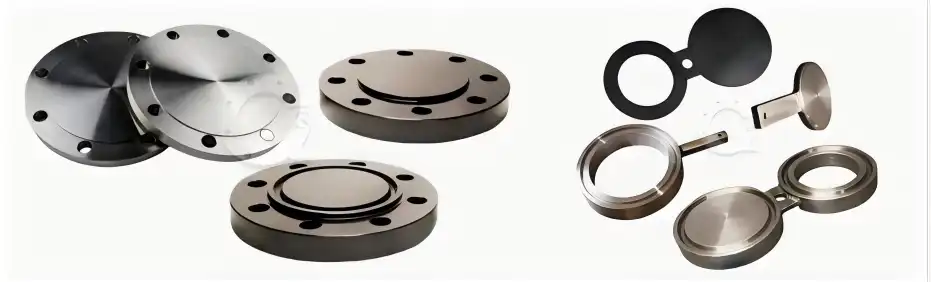
Understanding Blind Flanges and Their Key Dimensions
Blind flanges are special parts of pipes that are made to securely close off pipe ends or holes in pressure vessels. Unlike blank flanges, these parts meet specific size requirements for industrial pipeline uses in many areas. Many procurement workers don't understand the difference between blind and blank flanges, but it's important to know what they are for proper system design.
Essential Dimensional Parameters
To choose the right blind plate, you need to know the basic size and shape factors that affect performance and compatibility. The general size and installation needs within current pipe designs are based on the outer diameter measures. Bolt circle width requirements make sure that the circles line up correctly with the edges that they fit on and set the mechanical link strength needed for high-pressure uses.
The estimates for thickness are directly linked to the pressure levels and safety gaps that are needed for certain working circumstances. These measures are based on well-known guidelines, like ASME B16.5 and B16.47, which give detailed size charts for different pressure levels. Choosing the right material also affects these size issues, since different metals have different mechanical traits under stress and heat expansion factors.
Material Impact on Sizing Decisions
The choice of material has a big impact on the precision of measurements and long-term performance of blind flange installs. Grades of carbon steel like A105 and A36 are inexpensive choices for normal pressure uses. Grades of stainless steel like F304, F316, and F321 are better at resisting rust in harsh conditions. For nautical and coastal uses, super duplex materials like F53 and F55 offer great strength and resistance to rust.
The choice between forging and casting affects the accuracy of the measurements and the qualities of the material. Most of the time, forged blind flanges have better grain structure and mechanical strength, which makes them perfect for high-pressure uses that go beyond CLASS 1500 grades. For bigger diameter uses, cast choices are more cost-effective while still meeting the necessary measurement standards.
Criteria for Selecting the Right Blind Flange Size
To choose the right blink pipe flanges size, you must first carefully look at the pipeline specs, working factors, and weather conditions that determine what the system needs. Pressure classes set the standards for dimensions. For example, ANSI Class rates from 150 to 2500 tell us how thick the wall should be, what kind of bolts we need, and how the plate should be shaped overall. These pressure values have to match exactly with the pipe width requirements and the expected pressure needs throughout the entire operating lifespan.
Pressure Rating Considerations
When procurement professionals understand pressure rating systems, they can choose blind flanges that offer enough safety gaps without going overboard, which would raise project costs needlessly. At room temperature, CLASS 150 flanges can handle pressures of up to 285 PSI, which means they can be used for low-pressure water treatment and other industry tasks. CLASS 300 standards can handle temperatures up to 740 PSI, which means they can be used in chemical processes and power generation systems.
For higher pressure uses, you need CLASS 600, 900, 1500, or 2500 flanges that can handle the harsh conditions found in upstream oil and gas activities, high-pressure steam systems, and specialty chemical handling. For every pressure class, there are specific bolt designs, seal surfaces, and size limits that must match the pipeline infrastructure exactly.
Environmental and Operational Factors
Extreme temperatures have a big effect on the choice of material and the security of the dimensions of blind flange installations. For cryogenic uses, A350 LF2 materials work well at temperatures as low as -196°C. On the other hand, high-temperature steam systems may need special metals that can keep their shape at 800°C. These temperature factors affect not only the choice of material, but also the choice of seal and the strength requirements for bolts.
Corrosive conditions add extra problems that affect both the choice of material and the size needs. Super duplex stainless steels are good for marine uses that are subject to saltwater rust. On the other hand, materials that can handle hydrogen sulfide attack are needed for handling sour gas. Chemical processing plants that use strong acids or caustics need special alloys that have been shown to be resistant to those chemicals.
Comparing Blind Flanges to Other Flange Types for Size Decision-Making
For accurate purchasing and system improvement, it is important to be able to tell blind flanges apart from similar goods such as blank flanges, slip-on flanges, and different face designs. Even though blind and blank flanges look the same, they are often used for very different things and have very different size requirements. For permanent close purposes, blind flanges usually have certain design features built in. Blank flanges, on the other hand, may only be used as temporary covers or need extra cutting for certain uses.
Functional Differences and Applications
When compared to blink pipe flanges uses, slip-on flanges have different fitting features that affect size choices and how well they work. It's necessary to weld these flanges on both sides because they slip over the ends of pipes and create different stress levels and size requirements. Choosing between slip-on and blind flange designs affects how the system is designed generally, how easy it is to maintain, and how reliable it will be in the long run.
When it comes to high-pressure uses, weld neck flanges are stronger, but because they connect to the pipe integrally, they need to be sized differently. Knowing these differences helps buying teams choose the best flange type for each application while also making sure that the sizes are compatible with the pipeline equipment that is already in place.
Facing Configuration Options
Choosing between a flat face (FF), a raised face (RF), or a ring-type joint (RTJ) design has a big effect on how well it seals and what size it needs to be. When the face is raised above the bolt circle, the sealing surface is higher. This makes it easier to squeeze the gasket and stop leaks. These changes in size have an effect on the general thickness of the ring and the number of bolts that are needed, especially in high-pressure situations.
RTJ face designs can work with metal ring gaskets for high-temperature and high-pressure situations, which needs exact cutting limits and strict size standards. When buying RTJ flanges, it's important to pay close attention to the groove sizes and surface finish standards to make sure the gaskets fit properly and the seals work well.
Step-by-Step Guide: How to Measure and Choose the Correct Size
A methodical approach to choosing blind flanges improves accuracy and lowers the risk of purchasing mistakes that could damage the system or make it unsafe to use. Starting with a thorough collection of pipeline specifications sets the stage for making smart choices throughout the selection process.
Initial Specification Gathering
Pipeline paperwork gives important details like pipe diameter, schedule, pressure rating, and working conditions that help choose the right blind flange specs. Existing flange connections give exact measurements for the bolt circle diameter, bolt hole size, and face configurations that need to match. Operating pressure and temperature data help choose the right material and figure out the pressure class.
Service conditions like chemical interaction, changing temperatures, and contact to the environment help narrow down the choices of materials and coatings that should be used. It's important to keep track of the repair needs and entry issues because they affect the choice of flange type and size for future service needs.
Technical Validation Process
International flange measurement charts are a standard way to make sure that dimensions are the same for pipes and pressure levels of different types. The ASME B16.5 tables have all the dimensions you need for flanges with a diameter of up to 24 inches, and the ASME B16.47 tables are for uses with bigger diameters. Supplier datasheets list exact measurements and material approvals that make sure the product meets the needs of the project.
Material test results and licenses make sure that the chemical make-up, mechanical qualities, and agreement with standards like ASTM requirements are all correct. Dimensional inspection records show that the product was made correctly and can be tracked for quality assurance purposes. The evaluation steps keep installation delays from being expensive and make sure that the system will work reliably for a long time.
When you work with skilled providers like QinSteel, you can get access to technical know-how, the ability to customize products, and full quality testing programs. Our team helps with verifying measurements, choosing the best materials, and planning deliveries so that projects stay on schedule.
Conclusion
To choose the right blind flange size, you need to carefully think about a lot of technical and practical factors that have a direct effect on the safety and performance of the system. Procurement pros can make choices that improve operating efficiency and keep project costs low by knowing about measurement standards, pressure rates, material qualities, and weather conditions. The organized method explained in this guide gives you the structure you need to choose the right flange for a wide range of industrial uses.
In today's factories, every choice of component has to be made with great care. This is especially true for important sealing jobs, where failure can lead to more than just high maintenance costs; it can also cause safety risks and delays in operations. By following the steps and rules in this guide, buying teams can be sure that the blind flanges they choose will meet both the needs of the current fitting and the needs of long-term operation.
FAQs
In general, what size range do blink flanges cover?
Blink flanges come in a wide range of sizes, from 1/2" to 144" diameter, so they can be used for almost any industrial pipe purpose. For widths up to 24", normal sizes follow ASME B16.5 guidelines, while bigger sizes follow ASME B16.47 guidelines. Specialized production methods also make it possible to get products in sizes and shapes that aren't standard.
How do pressure levels change the size of a blind flange?
Ratings for pressure have a direct effect on the width of the base, the diameter of the bolt circle, and the total size. For flanges with the same standard diameter as CLASS 150 or 300, the walls must be much thicker and the bolt rings must be much bigger for higher pressure classes like CLASS 1500 and 2500. The choice of material also affects the pressure number and the size needs.
What kinds of materials work best in places where they can rust?
Stainless steel types like F316 and F316L, as well as super duplex metals like F53 and F55, are very good at resisting rust in harsh chemical conditions. The choice of material relies on the chemicals that will be present, the temperature, and the mechanical qualities that are needed. PMI testing makes sure that the material is correct and meets the standards of the design.
QinSteel: Your Trusted Partner for Premium Blink Flanges
You can count on QinSteel to be your reliable blink flanges provider. They offer precision-engineered sealing solutions that meet the strict needs of industrial uses around the world. Our wide range of products comes in sizes ranging from 1/2" to 144" and pressure grades from CLASS 150 to CLASS 2500, so they can be used with almost any type of pipe system. With 20 years of experience in manufacturing and the global supply chain, we know how important it is for corporate buyers to be sure of the dimensions, the quality of the materials, and the delivery schedule.
Our advanced production skills use cutting-edge CNC machine tools and quality control systems to make blink flanges that meet or beat international standards like EN1092-1, ASME B16.5 and API 6A. To make sure that every product is completely reliable in tough situations, it goes through a lot of tests, such as ultrasonic inspection, measurement verification, and material approval. To meet your needs for quick shipping, we keep a large stock of high-quality products like A105 carbon steel, F316 stainless steel, and super duplex metals.
The QinSteel edge goes beyond the quality of the products they sell. It also includes full expert support, the ability to customize orders, and reasonable pricing systems that are meant to make your purchasing as efficient as possible. Our engineering team works closely with clients to solve difficult application problems, help them choose the right materials, and create custom solutions that meet their specific operating needs. Get in touch with our experts at info@sxqinsteel.com to talk about your blink flanges needs and see what a difference working with a known leader in the field makes.

References
American Society of Mechanical Engineers. "ASME B16.5: Pipe Flanges and Flanged Fittings NPS 1/2 Through NPS 24 Metric/Inch Standard." ASME Press, 2020.
American Petroleum Institute. "API Specification 6A: Specification for Wellhead and Christmas Tree Equipment." API Publishing Services, 2019.
European Committee for Standardization. "EN 1092-1: Flanges and Their Joints - Circular Flanges for Pipes, Valves, Fittings and Accessories." CEN Publications, 2018.
ASTM International. "ASTM A182: Standard Specification for Forged or Rolled Alloy and Stainless Steel Pipe Flanges." ASTM Standards, 2021.
National Association of Corrosion Engineers. "NACE MR0175: Petroleum and Natural Gas Industries - Materials for Use in H2S-Containing Environments." NACE Press, 2020.
Manufacturers Standardization Society. "MSS SP-44: Steel Pipeline Flanges." MSS Publications, 2019.
Learn about our latest products and discounts through SMS or email