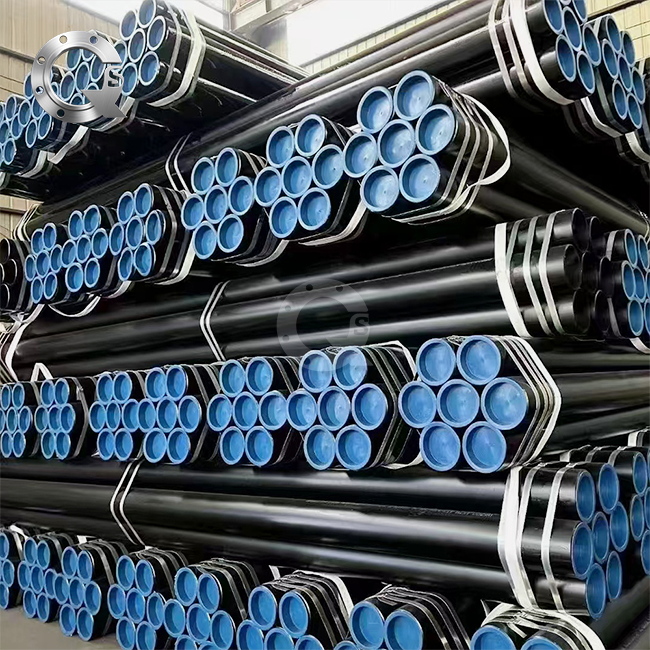
When moving oil and gas, the pipe's material must be carefully picked to make sure the pipeline systems are safe, work well, and last a long time. API 5L Gr. B carbon steel seamless pipe is a very good choice if you want to transport gas and oil. This oil & gas transmission carbon steel seamless pipe meets the safety standards of the oil and gas business because it is tough, can handle high pressure, and is used a lot in pipeline systems. Since it has a regular design, there are no weak spots along the length of the pipe. This makes it stronger and more reliable. The API 5L Gr.B standard makes sure that the pipe can handle the tough conditions that come with moving oil and gas, like high pressure, changing temperatures, and places that wear down materials.
Understanding Carbon Steel Seamless Pipes in Oil and Gas Transmission
Properties of Carbon Steel Seamless Pipes
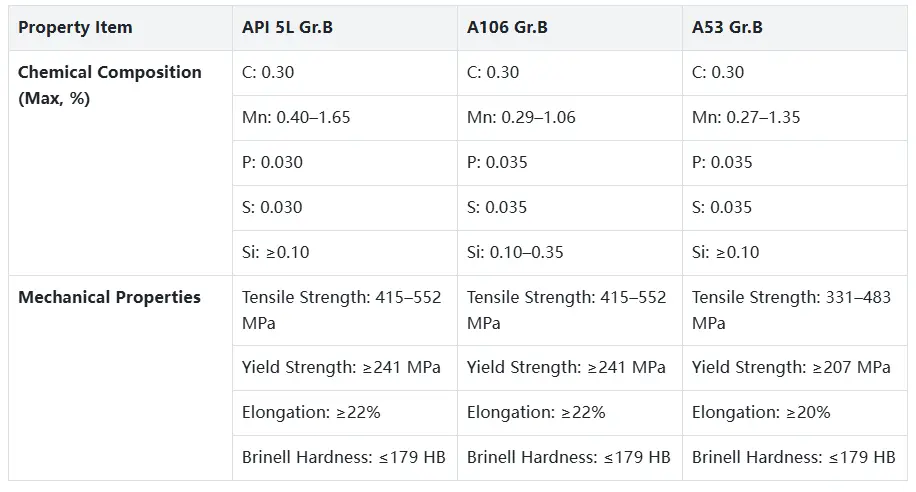
Seamless carbon steel pipes have a long lifespan and are very strong. Making these lines without any welding points makes it much less likely that they will be structurally weak. Because these lines are made of carbon, they have high tensile strength and can handle the high pressures that are common in systems that move oil and gas. Also, carbon steel seamless pipes are very bendable, so they can bend a lot without snapping. This means they can handle the stresses of installation and usage without breaking down.
Advantages of Seamless Pipes in Oil and Gas Applications
These lines work better for oil and gas when they are made without any holes. To start, not having welds gets rid of any weak spots that might leak or break under a lot of pressure. Since this build doesn't have any joints, the pipe is the same width throughout, making it stronger and more dependable. Also, seamless pipes tend to have smoother areas on the inside, which can make the flow more efficient and lower the chances of buildup inside the pipe. Because of these things, the plumbing system needs to be fixed more often and lasts longer.
API 5L Standard and Its Significance
The American Petroleum Institute created the API 5L standard to show companies how to make the best oil and gas pipelines. This standard includes a lot of different kinds of information, such as detailed details, testing needs, and information about chemicals. API 5L Gr.B is used a lot because it is strong and flexible. Pipes that meet this standard have to pass very hard tests to make sure they can handle the tough conditions of moving oil and gas. API 5L is a set of rules that pipes have to meet in order to be used in important cases. This makes operators and testers feel good about the oil & gas transmission carbon steel seamless pipe.
Factors Influencing the Selection of Carbon Steel Seamless Pipes for Oil and Gas Transmission
Pressure Ratings and Wall Thickness Considerations
The pressure number is something you should think about when moving oil and gas through carbon steel smooth pipes. The thickness of the pipe walls depends on the pressure that the piping system needs to work properly. API 5L Gr.B pipes come with walls of different thicknesses to meet a range of pressure needs. Based on a system's maximum allowable working pressure (MAOP), when engineers decide how thick the wall should be, they need to think about safety and possible pressure changes. Choosing the right pipe means that it won't break or bend while holding the liquids.
Temperature Resistance and Material Grade Selection
The weather along the pipeline route and the temperature of the liquid being moved are both very important for choosing the right materials. For most oil and gas transport uses, seamless carbon steel lines that meet the API 5L Gr.B standards are a good choice because they don't fail at high temperatures. But when it gets very hot or cold, like in oil places with high temperatures or pipes in the ocean, special kinds or extra treatments may be required. The material has to be tough and strong at both high and low temperatures. This will stop it from breaking in the heat or cold.
Corrosion Resistance and Environmental Factors
Oil and gas often have harmful chemicals in them that can damage pipes when they move through them, like hydrogen sulfide (H2S) and carbon dioxide (CO2). Usually, carbon steel seamless pipes don't rust easily, but if you use them where they could rust, you might need to protect them in another way. This could mean using metals that never rust, putting coatings on the inside, or using ways for cathodic protection. To keep the pipeline system working in the long run, the chemicals in the fluids and the surroundings, like the ground or the ocean, need to be taken into account when the fluids move through the oil & gas transmission carbon steel seamless pipes.
Installation and Maintenance Considerations for Carbon Steel Seamless Pipes in Oil and Gas Transmission
Proper Installation Techniques
When oil & gas transmission carbon steel seamless pipes are used to carry oil and gas, they need to be carefully planned and executed so that they work well and last a long time. When the pipe is being moved or is already on-site, the top and sides should not get broken. In most cases, the way to attach it is to weld the pipes together. People who are qualified welders have to do this in ways that are known to work. Check that the joint setup and placement are right to make sure there are no leaks and the links are strong. Valves, fittings, and other parts also need to be installed correctly to keep the pipe system in good shape.
Inspection and Quality Control Measures
It is important to check and control the quality of the pipeline when it is being built and when it is in use. Radiographic and ultrasonic testing are both non-destructive testing (NDT) methods that are often used to make sure that pipe material is safe and that welds are strong. Before they cause failures, smart pigs and other internal screening tools can help find issues like rust, dents, or cracks. It is important to do these things ahead of time to keep carbon steel seamless pipes used in oil and gas transfer systems safe and working well.
Long-term Maintenance Strategies
If oil & gas transmission carbon steel seamless pipes that are used to move gas and oil are properly taken care of, they will continue to work well for as long as possible. This includes checking the pipeline's pressure, flow rate, and other factors every day to see if anything has changed. These changes could cause things to go wrong. If you want to keep rust from forming, you should regularly check and take care of your cathodic protection devices. Cleaning the inside of the lines every once in a while can help keep the flow rate up and get rid of buildup. If you follow a detailed repair plan, it can also greatly extend the pipeline system's useful life. This plan should include routine checks and preventative maintenance tasks. This will lower the chances of expensive problems or disasters happening in the world.
Conclusion
To put it simply, API 5L Gr.B carbon steel seamless pipe is a great way to move oil and gas. It is great for difficult piping systems because it is tough, can handle high pressure, and doesn't rust or corrode easily. The smooth form gets rid of all the weak spots, making it more reliable. When these lines are properly installed, maintained, and cleaned, they become a safe, effective, and long-lasting way to transport oil and gas. Picking the right pipe material is still very important for making sure that transportation systems stay in good shape and work well, even as the industry changes.
FAQs
Why is the API 5L Gr. B carbon steel seamless pipe a good way to move oil and gas?
API 5L Gr.B carbon steel seamless pipe is a great choice because it's super strong, can handle a lot of pressure, and doesn't have any holes that could make it weaker.
What are the benefits of laying oil and gas lines in one go, with no breaks?
As pressure increases, buildings with smooth sides become stronger, leak less, and are more dependable.
When you choose carbon steel smooth lines to move oil and gas, what do you think about?
Being able to resist heat and rust, follow industry standards like API 5L, and survive under a lot of pressure are all very important.
Expert Carbon Steel Seamless Pipe Solutions for Oil and Gas Transmission | QinSteel
QinSteel guarantees that our API 5L Gr.B oil & gas transmission carbon steel seamless pipes are the best ones for transporting gas and oil. With twenty years of experience, we meet global standards and make goods that are well thought out and will last a long time. Our pipeline things will help your oil and gas projects stay on track and in good shape. You can always trust QinSteel's smooth pipes to be high-quality and low-cost. Email info@sxqinsteel.com if you want to talk about exactly what you need.
References
American Petroleum Institute. (2018). API Specification 5L: Specification for Line Pipe. Washington, DC: API Publishing Services.
Threadgill, P. L., & Lohwasser, D. (2019). Welding and Joining of Aerospace Materials. Woodhead Publishing.
Revie, R. W., & Uhlig, H. H. (2008). Corrosion and Corrosion Control: An Introduction to Corrosion Science and Engineering. John Wiley & Sons.
Palmer, A. C., & King, R. A. (2008). Subsea Pipeline Engineering. PennWell Books.
Bai, Y., & Bai, Q. (2014). Subsea Pipeline Integrity and Risk Management. Gulf Professional Publishing.
Antaki, G. A. (2003). Piping and Pipeline Engineering: Design, Construction, Maintenance, Integrity, and Repair. CRC Press.