- English
- French
- German
- Portuguese
- Spanish
- Russian
- Japanese
- Korean
- Arabic
- Greek
- German
- Turkish
- Italian
- Danish
- Romanian
- Indonesian
- Czech
- Afrikaans
- Swedish
- Polish
- Basque
- Catalan
- Esperanto
- Hindi
- Lao
- Albanian
- Amharic
- Armenian
- Azerbaijani
- Belarusian
- Bengali
- Bosnian
- Bulgarian
- Cebuano
- Chichewa
- Corsican
- Croatian
- Dutch
- Estonian
- Filipino
- Finnish
- Frisian
- Galician
- Georgian
- Gujarati
- Haitian
- Hausa
- Hawaiian
- Hebrew
- Hmong
- Hungarian
- Icelandic
- Igbo
- Javanese
- Kannada
- Kazakh
- Khmer
- Kurdish
- Kyrgyz
- Latin
- Latvian
- Lithuanian
- Luxembou..
- Macedonian
- Malagasy
- Malay
- Malayalam
- Maltese
- Maori
- Marathi
- Mongolian
- Burmese
- Nepali
- Norwegian
- Pashto
- Persian
- Punjabi
- Serbian
- Sesotho
- Sinhala
- Slovak
- Slovenian
- Somali
- Samoan
- Scots Gaelic
- Shona
- Sindhi
- Sundanese
- Swahili
- Tajik
- Tamil
- Telugu
- Thai
- Ukrainian
- Urdu
- Uzbek
- Vietnamese
- Welsh
- Xhosa
- Yiddish
- Yoruba
- Zulu
What Type of ASME B16.11 Fitting is Suitable for High-Pressure Instrumentation Pipelines?
Dec 16 2025
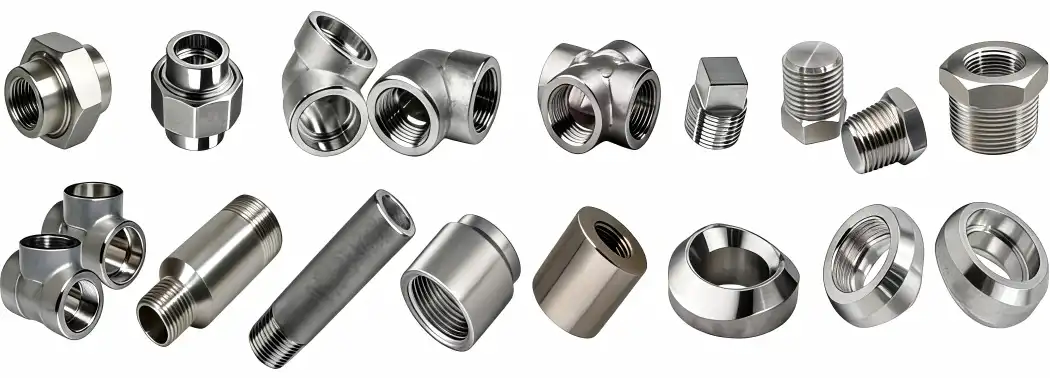
There is a better way to connect high-pressure monitoring lines than with ASME B16.11 forged socket weld fittings. Since these fittings are made to withstand high pressures, they are great for use in instrumentation systems that need to be tough. Since it was forged, it is stronger and will last longer. The socket weld design makes sure that the link is solid and won't leak. Elbows, tees, and couplings that are made to ASME B16.11 high-pressure instrumentation fitting standards can handle a lot of pressure and are used a lot in industries that put safety and stability first, such as oil and gas, petrochemicals, and power production.
Understanding ASME B16.11 Fittings for High-Pressure Applications
What are ASME B16.11 Fittings?
Forged steel is used to make Asme B16.11 fittings, which are made to work with pipe systems that need to handle high temperatures and pressures. These fittings are made in strict accordance with ASME rules. They make sure that the sizes, quality of the materials, and mechanical performance are all the same in a lot of different industry settings. So they can fit a range of pipe plans and flow needs, they come in different forms, such as elbows, tees, crosses, couplings, and unions. Because they were forged, they are stronger, which makes them great for places like power plants, refineries, petrochemical plants, and offshore environments where systems need to be reliable and last a long time to keep people safe.
Key Features of ASME B16.11 Fittings
A lot of important things about ASME B16.11 fittings make them great for tough installations and pipes that are under a lot of pressure. Cast iron makes them stronger and less likely to bend or break when heavy machinery is put on them. Plug-weld and threaded ends let installers make strong joints that won't leak. Since these fittings can handle pressures of over 9000 psi, they stay in place very well when temperatures or noises change quickly on the job. They are small and help make the most of space in pipe systems that are crowded or tight. They are great for skids, compressor stations, and setups with a lot of gear because of this.
Material Options for ASME B16.11 Fittings
ASME B16.11 high-pressure instrumentation fitting parts are made from a range of different materials that work well in a number of workplaces. Carbon steels, such as ASTM A105, are often used for heavy-duty tasks. Chemical or marine environments are better places for stainless steel types 304/304L and 316/316L to not rust. For places with a lot of heat, like steam systems and boiler circuits, alloy steels F11, F22, and F91 are used. Nickel-based alloys, such as Inconel, Monel, and Hastelloy, can stand up to high temperatures and acids that break down metal very well. Some of the things that affect the choice of material are the type of fluid, the temperature, the pressure, and the way it will be exposed to the surroundings.
Benefits of Using ASME B16.11 Fittings in High-Pressure Instrumentation Pipelines
Enhanced Safety and Reliability
Safety is very important in any high-pressure instrumentation system, since small problems with parts can lead to big issues. Structures made with ASME B16.11 fittings are very strong, and joints don't leak. This makes the chance of leaks, ruptures, or operating dangers much lower. Because they were cast, the grain structure is smooth and even, so there are no weak spots inside that could affect how well they work. This high level of dependability is very important in high-risk fields like oil and gas, petrochemicals, and power production, where system integrity directly impacts worker safety, environmental protection, and the ability to keep running.
Improved Performance Under Extreme Conditions
Instrumentation pipelines often have to work in places with high pressures, regular thermal cycling, and high temperatures. Even if these things go wrong, ASME B16.11 parts are still made to work well. This makes sure that measuring tools work right and keeps pipes in good shape. The small size of them also lowers pressure losses in the system, which helps keep flow characteristics steady and makes the whole thing work better. Choosing the right high-quality fittings can boost system performance by up to 15%, according to research from the American Petroleum Institute and other industry groups. This can be very useful in harsh industrial settings.
Cost-Effectiveness and Long-Term Value
It might cost more up front to get ASME B16.11 high-pressure instrumentation fitting valves instead of cheaper ones, but they will save you a lot of money in the long run. They last longer and need fewer new parts because they are strong because they are forged and don't rust or corrode easily. Long-term, this means that the pipeline will need less overall maintenance, shut downs won't happen as often, and will be more reliable. The National Association of Corrosion Engineers (NACE) says that repair costs can be cut by up to 30% if high-quality parts are used. And this makes them a good choice for long-term investments in building things.
Selecting the Right ASME B16.11 Fitting for Your Application
Factors to Consider When Choosing ASME B16.11 Fittings
If you want to make sure that the ASME B16.11 fitting you choose for a high-pressure instrumentation cable works safely and well, you should think about a number of technical and practical factors. To make sure the fitting can handle the expected loads, engineers have to check the maximum temperature and pressure that the system can handle. It's also important that the chemicals don't combine badly with the process fluids so that the corrosion or material loss doesn't happen faster. Small or unique patterns may not be possible if there isn't enough room in the installation area. To be sure of following the rules, both the government and the business must also follow their own rules and standards. A good way to make sure that the fittings you choose are right for your purpose is to talk to skilled engineers or suppliers.
Common Types of ASME B16.11 Fittings for Instrumentation
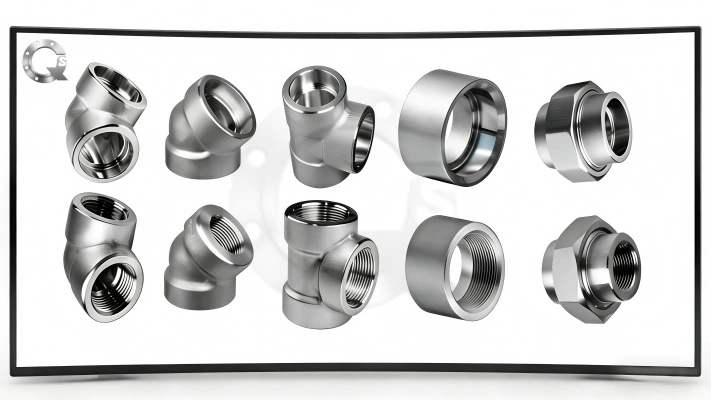
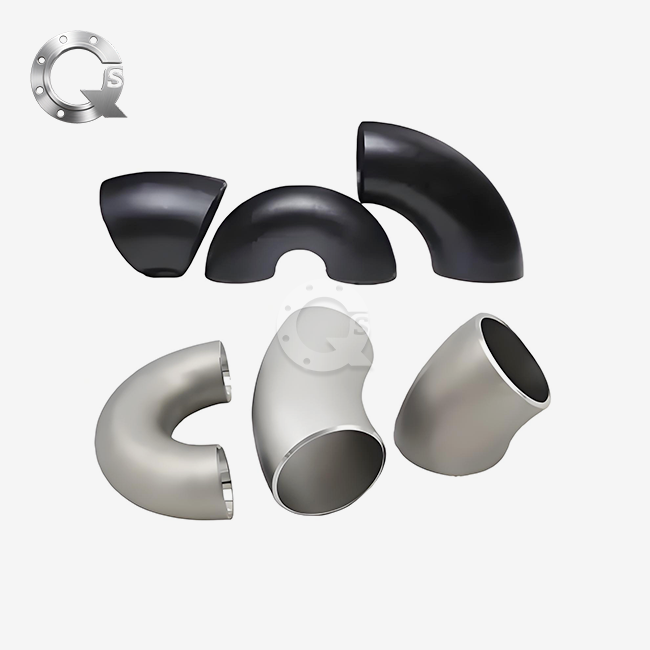
To connect high-pressure monitoring pipes, different ASME B16.11 fittings are used. Each one is designed to do a specific job in the system. Elbows let you change the flow direction without changing the pressure. Tees make it easy to split or join fluid lines. Couplings safely join two pieces of pipe together, and unions make it easy to separate parts to fix them or look at them more closely. It's easy to switch between pipes of different sizes with reducers, which keeps the system running freely. This set of fittings supports flexible system design when used together. This lets engineers build pipes that meet real-world needs while still being reliable and effective.
Installation and Maintenance Best Practices
To get the most out of ASME B16.11 high-pressure instrumentation fitting parts, they need to be put and taken care of in a very specific way. Installers should follow the manufacturer's instructions for force, alignment, and joint preparation so the system doesn't get weaker. To make links that don't leak in places with a lot of pressure, you need the right stuff. Regular checks should be done to find early signs of damage from things like rust, wear, or motor problems. A structured preventive maintenance program and careful records of installation, inspection, and fixes make it easier to keep track of the health of a system over time. The parts last longer and work better when you use these ways often.
Conclusion
ASME B16.11 forged socket weld fittings are the best choice for high-pressure instrumentation pipes because they are strong, reliable, and work well in harsh conditions. These parts make the system safer, work better, and cost less over time. When you install and take care of your high-pressure monitoring pipeline system the right way and choose the right type and material of ASME B16.11 fitting for the job, you can be sure that it will last a long time and work well.
How much force can an ASME B16.11 fitting take?
ASME B16.11 valves can handle pressures of 9000 psi or more if they are made of the right material and are in the right class.
Can ASME B16.11 parts be used in places where there is corrosion?
These fittings can work in places where metals rust as long as they are made of nickel alloys or stainless steel, which don't rust.
How do I know if the ASME B16.11 parts I'm installing are done right?
Follow the maker's directions, use the right tools, and maybe even talk to someone who has done this before to make sure it's done right.
High-Quality ASME B16.11 Fittings for Your Instrumentation Needs | QinSteel
As one of the biggest businesses that makes and sells ASME B16.11 high-pressure instrumentation fittings, QinSteel has a lot of high-quality items for your instrumentation pipelines that are under high pressure. Our trained staff can help you pick out the right parts for the job and make sure they will work well. Email us at info@sxqinsteel.com to learn more about our products and how we can assist you with your project.
References
American Society of Mechanical Engineers. (2017). ASME B16.11: Forged Fittings, Socket-Welding and Threaded.
Nayyar, M. L. (2000). Piping Handbook. McGraw-Hill Education.
American Petroleum Institute. (2018). API Specification 5L: Specification for Line Pipe.
National Association of Corrosion Engineers. (2019). NACE SP0106: Control of Internal Corrosion in Steel Pipelines and Piping Systems.
Smith, P. (2015). Piping Materials Guide: Selection and Applications. Elsevier Science.
Antaki, G. A. (2003). Piping and Pipeline Engineering: Design, Construction, Maintenance, Integrity, and Repair. CRC Press.
Learn about our latest products and discounts through SMS or email