According to the ASME B31.3 process piping code, pressure values depend on the type of material, the thickness of the wall, and the temperature at which the pipe is being used, including the use of a 90° butt weld elbow. At room temperature, carbon steel WPB fittings can usually handle pressures of up to 6,000 PSI. For high-temperature uses, the pressure needs to be lowered based on the maximum stress levels that can be tolerated at those temperatures.
English
- English
- French
- German
- Portuguese
- Spanish
- Russian
- Japanese
- Korean
- Arabic
- Greek
- German
- Turkish
- Italian
- Danish
- Romanian
- Indonesian
- Czech
- Afrikaans
- Swedish
- Polish
- Basque
- Catalan
- Esperanto
- Hindi
- Lao
- Albanian
- Amharic
- Armenian
- Azerbaijani
- Belarusian
- Bengali
- Bosnian
- Bulgarian
- Cebuano
- Chichewa
- Corsican
- Croatian
- Dutch
- Estonian
- Filipino
- Finnish
- Frisian
- Galician
- Georgian
- Gujarati
- Haitian
- Hausa
- Hawaiian
- Hebrew
- Hmong
- Hungarian
- Icelandic
- Igbo
- Javanese
- Kannada
- Kazakh
- Khmer
- Kurdish
- Kyrgyz
- Latin
- Latvian
- Lithuanian
- Luxembou..
- Macedonian
- Malagasy
- Malay
- Malayalam
- Maltese
- Maori
- Marathi
- Mongolian
- Burmese
- Nepali
- Norwegian
- Pashto
- Persian
- Punjabi
- Serbian
- Sesotho
- Sinhala
- Slovak
- Slovenian
- Somali
- Samoan
- Scots Gaelic
- Shona
- Sindhi
- Sundanese
- Swahili
- Tajik
- Tamil
- Telugu
- Thai
- Ukrainian
- Urdu
- Uzbek
- Vietnamese
- Welsh
- Xhosa
- Yiddish
- Yoruba
- Zulu
How to Verify Quality Certifications for Butt Weld 90 Degree Elbows?
Aug 6 2026
To check the quality of butt Weld 90 degree elbows, you need to look at material test records, dimensional inspection reports, and proof that the welding meets standards such as ASME B16.9 and ASTM A234. As part of the verification process, the qualifications of the supplier are checked against those of recognized testing agencies. Heat numbers and records of traceability are also checked, and it is made sure that the pipe fitting parts meet the required pressure ratings and material grades. Proper certification verification keeps purchasing teams safe from products that don't meet standards and keeps industrial pipeline systems working properly.
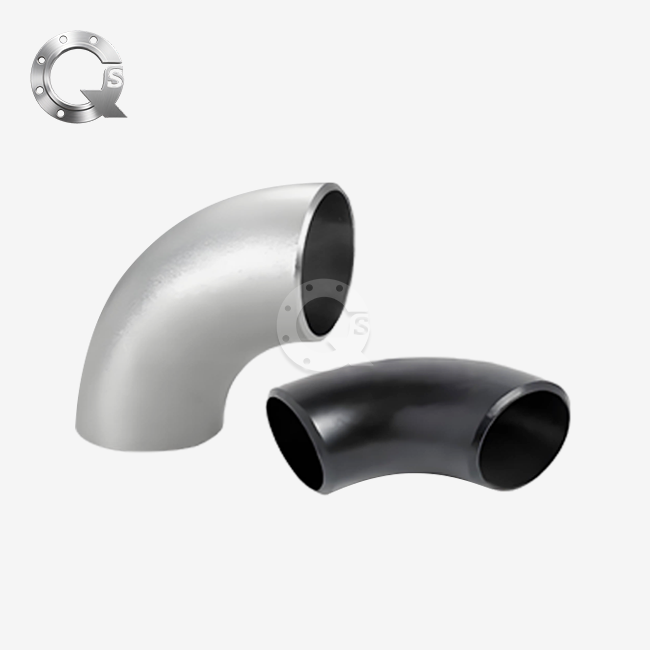
Understanding Quality Certifications for Butt Weld 90 Degree Elbows
Quality certifications are very important in industrial buying, especially when looking for important pipeline parts. These certifications show that welded elbow fittings are made to strict standards and have the right mechanical qualities for tough jobs in the oil and gas, chemical processing, and power generation industries.
Essential Certification Types and Their Significance
Getting ISO 9001 certification shows that a company is dedicated to quality management systems and consistent output methods. This certification makes sure that every 90-degree elbow fitting goes through a set of systematic quality control steps while it is being made, from choosing the raw materials to the final review. Companies that follow ISO 9001 standards tend to have lower failure rates and better ways of documenting their work.
ASTM compliance certifications show that elbow fittings meet certain standards for material composition and mechanical properties. These standards say what chemicals can be used in different types of steel, like carbon steel A234 WPB and stainless steel A403 WP304/316. The material certificates also list the necessary values for tensile strength, yield strength, and elongation that make sure the product works well under operational stresses.
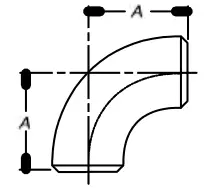
The ASME B16.9 certification makes sure that welded fittings are the right size and meet the pressure number. This standard sets requirements for wall thickness, length and width from end to end, and radius measurements for both long and short radius designs. ASME certification is used by procurement professionals to make sure that the equipment will fit correctly during construction and work with other pipeline systems.
Regulatory Compliance Across Industries
Different types of industries have different licensing needs because of the risks involved and the rules that govern them. For safety-related parts, nuclear power plants need ASME Section III certification. Offshore oil platforms, on the other hand, need more corrosion tests according to NACE MR0175 standards. Knowing these sector-specific needs helps buying teams figure out which certification levels are right for their projects.
Common Standards and Specifications for Butt Weld 90 Degree Elbows
Pipeline fitting specs cover a lot of technical details that have a direct effect on the safety and performance of the system. Minimum requirements for material properties, dimensional tolerances, and manufacturing methods are set by these standards. This makes sure that the quality is the same from one supplier to the next and from one production batch to the next.
Material Standards and Composition Requirements
The ASTM A234 standard covers forged parts made of carbon steel and alloy steel. It sets limits for chemicals like carbon, manganese, phosphorus, and sulfur. These limits make sure that the material can be welded and has good mechanical properties for use in mild to high temperatures. The standard also lists the conditions for heat treatment that improve the structure of the grains and get rid of any stress left over from the making process.
Fittings made of stainless steel must meet the standards set out in ASTM A403. These rules cover austenitic, ferritic, and duplex grades. Type 304 stainless steel has 18–20% chromium and 8–10.5% nickel, which makes it very resistant to corrosion in most chemical conditions. Type 316 grades have 2 to 3 percent molybdenum added to them to make them more resistant to corrosion caused by chloride. This makes them good for use in marine and chemical processing uses.
Dimensional and Pressure Rating Standards
For welded fittings, ASME B16.9 sets the center-to-end dimensions, wall thickness schedules, and pressure values. Different pressure needs can be met by standard weight (STD) and extra strong (XS) wall thicknesses. Schedule numbers such as SCH 40, SCH 80, and SCH 160 give exact thickness requirements. These size guidelines make sure that fittings from different companies can work with each other and that pipe systems can be properly connected.
Step-By-Step Approach to Verify Certifications
Systematic certification verification protects investments in buying and makes sure that project requirements are met. This organized method helps find possible quality problems with parts before they get to the job site, which keeps the building process from being held up and unsafe.
Documentation Collection and Initial Review
To start the verification process, ask possible suppliers for full certification packages. For each output lot, the Material Test Certificate should have records of the heat treatment process, the chemical analysis results, and the mechanical property test data. These certificates need to include unique heat numbers that can be used to track the products from the raw materials all the way through to delivery.
Certificate of Compliance documents prove that goods meet certain standards and customer needs. Real certificates have information about the testing lab's accreditation number, the person who is allowed to sign, and detailed test results that show they follow the rules. Check these papers to make sure they are complete and match the requirements of the purchase order.
Reports on dimensional inspection make sure that the shape of the fitting meets the standards of ASME B16.9. The center-to-end measures, outside diameter, wall thickness, and ovality checks should all be included in these reports. They should be made with calibrated measuring tools. Dimensional reports that are acceptable show measurement error and use the right inspection standards.
Authentication and Traceability Verification
When you can, compare the information on the certificate with records from the issuing laboratory. A lot of approved testing centers have online verification systems that let you use unique ID numbers or QR codes to prove that a certificate is real. This step of checking helps find fake or changed paperwork that could point to low-quality goods.
For heat number traceability, make sure that material certificates match marks on fittings and labels on packaging. Legitimate suppliers keep detailed records that connect heat numbers to specific production batches. This makes it possible to track the whole past of a material. When better traceability paperwork is needed for important uses, ask steel producers for mill test certificates.
If you are working with new suppliers or high-value purchases, you should call testing laboratories directly to make sure the certificates are real. The lab staff can confirm that the certificates were given legally and give more information about the testing methods and quality control measures used during the evaluation.
Third-Party Verification Options
Independent inspection services give you extra peace of mind when you're buying things in bulk or for important uses. Some of the services that are offered are checking the sizes, figuring out what the materials are made of, and testing their mechanical properties at neutral sites. Third-party inspection gets rid of supplier bias and gives an unbiased estimate of quality.
Factory audits look at the quality systems, manufacturing methods, and certification procedures of suppliers. Auditors who are qualified look at records of equipment calibration, training documents for employees, and quality control procedures to see if a supplier can regularly make certified products. The results of audits help buying teams choose suppliers in a smart way.
Comparing Certification Requirements Across Different Markets and Materials
Regional differences in regulations and material-specific requirements have a big effect on the certification needs of foreign procurement programs. Understanding these differences helps choose the best supplier and makes sure that all the rules are followed in a number of different project sites and regulatory areas.
Regional Certification Variations
For pressure-containing parts to be sold in Europe, they usually need to have the CE label and follow the rules in the Pressure Equipment Directive. For PED certification, there are different conformity assessment processes for different pressure and volume classifications. For higher-risk uses, a notified body needs to be involved. To meet the standards for CE marking, European suppliers often keep large files of technical documentation.
North American projects put a lot of emphasis on meeting ASME and ASTM standards. When parts are placed in federally regulated facilities, they also need to have Canadian Registration Numbers. Some U.S. states require extra certifications for environmental or public utilities, which makes procurement rules location-specific and affects the choice of seller.
Asian markets often accept foreign standards, but they still have their own certification rules for local projects. Some pressure tank parts need to be China Compulsory Certified in places like China, and Japanese industrial standards may apply to building facilities in Japan.
Material-Specific Certification Differences
When certifying a 90° butt weld elbow, the main focus is on making sure that it has the right mechanical properties and weldability for general commercial use. The tensile strength, yield strength, and Charpy impact numbers at certain temperatures are emphasized on A234 WPB material certificates. These features make sure that the material works well in moderate-temperature settings that are popular in water treatment and industrial manufacturing.
For stainless steel certifications, there are extra tests for corrosion protection and intergranular corrosion susceptibility. For marine and chemical industry uses, pitting resistance equivalent numbers help figure out how resistant something is to chloride. To get the best corrosion protection, austenitic stainless steels need to be checked for solution annealing heat treatment.
Special certification processes are needed for duplex and super duplex alloys to make sure they have balanced austenite-ferrite microstructures and better mechanical qualities. These materials need to be carefully heated and may need more tests to see how well they prevent stress corrosion cracking in chloride environments. Microstructural study results and data on mechanical properties at high temperatures are usually included in certification paperwork.
Practical Tips and Common Challenges in Verifying Certifications
In the real world, verifying certifications often comes up against problems that need to be solved in a flexible way and with knowledge of the specific business. Procurement workers with a lot of experience come up with organized ways to deal with these problems while still meeting quality standards and project deadlines.
Addressing Documentation Deficiencies
One of the most common problems with proof is that certification documents are often missing or not clear. When test certificates for materials don't have all the information you need, you should ask testing labs or material producers for more information. To avoid these problems during the quotation process, make sure that purchase orders have clear documentation requirements.
When certificates are given in formats other than English, they can make foreign business more difficult. Hire skilled technical translators who know how to use metallurgical terms to make sure that important technical information is understood correctly. Some sellers offer certificates that are written in two languages or English translations that were made by certified translation services.
Sometimes, expired or out-of-date certifications show up in supplier submissions, especially for products that will be kept for a long time. Check the dates on the certificates against the production schedules for the materials and ask for new tests when shelf-life limits apply to certain types of materials or environmental exposure conditions.
Leveraging Technology for Verification Efficiency
Digital certificate verification systems make it easier to authenticate people and lessen the work that needs to be done by hand. A lot of the time, these systems connect to databases from more than one testing lab and automatically alert you to any possible problems or fake paperwork. For buying programs that buy a lot of things, investing in verification technology pays off.
Blockchain-based traceability systems are new technologies that make material approval more reliable and lower the risk of fakes. Early adopters in the steel business are putting these systems in place to make certification records that can't be changed and to make the supply chain more clear.
Mobile inspection apps let you check the markings on materials and their measurements in the field during receiving inspections. Before installation starts, these tools help make sure that the delivered materials match the certification paperwork and meet the standards.
Xi'an QinSteel Trading Co., Ltd: Your Trusted Partner for Certified Pipe Fittings

Xi'an QinSteel Trading Co., Ltd is one of the best places in the world to buy and make high-quality butt weld 90-degree elbows. They have been in the business for 20 years and are dedicated to quality and certification success. We can deliver fully certified products that meet the strictest procurement requirements in a wide range of industrial settings because we have a deep knowledge of both international standards and regional requirements.
Comprehensive Product Range and Specifications
Our manufacturing skills include both seamless and Butt Weld 90 degree elbows in sizes from 1/2" to 48", so we can meet the needs of almost any pipeline system. Some of the materials they offer are carbon steel grades A234 WPB, WP5, WP9, WPC, WP11, WP12, and WP22; stainless steel grades A403 WP304, WP316, WP321, and WP32750; and special alloys like UNS 31803 duplex steel. This wide range of materials guarantees the best performance in a wide range of settings, from simple water systems to tough petroleum processing areas.
Options for wall thickness range from Schedule 5s to XXS. This gives users a choice of pressure ratings for a wide range of uses, from low-pressure utility systems to high-pressure oil and gas transmission pipes. To get the best flow characteristics and installation room, you can choose between long radius and short radius configurations. Every product is made in strict accordance with ASME B16.9 dimensional standards and comes with all the necessary approval paperwork.
Quality Assurance and Certification Excellence
Our quality control methods go above and beyond what is expected in the business by using thorough testing protocols and strict documentation standards. To make sure there are no flaws in the goods, 100% non-destructive testing is done on each batch, including ultrasonic thickness measurement and dye penetrant inspection. Testing with hydrostatic pressure shows that the seal works well at pressures up to 6,000 PSI.
During the manufacturing process, CNC forming equipment keeps the limits for sizes within ±0.5mm. This makes sure that the parts fit perfectly when they are installed in the field. Material tracking records keep track of everything from the steel mill heat numbers to the delivery of the finished product. This helps meet the strictest quality standards in nuclear, offshore, and chemical processing environments. Our quality management system is ISO 9001 certified, which means that methods are always the same and there are always ways to make things better.
Global Supply Chain Capabilities
Our smart inventory management keeps more than 50,000 units in stock in common sizes and materials, so we can ship them right away for projects that need to be done quickly. This big investment in inventory gets rid of delays in purchasing things and supports just-in-time delivery schedules, which are very important for the success of building projects. OEM/ODM solutions can be made with custom manufacturing, and wait times for non-standard specifications are usually between 15 and 20 days.
Competitive pricing structures are based on close ties with factories and efficient production methods that usually cut costs by 25% compared to regional wholesalers. Our price model makes cost structures clear and doesn't include any hidden fees. This helps with accurate project budgeting and planning for purchases. Volume pricing incentives are good for long-term partnerships and big project agreements.
Conclusion
Checking quality certifications for butt weld 90-degree elbows means carefully looking at paperwork, making sure standards are met, and making sure the seller can be trusted. This is to make sure the pipeline system works safely and reliably. To do verification right, you need to know about relevant standards like ASME B16.9 and ASTM A234/A403 and be able to use useful authentication methods like cross-referencing certificates and using third-party validation services. Setting clear certification standards early on in the sourcing process and keeping relationships with certified suppliers who consistently follow good quality and documentation practices is good for procurement teams. Putting money into thorough certification checks stops failures that cost a lot of money, makes sure that regulations are followed, and supports long-term operational reliability in important industrial uses.
FAQ
How can I confirm the genuineness of quality certifications?
Verify certificate authenticity by cross-referencing document information with issuing laboratory databases and contacting testing facilities directly. Legitimate certificates include specific heat numbers, accredited laboratory identification, and authorized signatory information that can be independently verified. Be cautious of certificates with poor print quality, missing accreditation marks, or inconsistent formatting that may indicate fraudulent documentation.
Which certifications should I prioritize for high-pressure applications?
High-pressure applications require ASME B16.9 compliance for dimensional accuracy, ASTM material standards for mechanical properties, and hydrostatic test certificates confirming pressure rating capability. Additional certifications like NACE MR0175 for sour service or API 6A for wellhead applications may be mandatory depending on specific operating conditions and regulatory requirements.
What are the differences between stainless steel and carbon steel elbow certifications?
Stainless steel certifications include additional corrosion resistance testing, intergranular corrosion evaluations, and solution annealing verification beyond standard mechanical property testing required for carbon steel grades. Stainless steel certificates often specify pitting resistance equivalent numbers and may include specialized testing for stress corrosion cracking resistance in chloride environments.
How long are quality certifications typically valid?
Material test certificates remain valid indefinitely for the specific production lot they represent, as they document inherent material properties that do not change over time. However, some industries or applications may require updated testing for materials stored beyond certain timeframes, particularly for specialty alloys or environmentally sensitive applications.
Partner with QinSteel for Your Certified Butt Weld 90 Degree Elbow Requirements
QinSteel delivers industry-leading butt weld 90 degree elbow solutions backed by comprehensive certifications and two decades of manufacturing excellence. Our ASME B16.9 certified products serve oil and gas, power generation, and chemical processing industries with materials ranging from carbon steel A234 WPB to stainless steel A403 WP316 variants. Connect with our technical team at info@sxqinsteel.com to discuss your certification requirements and discover why leading butt weld 90 degree elbow suppliers choose QinSteel for their critical piping system components.

References
American Society of Mechanical Engineers. ASME B16.9-2018: Factory-Made Wrought Buttwelding Fittings. New York: ASME Press, 2018.
ASTM International. ASTM A234/A234M-19: Standard Specification for Piping Fittings of Wrought Carbon Steel and Alloy Steel for Moderate and High Temperature Service. West Conshohocken: ASTM International, 2019.
International Organization for Standardization. ISO 9001:2015 Quality Management Systems - Requirements. Geneva: ISO Publications, 2015.
National Association of Corrosion Engineers. NACE MR0175/ISO 15156: Petroleum and Natural Gas Industries - Materials for Use in H2S-Containing Environments. Houston: NACE International, 2020.
European Commission. Pressure Equipment Directive 2014/68/EU: Guidelines for Conformity Assessment Procedures. Brussels: EU Publications Office, 2016.
American Petroleum Institute. API Specification 6A: Specification for Wellhead and Christmas Tree Equipment. Washington: API Publishing Services, 2019.
Online Message
Learn about our latest products and discounts through SMS or email