- English
- French
- German
- Portuguese
- Spanish
- Russian
- Japanese
- Korean
- Arabic
- Greek
- German
- Turkish
- Italian
- Danish
- Romanian
- Indonesian
- Czech
- Afrikaans
- Swedish
- Polish
- Basque
- Catalan
- Esperanto
- Hindi
- Lao
- Albanian
- Amharic
- Armenian
- Azerbaijani
- Belarusian
- Bengali
- Bosnian
- Bulgarian
- Cebuano
- Chichewa
- Corsican
- Croatian
- Dutch
- Estonian
- Filipino
- Finnish
- Frisian
- Galician
- Georgian
- Gujarati
- Haitian
- Hausa
- Hawaiian
- Hebrew
- Hmong
- Hungarian
- Icelandic
- Igbo
- Javanese
- Kannada
- Kazakh
- Khmer
- Kurdish
- Kyrgyz
- Latin
- Latvian
- Lithuanian
- Luxembou..
- Macedonian
- Malagasy
- Malay
- Malayalam
- Maltese
- Maori
- Marathi
- Mongolian
- Burmese
- Nepali
- Norwegian
- Pashto
- Persian
- Punjabi
- Serbian
- Sesotho
- Sinhala
- Slovak
- Slovenian
- Somali
- Samoan
- Scots Gaelic
- Shona
- Sindhi
- Sundanese
- Swahili
- Tajik
- Tamil
- Telugu
- Thai
- Ukrainian
- Urdu
- Uzbek
- Vietnamese
- Welsh
- Xhosa
- Yiddish
- Yoruba
- Zulu
How to Select the Right ASME B16.11 Plug for High-Pressure Piping
Aug 5 2026
When choosing the right ASME B16.11 plug for high-pressure pipe systems, you need to think carefully about the pressure ratings, the compatibility of the materials, and the needs of the particular application. The right choice guarantees the best sealing performance, stops system breakdowns, and keeps operations safe in harsh industrial settings. An ASME B16.11 plug needs to be compatible with your system's pressure class, working temperature range, and chemicals. It also needs to be able to be installed using either threaded or socket weld methods.

Understanding ASME B16.11 Plugs: Specifications and Types
Plugs that meet ASME B16.11 standards are important parts of high-pressure pipe systems because they seal off pipe openings, valve ports, and equipment connections, either forever or temporarily. The American Society of Mechanical Engineers has strict rules that these forged parts must follow. This makes sure that the quality and accuracy of the dimensions are the same everywhere in the world.
Standard Classifications and Pressure Ratings
As part of the ASME B16.11 standard, forged fittings must meet certain limits for size and pressure. There are three standard pressure classes: 3000LB, 6000LB, and 9000LB. Depending on the temperature, each class can handle a different highest working pressure. In normal situations, the 3000LB class can handle pressures up to 5000 PSI at room temperature. In some cases, 9000LB rated plugs can handle pressures over 15,000 PSI.
The nominal pipe diameter runs from 1/8 inch to 4 inches, so they can fit both small instrumentation lines and larger process pipes. Each size stays true to the exact threading standards or socket weld dimensions set by ASME B16.11. This makes sure that they can be used with pipe fittings and valves that are the same size.
Connection Types and Installation Methods
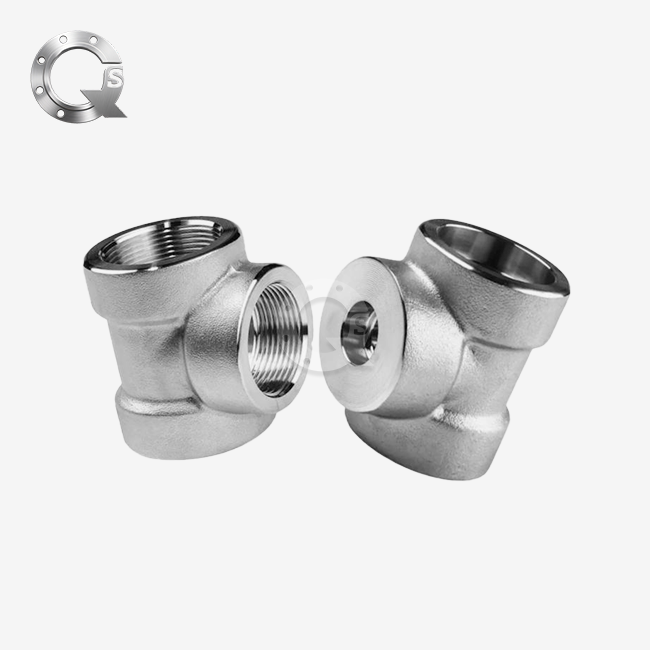
Threaded and socket weld configurations are the two main types of connections used in ASME B16.11 plug uses. The NPT (National Pipe Thread) specifications on threaded plugs make them easy to remove for repair or temporary sealing. The threading engages mechanically with female threads on pipe valves or equipment ports that have the same threading.
Socket weld plugs can be permanently installed through welding, making seals that won't leak that are good for high-pressure uses that need to be precise. The socket shape fits pipe ends perfectly, allowing full penetration welds that are as strong as the materials around the pipe. Socket weld installations are better for dangerous or high-consequence situations because they don't have the possible leak paths that come with threaded connections.
Material Options and Performance Characteristics
The choice of material has a big effect on how well the plug works in different situations. Grades of carbon steel like A105 and A105N are very strong and don't cost a lot for general industrial uses. These materials can handle moderate temperatures and fluids that don't corrode, and they have better mechanical qualities for high-pressure use.
Chemical processing and marine uses can benefit from stainless steels like A182 F304 and F316, which are more resistant to corrosion. The molybdenum added to the 316 grade makes it more resistant to corrosion caused by chloride. This makes it good for use in marine and desalination processes. For low-temperature work, special materials are needed, like A350 LF2, which stays flexible at temperatures below zero without breaking.
Key Criteria for Selecting the Right ASME B16.11 Plug

To choose the right plug, you need to look at a number of technical factors that affect the system's long-term performance and dependability. When procurement managers and engineers know these criteria, they can make choices that are safer and more cost-effective.
Pressure and Temperature Compatibility
The minimum requirements for ASME B16.11 pipe plug pressure ratings and material specifications are set by the working conditions of the system. When you figure out the working pressure, you have to take into account changes in temperature, pressure surges, and safety margins that are usually between 1.5 and 4 times the regular operating pressure. Changing the temperature between startup and stop conditions can cause thermal fatigue and stress in materials.
For uses above 400°F, it's important to choose the right material so that it doesn't creep distort and the seal stays intact. On the other hand, materials that can handle service below 0°F must still be tough when hit and not break easily. When pressure and temperature meet, they decide the maximum stress that can be applied and the right safety factor for each plug design.
Chemical Compatibility and Corrosion Resistance
The properties of the process fluid affect the choice of material in ways that go beyond basic mechanical needs. Corrosive chemicals, like acids, caustics, and chlorides, attack certain metal structures and can quickly break things down if the wrong materials are chosen. Knowing how corrosion works helps you choose the right material types and possible coatings that will protect them.
Because hydrogen can weaken some types of steel, it needs extra care when used in service uses. When hydrogen is exposed to high temperatures and pressures, it may cause high-strength materials to crack. Specifications for materials like A694 F65 give them the right amount of power while still being compatible with hydrogen service.
Installation and Maintenance Considerations
The choice between threaded and socket weld joints is based on how easy they are to access and how often they need to be maintained. Threaded plugs can be taken out for cleaning or inspection without having to be cut, so they are good for places that need to be accessed from time to time. However, thread engagement must have enough mechanical power to handle the expected pressure loads.
Socket weld setups need skilled welders and sometimes a heat treatment after the weld, but they get rid of the worry that the thread will get stuck or come loose during thermal cycling. Welded connections are permanent, which makes them good for places where entry is limited but long-term dependability is very important. Planning an installation should take into account the availability of experienced welders and the right way to do the welding.
Evaluating Material and Performance for High-Pressure Applications
How well a material works in high-pressure situations relies on its metallurgical properties, the quality of its manufacture, and the conditions of its use. Knowing how various materials react to stress, weather, and chemical exposure can help you choose the best plug for your needs.
Mechanical Properties and Strength Requirements
Grades of carbon steel like A105 have great tensile and yield strengths for general high-pressure use. The even microstructure gives the material consistent mechanical qualities and good weldability for socket weld uses. Tensile strengths of these materials usually go over 70,000 PSI, and yield strengths are around 36,000 PSI. This is enough safety margin for most commercial uses.
Some types of stainless steel are weaker than others because they don't rust. For example, 316 stainless steel has a tensile strength of about 75,000 PSI. The austenitic structure keeps its toughness at both high and low temperatures, so it can be used in harsh circumstances. But stainless steels may work-harden while they are being installed, so they need to be handled carefully so they don't crack.
Corrosion Resistance and Environmental Factors
Conditions in the environment besides process fluids have an impact on the choice of materials and their long-term performance. Corrosion in the atmosphere from marine settings or pollution from factories can damage the outside of things even when the inside is fine. For longer service life, protective coverings or materials that don't rust naturally may be needed.
When two different metals touch each other in an electrolyte, galvanic corrosion can happen, which could speed up a limited attack. Making sure that all the metals in the piping system are suitable stops electrochemical corrosion that could damage the plug. When carbon and stainless steel parts are mixed, insulating seals or coatings may be needed.
Quality Control and Manufacturing Standards
The quality of the manufacturing process has a direct effect on how well and reliably the ASME B16.11 pipe plug works in high-pressure service. Heat treatment methods change the structure of the grains and the material's mechanical properties. To get the desired properties, they need to be carefully controlled. If you don't treat something properly with heat, it can develop weak spots or not be strong enough, which can cause it to break too soon.
In high-pressure situations, where small differences can cause stress buildup or sealing problems, accuracy in dimensions is very important. Tolerances set by ASME B16.11 make sure that parts always fit together correctly, but differences in manufacturing still need to be checked and confirmed. Ultrasonic examination and other non-destructive testing methods can find flaws inside that could lead to failure under stress.
Procurement Insights: How to Buy ASME B16.11 Plugs Efficiently
A good procurement strategy strikes a balance between the need for quality and the need to save money, all while making sure that there are reliable supply chains and technical help. Knowing how the market works and what suppliers can do can help you make better buying choices for both one-time projects and ongoing upkeep.
Supplier Evaluation and Quality Assurance
Manufacturers with a good reputation use certified quality control systems and thorough testing programs to show that their products are always of high quality. ISO 9001 certification ensures basic quality, while industry-specific certifications like API ensure unique knowledge. Facilities that make things should have tracking systems that keep track of materials from the time they are raw materials until they are inspected for quality.
Testing capabilities distinguish quality suppliers from basic manufacturers. Hydrostatic testing makes sure that the structure can hold pressure, and dimensional checking makes sure that it fits correctly with other parts. Chemical analysis confirms what the material is made of, and mechanical testing proves its strength. Suppliers should give certified test results that show that these checks were done.
For important apps, third-party inspection services add another layer of quality assurance. Verification by a third party of dimensions, materials, and testing lowers the risk of procurement and gives buyers faith in what suppliers say. Third-party services, on the other hand, may not be worth the extra cost and time they take for simple tasks.
Cost Optimization and Volume Purchasing
Buying in bulk takes advantage of economies of scale to lower unit costs and make sure there is enough inventory for planned upkeep tasks. Annual blanket orders with planned releases give suppliers a way to predict demand and buyers a way to get good prices. But the savings on the purchase price must be weighed against the costs of keeping the product and the risk of it becoming obsolete.
Standardization across many projects or sites lets you combine a lot of items into one purchase, which makes it easier to make the purchase. Limiting the types of materials and connections makes managing supplies easier while still letting designers be flexible. But too much standardization could make it harder to optimize performance for some apps.
Lead Time Management and Supply Chain Reliability
Most of the time, standard plug configurations have shorter shipping times than specialized or custom designs. Suppliers usually keep popular sizes and materials in stock, which lets urgent needs be met quickly. But using unique materials or sizes that aren't standard may mean that the manufacturing process takes longer, which can affect project plans.
Shipping logistics, customs processes, and possible differences in quality all add to the complexity of global supply chains. It may be easier to talk to and get things from sellers in your own country, but sources in other countries may be cheaper or have more specialized skills. Risk assessment should look at the possibility of supply chain disruptions and come up with good ways to reduce those risks.
Company Introduction and Product & Service Information
QinSteel is a reliable global seller of ASME B16.11 plugs designed for use in high-pressure pipes in a wide range of industries. With more than 15 years of experience in specialized manufacturing, we can make precision-forged plugs that meet strict ASME standards. We also offer ISO 9001-certified quality assurance and fast shipping all over the world.
In sizes running from 1/8 inch to 4 inches, our wide range of products includes both threaded and socket weld plugs. For general industrial use, carbon steel grades A105 and A105N are available. For cryogenic applications, low-temperature A350 LF2 is available. High-strength A694 F65 is available for demanding pressure service. And for chemical processing environments, corrosion-resistant stainless steel grades A182 F304 and F316 are available.
Our dedication to dimensional precision and mechanical performance is based on our goal of manufacturing excellence. There are strict hydraulic tests that are done on each plug to make sure it can hold up to 9000 LB of pressure. Through certification of the raw materials all the way through to the final review, our quality control systems keep track of all the materials and make sure they always work the same way and follow the rules.
Customization lets you make solutions that fit the needs of a specific application. When normal configurations can't meet certain performance criteria, our engineering team works with clients to change the sizes, choose the best materials, and apply special coatings. OEM and ODM services help equipment makers who need plug options that are integrated.
Conclusion
Selecting the appropriate ASME B16.11 plug requires systematic evaluation of pressure requirements, material compatibility, installation methods, and environmental conditions. Proper selection ensures reliable sealing performance while minimizing maintenance costs and safety risks. The choice between threaded and socket weld connections depends on accessibility requirements and performance criticality, while material selection must balance mechanical properties with corrosion resistance and cost considerations. Working with experienced suppliers who understand application requirements and maintain consistent quality standards provides the foundation for successful high-pressure piping systems that deliver long-term operational reliability.
FAQ
What is the difference between threaded and socket weld ASME B16.11 plugs?
Threaded plugs feature NPT threading that allows removable installation for maintenance access or temporary sealing applications. Socket weld plugs require welding for permanent installation, providing superior sealing integrity and strength for critical high-pressure applications where removal is not anticipated.
How do I determine the correct pressure rating for my application?
Calculate the maximum working pressure including surge pressures and apply appropriate safety factors typically ranging from 1.5 to 4.0 times operating pressure. Consider temperature effects on allowable stress values and select pressure class ratings that exceed calculated requirements with adequate safety margins.
Which material grade should I choose for corrosive service?
Stainless steel grades A182 F304 and F316 provide enhanced corrosion resistance, with F316 offering superior performance in chloride environments. Carbon steel grades like A105 are suitable for non-corrosive applications, while A350 LF2 maintains ductility in low-temperature service.
What quality certifications should I require from suppliers?
Require certified test reports documenting dimensional inspection, material chemical analysis, mechanical testing, and hydrostatic pressure testing. ISO 9001 certification ensures quality management systems, while material test certificates verify composition and properties.
Partner with QinSteel for Your ASME B16.11 Plug Requirements
QinSteel delivers reliable ASME B16.11 plug solutions backed by 15+ years of manufacturing expertise and ISO 9001-certified quality systems. Our extensive inventory includes threaded and socket weld configurations from 1/8" to 4" in pressure ratings up to 9000LB, manufactured from premium materials including A105, A350 LF2, and stainless steel grades F304/316.
As a trusted ASME B16.11 plug manufacturer, we maintain rigorous quality control with complete material traceability and hydrostatic testing for every component. Custom engineering support and OEM services ensure optimal solutions for your specific applications. Contact our technical team at info@sxqinsteel.com to discuss your high-pressure piping requirements and receive detailed product specifications tailored to your project needs.

References
ASME B16.11-2016: Forged Fittings, Socket-Welding and Threaded. American Society of Mechanical Engineers, New York, 2016.
Harvey, John F. Theory and Design of Pressure Vessels. 2nd Edition. Van Nostrand Reinhold Company, New York, 1985.
Mohitpour, M., Golshan, H., and Murray, A. Pipeline Design & Construction: A Practical Approach. 3rd Edition. ASME Press, New York, 2007.
Nayyar, Mohinder L. Piping Handbook. 8th Edition. McGraw-Hill Professional, New York, 2019.
Singh, Keval P. Mechanical Engineer's Handbook of Tables & Formulas. McGraw-Hill Education, New York, 2014.
Winkel, Phillip. The Piping Guide: For the Design and Drafting of Industrial Piping Systems. 3rd Edition. Syentek Services, San Francisco, 2017.
Learn about our latest products and discounts through SMS or email