- English
- French
- German
- Portuguese
- Spanish
- Russian
- Japanese
- Korean
- Arabic
- Greek
- German
- Turkish
- Italian
- Danish
- Romanian
- Indonesian
- Czech
- Afrikaans
- Swedish
- Polish
- Basque
- Catalan
- Esperanto
- Hindi
- Lao
- Albanian
- Amharic
- Armenian
- Azerbaijani
- Belarusian
- Bengali
- Bosnian
- Bulgarian
- Cebuano
- Chichewa
- Corsican
- Croatian
- Dutch
- Estonian
- Filipino
- Finnish
- Frisian
- Galician
- Georgian
- Gujarati
- Haitian
- Hausa
- Hawaiian
- Hebrew
- Hmong
- Hungarian
- Icelandic
- Igbo
- Javanese
- Kannada
- Kazakh
- Khmer
- Kurdish
- Kyrgyz
- Latin
- Latvian
- Lithuanian
- Luxembou..
- Macedonian
- Malagasy
- Malay
- Malayalam
- Maltese
- Maori
- Marathi
- Mongolian
- Burmese
- Nepali
- Norwegian
- Pashto
- Persian
- Punjabi
- Serbian
- Sesotho
- Sinhala
- Slovak
- Slovenian
- Somali
- Samoan
- Scots Gaelic
- Shona
- Sindhi
- Sundanese
- Swahili
- Tajik
- Tamil
- Telugu
- Thai
- Ukrainian
- Urdu
- Uzbek
- Vietnamese
- Welsh
- Xhosa
- Yiddish
- Yoruba
- Zulu
How to Select the Size of ASME B16.11 Fittings for Small-Bore Pipelines?
Dec 4 2025

To make sure that your pipe system works well and is safe, you must pick the right size of fittings for small-bore lines. In applications that follow ASME standards, engineers typically choose components that comply with ASME B16.11 small-bore fitting specifications to ensure dimensional accuracy and pressure integrity. To find the right size, match the standard pipe size (NPS) of your pipe, which for small-bore systems generally ranges from 1/8" to 4". To keep the flow smooth, make sure that the pipe and the fitting share the same internal diameter. You should also consider the pressure rating, material compatibility, and performance requirements. With the correct size and specifications, you can build a small-bore piping system that operates efficiently, meets industry standards, and matches your project’s needs.
Understanding ASME B16.11 Fittings and Their Importance in Small-Bore Pipelines
What are ASME B16.11 Fittings?
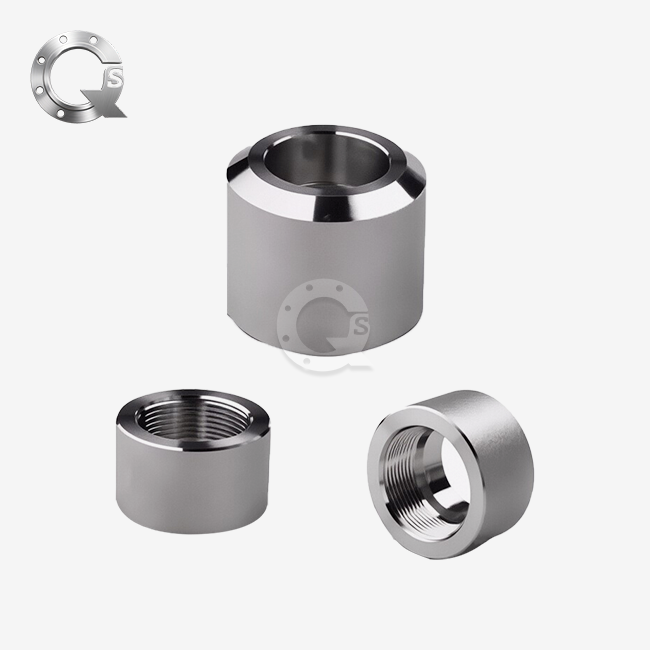
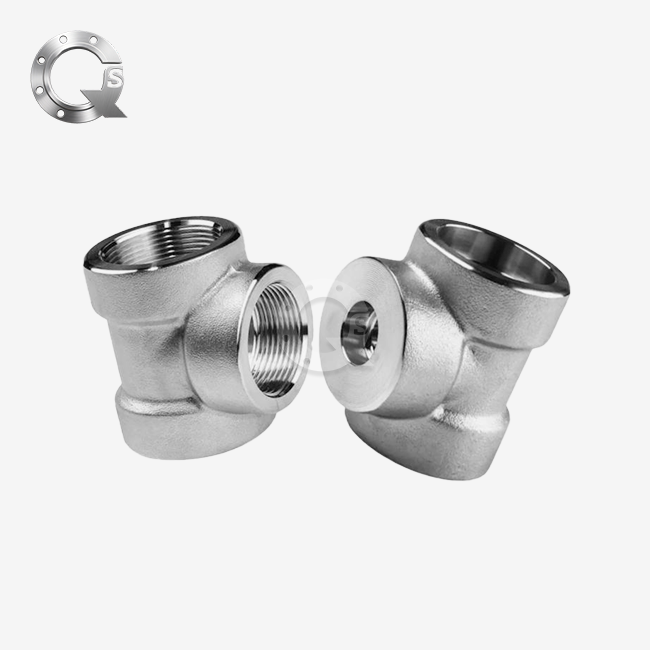
Because they are made of cast steel, Asme B16.11 fittings can handle high pressure in small-bore pipe systems. The B16.11 guideline from the American Society of Mechanical Engineers (ASME) tells makers how to make these parts. There is a list of the socket-welding and threaded parts' widths, gaps, and pressure numbers.
Most of the time, fittings that meet ASME B16.11 standards are used in oil and gas, petrochemicals, and power production, among other places. They're known for being strong, dependable, and able to stand up to high pressures and temperatures. It has a lot of different parts, such as elbows, tees, joints, unions, and more.
The Role of Small Bore Fittings in Piping Systems
In pipe systems, small hole fittings are very important because they connect lines, change the flow direction, and make it easy to connect different parts. As a general rule, small-bore tubes have standard pipe widths (NPS) of 2 inches or less. These parts are needed to make small systems that work well.
These are some important things that small bore fittings do:
- Putting pipe parts together without risk
- You can change the direction of the flow with curves or other tools.
- Using tees or other tools to cut or join flow lines
- Getting used to pipes of different sizes or types
- Joints and links make it easier to fix things and keep them in good shape.
Benefits of Using ASME B16.11 Fittings in Small-Bore Applications
For small-bore pipes, ASME B16.11 fittings are a good choice for a number of reasons:
- Ratings for high pressure: They can be used in tough settings because they are made to handle high temperatures.
- Excellent dependability: There are strict rules for making sure that the performance is always the same and effective.
- Compact design: ASME B16.11 fittings are ideal for small-bore applications where space is limited.
- Versatility: The standard covers a wide range of fitting types, allowing for diverse system configurations.
- Material compatibility: These fittings come in a range of materials to meet the needs of different pipelines and process fluids.
With ASME B16.11 fittings in small-bore pipes, engineers and system makers can make pipe systems that are strong, efficient, and up to code for their uses.
Key Factors in Selecting the Right Size for ASME B16.11 Small Bore Fittings
Matching Nominal Pipe Size (NPS)
When choosing ASME B16.11 fittings for small-bore pipelines, the standard pipe size (NPS) of your system is the most important thing to keep in mind. ASME B16.11 covers the small-bore group and works with NPS ranges from 1/8" to 4" It's important that the parts are the same NPS as the pipes so that they fit and work right.
These things should help you choose fits:
- Check to see if the NPS for your pipe system is right.
- Check that the NPS is the same all over the line.
- Take into consideration any changes from one pipe size to another.
Considering Pressure Ratings and Schedule
With ASME B16.11 small-bore fittings, there are different pressure classes, most often 2000, 3000, and 6000. The pressure number on the joint must be the same as or higher than the highest working pressure in the pipe system. The chosen fitting should work with the pipe plan, which tells you how wide the wall will be.
When making pressure plans and rates, it's important to keep the following in mind:
- Find out the biggest pressure that your system can handle.
- Pick parts that can stand up to the right amount of force.
- Make sure that the pipe and fitting plans fit together.
- Safety problems and future pressure needs should be thought about.
Material Compatibility and Application Requirements
It's very important that the ASME B16.11 parts you make are made of the right material so that they can work with your lines and water. A lot of people use metals like carbon steel, stainless steel, and others. When you choose the right products, keep these things in mind:
- Needs to be resistant to rust
- How hot or cold the treatment can be
- Fluids used in the process and chemicals together
- Needs for strength
- Rules and standards that are unique to a certain business
Following these tips will help you pick ASME B16.11 fittings that are the right size for your small-bore pipes and work well with your application. This will guarantee efficiency and dependability for a long time.
Best Practices for Installing and Maintaining ASME B16.11 Fittings in Small-Bore Pipelines
Proper Installation Techniques
For your small-bore pipe system to work well and stay together, it is very important to install ASME B16.11 small-bore fittings the right way. When you install, make sure to do these things right:
- Clean and prepare the ends of the pipes well before putting in a fitting.
- There are right ways to join or thread each type of part.
- To keep links from getting stressed, make sure that the lines and parts are lined up properly.
- For threaded parts, follow the torque advice given by the maker.
- Check for leaks to make sure the links are solid after the job is done.
It's important to have a good installation so that the system works right away. It's also better over time, so it needs less maintenance.
Regular Inspection and Maintenance Procedures
Always check and fix ASME B16.11 fittings in small-bore pipes to get the most out of their life and performance. These parts of the process are important:
- Looks for damage, rust, or signs of wear with the naked eye
- Check for leaks often, especially in important spots
- Keep an eye on how well the fittings work and any changes in the flow or pressure of the system.
- Parts are replaced at set times based on how long they last and how they wear.
- Keeping track of all maintenance and check jobs to make sure they are done right and see trends
Not only does regular repair keep your pipeline system from breaking down when you least expect it, it also helps you find problems before they get worse, so it keeps going safely and continuously.
Troubleshooting Common Issues with Small Bore Fittings
There are many issues that can arise with ASME B16.11 fittings in small-bore pipes, even if they are picked out and put in the right way. If you're ready to fix simple problems, you can avoid bigger ones and cut down on downtime. Why these issues happen and how to fix them:
Leaks at connections:
- Make sure that parts with threads are pulled up properly.
- Have a look at the covering places for damage
- You should make sure that thread seals or plugs are used the right way.
Corrosion:
- Check to see if the fixing material is right for the job.
- If you need to, you can guard against rust.
- You might want to switch to things that won't rust.
Misalignment:
- Make sure the right installation methods were used.
- When you're installing, use tools for making changes.
- In trouble spots, you might want to use links that can be bent.
These common problems can be fixed quickly and properly to keep your small-bore piping system safe and running well. These tips will help you use ASME B16.11 fittings better.
Conclusion
When picking the right size of ASME B16.11 fits for small-bore pipes, you need to give a lot of things a lot of thought. To make a plumbing system that works well and is reliable, you should match the standard pipe size, think about pressure levels and schedules, and make sure that all the parts fit together well. Follow best practices when you install and take care of your parts to get the most out of them and make sure they last as long as possible. Because they work best when used properly, ASME B16.11 small-bore fittings can last a long time and do a great job for your small-bore pipeline needs. They are up to code and help keep things safe in a lot of different settings.

FAQs
What sizes do ASME B16.11 small bore fittings work with?
These are the sizes of ASME B16.11 fittings for small-bore pipes: NPS 1/8" to 4".
How do I know if the ASME B16.11 parts are the right size?
The inner diameter of the fitting should match the inner diameter of the pipe, and the standard pipe size (NPS) should match the size of the pipe.
What kinds of materials are used most often for parts that meet ASME B16.11?
Other metals, such as carbon steel and stainless steel, are also often used, depending on the job.
Expert ASME B16.11 Small Bore Fitting Solutions | QinSteel
Asme B16.11 small bore fittings are the only ones we sell at Xi'An QinSteel Trading Co., Ltd. They are very good and can be used in many business situations. We have a lot of parts that are made to exact specifications and will make sure that your water systems always work right. We can make solutions that are perfect for your job because we are skilled and committed to quality. You can email us at info@sxqinsteel.com to learn more about how our ASME B16.11 fittings can make your small-bore pipeline safer and work better.
References
American Society of Mechanical Engineers. (2017). ASME B16.11-2016: Forged Fittings, Socket-Welding and Threaded. New York: ASME.
Nayyar, M. L. (2000). Piping Handbook (7th ed.). McGraw-Hill Education.
Smith, P., & Zappe, R. W. (2004). Valve Selection Handbook: Engineering Fundamentals for Selecting the Right Valve Design for Every Industrial Flow Application. Gulf Professional Publishing.
Kannappan, S. (1986). Introduction to Pipe Stress Analysis. John Wiley & Sons.
Antaki, G. A. (2003). Piping and Pipeline Engineering: Design, Construction, Maintenance, Integrity, and Repair. CRC Press.
American Petroleum Institute. (2018). API 570: Piping Inspection Code: In-service Inspection, Rating, Repair, and Alteration of Piping Systems. Washington, D.C.: API Publishing Services.
Learn about our latest products and discounts through SMS or email